With its promise of free power, the federal government’s new Solar Sharer Offer (SSO) scheme has grabbed plenty of headlines since it launched on 1 July.
Designed to share Australia’s daytime solar surplus and lighten peak time loads on the grid, the new initiative mandates that retailers must now have at least one residential plan that offers three hours of free power daily, capped at 24 kilowatt hours (kWh) per day.
“Free power ‘on the house’ might sound like a godsend, but SSO plans do often come with their own caveats and concerns, including higher peak and supply rates,” says CHOICE solar expert, Chris Barnes.
So before you sign on and bellow “I HAVE THE POWER!” He-Man-style, here’s what you need to know about Solar Sharer and how to calculate whether it’s worth you making the switch.
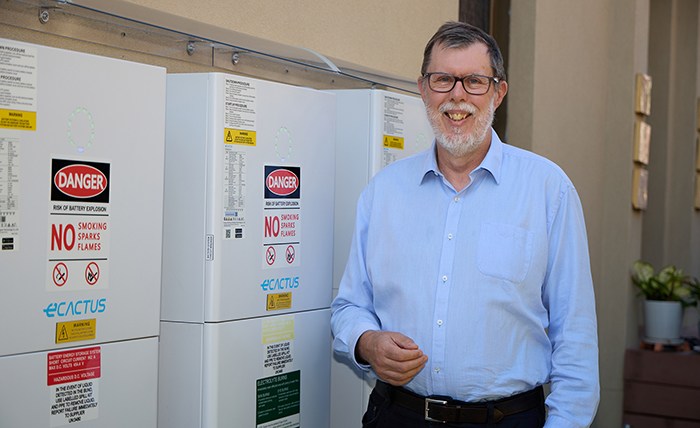
CHOICE expert Chris Barnes has been reviewing solar products for over 10 years.
Solar Sharer Offers: A quick recap
Who can get a SSO plan?
Currently only residents who live in New South Wales, South Australia and South East Queensland. Why? Because they’re the areas covered by the federal government’s Default Market Offer (DMO) framework, which is administered by the Australian Energy Regulator.
Other states and territories are not part of the DMO and have their own systems (for a variety of complicated historical reasons) so are not included in the SSO mandate.
However, Victorians will get their own version of the scheme with their Midday Power Saver from 1 October 2026. Hopefully, other states and territories follow suit soon.
SSO requirements
Residents must:
opt into a retailer’s SSO plan (it’s not automatic)
have a smart meter installed at home, as a SSO plan requires time-based billing (if you don’t have one , talk to your energy retailer)
You don’t need solar panels or a battery to sign onto a SSO.
When are the free electricity times?
Calculated on peak solar generation during the day for each region, the three-hour periods are:
11am–2pm for NSW and SE Queensland
12–3pm for South Australia
.
Why we've partnered with SolarQuotes

We've partnered with SolarQuotes to help you find and buy the right solar, battery, heat pump and EV charger. While we make money if you use SolarQuotes to find an installer, this doesn't influence our ratings. 100% of the money we make goes directly back into our nonprofit mission.
Key things to check when considering a SSO
1. Compare Solar Sharer rates against your current ones
“Three hours of free power might sound great, but it’s crucial to remember it’s just one part of the SSO plan’s pricing mix,” says Chris.
It’s a bit like booking a holiday resort just for its free lunch buffet. Yes it’s awesome, but you also want to check that you’re not getting gouged on breakfast and dinner to make up for it.
It’s a bit like booking a holiday resort just for its free lunch buffet
When considering any new energy plan, you should always compare:
daily supply charges (also called Service to Property Charge or similar)
electricity rates outside the free window – these could either be fixed rate or time-of-use charges, such as peak, shoulder, off-peak or controlled load rates
green-offset fees
solar feed-in tariff (often just called a FiT, this is the credit you get for sending excess electricity from your panels or battery to the grid)
According to our analysis, many SSO plans currently charge more for supply and electricity rates compared to standard market offers, which may rain on your free-power parade.
While this has surprised some customers, SolarQuotes chief writer Ronald Brakels, who’s been covering solar for over 10 years, says such increases were always expected.
“Retailers have gone high because, one, they can [under the new DMO framework] and two, because they are not making money in those free periods, they want to make it up elsewhere. The cost of electricity to them during these periods is extremely low, but all the poles and wires are still there and they still have to pay for their upkeep and maintenance.”
Because retailers are not making money in those free periods, they want to make it up elsewhere
SolarQuotes chief writer Ronald Brakels
As an example, looking at my own plan (Red Energy’s Qantas Saver), you can see rates dramatically rise on Red’s SSO plan below:
Rates
Red QANTAS Saver
Red Solar Sharer
Difference (%)
Daily supply charge
$0.9975
$1.7611
+76.6%
Peak rate / kWh
$0.4385
$0.6372
+45.3%
Shoulder rate / kWh
$0.3105
$02756
-11.2%
Off-peak rate / kWh
$0.238
$0.2756
+15.8%
Solar feed-in tariff / kWh
$0.04
$0.025
-37.5%
It doesn’t look great for the SSO, but ultimately it will depend on how much value I can wring out of the daily free power window (we’ll look at that later).
Remember, your own rate comparisons will depend on your retailer, what plan you’re currently on and how competitive it is. For example, older plans might have lower peak or supply rates.
“When sizing up a SSO, it’s vital to see if your time-of-use periods for peak, shoulder and off-peak rates change too, as this can also impact bills considerably,” says Chris.
For example, on my current Red plan, peak rates apply weekdays 2–8pm, but on the SSO, they change to 3–9pm and they get charged seven days a week, rather than five. So not only am I getting slugged almost 20 cents more per kWh during peak times, I’m paying it more often.
Not only am I getting slugged almost 20 cents more per kWh during peak times, I’m paying it more often
Other SSO plans’ hikes are even more alarming. When I compared a friend’s Alinta Home Deal plan to the retailer’s new SSO, the peak rate actually drops 4 cents per kWh, but the peak periods expand drastically from 5–8pm weekdays to 7am–10am and 3pm–10pm every day.
That means the peak hours expand from 15 a week (3 hours x 5 days) to a whopping 70 a week (10 hours x 7 days), an increase of 367%!
Bigger peak rate periods mean you’ll pay more for energy-hungry appliances like air conditioners.
“Just how much peak period changes will affect your bills depends on your home electricity consumption and when you normally use it,” says Chris.
“For example, if you live somewhere cold and usually use heaters or air con when you wake up, suddenly paying peak prices in the morning certainly isn’t ideal.”
3. Use the Energy Made Easy government tool to compare plans
With so many offers, rates and time periods to compute, it can be near impossible to determine which plan is actually best for you overall.
Thankfully, the federal government’s free Energy Made Easy website comparison tool can help you make sense of the messy maths. Using your National Meter Identifier number (which is listed on your bill), the tool gives you a list of the best priced plans based on your actual energy use and lets you compare them side-by-side.
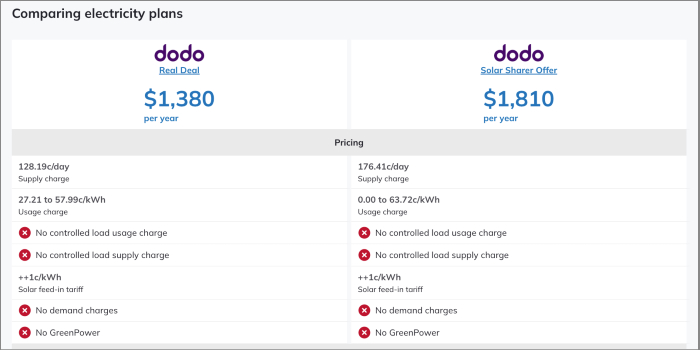
The Energy Made Easy tool in action, comparing a standard Dodo plan versus the Solar Sharer one.
CHOICE tip: Even if you don’t move to an SSO plan, the comparison tool is great for keeping an eye on the best plans available with your retailer or another, so it’s well worth using.
4. Determine how much value you can get from the free power hours
With their higher rates, many SSO plans may initially seem like a no-go but if you can maximise the free hours, you can still come out on top.
The best way to do this is to shift as much peak or shoulder power usage into the free three-hour window as possible. However, how much you can realistically move will depend on your home set-up and personal consumption patterns.
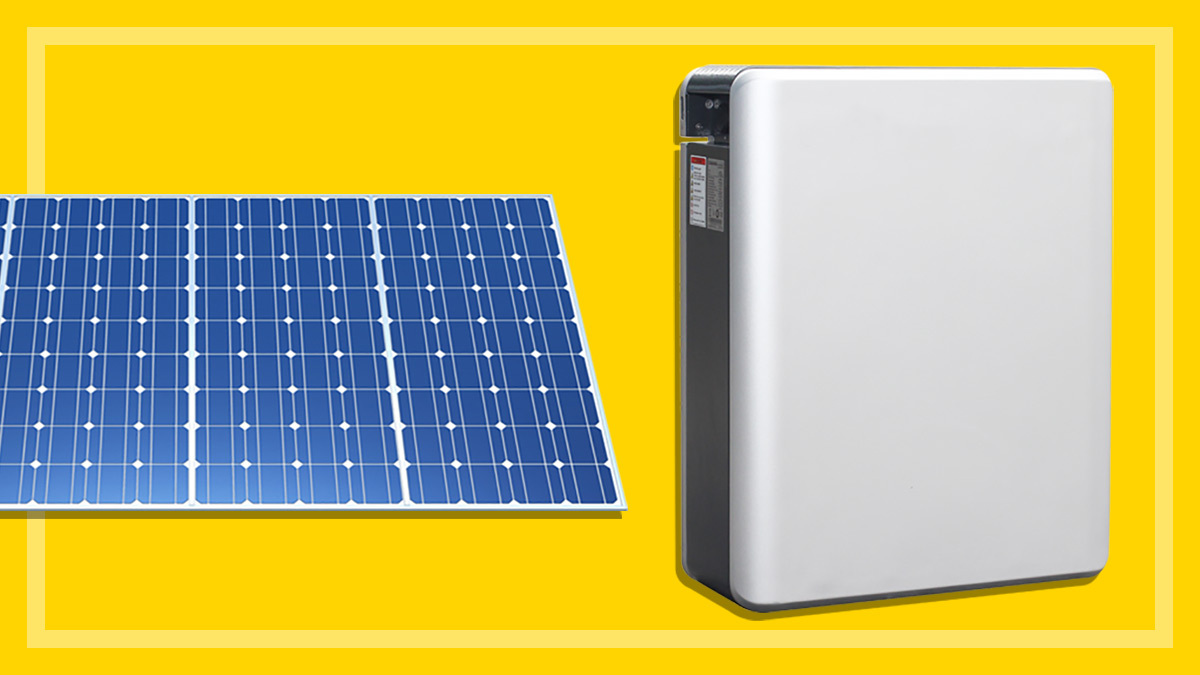
“The people that can benefit the most are ones with home batteries, who can charge them up during the free period and then use it later at night,” says Ronald from SolarQuotes.
“Also, charging electric vehicles parked at home during the day is another very easy option [to use free electricity].”
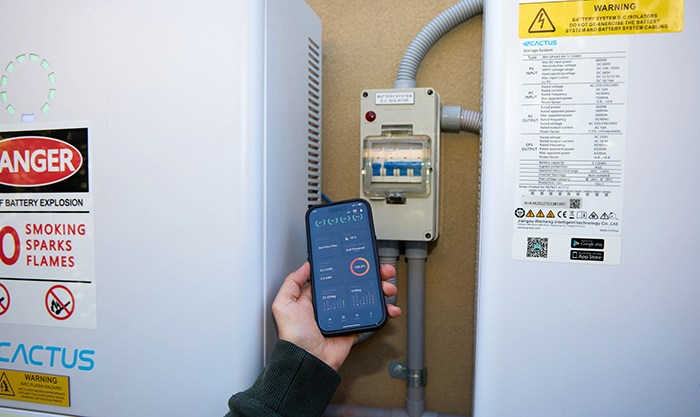
Battery owners can easily get their money’s worth from Solar Sharer’s free power hours.
Additionally, Ronald says using a timer to run your electric hot water system during the free period daily is also a great way to shift usage and get your money’s worth.
“While they’re often already on a cheap rate, for many households they use more than enough electricity to make an SSO plan worthwhile,” he says.
Likewise, using an air conditioner or pool filter for three hours can also put a decent dent in your daily 24kWh cap.
If you don’t have any of these or your hot water uses gas, running appliances like dishwashers, washing machines and dryers can also help tip the maths in your favour. But they do use less power and require more manual effort to coordinate.
For reference, here’s the average kWh use for common appliances, although it will vary according to individual product model and cycle settings chosen:
Washing machine: ~0.7kW per hour
Clothes dryer: ~4kW per hour
Dishwasher: ~1kW per hour
Of course, if you’re not home much due to work or other commitments, running these regularly during the free power window can be tricky. Appliance timers are handy, but they might not always suit your schedule (and they can’t transfer wet washing into your dryer!).
Shifting appliance use from peak to free time will help, but requires more manual effort.
In this case, SSO plans can be better-suited to residents who are retired, working or caring from home, or shift workers.
“Whatever your plan for using your free power window, make sure it’s something that will happen almost every day, such as charging a home battery or running your hot water system or pool filter,” says Chris.
“If you only charge your EV every week or so, that on its own might not be a great reason to go with an SSO plan.”
5. Consider other “free electricity” plans on the market
If Solar Sharer plans aren’t flicking your switch, Ronald advises browsing other “free” power plans to see if they suit your needs better.
For example, retailers like AGL, Globird and Ovo Energy offer their own non-SSO plans which include different free time periods and/or higher maximum usage caps.
Of course, as always, check their plans’ rates and use the Energy Made Easy comparison tool to see if it’s right for you and offered in your area.
Jason is a Content Editor and journalist at CHOICE. He writes about a diverse range of subjects, from solar to robot vacuums to why Easter eggs are a rip-off. He's previously written for Sydney Morning Herald, Rolling Stone and many other publications.
Jason is a Content Editor and journalist at CHOICE. He writes about a diverse range of subjects, from solar to robot vacuums to why Easter eggs are a rip-off. He's previously written for Sydney Morning Herald, Rolling Stone and many other publications.
For more than 60 years, CHOICE has been fighting the good fight for Australian consumers.
In the past year alone we've uncovered systemic issues with sunscreens, investigated shonky supermarket pricing, fought for stronger scam protections and helped make complex energy pricing fairer and clearer.
CHOICE is here to provide unbiased advice and independent testing in our world-class labs. We buy the products we test, just like you do, and our expert reviews are influence free. We’re here to help you choose smarter. Hopefully you’ll also save some money along the way.
Thanks to CHOICE, you’ll never be alone when a business treats you unfairly. You can support our work by joining or donating to our cause.