If you’ve recently installed a home battery or you’re considering it, chances are you’ve come across the term virtual power plant, or VPP. You may have even heard wild stories of battery owners earning $19 per kilowatt-hour during power grid spikes, making you even more curious.
But what exactly are VPPs, how do they work and how much extra money can you make from your solar-generated electricity?
Our easy guide aims to explain this complex energy model in simple terms so your brain doesn’t overload. Plus we look at what you need to start, the essential things to consider and of course, how VPPs pay you.
A VPP might sound like some sort of sci-fi concept, but the reality is actually more straightforward than the futuristic name may suggest.
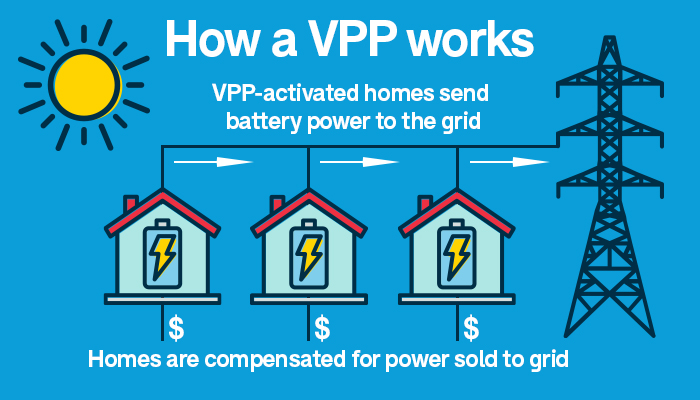
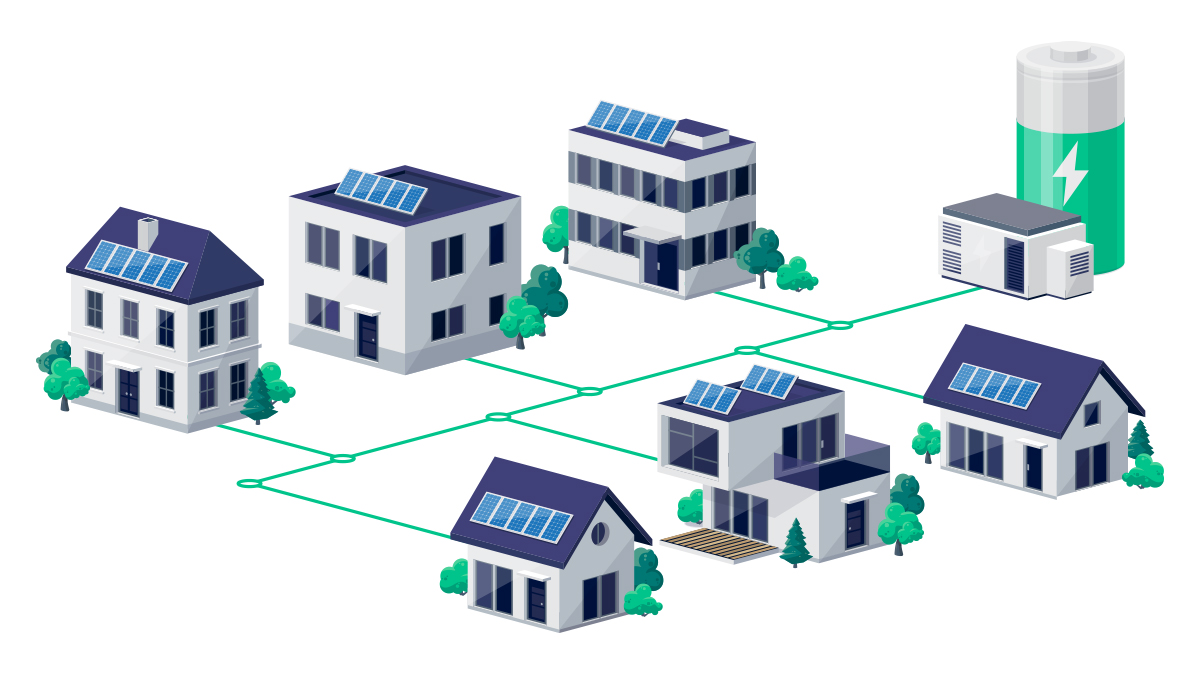
In basic terms, when you sign up to a VPP company, your battery is connected to a giant network of other residents’ home batteries*, which are all linked ‘virtually’ through smart software and the internet.
By drawing electricity from this decentralised network, the VPP operator becomes a ‘virtual power plant’ that’s capable of aggregating large amounts of power to sell to the grid.
*VPPs can also link electric vehicles (EVs) and controllable household loads like hot water systems, but currently, most VPP operators focus on batteries.
How do VPPs work?
You sign on with a virtual power plant and share control of your battery in exchange for financial incentives. These can include bill credits, high tariff rates or a cut of profits on electricity sold (depending on your VPP plan).
To maximise revenue, the company charges your battery during the day (when electricity is cheapest) through solar or top-ups from the grid.
As wholesale electricity prices rise during peak times (such as at night), the company sells it to the grid for a higher price – this practice is called energy arbitrage.
Occasionally, grid demand spikes (usually during heatwaves or cold snaps) will send wholesale prices soaring, which can result in higher payouts, depending on your VPP company and plan.
In addition to financial rewards, VPPs also assist in grid stability and reduce reliance on traditional expensive power sources like coal and gas plants during peak times. By providing clean, renewable energy en masse, they also cut carbon emissions, so it’s a win-win.
A VPP company may be a traditional energy retailer if they offer it (like AGL, Origin or EnergyAustralia) or a separate operator (such as Amber, Reposit and Globird, for example).
.
Why we've partnered with SolarQuotes

We've partnered with SolarQuotes to help you find and buy the right solar, battery, heat pump and EV charger. While we make money if you use SolarQuotes to find an installer, this doesn't influence our ratings. 100% of the money we make goes directly back into our nonprofit mission.
What you need to join a VPP
Requirements depend on the individual company, but generally you’ll need the following.
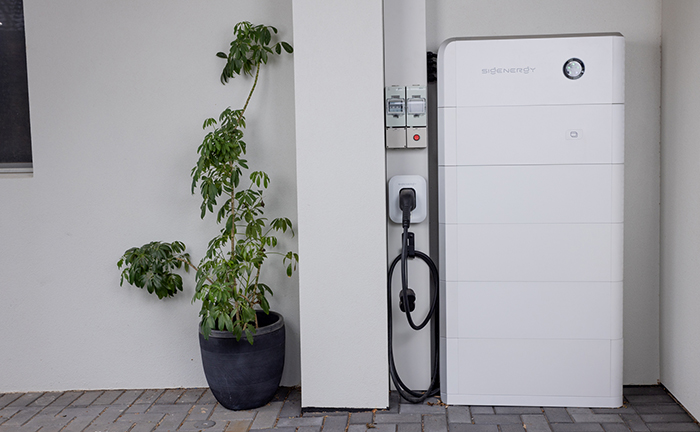
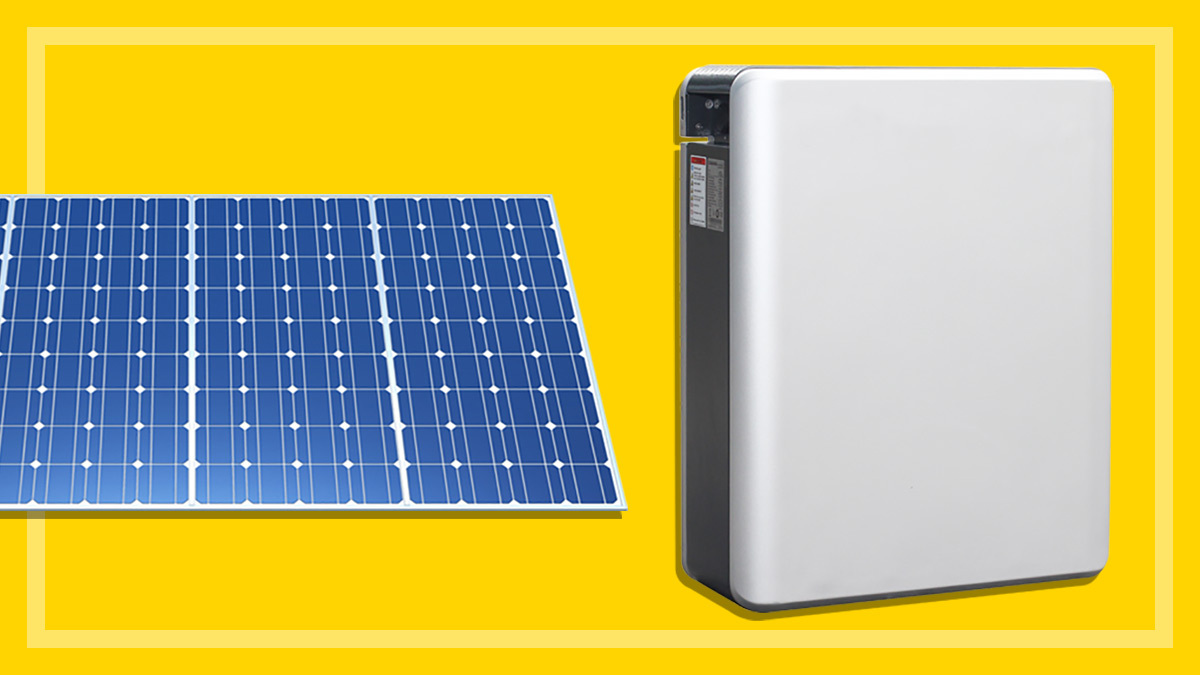
VPP-compatible home battery and inverter/controller
Most batteries these days are generally VPP-compatible, especially given it’s a condition of getting the federal government battery rebate (you don’t have to join a VPP to qualify for the rebate, but the battery must be compatible).
VPPs use apps or software to link your battery to their network, although some also require a special hardware controller to be installed.
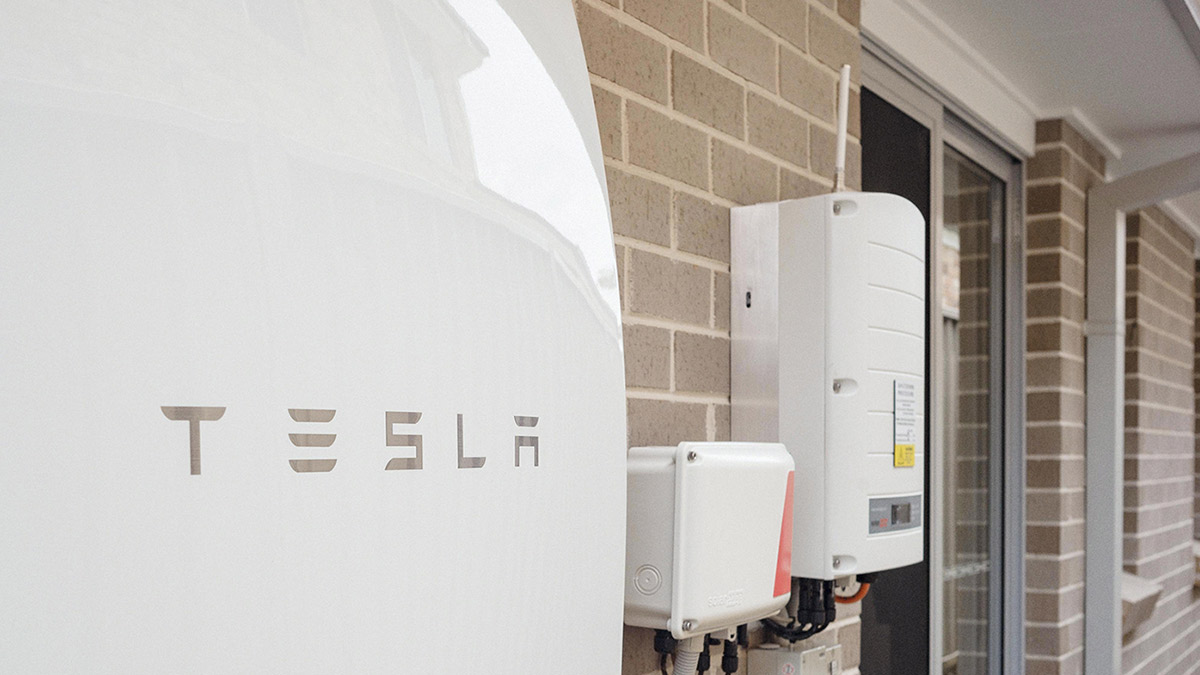
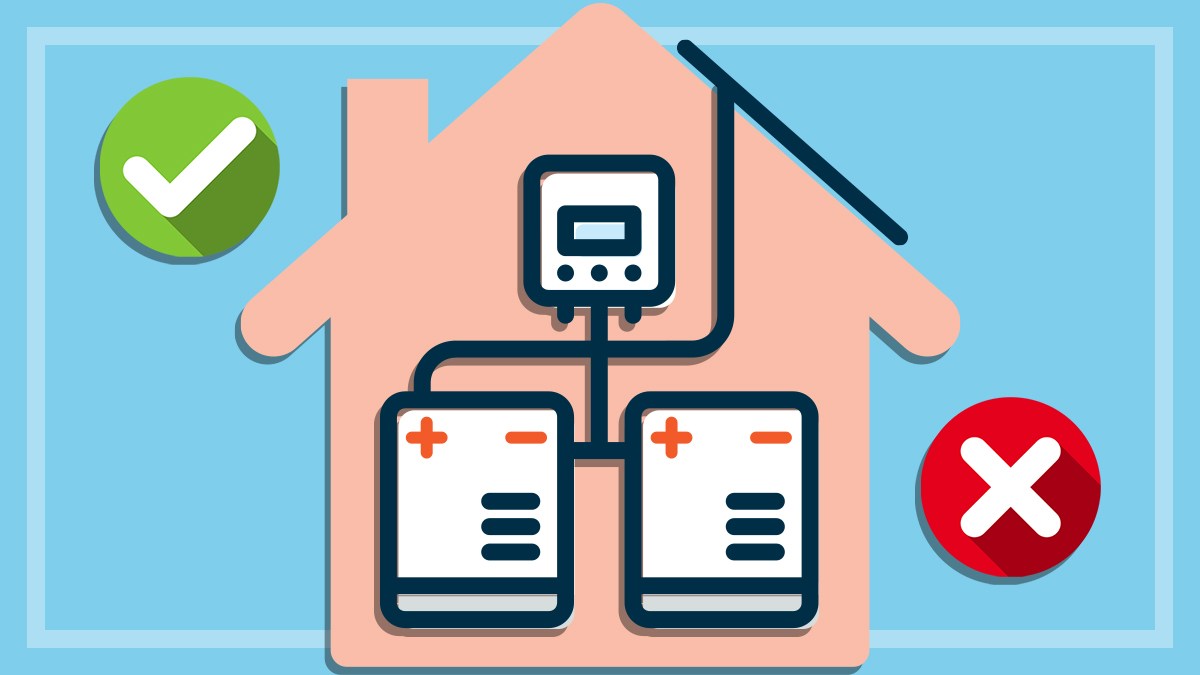
VPPs and battery compatibility: Be aware that some virtual power plant companies only support certain battery and inverter brands – usually ones they’ve already tested with their network. It’s important to check VPPs’ websites for an up-to-date list of compatible brands.
Be aware that some VPPs only work with certain battery and inverter brands.
Solar panels
Solar panels are not technically required as VPPs draw electricity from home batteries, not direct from your panels. But given panels generate cheaper power, they usually go hand-in-hand.
Smart meter
This is usually installed or upgraded as part of getting a battery. It’s essential for tracking your electricity imports and exports, plus VPP and energy retailer billing.
Reliable internet connection
VPP companies rely heavily on a good remote connection to monitor battery status, initiate charge and discharge commands, and send notifications to your battery and app.
A patchy home internet connection could hamper your VPP efficiency.
In exchange for access to your battery, VPP companies offer a range of financial incentives that can further reduce your power bills and help you pay off your battery faster.
Benefits can include one or a combination of the following:
upfront one-off incentives or discounts on batteries
bill credits (monthly, quarterly or annually)
premium feed-in tariff rates during certain time windows
special export rates during grid price spikes
free charging periods during day
wholesale market revenue sharing.
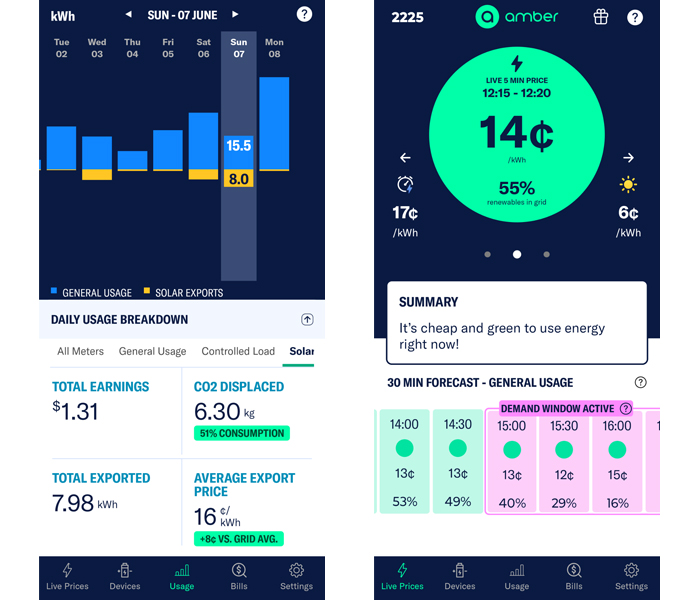
The last one is an approach used by VPPs like Amber and Discover. Instead of offering fixed benefits, customers can earn the actual market value of the energy sold (or a share of it) at the time.
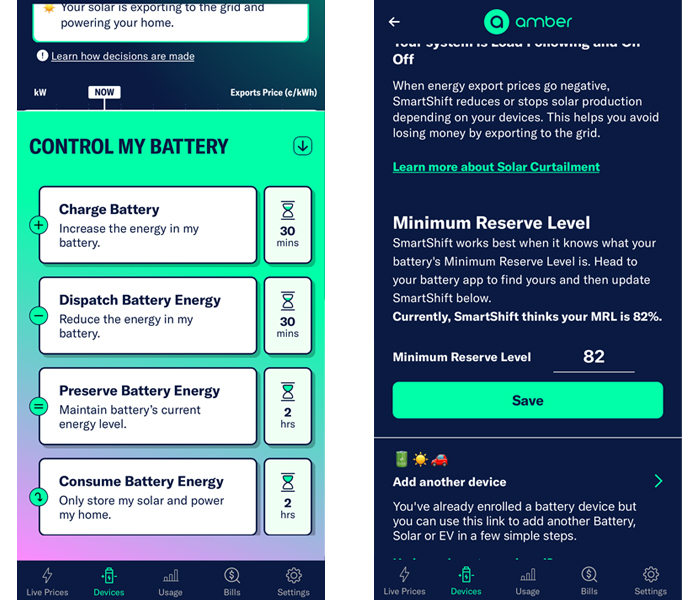
An Amber customer’s app showing daily usage info (left) and the current export price of 6 cents (right).
This high-reward approach means you can make more money during extreme grid spikes, but earnings can be unpredictable and vary a lot annually.
With so many VPP companies offering a dizzying array of different financial benefits, it can make it hard and headache-inducing to compare them all and pick the best one for you and your power bills.
For example, is a big upfront payment the way to go, or does a monthly bill credit offer better value? And what about the different special feed-in tariffs when the grid’s running red-hot at night?
In addition, your virtual power plant options may be limited depending on where you live and the battery brand you’ve installed, as companies can be very particular about the products they work with.
To help you wrap your head around it, check out our VPP product comparison page to see companies’ different incentives, conditions and compatible brands.
With the boom in batteries, many electricity retailers now pay substantial feed-in tariffs (FiT) during peak evening times. These are usually lower (in some cases, much lower) than what VPPs offer, but sticking with them can be an alternative if you’re hesitant about joining a VPP or want to retain full control of your battery.
Comparing plans can be tricky with VPP companies offering so many different incentives.
How much money can you make with a VPP?
It’s the biggest question around VPPs (and one we dive deep into here), but unfortunately there’s no easy set answer. That’s because your earning potential depends on a unique range of variables that include:
your battery size (and how much power you reserve for yourself)
the state/territory you live in – this determines VPP options and local electricity prices
your own energy consumption at home
fluctuating wholesale market electricity prices
your chosen VPP, how often they export power and the rates they pay (e.g. credits, feed-in tariffs, revenue share)
the other fees you pay your retailer (e.g. daily supply charges).
Either way, make sure you read all contract terms fully and do some serious number-crunching to find the best deal for your home and usage.
A virtual power plant can net you higher returns for your surplus power than you could get on your own (such as through your retailer’s standard evening feed-in tariffs).
As exciting as it sounds, high export prices are extremely rare. And with the government’s battery scheme now in full swing and so much more stored solar going into the grid at peak times, such lucrative windfalls are probably a thing of the past.
While you can still get competitive rates during grid spikes compared to retailers’ usual feed-in tariffs (depending on your plan), it’s wise not to count on them too much in your energy bill calculations.
Most VPP operators don’t charge you a participation or member fee, as their model is built around selling your surplus power at peak times for a profit.
However, some do charge an establishment fee, monthly management fees or a one-off equipment fee, such as for a custom controller installed on your battery.
Additionally, some do charge exit fees, but that’s usually only when they’ve given you an upfront bonus or battery discount when you signed up.
Why does a VPP need to control your battery?
We get it, it’s a daunting concept. When you’ve just spent thousands of dollars to install a new battery, the last thing you might want to do is give control of it to another company – especially if one of your motivations was energy independence.
But yes, if you want to join a VPP, you need to share control of your battery. Why? Because VPPs operate by dynamically charging their battery network when electricity is at its cheapest and exporting it at peak times to get the best prices. They need control to do this effectively in real time.
The Amber app lets you control your battery use and how much you keep for your own use.
But you still own the battery, and you can usually set your own limits and preferences so you’re not left high and dry. These conditions usually include:
maintaining a minimum battery reserve (often 10–30%)
prioritising your household’s energy needs
restricting VPP participation and power exports to certain times of day.
Of course, doing this will limit your potential VPP earnings, but it’s a balancing act between your needs and the company’s.
Does a VPP affect battery longevity?
Yes, it can. Being part of a virtual power plant means more battery charges and discharges, which can rapidly increase its number of daily cycles (a cycle equals one full charge and discharge sequence). This can add more wear and tear to your battery and possibly shorten its lifespan.
Many home batteries come with a product warranty that covers ten years or around 6000 cycles (whichever comes first). The latter equates to around 16 years of use at one cycle a day, but obviously a trigger-happy VPP can speed that up by a lot and shorten the battery’s lifespan.
Some companies stipulate the maximum number of cycles they can initiate in a day or set a total discharge amount for the year, but it’s another thing to consider in your VPP maths.
Joining a VPP can accelerate your battery’s lifespan as they will run more daily power cycles.
Government rebates
Some state governments currently offer extra incentives to join a VPP in an effort to boost uptake and solar sharing.
Visit the websites below and ensure you check out the conditions and eligibility criteria to see if you qualify.
This content has been produced with funding support from the Clean Energy Finance Corporation (CEFC). CHOICE maintains full editorial independence and the views expressed are those of CHOICE.
CEFC funding does not constitute an endorsement of any provider, product or service. Any links, tools or services enabling users to request quotes or connect with providers are operated independently by CHOICE and are not endorsed or recommended by the CEFC.
Jason is a Content Editor and journalist at CHOICE. He writes about a diverse range of subjects, from solar to robot vacuums to why Easter eggs are a rip-off. He's previously written for Sydney Morning Herald, Rolling Stone and many other publications.
Jason is a Content Editor and journalist at CHOICE. He writes about a diverse range of subjects, from solar to robot vacuums to why Easter eggs are a rip-off. He's previously written for Sydney Morning Herald, Rolling Stone and many other publications.
For more than 60 years, CHOICE has been fighting the good fight for Australian consumers.
In the past year alone we've uncovered systemic issues with sunscreens, investigated shonky supermarket pricing, fought for stronger scam protections and helped make complex energy pricing fairer and clearer.
CHOICE is here to provide unbiased advice and independent testing in our world-class labs. We buy the products we test, just like you do, and our expert reviews are influence free. We’re here to help you choose smarter. Hopefully you’ll also save some money along the way.
Thanks to CHOICE, you’ll never be alone when a business treats you unfairly. You can support our work by joining or donating to our cause.