CHOICE investigations and advocacy led to changes benefiting consumers in 2025
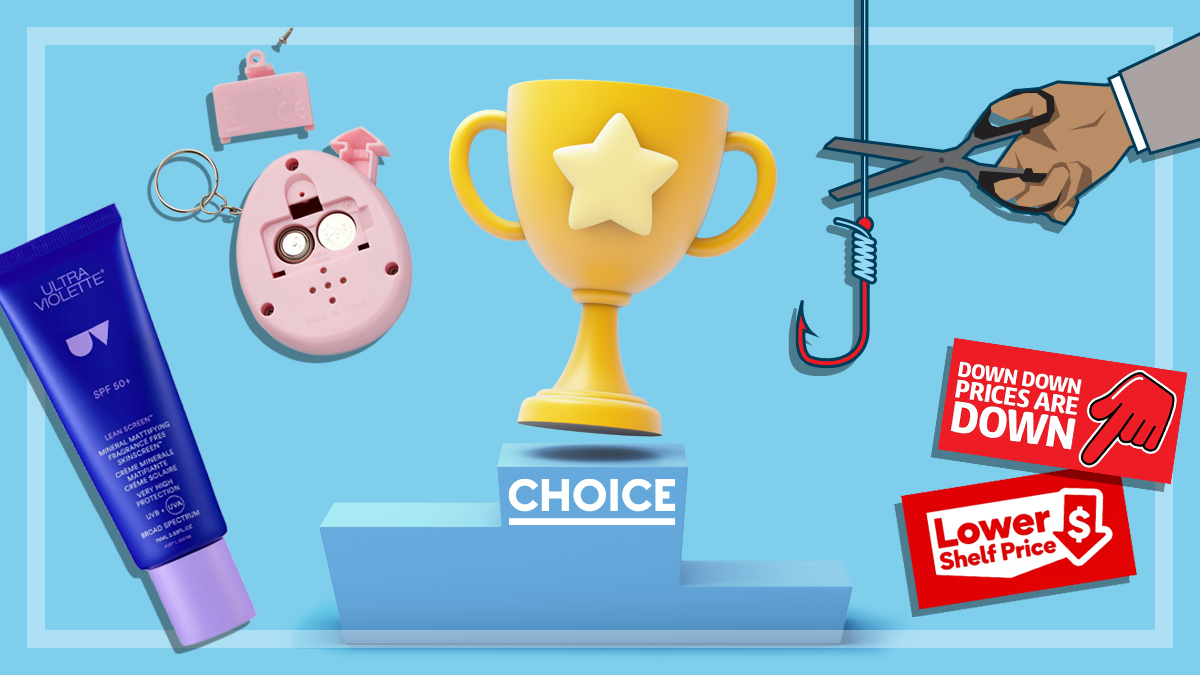
Our biggest victories include getting poor-performing and dangerous products pulled off shelves, fairer prices for essential groceries and new requirements for companies to combat scams
Your support will help us keep making things better for consumers in 2026
This year has been one of the busiest ever for CHOICE. Thanks to your support we’ve secured significant victories for consumers. Here are five of them:
1. Sunscreen scandal exposed
No list of 2025 wins would be complete without mentioning the significant changes brought on by our testing of sunscreen SPF claims in June.
All the products we tested claimed to come with SPF 50 or 50+ protection, but we found some provided the equivalent of only SPF four.
While one of the brands involved noisily disputed our findings, the Therapeutic Goods Administration (TGA), which had approved the sunscreens for sale in Australia, launched an investigation.
As well as helping consumers get the sun protection they need, our investigation resulted in the regulator taking a closer look at the labs sunscreen brands were using to back up their SPF claims.
The TGA has now alerted manufacturers to particular labs it thinks might be unreliable, hopefully ensuring more trustworthy sunscreens on our shelves in the future.
Multiple suncreens were recalled after only four of 20 we tested met their SPF claims.
2. Banks, telcos and social media forced to fight scams
From SPFs that don’t deliver, to one that hopefully will.
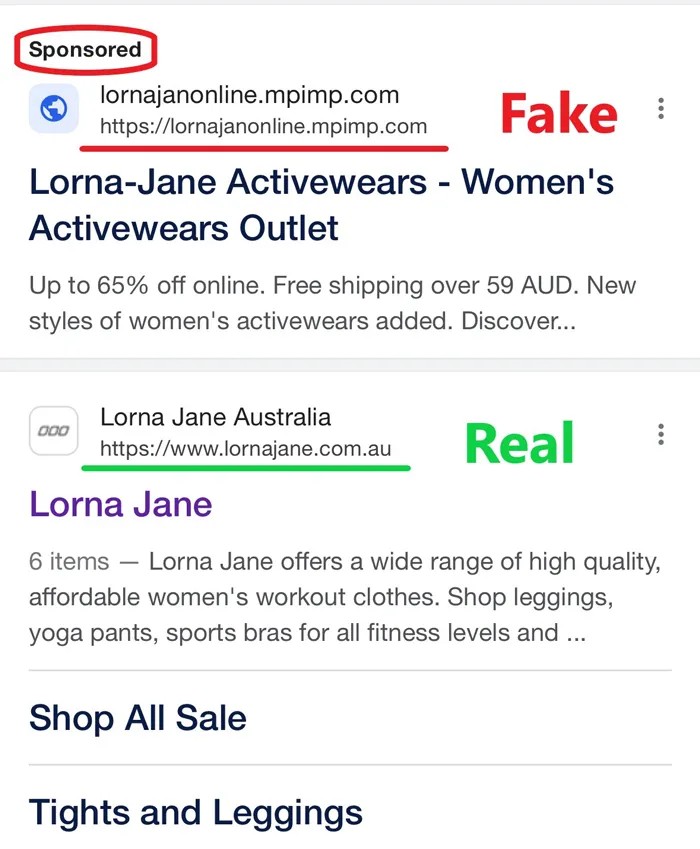
In coming years, you should be receiving fewer scam texts and seeing fewer dodgy ads on social media, thanks to a new Scams Prevention Framework pushed for by CHOICE.
Campaigning by CHOICE and other consumer advocates helped shape the framework, which is designed to shift more of the burden of combating scams from individual consumers to big businesses.
Acknowledging the few avenues available for victims to seek compensation, the framework also establishes an external dispute resolution scheme. This will be designed to compensate Australians who have lost money when a business fails to meet its obligations to stop scammers using its systems.
The federal government is currently consulting stakeholders on the details of the plan.
More protections are coming for shoppers after we exposed questionable supermarket practices.
Our investigation four months prior revealed residents of remote parts of Western Australia and the Northern Territory were paying more than double for essential items compared to shoppers in capital cities.
Meanwhile, other changes are set to benefit all grocery shoppers, irrespective of where they live.
In March, the federal government announced it agreed with the 20 changes recommended by the ACCC to make the supermarket sector fairer for shoppers and the businesses supplying goods to retailers.
These include requirements for supermarkets to display clearer pricing information, verifiable discounts and notifications when package sizes change.
Over 30,000 supporters signed our petition backing these changes after we called out the major supermarkets for a range of tactics they were implementing that made it harder for shoppers to get value for money.
The federal government recently finished consulting on how it can tweak regulations to implement the changes we and the ACCC are calling for, paving the way for smoother shopping in the future.
Last year, CHOICE became one of the first advocates empowered to make designated complaints to the ACCC.
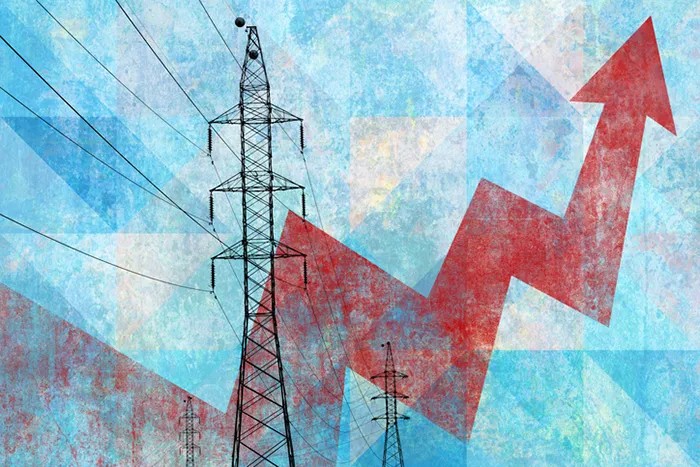
Rising energy costs have made it more important for consumers to find cheaper plans.
This means we can raise concerns that the regulator must consider and publicly respond to within 90 days, something they’re not usually required to do.
One particularly egregious practice being adopted by retailers was offering multiple plans with the same name, but different prices. This caused confusion for consumers who received bills which included a section indicating whether or not they could get a better deal by switching to another of their retailer’s plans.
When these better-off messages indicated a plan with the same name as the one the consumer was already on, many customers believed they were already on the best deal.
By not prompting consumers to switch, we estimated this same-name tactic was causing Australians to miss out on savings worth $65 million per year.
In several states and territories, retailers now have to alert customers receiving same-name better-off messages that there may in fact be a cheaper version of the plan they’re on that they can switch to.
These products contained button batteries, whose small size make them easy for children to swallow, which can prove fatal.
In 2020, CHOICE advocacy helped make Australia the first country in the world to require manufacturers to include warnings with these batteries and make it harder for children to remove them from products containing them.
The items bought from Shein, AliExpress, Amazon and eBay weren’t following these rules and were therefore potentially dangerous.
While most of these companies removed the uncompliant items from sale when we shared the results of our tests, AliExpress rejected our findings, so the fight to protect Australians from hazardous products continues.
Fighting for fairness reform and fewer dangerous products in 2026
“These incredible wins wouldn’t be possible without the support of thousands of CHOICE members and supporters,” says our director of campaigns and communications, Andy Kelly.
“Thank you to everyone who took action this year, whether it was signing a petition, sharing dodgy supermarket specials or making a donation to help fund CHOICE’s mission to win fair, safe and just markets for all.”
“In 2026, we’ll continue to work together to win new reforms to ban unfair business practices like subscription traps, and penalise companies that unfairly refuse to give you a refund when you’re entitled to one.”
“We’ll also ramp up our efforts to win stronger product safety laws to finally make it illegal for businesses to sell unsafe products.”
Liam Kennedy is a Journalist with the Editorial and investigations team. He answers consumers' most burning questions, from which scams to be aware of and how to save money, to whether new services and products are worth using and how the latest developments in consumer news could affect them.
Prior to CHOICE, Liam worked in production in daily news radio and podcasting.
Liam has a Bachelor of Communication (Journalism) and a Bachelor of Arts in International Studies from the University of Technology Sydney. LinkedIn
Liam Kennedy is a Journalist with the Editorial and investigations team. He answers consumers' most burning questions, from which scams to be aware of and how to save money, to whether new services and products are worth using and how the latest developments in consumer news could affect them.
Prior to CHOICE, Liam worked in production in daily news radio and podcasting.
Liam has a Bachelor of Communication (Journalism) and a Bachelor of Arts in International Studies from the University of Technology Sydney. LinkedIn
For more than 60 years, CHOICE has been fighting the good fight for Australian consumers.
In the past year alone we've uncovered systemic issues with sunscreens, investigated shonky supermarket pricing, fought for stronger scam protections and helped make complex energy pricing fairer and clearer.
CHOICE is here to provide unbiased advice and independent testing in our world-class labs. We buy the products we test, just like you do, and our expert reviews are influence free. We’re here to help you choose smarter. Hopefully you’ll also save some money along the way.
Thanks to CHOICE, you’ll never be alone when a business treats you unfairly. You can support our work by joining or donating to our cause.