Temu is a shopping website and app known for its broad range of cheap products
We’ve surveyed more than 200 people who’ve used Temu and tested some of the products it sells to help you decide if it’s for you
Most Temu shoppers are satisfied with the service, but we’ve found dangerous items and unfair promotional tactics on the platform
UPDATE 2 July 2026: Since the publishing of this article, Temu has signed the Australian Competition and Consumer Commission’s Product Safety Pledge.

This commits Temu to proactively identifying unsafe products on its platform, reporting on its effectiveness and strengthening systems designed to stop these products appearing in the first place.

CHOICE welcomes the signing, but notes the pledge is only voluntary and doesn’t include any penalties for non-compliance. We’re calling for a law to be introduced in Australia that would make it illegal for any retailer or marketplace to sell unsafe products to begin with.
It’s the online marketplace scaling new heights of popularity in Australia since launching here almost three years ago. The Temu app and website are among our country’s most downloaded and visited.
Since first emerging in the US in late 2022, Temu (pronounced Teh-mu) has become known worldwide for its broad range of cheap products, incessant marketing and gamified shopping experience.
An online marketplace, Temu allows retailers and manufacturers to list products to be bought by shoppers in the numerous countries around the world it offers shipping to.
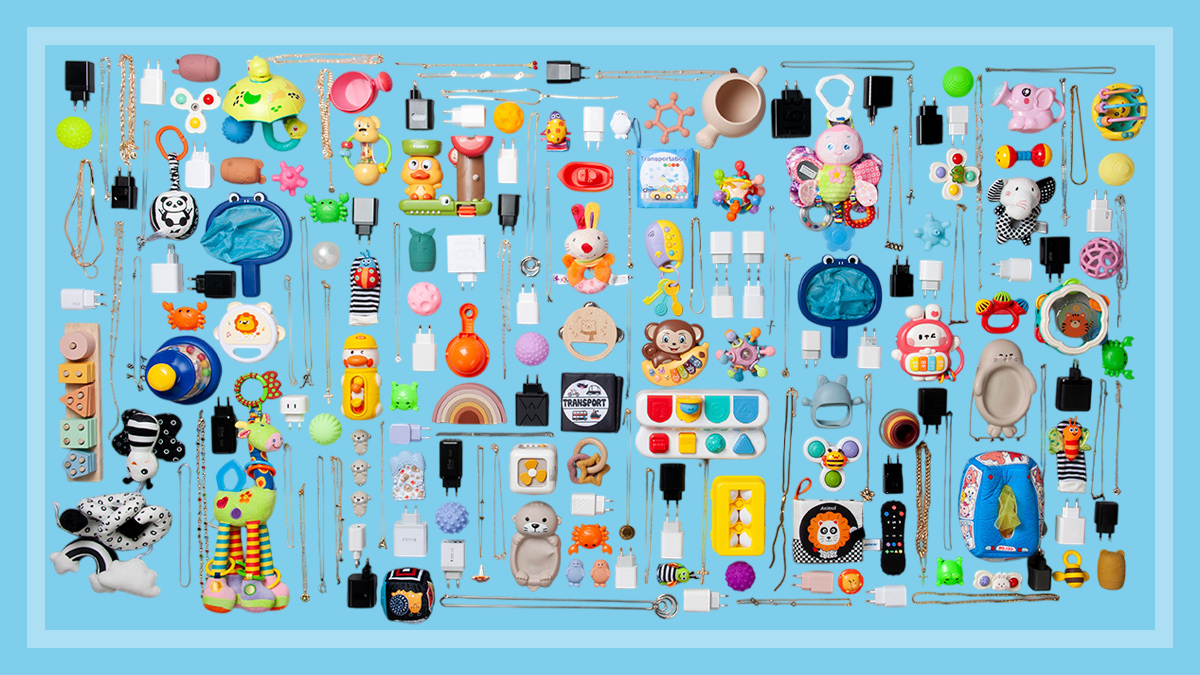
What’s available changes all the time, but cast an eye over Temu’s app or website and you’ll be offered everything from clothing and craft supplies to power tools and electronics.
A recent survey showed that 4.7 million Australians had bought something from Temu, with domestic sales worth around $2.6 billion last financial year
This sheer variety has made Temu synonymous with weird and wonderful novelty products not found on the shelves of mainstream retailers.
Temu has drawn legions of Australian shoppers since launching here. A Roy Morgan survey in September last year found 4.7 million of us were buying something off the platform every year, with domestic sales believed to be worth $2.6 billion in the 12 months to June 2025.
But not everyone’s a fan – shoppers and experts continue to voice concerns about dangerous products, suspiciously low prices and customer data privacy. Here’s what you should know before buying from Temu.
Temu is operated by Whaleco, a subsidiary of Chinese company PDD Holdings.
Australia-based merchants have recently been allowed to list their products on Temu, but most goods on the platform are still made and shipped from China.
Why is Temu so popular?
Temu’s low prices – obvious after spending just seconds on its app or website – are a major reason why consumers keep coming back to the platform.
Temu entices users to play games, which are easy to win but often come with a catch.
Between August and September 2025, CHOICE surveyed over 200 people who had bought items on Temu. Many said its low prices would encourage them to buy from it again or to recommend it to others.
Several argued Temu gave them the opportunity to buy products that were of the same quality as those sold at traditional budget outlets like Kmart, but for less.
Experts say an aggressive marketing strategy has played a significant role in Temu’s rapid ascent, and this is also borne out when speaking to users.
Just over 32% of the shoppers we surveyed said they initially learned about Temu through some form of advertisement. Almost 30% said they had heard about it via word of mouth, while 22% said Temu had been featured on a social media account they follow.
Temu’s strategies have translated into significant popularity – within months of launching here, it had become one of the most popular apps in Australia.
‘Gamifying’ the shopping experience
Several shoppers we surveyed found Temu’s ‘gamified’ shopping experience irritating.
Retail experts have credited the unique ‘gamified’ experience Temu provides to shoppers as another reason for its popularity.
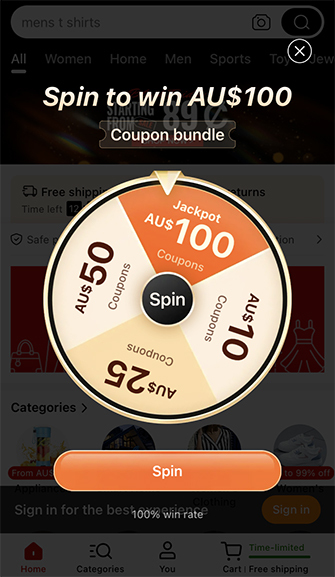
This is encountered soon after opening Temu’s app, which comes armed with spinning wheels and periodically-appearing mystery envelopes and prize boxes – all of which give you the chance to win coupons, discounts and cashback deals to use on the platform.
Winning in these games is virtually guaranteed, but they often come with a catch. For example, you might have to buy more products than you originally wanted or spend more out of your own pocket before you can unlock a prize.
Temu’s games may have helped attract some shoppers, but it’s clear they push others away – several we surveyed said these features were irritating and made them unlikely to recommend Temu to others.
Quirky products
Novelty products such as this neck fan help the platform attract customers.
Temu has also gained attention for its regularly changing range of products, many with novel descriptions and uses.
Visit the homepage of Temu’s site or app and you’ll never be presented with the same cache of goods more than once.
Rather, you’ll often encounter items with strangely specific uses, from neck cooling fans and headphone-cleaning tools, to kitchen devices designed to slice and store particular fruits and vegetables.
Other products appear eerily similar to those sold by competing retailers, except for the noticeably lower price offered by Temu.
Toys and novelty goods going for as little as $2 or $3 and constant promises of sales and free shipping have cemented Temu’s reputation as an ultra-low-price retailer.
Temu’s prices are so low that they appear to have redefined what Australians consider to be cheap
But the platform’s price competitiveness can also be seen across more everyday items. We recently found a fashionable-looking men’s leather belt being sold on Temu for just under $14 (a similar item on other sites costs at least $30). We also spotted a suitcase that appeared similar to one being sold for around $100 at major retailers going for just $40.83 on Temu.
CHOICE tip: Buyer beware – many Temu shoppers have reported receiving products of poor quality. Others said items didn’t match their descriptions on Temu’s site or app.
In fact, Temu’s prices are so low that they appear to have redefined what Australians consider to be cheap. Research conducted in 2025 by Roy Morgan found that, since Temu and Shein (another online marketplace) launched here, fewer Australians now associate traditional budget stores like Kmart and The Reject Shop with low prices.
CHOICE tip: Prepare for a minimum spend. The platform may impose a minimum order requirement, which can depend on whether you’ve shopped with Temu before, whether the products you’re buying are stored in a local warehouse and where in Australia you want them delivered to. In some cases, you’ll have to select as much as $50 worth of goods before you can complete a purchase. With some products going for as little as $2, this can make buying just one thing impossible.
Cutting out the middleman
Temu has previously argued its low prices are possible because it connects consumers directly with the factories that produce its goods, many of which are in China, allowing it to cut out middlemen and deliver “wholesale” prices to consumers.
Temu says this process constitutes a “teaming up” (hence the name Temu), which pushes prices down.
Customs duties exemption
Exemptions to customs duties granted by many of the countries that Temu ships to have also been credited with helping the platform deliver low prices.
These taxes are charged to businesses bringing goods into a country, but many governments (including Australia) don’t levy them when the goods being imported are under a certain value.
The prices of Temu’s goods tend to be low enough to avoid these taxes that would otherwise increase the retail price paid by consumers.
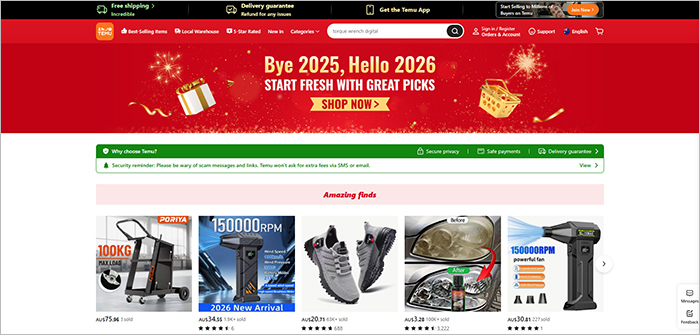
Temu’s broad range of products and cheap prices are quickly visible on its website.
Poor treatment of workers?
But there have been more critical suggestions put forward for why the prices on Temu are so low.
In recent years, labour rights organisations and reports written by political inquiries overseas have argued that there’s a high risk that at least some products sold on Temu are made with forced labour.
Temu denies allegations it sells products made with forced labour and says it requires third parties to follow a code of conduct barring all forms of involuntary labour
In October last year, Australia’s government-appointed Anti-Slavery Commissioner raised concerns that e-commerce platforms like Temu weren’t reporting (or being required to report) what they’re doing to assess and address the risk of forced labour in their supply chains.
Temu has denied allegations it sells products made with forced labour. The company says it requires third parties doing business with it to follow a code of conduct which bars all forms of involuntary labour.
Temu has also told CHOICE it plans to voluntarily submit a Modern Slavery Statement covering its activities in 2025 to the Anti-Slavery Commissioner this year.
Our survey of over 200 Temu users last year – and our experience of buying products from the site ourselves – has given us an insight into what it’s like to shop on Temu.
While we can confirm that Temu does deliver the goods it advertises at the prices promised, there are things to watch out for when using the platform.
Temu shoppers give their verdict
Most of the Temu customers we surveyed had bought home or kitchen items (73.3%) or clothing (72.9%). Other popular purchases included jewellery and accessories and art and craft items (both 41.9%) and shoes or pet supplies (31.9%).
Of the shoppers we surveyed, 80% said they were satisfied with what they had bought.
“You get what you pay for” was a common verdict among customers, many of whom felt the quality of the items they’d bought had been in line with their expectations – which were often low.
A large number of users felt empowered by Temu’s refund process – the ease with which they could get their money back when a product wasn’t fit for purpose or as described meant they were happy to keep buying from the platform.
Almost 79% of respondents said they would buy from Temu again and 71% said they would recommend it to others. But some shoppers have had negative experiences.
Text-only accessible version
CHOICE survey of Temu shoppers
Happy customers:
80% were satisfied with what they bought
79% would buy from Temu again
71% would recommend Temu to others
“You get what you pay for” – a common verdict among Temu customers
Issues mentioned by some shoppers:
Poor quality of goods
Fear of unsafe electronics
Misleading product images and descriptions
Too many games and notifications
Poor quality packaging leaving products damaged
Concerns for worker conditions and environmental impact
NOTE: CHOICE surveyed 209 people who had purchased through Temu. Survey conducted August–September 2025.
Customers often called out the poor quality of goods sold on Temu (especially clothing) or complained that products didn’t match the descriptions or photos accompanying their listing on the platform.
A few also shared concerns about the safety of particular categories like electronics or the conditions of the workers who make the products sold on Temu.
Others complained about poor-quality packaging, which they said had left items damaged after delivery.
A number of users nominated the experience of using Temu’s website and app as a cause for irritation, saying they were fed up with the number of games interrupting their use of the platform.
Some shoppers also found it hard to buy enough products to meet Temu’s minimum spend requirements or were unhappy with the number of notifications they’d received after using the service.
However, the majority of survey respondents still had a positive experience with Temu, with over three-quarters saying they’d shop there again.
Scrutiny leads to improvements: Our experience with Temu
Since its launch in Australia, we’ve kept an eye on Temu and how it serves consumers, buying several products from the platform to gauge the service it provides.
In the past, we’ve called out tactics deployed by the company across its platform which put pressure on shoppers to make a purchase.
Soon after Temu’s Australian launch, we noted its site and app came with multiple scarcity cues, such as free shipping countdown timers (that would reset after hitting zero) and numerous alerts warning that items were “almost sold out” or were already in a lot of other shoppers’ carts.
Since pointing these out as examples of unfair website ‘dark patterns’ – deceptive tactics designed to make you spend more than you intend – we’ve noticed fewer of them appearing on Temu.
Discount claims wound back after questions from CHOICE
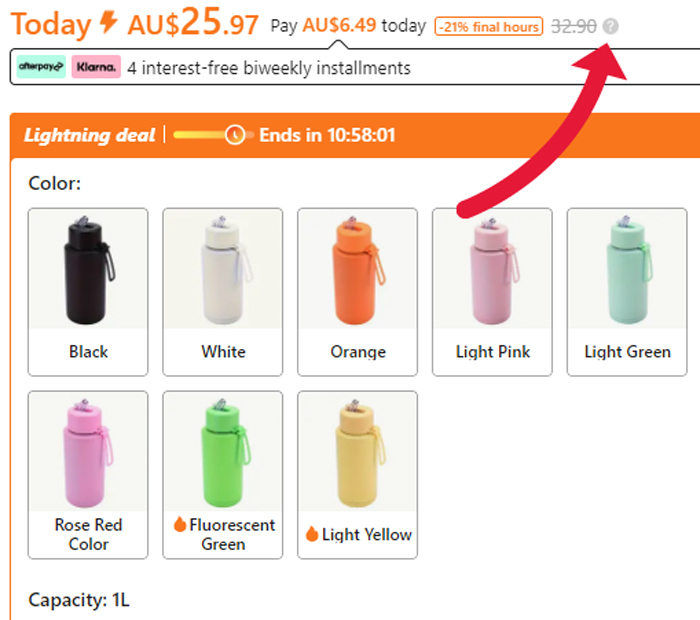
Temu reduced strikethrough displays and added disclaimers after we questioned them.
Our scrutiny has also led Temu to change the claims it makes about discounts on its products.
Previously, we noticed many of the prices listed on the platform were accompanied by “strikethroughs” suggesting the relevant products usually sold for much more. But when asked, Temu didn’t provide any information on when these products had ever been sold for those higher prices on its website.
The ACCC says these sorts of markdown displays can be misleading if the retailer hasn’t sold the item at the strikethrough price for a reasonable period of time before the sale started.
Since drawing attention to this, we’ve noticed Temu appears to have reduced the number of strikethrough displays on its site.
Remaining markdown displays now come with a disclaimer saying they’re based on the “most common price” at which the product was listed by the relevant seller on Temu’s Australian platform within the past 60 days.
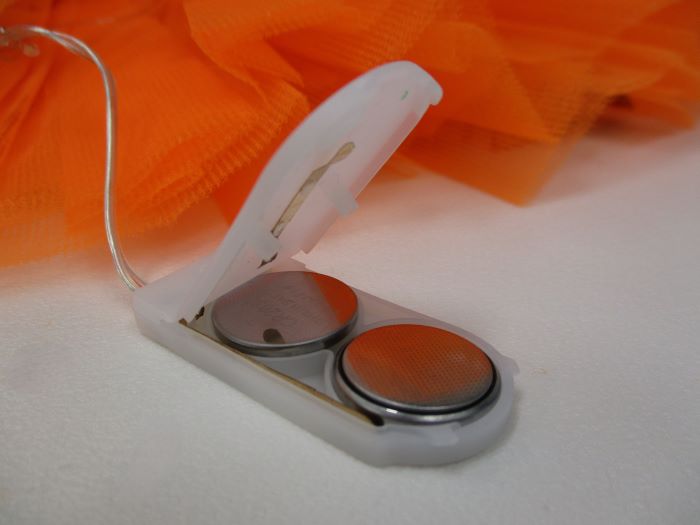
We found products sold on Temu with easily opened battery compartments that pose a risk to children.
Temu removed these items from sale after we alerted it to our findings and it certainly isn’t the only international marketplace falling short in this regard – our testing also uncovered potentially dangerous toys on eBay, AliExpress and Amazon.
And we’re not alone – almost 16% of the Temu shoppers we surveyed said they had been concerned about the safety of something they had bought through the platform.
Respondents reported being sent toys whose parts posed a choking hazard, clothing and household goods that appeared flammable, unstable furniture, and materials that came with a strong chemical smell which they were worried could harm their health.
A number of customers were also sceptical of the safety of electrical items sold through Temu and some said they would avoid buying these in the future.
16% of the Temu shoppers we surveyed said they had been concerned about the safety of something they had bought through the platform
Temu has previously told us it promptly removes non-compliant products, but we’re calling on the company to sign up to the ACCC’s voluntary Product Safety Pledge.
Signatories, including other online marketplaces like eBay, AliExpress and Amazon, have committed to taking steps to prevent and remove unsafe products appearing on their platforms and to report on their progress in this endeavour.
While Temu hasn’t signed this pledge, it has added its name to a scheme to crack down on the sale of non-compliant communications devices established by the Australian Communications and Media Authority.
Temu has been accused of selling products made with forced labour. Some Temu shoppers have previously told us they’re concerned about the implications Temu’s cheap prices have for the workers making the products.
Others fear the easy availability of such cheap products is damaging the environment.
Temu has previously told us that accusations of forced labour are “completely ungrounded” and that its standards and practices on the issue are in line with other e-commerce platforms.
Artists in countries where Temu operates have also accused the company of hosting sellers who have ripped off their work.
Temu says anyone who believes their intellectual property (IP) is being infringed upon by a seller on the platform can let it know via its dedicated IP infringement report portal. The company says it will remove alleged infringing material when provided with a report that complies with its policies.
Several consumers we surveyed who’ve used Temu in the past told us they’re uneasy about returning to the platform due to concerns the company might be stealing their data or that it may have poor privacy controls.
A look at Temu’s privacy policy reveals it collects the kind of information we’re regularly asked to give away when shopping online, such as contact details and shipping addresses.
Temu’s privacy practices appear to be similar to those of other platforms.
It also collects details on the device you’re using, your IP address and approximate location, as well as information about your interactions with the games that are ubiquitous on its app.
You have to create an account to buy from Temu, but users also have the option of signing in via an existing social media profile or their Google account. If you do this, Temu will collect information on your profile on these platforms, including your photo, username and email address.
If you come to Temu via an online advertisement, it will collect data on that interaction, too.
CHOICE tip: To limit how much information you share with Temu, experts have recommended not using your social media profile or Google account to sign into its app or website.
Temu says any data you share with it is “safeguarded” and “encrypted”, but like other e-commerce businesses, it will share at least some of your information with subsidiaries and affiliates where necessary to deliver its services.
These include its advertising and business partners, who may in turn use that information to target you for advertising.
As a marketplace hosting multiple sellers, Temu may also share some of your information with any of the merchants on its platform who you buy products from. This will include your shipping address and contact details, but not your payment or device information.
Temu has previously told CHOICE that users in Australia have the right to access, delete or correct information held on them, but that it retains “some necessary data in accordance with local laws and audit requirements”.
Liam Kennedy is a Journalist with the Editorial and investigations team. He answers consumers' most burning questions, from which scams to be aware of and how to save money, to whether new services and products are worth using and how the latest developments in consumer news could affect them.
Prior to CHOICE, Liam worked in production in daily news radio and podcasting.
Liam has a Bachelor of Communication (Journalism) and a Bachelor of Arts in International Studies from the University of Technology Sydney. LinkedIn
Liam Kennedy is a Journalist with the Editorial and investigations team. He answers consumers' most burning questions, from which scams to be aware of and how to save money, to whether new services and products are worth using and how the latest developments in consumer news could affect them.
Prior to CHOICE, Liam worked in production in daily news radio and podcasting.
Liam has a Bachelor of Communication (Journalism) and a Bachelor of Arts in International Studies from the University of Technology Sydney. LinkedIn
For more than 60 years, CHOICE has been fighting the good fight for Australian consumers.
In the past year alone we've uncovered systemic issues with sunscreens, investigated shonky supermarket pricing, fought for stronger scam protections and helped make complex energy pricing fairer and clearer.
CHOICE is here to provide unbiased advice and independent testing in our world-class labs. We buy the products we test, just like you do, and our expert reviews are influence free. We’re here to help you choose smarter. Hopefully you’ll also save some money along the way.
Thanks to CHOICE, you’ll never be alone when a business treats you unfairly. You can support our work by joining or donating to our cause.