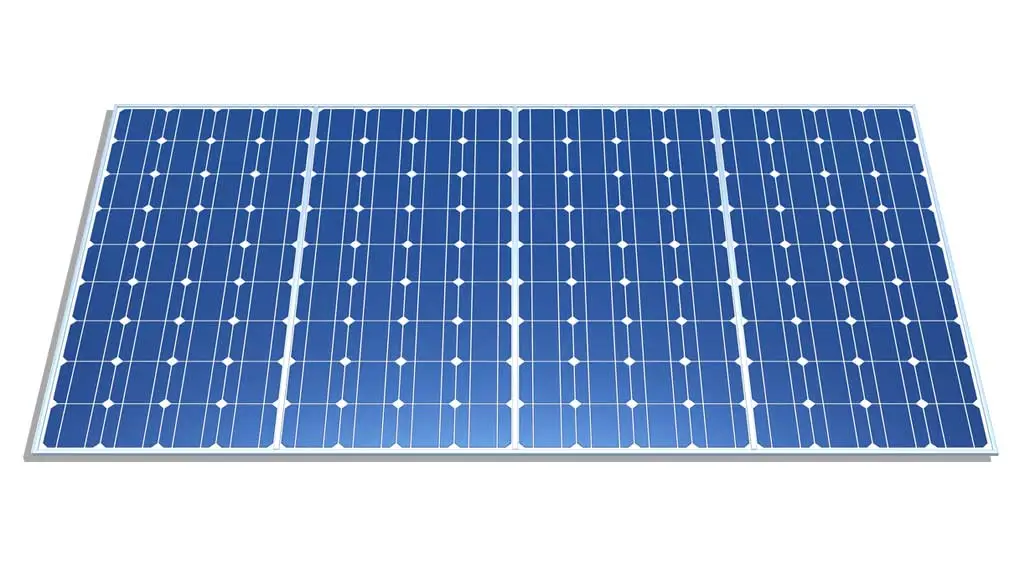
After a slow start, the solar revolution is buzzing right along in Australia. Around 4.4 million homes now have a solar system on the roof, which is a lot more than the 132,697 of 10 years ago.
Household arrays produced 14.2% of the energy supplied to the electricity grid in 2025, almost double the amount of five years earlier.
The public interest in solar has rapidly picked up pace as various state and federal subsidies have been rolled out.
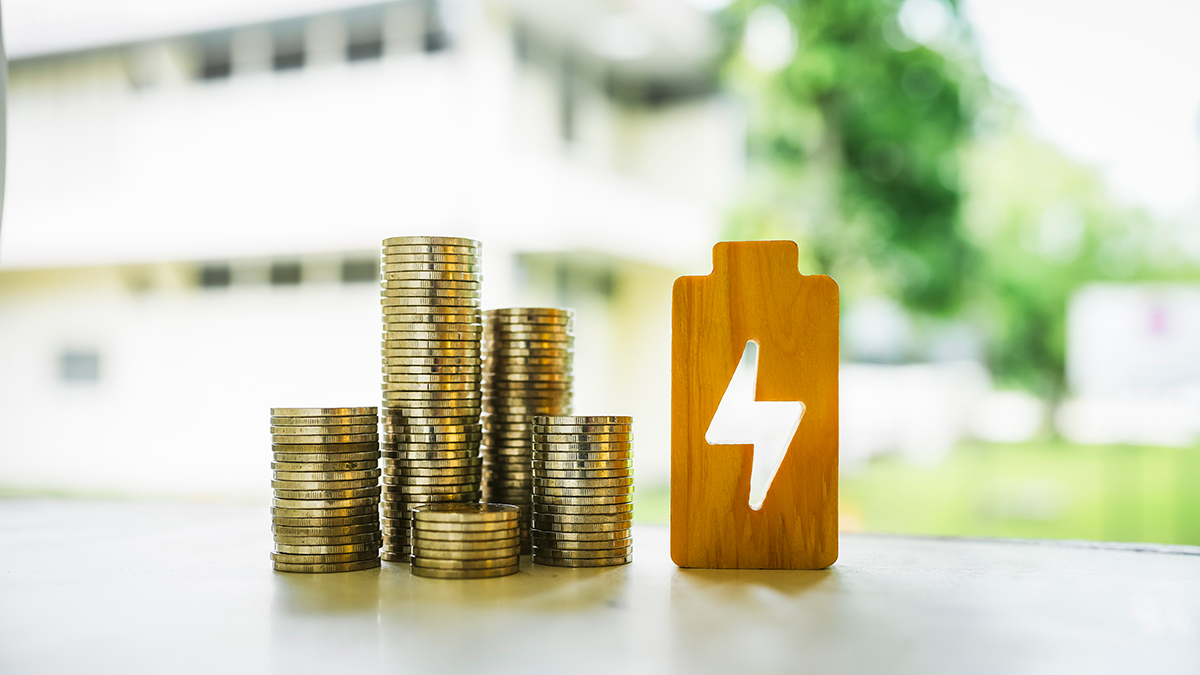
As of 19 May this year, 343,874 solar batteries had already been installed under the federal government’s Cheaper Home Batteries Program, which was launched in July 2025.
Households with solar save about $1500 a year on their energy costs, so it’s no surprise that more and more people are jumping on board.
“Australia’s rooftop solar uptake is a national triumph and now accounts for 28.3 GW of installed capacity, eclipsing that of the country’s entire fleet of coal-fired generators”, Clean Energy Council chief executive Jackie Trad said in February.
Australia’s rooftop solar uptake is a national triumph and now accounts for 28.3 GW of installed capacity, eclipsing that of the country’s entire fleet of coal-fired generators
Clean Energy Council chief executive Jackie Trad
“It not only leads our national renewables rollout but also leads the rest of the world on a per capita basis.” (A gigawatt, or GW, equals 1 billion watts.)
“[Australians] have long had an appetite for energy independence to drive down bills and as a result have been adopting solar and battery technology at record pace for the last several years,” Trad said, adding that recent government home battery programs “have strapped a rocket to this momentum”.
It’s exciting times, except for around half of households in Australia, who face big obstacles.
A recent report from Energy Consumer Australia (ECA) points out that 33% of Australians rent their homes and have little control over which power sources come with them.
A further 7% are owner-occupiers living in apartments, where strata rules can throw a spanner into any attempt to install a solar system.
Then there’s the 10% of Australians who have a household income below $50,000, making it a long shot to purchase solar equipment, even with government subsidies on offer.
“Our data shows that millions of households are being locked out of the solar and battery revolution,” says ECA executive manager for analysis and advocacy, Ashley Bradshaw.
As a stopgap measure, the advocacy group is calling on state and territory governments “to urgently introduce minimum energy performance standards for rental properties, so renters can reduce their energy bills and improve their comfort and wellbeing, even if they cannot access solar or batteries directly”.
.
Why we've partnered with SolarQuotes

We've partnered with SolarQuotes to help you find and buy the right solar, battery, heat pump and EV charger. While we make money if you use SolarQuotes to find an installer, this doesn't influence our ratings. 100% of the money we make goes directly back into our nonprofit mission.
How does the Solar Sharer Offer fit in?
Starting in July this year, the federal government’s new Solar Sharer Offer (SSO) will be available to households in NSW, South Australia, and South East Queensland, where the Default Market Offer applies. (The DMO is a regulated price – or “safety net” – designed to protect energy customers who passively accept their retailer’s default plan.)
Households with or without solar power are eligible as long as they’re equipped with a smart meter, including households that rent.
Under the program, energy retailers with more than 1000 customers will be required to offer a minimum of three hours of free electricity in the middle of the day, when solar power generation reaches its height. SSO offers are optional and will be available from your retailer. Free power usage will be capped at 24kWh per day.
Energy retailers with more than 1000 customers will be required to offer a minimum of three hours of free electricity in the middle of the day
In NSW and South East Queensland, the SSO plans on offer will include free electricity from 11am to 2pm, and in South Australia from 12pm to 3pm.
The goal for regulators is for energy customers to help use up all the excess solar power generated during the daytime.
In a consultation paper submitted to the federal government in December last year, ECA called for the SSO to be supported by “careful design and implementation”.
“This will not be achieved if costs are simply shifted to other times or other parts of the bill,” ECA wrote.
ECA also called for price guarantees “to ensure consumers do not end up paying more if they move to the SSO”.
Between those who can’t easily access or afford solar and those who already have it lies a large segment of the population that is still thinking about it.
“There remains a massive, untapped appetite for small-scale energy in Australia,” Bradshaw says.
“Our data reveals that 15% of Australian homes do not face these major barriers and are currently researching solar, while another 23% say they are interested in getting a battery. These aren’t households locked out by apartment living or rental agreements, these are families ready to invest right now.”
Households that have yet to embrace solar ‘should have tailored, trusted, and well-publicised advice and support to make better energy decisions…’
ECA executive manager for analysis and advocacy, Ashley Bradshaw
The hesitation can be linked to a limited understanding of the costs and benefits. Bradshaw says households that have yet to embrace solar “should have tailored, trusted, and well-publicised advice and support to make better energy decisions, including the purchase of a battery”.
He cites the efforts of Victoria’s State Electricity Commission, which recently launched a free advice service, Easy Electric SEC, to help households dispense with gas and go all-electric, including through solar technologies.
“We think all Australians deserve such advice and we encourage all governments to fund similar services.”
But getting rid of gas isn’t any easier than taking up solar if you’re a renter of a living in an apartment, as ECA made clear in an earlier report.
The technical obstacles to Australia fulfilling its geographical destiny of being fueled by the sun are dropping away day by day.
But the bigger hurdles seem to be socioeconomic, and they may be the hardest ones to overcome.
Andy Kollmorgen is the Investigations Editor at CHOICE. He reports on a wide range of issues in the consumer marketplace, with a focus on financial harm to vulnerable people at the hands of corporations and businesses. Prior to CHOICE, Andy worked at the Australian Securities and Investments Commission (ASIC) and at the Australian Financial Review along with a number of other news organisations. Andy is a former member of the NSW Fair Trading Advisory Council. He has a Bachelor of Arts in English from New York University. LinkedIn
Andy Kollmorgen is the Investigations Editor at CHOICE. He reports on a wide range of issues in the consumer marketplace, with a focus on financial harm to vulnerable people at the hands of corporations and businesses. Prior to CHOICE, Andy worked at the Australian Securities and Investments Commission (ASIC) and at the Australian Financial Review along with a number of other news organisations. Andy is a former member of the NSW Fair Trading Advisory Council. He has a Bachelor of Arts in English from New York University. LinkedIn
For more than 60 years, CHOICE has been fighting the good fight for Australian consumers.
In the past year alone we've uncovered systemic issues with sunscreens, investigated shonky supermarket pricing, fought for stronger scam protections and helped make complex energy pricing fairer and clearer.
CHOICE is here to provide unbiased advice and independent testing in our world-class labs. We buy the products we test, just like you do, and our expert reviews are influence free. We’re here to help you choose smarter. Hopefully you’ll also save some money along the way.
Thanks to CHOICE, you’ll never be alone when a business treats you unfairly. You can support our work by joining or donating to our cause.