Look younger! Reduce wrinkles! Restore your youthful glow!
The messaging around beauty and skincare – especially for women – is everywhere. Whether we’re scrolling social media, watching TV at home or browsing a department store, the sheer amount of products being promoted to us that promise a miracle can be overwhelming.
The popularity of beauty products in Australia is clear – the Australian skincare industry was valued at $1.3 billion in 2022. If you’re someone who buys dozens of products every year, or you’re splurging hundreds of dollars on luxury skincare, you probably want to know whether the products are actually doing what they say they’ll do.
Our testing looked at how well the selected products performed at reducing wrinkles and locking in moisture
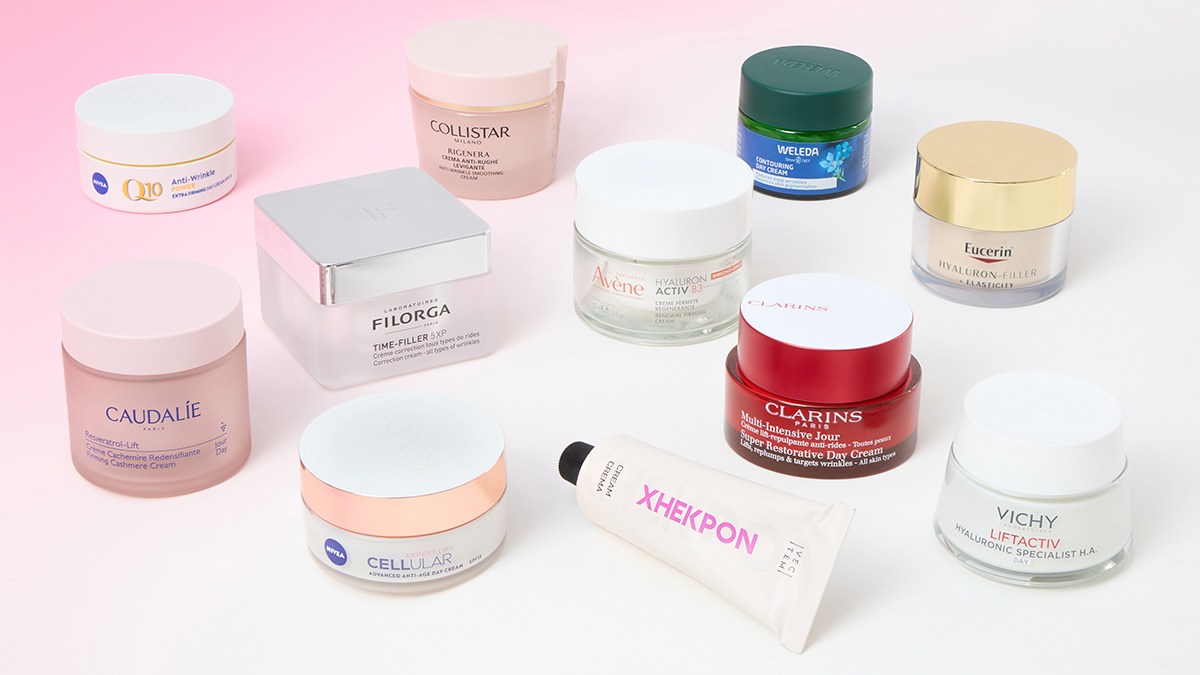
With so many different ingredients and promises being made, it can be difficult to figure out which anti-ageing products are worth buying. To help, we decided to put 11 anti-ageing creams to the test.
Our testing looked at how well the selected products performed at reducing wrinkles and locking in moisture to keep skin hydrated. The results show that price is not always an indicator of performance, and you don’t need to spend big money in order to get results.
However, six of the 11 products tested got an overall score below 60%, with some brands that promise to reduce the appearance of wrinkles performing poorly.
Note that the prices quoted are what we paid for each product – prices can vary significantly according to specials.
Overpromise and under deliver
Our testing revealed select products from Weleda, Eucerin, Avène and others are below par when it comes to reducing wrinkles. Of the 11 anti-ageing creams we tested, Weleda’s Contouring Day Cream – Blue Gentian & Edelweiss had the lowest CHOICE Expert Rating (our overall score) of 43% ($35.96/40mL).
The packaging promises that it “reduces deep wrinkles”, but our lab results gave it a wrinkle reduction score of 24%.
In our lab testing, the Eucerin Hyaluron-Filler + Elasticity Day Cream SPF 30 was the lowest scoring when it came to wrinkle reduction, scoring just 20% on this metric ($57.34/50mL). It was better at keeping skin moisturised though, which lifted its overall score.
The Avène Hyaluron Activ B3 Renewal Firming Cream also underperformed with an overall score of 51% ($50.99/50mL). Despite the packaging stating it “reduces the appearance of wrinkles”, our independent testing found it had poor performance in the area.
Text-only accessible version
Lowest scoring anti-ageing creams in our testing
Weleda Contouring Day Cream – Blue Gentian & Edelweiss (43%)
Eucerin Hyaluron-Filler + Elasticity Day Cream SPF 30 (45%)
Thirty people were asked to test 11 products that were being marketed as anti-ageing skincare.
Each participant’s skin was assessed before and after 28 days of using the product to measure wrinkle reduction and moisturisation. We also asked them about their user experience and skin feeling to help determine the final overall score.
Our testers were all females aged between 40 and 65 years old with mild to moderate crow’s feet. Each product we tested was applied to half of the participant’s face, with a base cream applied to the opposite side.
This 3D scan shows the effect one of the highest-rated products had at reducing crow’s feet wrinkles.
Wrinkle reduction
We assessed wrinkle reduction by using a Primos machine, a device that takes a 3D measurement of the skin surface and evaluates wrinkle depth, volume and skin roughness.
Wrinkle depth is measured and recorded at the beginning and end of the trial, to calculate any changes to the participant’s crow’s feet.
Moisturisation
A Corneometer was used to measure the level of skin hydration of our participants before and after 28 days of use. This device evaluates skin hydration by measuring the ability of the outermost layer of the skin to store an electrical charge.
We took this measurement at five different points of the cheek and determined that more moisture equalled greater effectiveness.
Testing also took the participants’ personal experience into consideration – such as how greasy or sticky their skin felt after application, how easy each cream was to get out of the container, its fragrance and the packaging’s environmental impact.
Among the 11 anti-ageing creams tested, the top performing product had an overall score of 73%. But this particular cream comes with a high price tag – you’ll be looking at investing $1947 a year if you use the product to the pack’s recommendations of twice per day. The price calculation is based on 1.54mL per use, or just over 1/3 teaspoon.
If wrinkle reduction is your main concern, the product that scored the best for this metric was one of the most expensive products tested, and would cost just over $1500 for a year’s use, but our testing did find some cheaper alternatives that performed well.
CHOICE spoke to Dr Anes Yang, a Fellow of the Australasian College of Dermatologists about the complex industry of anti-ageing. “‘Anti-ageing’ is a genuinely complicated concept, because ageing itself has several largely independent facets,” she says.
She says factors at play include bone structure changes, fat pad loss, ligament laxity, skin quality changes, loss of collagen, loss of elastin, increased pigmentation and increased visible blood vessels.
“Most skincare only ever targets one or two of these – usually collagen/elastin and pigmentation – and most use skin hydrating or smoothing ingredients to temporarily mask fine lines rather than really ‘anti-ageing’,” Dr Yang says, “which is worth keeping in mind whenever a product claims to ‘reverse’ ageing”.
The only ingredient class with solid evidence for actually increasing collagen production is retinoids
Dr Anes Yang, Fellow of the Australasian College of Dermatologists
When it comes to ingredients, Dr Yang says that some ingredients are better than others. “The only ingredient class with solid evidence for actually increasing collagen production is retinoids. Retinol, and at prescription strength, tretinoin,” she says.
But she stresses that ageing is continuous, and no product will pause the process. “Skincare’s role isn’t to ‘reverse’ ageing, it’s mostly maintenance. A retinoid presses the ‘slow down’ button, not the ‘reverse’ button.”
Before anyone spends a cent on anti-ageing products, they should be protecting themself from the sun
Professor Deshan Sebaratnam, The Skin Hospital
Professor Deshan Sebaratnam, dermatologist at The Skin Hospital spoke to CHOICE about sun damage and its role in the ageing process.
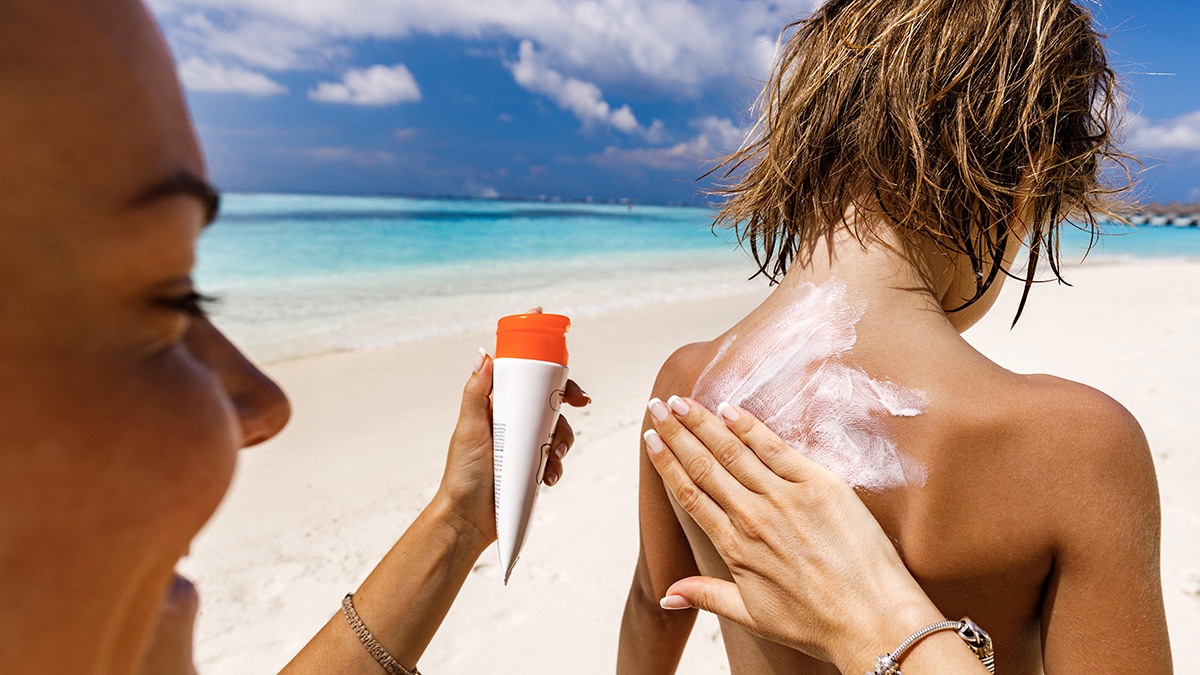
“The first thing to say is that prevention is better than a cure and before anyone spends a cent on anti-ageing products, they should be protecting themself from the sun,” Professor Sebaratnam says.
“Ultraviolet radiation causes wrinkles, age spots, broken blood vessels not to mention skin cancer, so the most important thing you should be applying to your skin is sunscreen in combination with sun smart clothing and staying out of the sun during the middle of the day.”
Want to know which products actually work? Our full anti-ageing cream test results are available exclusively to CHOICE members.
You can join CHOICE to get access to all of our independent reviews, or current members can log in now to unlock the article and learn more about the top scoring products.
Jasmine Gearie is a content producer at CHOICE. She writes about a range of topics including skincare, household appliances and supermarket trends – always with an eye on helping consumers make better-informed choices.
Before joining CHOICE, Jasmine covered personal finance for Mozo and consumer tech at TechRadar.
Jasmine has a Bachelor of Communication (Journalism and Public Relations) from the University of Newcastle. LinkedIn
For more than 60 years, CHOICE has been fighting the good fight for Australian consumers.
In the past year alone we've uncovered systemic issues with sunscreens, investigated shonky supermarket pricing, fought for stronger scam protections and helped make complex energy pricing fairer and clearer.
CHOICE is here to provide unbiased advice and independent testing in our world-class labs. We buy the products we test, just like you do, and our expert reviews are influence free. We’re here to help you choose smarter. Hopefully you’ll also save some money along the way.
Thanks to CHOICE, you’ll never be alone when a business treats you unfairly. You can support our work by joining or donating to our cause.