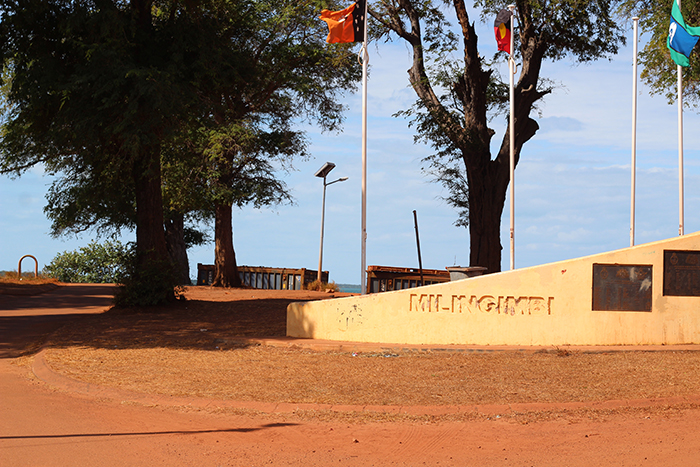
The only grocery store in Milingimbi, Northern Territory closes every day from midday to 1pm as the morning staff finish and the afternoon staff are yet to arrive. During that hour, residents of the small Aboriginal community sit on a bench in the shade outside the store waiting for it to reopen.
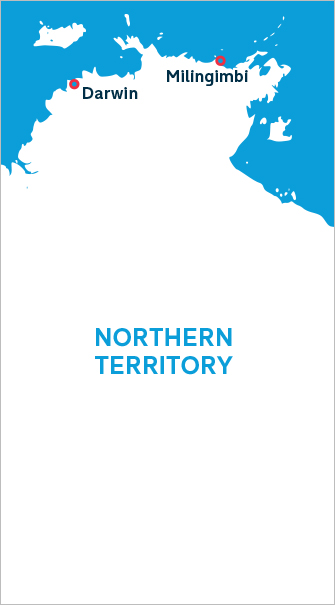
Milingimbi is in East Arnhem Land, Northern Territory.
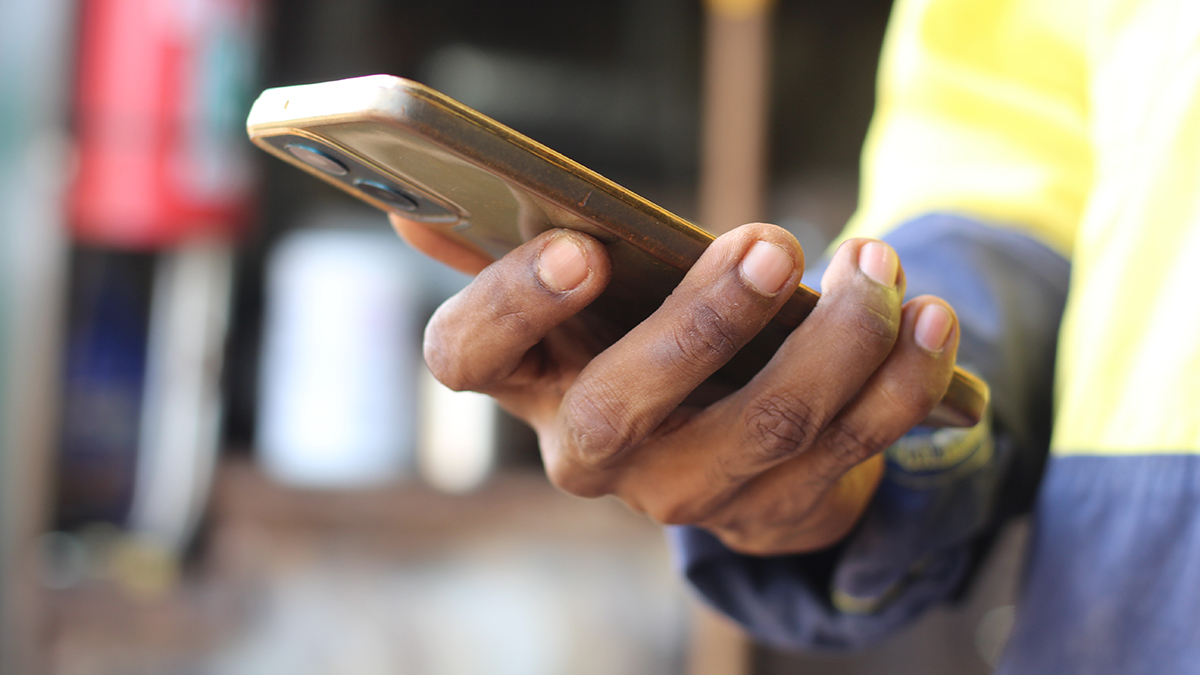
Almost everyone is on their mobile phone.
While mobiles are common across the community, they are, as in many remote First Nations communities, entirely reliant on Telstra for service. There is no industry competition here. It leaves the residents exposed to network outages and ongoing poor infrastructure, which means the network is often congested and slow.
“Some days the phone is good, other days it is no good. It’s the same for everyone here,” Yolnu man Benjamin says.
When CHOICE visited Milingimbi in June 2026, we recorded mobile data download speeds consistently around 320Kbps on the Telstra network. That’s over 350 times slower than the average mobile download speed in a capital city in Australia. You would typically need download speeds of around three times what we found in Milingimbi to stream a standard definition Youtube video.
The lack of reliable internet connection doesn’t just affect scrolling for leisure. Community service workers report that the lack of reliable connectivity cuts people off from essential services such as banking and government agencies, which have no physical presence in the community.
Yolnu man Benjamin says Telstra service in the community is unreliable.
Accessing services a real issue
Joy Mason, a financial counsellor at Anglicare NT, regularly flies in and out of the community of Milingimbi to help residents connect to these services, as well as offering other assistance.
She says at times the slow internet connection makes her job almost impossible.
“When it’s slow you’ve got people just sitting there. I’ve had 20 people lining up waiting for help. Then it just drops out,” Mason says.
“Sometimes Telstra goes out for days on end and there is no connection. I can’t do any work, can’t do anything to help.”
Sometimes Telstra goes out for days on end and there is no connection
Joy Mason, Anglicare NT
But the digital divide between remote First Nations communities and metropolitan areas isn’t just about poor quality of service. The high costs of telco post-paid plans, which most of the town’s residents have no choice but to use, is also a major factor.
Mason says many residents share phones when data runs short, making everyday digital activities such as getting two-factor authentication codes sent to the right number to log on to online banking or a MyGov account difficult at best.
At the Milingimbi Community Store, run by the Arnhem Land Progress Aboriginal Corporation (ALPA), Telstra packaged phones are on sale for jarringly inflated prices.
When CHOICE visited in June we found a Samsung Galaxy A17 5G 125GB on sale for $385.99. That same day the exact same phone was on sale on Telstra’s website for $299.
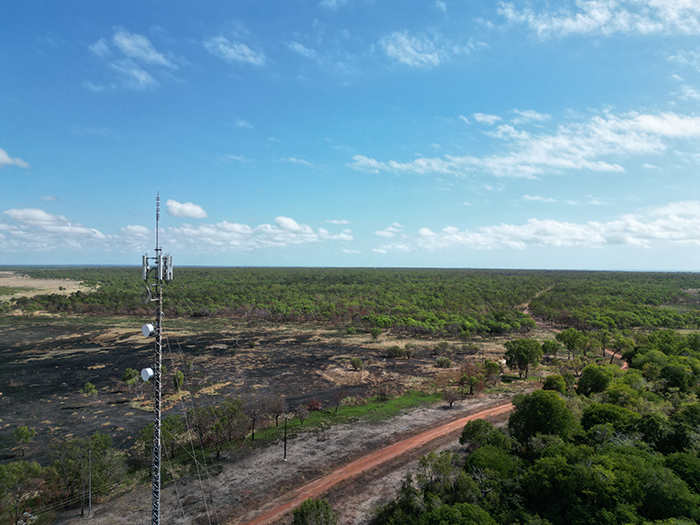
Milingimbi, NT
Milingimbi mobile phone tower
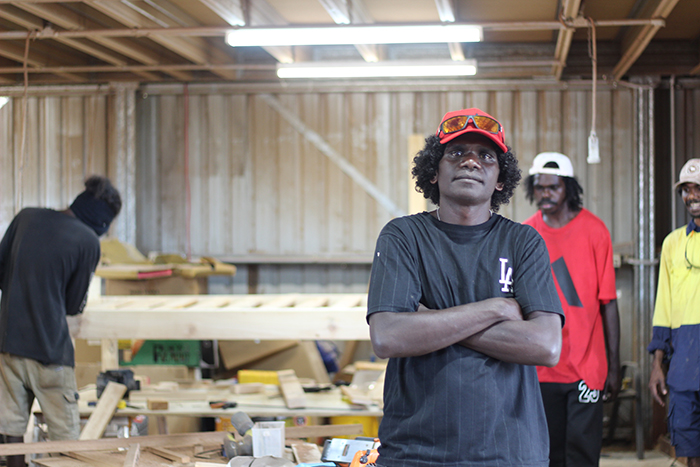
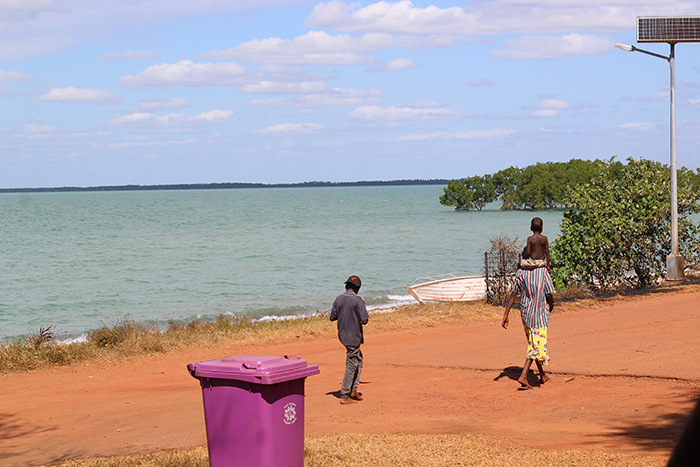
Three Milingimbi residents walking along shore
Telstra responds
Telstra tells us that $299 was a promotional price and that the phone usually sells for $349. The telco did not explain why the price at the ALPA store was still higher.
“We also work with a partner organisation who has wholesale relationships with smaller retailers, including community stores in the NT. We’re looking at ways to ensure customers who purchase a device at these stores can do so at the same prices we offer.”
ALPA declined to comment on the price discrepancy.
When asked about the ongoing connectivity issues facing the community of Milingimbi and outages last year that left people unable to make emergency phone calls for days on end, Telstra acknowledged an “equipment failure” in July and August 2025.
“Delivering reliable mobile connectivity in remote locations can be difficult. Faults or equipment damage can take longer to repair compared to metro locations, and expanding coverage often requires co-investment partnerships with government,” the spokesperson says.
“While we fixed that specific fault and upgraded the capacity, we recognise that network congestion in the area remains an issue, particularly for devices that are unable to take full advantage of all available network capabilities.”
Digital divide around Australia
The telecommunications issues in Milingimbi are far from unique to that community.
The Australian Digital Inclusion Index maps and tracks the issue of digital connectivity nationally, and the 2025 report highlights the major digital gaps that exist between First Nations and non-First Nations people, particularly those living in remote areas.
Remote First Nations consumers had a digital inclusion score 22.5 percentage points lower than the national average. The gap between the general population and remote First Nations consumers in terms of digital access was even larger than the gap for those over the age of 70. This score takes into account service availability and also affordability.
Remote First Nations consumers had a digital inclusion score 22.5 percentage points lower than the national average
Alex Price-Busch, a financial counsellor at Indigenous Consumer Assistance Network (ICAN) says across the remote communities in Far North Queensland, consumers are often left without a connection.
“Telstra outages just happen unexpectedly. It’s not uncommon in a lot of the Cape (York) communities that we work in that people can’t call emergency services for days or can’t complete day to day business,” he says.
“Then you have Telstra and Optus selling people services that they can’t deliver on, selling plans that won’t work in the communities they come from, or devices they don’t need and can’t afford to pay back,” Price-Busch adds.
Both Telstra and Optus have faced significant fines and penalties for misselling to First Nations customers in recent years.
Carol Bennett, CEO of the Australian Communications Consumer Action Network (ACCAN) says there has been a significant lack of investment in improving coverage in remote areas over many years.
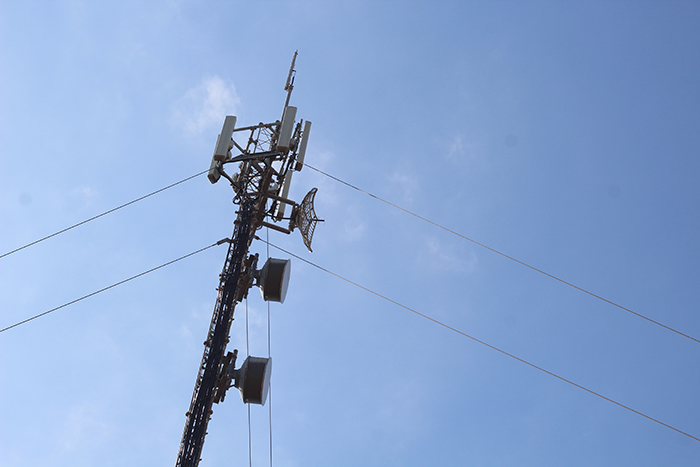
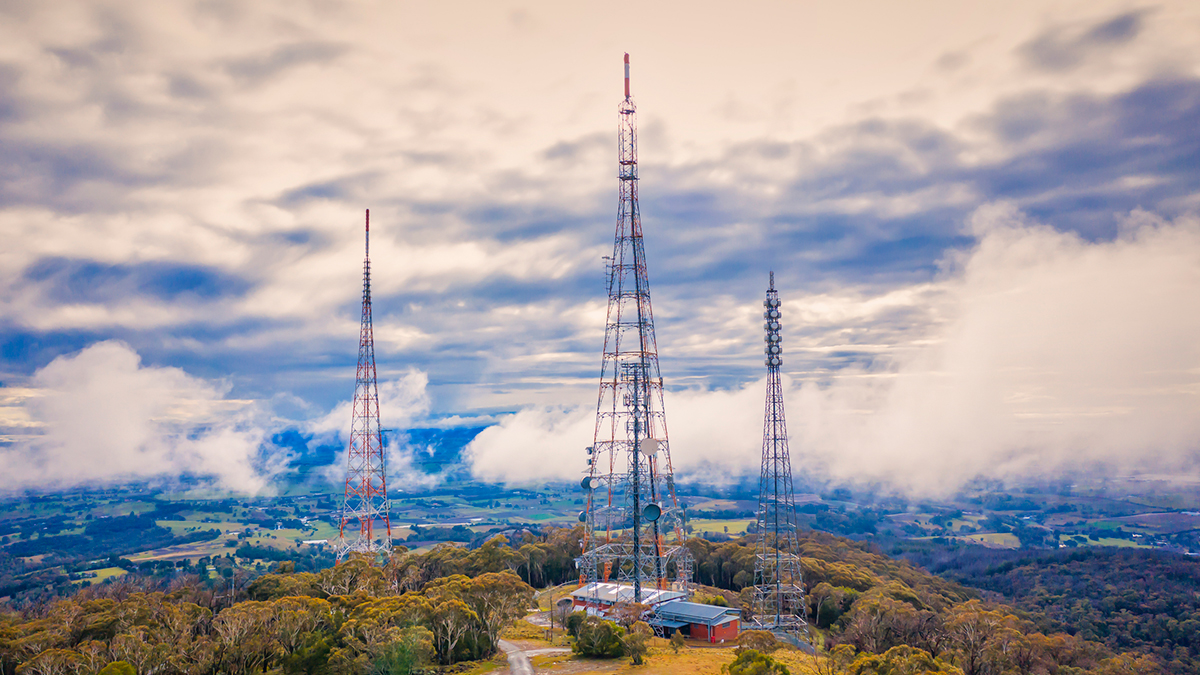
Telstra mobile tower in Milingimbi.
“The rest of the country gets very upset when you don’t have access for a very short period of time, some of these communities hardly have access at all,” she says.
Bennett says telcos need to be regulated and legislated as an essential service by the government to improve and enforce legal mandatory standards for a minimum quality of service.
“At the moment there are no mandatory standards. Telstra simply can decide what is commercially viable to invest in and what isn’t,” she says.
“A lot of this is about public interest and not allowing shareholder interest to dominate something that is an essential service. We shouldn’t allow the market to fail, it’s just not acceptable.”
Daniel Featherstone from RMIT was the lead researcher on the Mapping the Digital Gap 2025 report, for which Telstra was one of several sponsors. He says investment in ongoing improvements to the network in remote areas is difficult and that many of the technologies traditionally relied on are nearing the end of their lives.
“This issue needs ongoing and consistent government investment. The idea that the market is going to fix these issues on its own just doesn’t pan out in these really remote areas,” he says.
In Milingimbi, some of the non-First Nations residents of the town, along with some of the service providers have invested in Starlink satellite internet systems, run by Elon Musk’s SpaceX company.
These systems generally deliver a better quality internet connection, however due to relying on satellites they can be weather dependent and struggle in the monsoon season.
It’s just increasing the gap between the whitefellas and the Yolnu mob
Milingimbi service worker
They are also more expensive than a Telstra plan, with the cost acting as a major hurdle for many of the community’s residents.
“It’s just increasing the gap between the whitefellas and the Yolnu mob,” one local service worker says.
Featherstone says it’s more important than ever for the government to continue investing in remote connectivity and new technologies and not to use the introduction of technologies like Starlink as an excuse to step back.
“The next challenge is whether we are going to move forward to something that’s a robust and reliable technology, or whether we’re going to have a patchwork of providers providing different types of services without any sort of coordinated model,” he says.
“We need to invest to ensure that the services that are provided in remote Australia don’t become second or third grade or that they aren’t simply on the whim [of] whatever Elon decides to do on any day,” Featherstone says.
Get the inside story on our investigations, campaigns and the difference they make.
Jarni Blakkarly is an award-winning Senior Investigative Journalist at CHOICE. Jarni has worked for news organisations such as SBS, Reuters, Al Jazeera English, ABC 730, Radio National, BBC World Service and Deutsche Welle.
Jarni won the Walkley Foundation's young journalist of the year student category award in 2016 and was the recipient of a Melbourne Press Club Michael Gordon fellowship in 2022. In 2023 he was a highly commended finalist in the Quill Awards and a winner at the 2024 Excellence in Civil Liberties journalism awards. In 2024 he was elected to serve on the Federal Council (National Media Section) of the MEAA. Jarni has a Bachelor of Communications (Journalism) from the Royal Melbourne Institute of Technology (RMIT).
Jarni Blakkarly is an award-winning Senior Investigative Journalist at CHOICE. Jarni has worked for news organisations such as SBS, Reuters, Al Jazeera English, ABC 730, Radio National, BBC World Service and Deutsche Welle.
Jarni won the Walkley Foundation's young journalist of the year student category award in 2016 and was the recipient of a Melbourne Press Club Michael Gordon fellowship in 2022. In 2023 he was a highly commended finalist in the Quill Awards and a winner at the 2024 Excellence in Civil Liberties journalism awards. In 2024 he was elected to serve on the Federal Council (National Media Section) of the MEAA. Jarni has a Bachelor of Communications (Journalism) from the Royal Melbourne Institute of Technology (RMIT).
For more than 60 years, CHOICE has been fighting the good fight for Australian consumers.
In the past year alone we've uncovered systemic issues with sunscreens, investigated shonky supermarket pricing, fought for stronger scam protections and helped make complex energy pricing fairer and clearer.
CHOICE is here to provide unbiased advice and independent testing in our world-class labs. We buy the products we test, just like you do, and our expert reviews are influence free. We’re here to help you choose smarter. Hopefully you’ll also save some money along the way.
Thanks to CHOICE, you’ll never be alone when a business treats you unfairly. You can support our work by joining or donating to our cause.