This is a call many Australian parents and carers will be joining in the wake of new recalls in New Zealand of unsafe kids’ toys, which feasibly also made their way to the Australian market.
The idea that asbestos is in a children’s toy is terrifying. But this isn’t just about colourful sand. Don’t forget about exploding hoverboards. Mermaid tails that make it hard for kids to keep their heads above water. Bassinets with limb entrapment risks.
Product safety issues are too common in Australia, and it’s far past time that government acted to stop the sale of obviously unsafe products.
Product safety issues are too common in Australia, and it’s far past time that government acted to stop the sale of obviously unsafe products
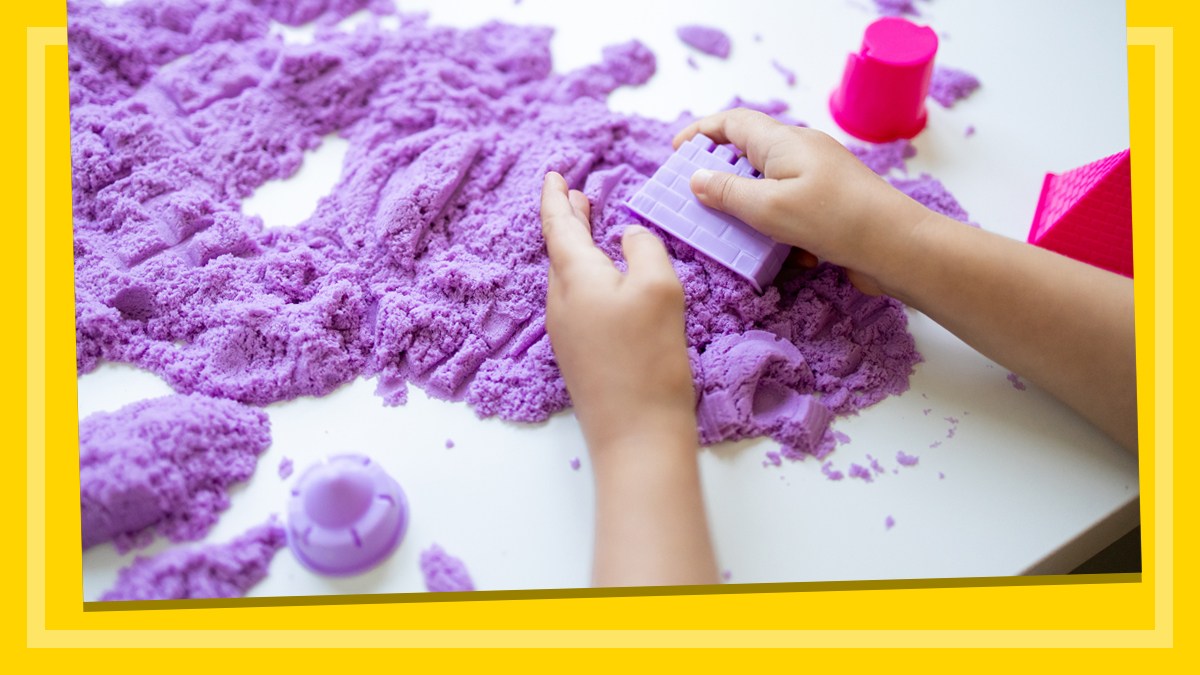
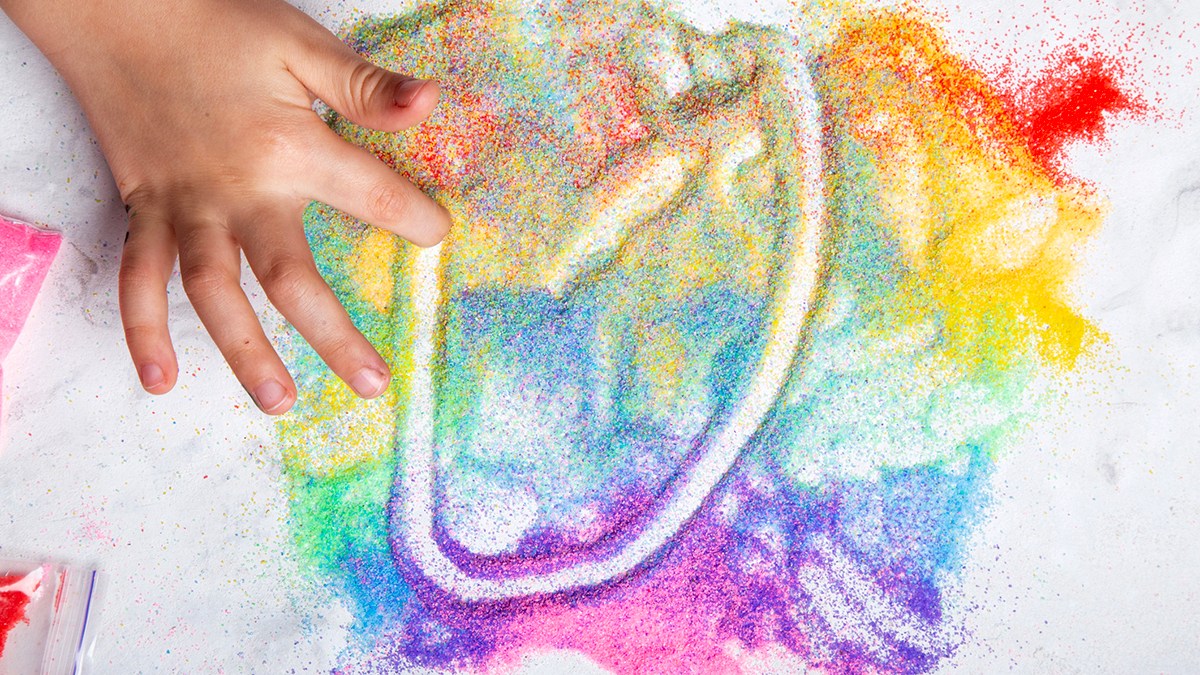
Products with asbestos sand are still being uncovered. Just this week, a range of Faber-Castell kids’ toys were recalled in New Zealand for containing asbestos. There are open questions about whether products in Australia are affected. This follows the recalls since 2025 of asbestos in sand products found across homes and childcare centres. As outlined by the ACCC, the brightly coloured sand may contain tremolite asbestos, a naturally occurring but still dangerous substance that was detected in some lab tests of the product.
The first question people will ask is: how did this happen? How did we end up with asbestos, of all things, in a product made for kids?
The details about the specific sand recall will be revealed in time, but we need to look beyond this one recall. There are big problems with product safety in Australia.
Eight years ago I wrote about product safety issues impacting kids. At the time, there were unsafe items in Christmas bonbons. The summer before there were issues with mermaid tails as a swimming device that increased the risk of drowning for younger children. And the summer before that, exploding hoverboards under the Christmas tree.
This asbestos scare isn’t a one-off. This is a trend.
This asbestos scare isn’t a one-off. This is a trend
Our product safety laws in Australia are, largely, reactive. Generally, businesses do not have a legal obligation to check if products are safe before they are sold, but instead have a responsibility to act once they suspect something is wrong.
There are limited exceptions to this where specific standards apply, and there are meant to be rigorous checks before sale. These mandatory standards are far too narrow. They apply to small numbers of very specific products rather than all items you expect to be safe by default.
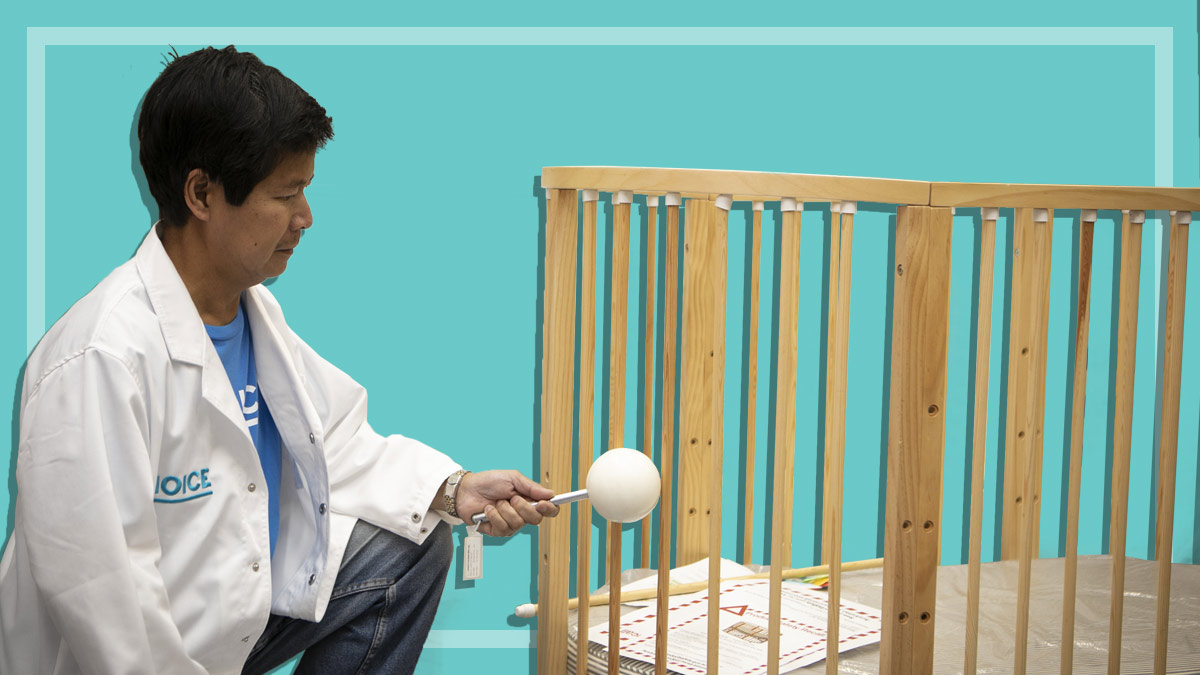
Our mandatory standards system is very slow to respond to real risks. As an example, cots have had a mandatory standard to make sure sleeping surfaces are safe for infants. But for a long time, bassinets and other baby sleep products weren’t covered.
Bassinets regularly fail CHOICE safety tests that reveal risks of limb entrapment, suffocation and choking hazards. New safety standards were introduced to cover bassinets in 2024 but didn’t apply until January 2026. Thanks to CHOICE and other safety advocates, this obvious gap in the system was fixed, but it shouldn’t have taken decades to amend.
Cots and bassinets do exactly the same thing. They should keep babies safe while they sleep. But one had a mandatory standard apply for many years, the other was only covered by our slow and creaky standards system in January. Companies had two generous years to update their products to reduce the risk of death and injury from sleep products.
As well as being too slow to develop and apply, standards are highly technical and can be hard or costly to access. This makes it far too difficult for businesses trying to do the right thing to understand what is required of them.
No one would design a system like this. What Australia needs is a proactive, coordinated approach to safety
In some cases, some products do not have any central government source for recalls information. Despite a major Senate inquiry and significant media attention, pet food recalls fall outside of the current recalls regime. They’re not captured by food recalls or product safety. Pet owners have to rely on industry goodwill and alerts to find out if there’s unsafe food that could seriously harm their furry family members.
No one would design a system like this. What Australia needs is a proactive, coordinated approach to safety. One that is easy for businesses to understand and prevents every product safety failure that it can. When something does go wrong, the recalls should be centrally coordinated, and businesses that have done the wrong thing should face meaningful penalties.
Our product safety regime is making us sick. It’s time for a full system health check on this important law.
Erin Turner is an Australian consumer advocate who served as Director of Campaigns and Communications at CHOICE from 2014 to 2022, before becoming CEO of the Consumer Policy Research Centre. LinkedIn
Erin Turner is an Australian consumer advocate who served as Director of Campaigns and Communications at CHOICE from 2014 to 2022, before becoming CEO of the Consumer Policy Research Centre. LinkedIn
For more than 60 years, CHOICE has been fighting the good fight for Australian consumers.
In the past year alone we've uncovered systemic issues with sunscreens, investigated shonky supermarket pricing, fought for stronger scam protections and helped make complex energy pricing fairer and clearer.
CHOICE is here to provide unbiased advice and independent testing in our world-class labs. We buy the products we test, just like you do, and our expert reviews are influence free. We’re here to help you choose smarter. Hopefully you’ll also save some money along the way.
Thanks to CHOICE, you’ll never be alone when a business treats you unfairly. You can support our work by joining or donating to our cause.