In July this year, a study from the Auckland University of Technology flagged asbestos risks in children’s craft sand products sold in New Zealand
It remains unclear whether the Faber-Castell products sold in Australia have the same risks, but retail notices issued in Australia have been confusing and inconsistent
CHOICE and the Consumer Policy Research Centre are lodging a complaint with the ACCC, urging it to take a close look at how Australian retailers have handled the recalls
Children’s sand products are still being sold in Australia despite ongoing asbestos contamination concerns, and retailers are providing confusing and inconsistent safety information on recall notices.
CHOICE and the Consumer Policy Research Centre (CPRC) have lodged a complaint with the Australian Competition and Consumer Commission (ACCC), urging it to take a close look at how retailers – which include Kmart and others – have handled the recalls.
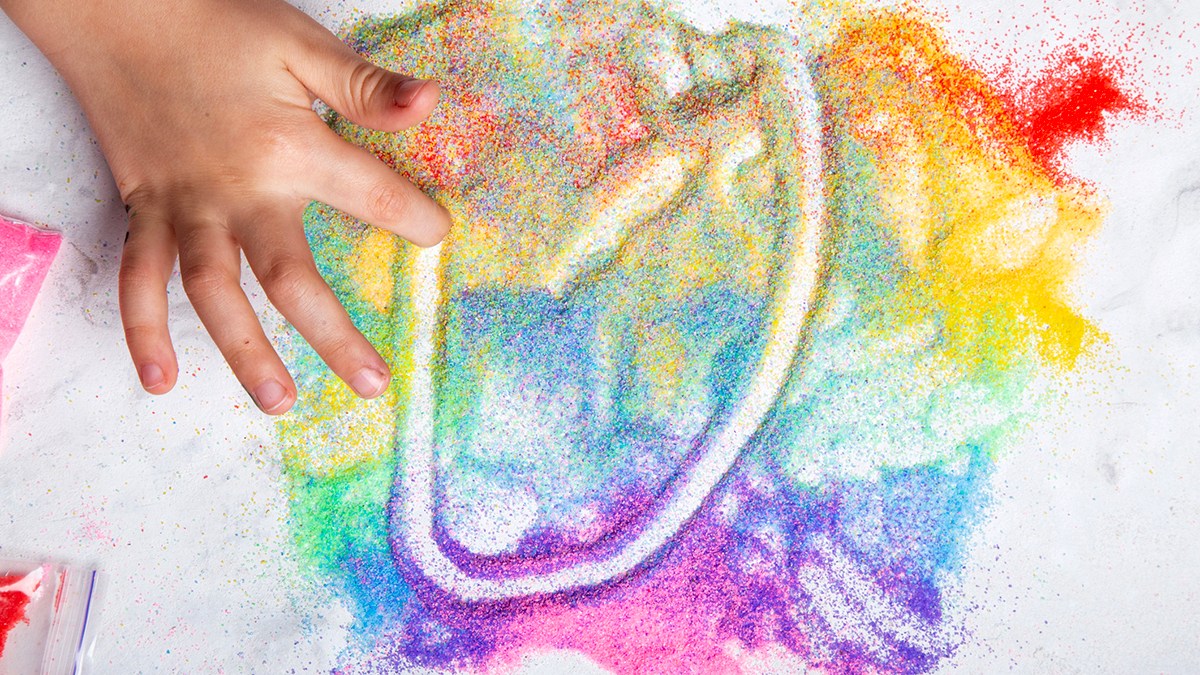
In July this year, the preliminary results of a study from the Auckland University of Technology (AUT) indicated that asbestos fibres in nine out of 10 recalled craft sand samples could become airborne during simulated play without crushing or pulverising. It means that children using the product as intended could potentially be exposed to asbestos fibres.
The AUT study also included a test of children’s moulding sand samples, which were confirmed as containing asbestos. However, airborne fibres were not detected during simulated play with moulding sand.
Australian health authorities are considering the preliminary findings of the AUT study, which has yet to be peer reviewed or published. The Australian Asbestos and Silica Safety and Eradication Agency has noted that “conclusions about potential health implications are therefore limited at this stage”.
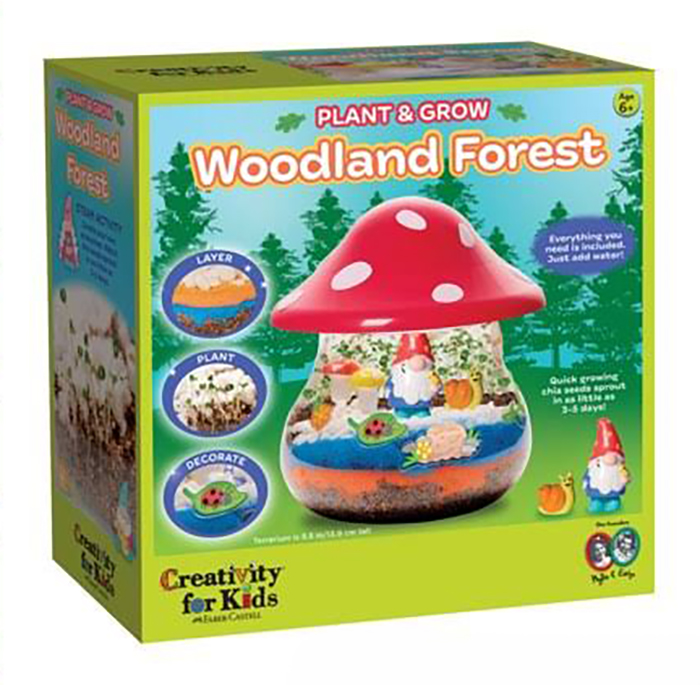
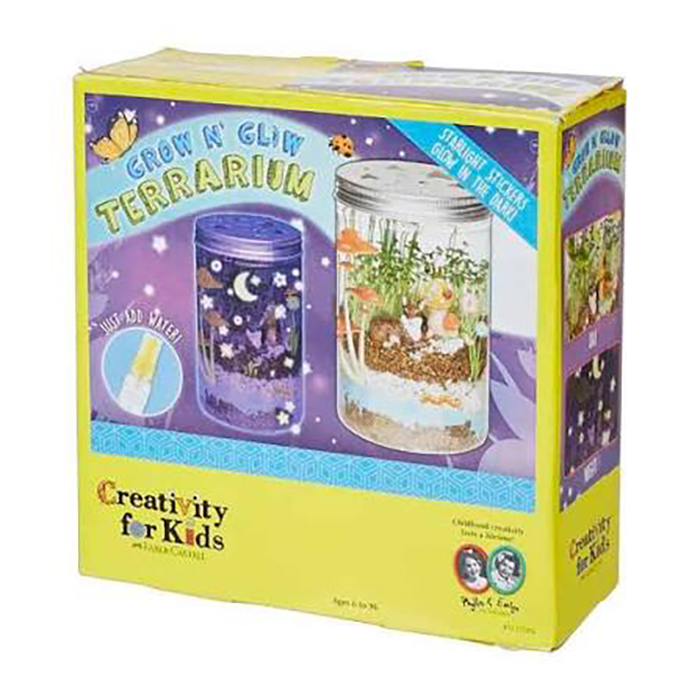
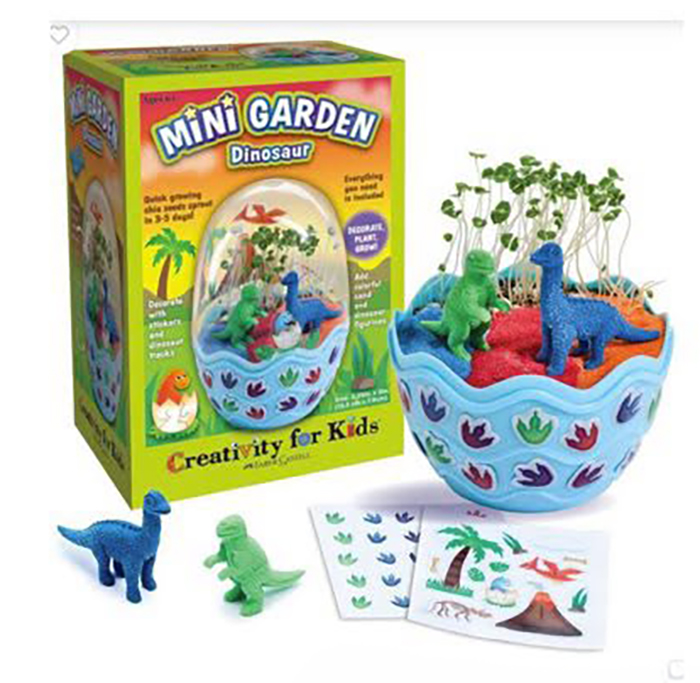
A recall went into effect in New Zealand in mid-November on the following children’s sand craft products:
Faber-Castell Plant & Grow Woodland Forest
Faber-Castell Grow and Glow Terrarium
Faber-Castell Mini Garden — Unicorn, Mermaid and Dinosaur varieties
Changing safety information
It’s not clear whether the Faber-Castell children’s sand products sold in Australia have the same asbestos risks, but some recall notices for other products in Australia have stated that the sand is unlikely to be a risk unless crushed or pulverised.
According to reporting by the ABC, Faber-Castell issued a statement saying the play sand sold in Australia comes from a different source than products sold in New Zealand. Due to the recent findings in New Zealand, however, the company says “we are undertaking a further review of our Australian products, including our supply chain and the sourcing and testing of the sand used”.
It’s illegal to supply products containing any amount of asbestos, so it’s concerning, says Kelly, that products are still being sold given the uncertainty about contamination
“We are extremely concerned that children’s products continue to be recalled due to asbestos contamination many months after children’s sand recalls first began. Faber-Castell’s recall in New Zealand raises serious alarm bells,” says CHOICE director of consumer impact Andy Kelly.
It’s illegal to supply products containing any amount of asbestos, so it’s concerning, says Kelly, that products are still being sold given the uncertainty about contamination.
“If there is any uncertainty about whether the products still being sold in Australia may be contaminated, we believe suppliers should immediately stop selling them. Consumers may not be able to easily determine whether the product they have purchased is the New Zealand or the Australian version.”
CHOICE and the CPRC are filing the ACCC complaint over concerns that the language in recall notices issued in Australia relating to health risks has been vague, incomplete and inconsistent. In some cases, statements appear to have been altered over time without explaining to consumers why the information was changed.
CHOICE and the CPRC are urging the ACCC to investigate whether retailers have engaged in misleading or deceptive conduct in the way they’ve presented safety warnings to consumers
We’re urging the ACCC to investigate whether retailers have engaged in misleading or deceptive conduct in the way they’ve presented safety warnings to consumers. The ACCC has yet to list recall notices for Faber-Castell play sand products on its Product Safety website.
Due to Australia’s weak product safety laws, it’s left to suppliers and retailers to voluntarily recall products, so any listings on the ACCC site would depend on actions by the retailer. Mandatory recalls initiated by the government are rare.
Did Kmart Australia communicate safety risks effectively?
The Kmart Group – whose bricks-and-mortar operations include 449 stores across Australia and New Zealand (including Target stores) – is a particular focus of our ACCC complaint.
In October this year, Kmart’s recall notice for the “14-piece Active Sand tub – Sand Castle Building Set” made the claim that “respirable asbestos has not been detected in any of the tested samples”.
The claim was subsequently removed without any mention that the safety information had changed, or why, on the recall notice itself.
On 19 November, the recall notice issued by Kmart for the “14-piece Active Sand tub – Sand Castle Building Set” and the “Make Your Own Unicorn Sand Ornament” was less than reassuring.
A disputes tribunal in New Zealand ordered Kmart to pay a couple $15,000 in compensation for the costs of disposal and decontamination of play sand that contained asbestos
“The release of respirable fibres is unlikely to occur in its current state, unless the sand is processed by mechanical means such as crushing or pulverising. The risk that any asbestos found is likely to be airborne or fine enough for inhalation is low,” the recall notice stated.
Kmart also cancelled its recalls for Blue Magic Sand, Pink Magic Sand and Green Magic Sand, saying “there is no evidence of asbestos detection in any of these products”. We’re asking the ACCC to investigate the evidence relied on to make this claim.
In August, a disputes tribunal in New Zealand ordered Kmart to pay a couple $15,000 in compensation for the costs of disposal and decontamination after they had bought play sand that contained asbestos from the retailer. Consumers in Australia would need to mount a similar dispute to receive compensation for such costs unless the retailer voluntarily provided it.
When we recently reviewed the product recall notice for Educational Colours sand products, it delivered a stark warning: “The play sand may cause a risk to health, as traces of anthophyllite asbestos and tremolite asbestos have been detected in some samples after laboratory testing.”
But an Educational Colours recall notice running from as early as December 2025 to at least March 2026 said: “Importantly, respirable asbestos has not been detected in any of the tested samples. The release of respirable fibres is unlikely to occur in its current state, unless the sand is processed by mechanical means such as crushing or pulverising. While the risk that any asbestos found is likely to be airborne or fine enough for inhalation is low, this may still pose a risk.”
The reason for the change in health risk information was not included in the recent recall notice.
No warnings about why asbestos is a health risk
All of the recall notices reviewed by CHOICE failed to deliver the most important warning of all – that inhaling asbestos fibres can cause several types of illness including cancer and asbestosis, and that it can take years for symptoms of illness to appear.
Along with the vague and changing information, the notices put the responsibility on consumers to get rid of the potentially dangerous products themselves, which would require going to an asbestos disposal centre.
From the point of view of consumer advocates, it’s just the latest case of what happens in a market that lacks a general safety provision requiring products to be proven safe before they’re sold to consumers. Instead, product safety risks in Australia often come to light after a consumer is injured.
Unfortunately, the ACCC simply does not have all the tools it needs to address these issues faster
CHOICE director of consumer impact Andy Kelly
“This issue is further evidence of the urgent need to strengthen Australia’s lax product safety laws,” Kelly says.
“Unfortunately, the ACCC simply does not have all the tools it needs to address these issues faster – it is up to suppliers to voluntarily recall products and decide the wording in recall notices to inform consumers about health risks.”
“We welcomed the commitment of Consumer Ministers to prioritise general safety protections, but we are still yet to see a clear timeline for when these important reforms will be progressed. In the meantime, consumers should exercise an abundance of caution and be extremely wary of craft and play sand products”
Should I buy children’s play sand products?
CHOICE recommends avoiding products containing craft or play sand products until absolute certainty about their safety has been determined.
If you’ve already bought play sand, we recommend keeping it away from children and checking the ACCC Product Safety site for any recall information about the product you purchased.
Andy Kollmorgen is the Investigations Editor at CHOICE. He reports on a wide range of issues in the consumer marketplace, with a focus on financial harm to vulnerable people at the hands of corporations and businesses. Prior to CHOICE, Andy worked at the Australian Securities and Investments Commission (ASIC) and at the Australian Financial Review along with a number of other news organisations. Andy is a former member of the NSW Fair Trading Advisory Council. He has a Bachelor of Arts in English from New York University. LinkedIn
Andy Kollmorgen is the Investigations Editor at CHOICE. He reports on a wide range of issues in the consumer marketplace, with a focus on financial harm to vulnerable people at the hands of corporations and businesses. Prior to CHOICE, Andy worked at the Australian Securities and Investments Commission (ASIC) and at the Australian Financial Review along with a number of other news organisations. Andy is a former member of the NSW Fair Trading Advisory Council. He has a Bachelor of Arts in English from New York University. LinkedIn
For more than 60 years, CHOICE has been fighting the good fight for Australian consumers.
In the past year alone we've uncovered systemic issues with sunscreens, investigated shonky supermarket pricing, fought for stronger scam protections and helped make complex energy pricing fairer and clearer.
CHOICE is here to provide unbiased advice and independent testing in our world-class labs. We buy the products we test, just like you do, and our expert reviews are influence free. We’re here to help you choose smarter. Hopefully you’ll also save some money along the way.
Thanks to CHOICE, you’ll never be alone when a business treats you unfairly. You can support our work by joining or donating to our cause.