Before we get into the details on insurance, it is important to firstly note that after any car crash, you must stop and provide assistance to any injured person. Contact Triple Zero (000) if anyone is hurt or there is a public safety issue.
Once the scene is safe, what you do in the next few minutes can make the difference in ensuring a smooth insurance payout.
In a crash, it is a legal requirement for drivers to stop and exchange certain details with each other.
The details you’re legally required to exchange:
Names and addresses of the drivers
Names and addresses of the vehicle owners (if one or both of the the drivers isn’t the owner)
Vehicle registration numbers
Contact details to ask for from the other driver
With the minimum legal requirements out of the way, you should also try to obtain contact details to make the insurance claim process easier for all drivers involved. Here’s what to ask for:
Phone number (give their number a call to save it in your phone’s call history)
Email
Driver’s licence number
Insurance details, including the name of their insurer and ideally a policy number
If you can, take photos of their driver’s licence (and the reverse side for any new address), their car registration plate, and insurance card if they have one.
You should provide the same details to the other driver too. If there are passengers, get their licence and contact details as well.
If the crash was not your fault, then you should collect as much evidence as possible of the incident to present to your insurer to confirm this.
Record the time, date, and exact location of the crash.
Note down the details of everything you can remember that happened. Include street names and the position of the vehicles.
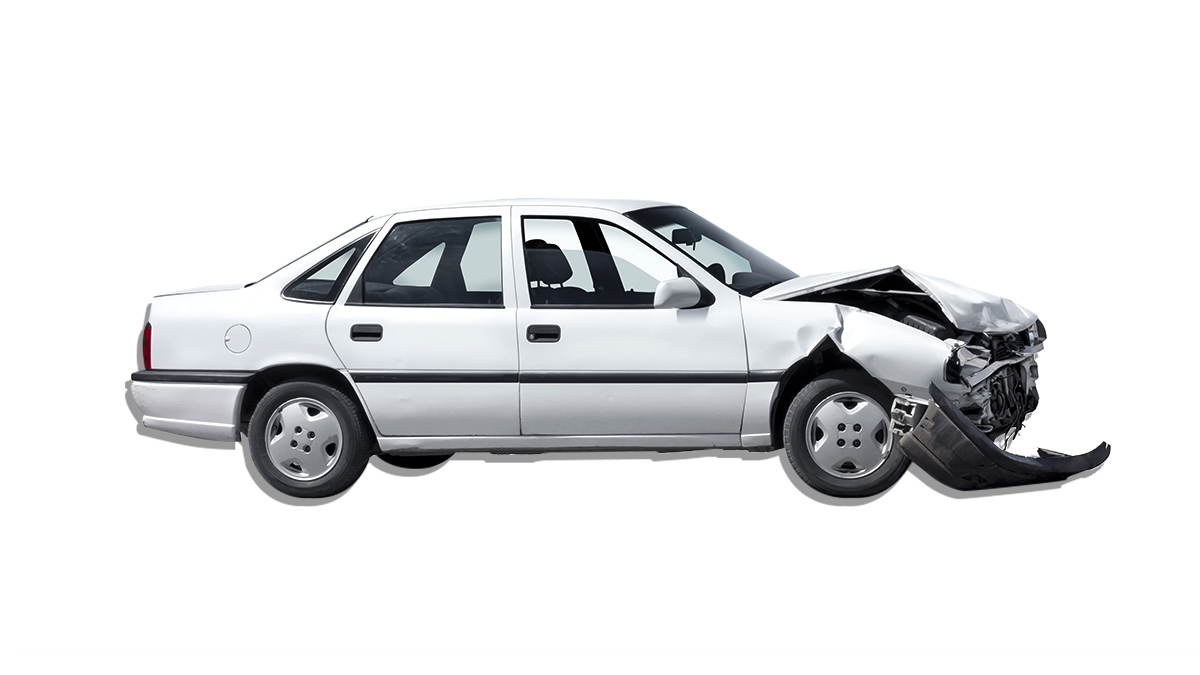
Take photos of the crash scene including damage to all vehicles from multiple angles, and photos of the surrounding area including skid marks, road signs, debris, and weather conditions.
Draw a diagram of the circumstances of the crash if possible. If you don’t have pen and paper, you could use your phone to make a rough sketch (if your phone has a free draw feature).
If there are any other witnesses to the event, get their details including name and phone numbers for your insurer to contact. Witnesses are useful if the other party disputes your version of events.
In a hit-and-run scenario where the other driver has fled the scene or refused to provide their details, check if there were any witnesses, and ask them if they remember the car registration or if they have dashcam footage that might be useful. You can also try checking with nearby businesses for CCTV footage.
If you can, also note down the other car’s make, model and colour or any other details to describe the car. And make note of any description you can of the driver and their passengers.
When the driver has fled without providing details, you must contact the police. Take note of any incident or report number you are provided so you can give this to your insurer.
If the other driver has stopped and given details but you suspect they are fake, or there is some other suspicious behaviour such as intoxication, contact the police to attend the scene and investigate.
Do you have to pay the excess if you’re not at fault?
Even if your insurer has all the evidence they need to determine that you are not at fault, you will still have to pay the excess on your policy if you cannot provide sufficient details of the other driver responsible. Basic excesses can be over $1000, so failing to collect enough information is an expensive mistake to make (although sometimes it’s simply not possible).
Insurers have varying requirements as to how much information you must provide for them to waive the excess, but the safest bet is to collect as much detail as possible at the time of the incident.
Insurers have varying requirements as to how much information you must provide for them to waive the excess
Many insurers only require that you provide sufficient information so that they can identify and contact the at-fault driver. Typically, this is the driver’s name, their contact details and car registration. However other insurers can be more specific in the information they require so it is worth checking your Product Disclosure Statement for details.
For example, policies from car insurers such as Suncorp, Budget Direct, and AAMI require you provide the at-fault driver’s name, address, and registration. Youi require at least two out of four pieces of information: name, phone number, driver’s license number, and registration.
What if the other driver doesn’t have insurance?
As long as you have provided enough details, your insurer should still waive the excess if the at-fault driver doesn’t have insurance. But some insurers might still make you pay the excess upfront until they can recover costs from the at-fault driver.
While the damage to your car may be covered by your policy, in cases of minor damage you should consider whether the payable excess is more or less than the cost of simply paying to repair the damage yourself. If it costs more to claim on your insurance than to have it fixed yourself, it makes no sense to make a claim.
If you are confident that you are not-at-fault in the incident, and that your insurer will agree and waive the excess, you can still end up paying through future premium increases or losing a no-claim-bonus you may have.
Know the products to avoid before you shop. Get our free guide and buy smarter.
Mark Blades worked at CHOICE from 2022 to 2026 as a Data Journalist in the Insurance and Utilities team. Mark delved in depth into our data to find ways to help consumers save money and find better products.
From unfair pricing for single parents to work on skyrocketing premiums in top level health insurance, Mark shed light on major injustices in health insurance that led to real world reforms to save Australians money.
Prior to CHOICE, Mark worked in community campaigning and in public service programs, promoting fair access to financial services in regional and rural Australia.
Mark has a Masters of International Relations focused on fair trade models, from the University of Melbourne. LinkedIn
Mark Blades worked at CHOICE from 2022 to 2026 as a Data Journalist in the Insurance and Utilities team. Mark delved in depth into our data to find ways to help consumers save money and find better products.
From unfair pricing for single parents to work on skyrocketing premiums in top level health insurance, Mark shed light on major injustices in health insurance that led to real world reforms to save Australians money.
Prior to CHOICE, Mark worked in community campaigning and in public service programs, promoting fair access to financial services in regional and rural Australia.
Mark has a Masters of International Relations focused on fair trade models, from the University of Melbourne. LinkedIn
For more than 60 years, CHOICE has been fighting the good fight for Australian consumers.
In the past year alone we've uncovered systemic issues with sunscreens, investigated shonky supermarket pricing, fought for stronger scam protections and helped make complex energy pricing fairer and clearer.
CHOICE is here to provide unbiased advice and independent testing in our world-class labs. We buy the products we test, just like you do, and our expert reviews are influence free. We’re here to help you choose smarter. Hopefully you’ll also save some money along the way.
Thanks to CHOICE, you’ll never be alone when a business treats you unfairly. You can support our work by joining or donating to our cause.