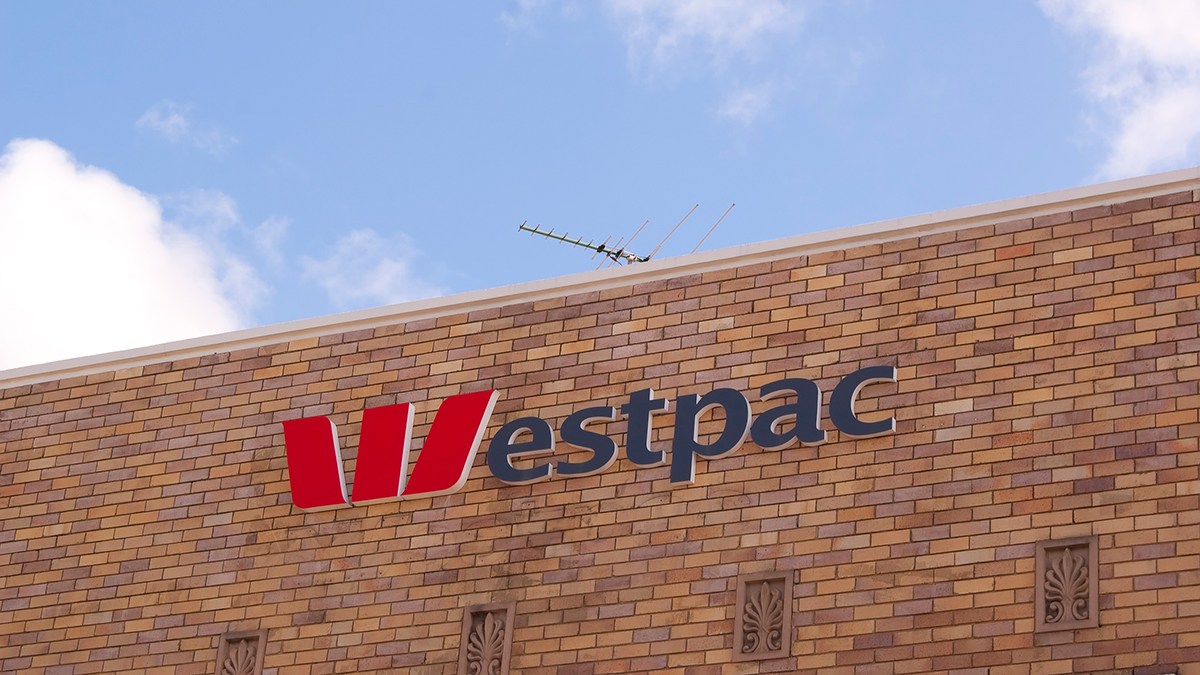
Since mid-2017, 2586 bank branches around Australia have disappeared
The Australian Banking Association recently unveiled a plan that would bring traditional banking services back to 10 as-yet undisclosed locations across Australia
In a submission to the ACCC, which must approve the plan, CHOICE and a number of allied organisations say looking to the industry to fix the crises it created is problematic
It’s been a tough past few years for Australians in regional and remote areas looking to conduct some basic banking services.
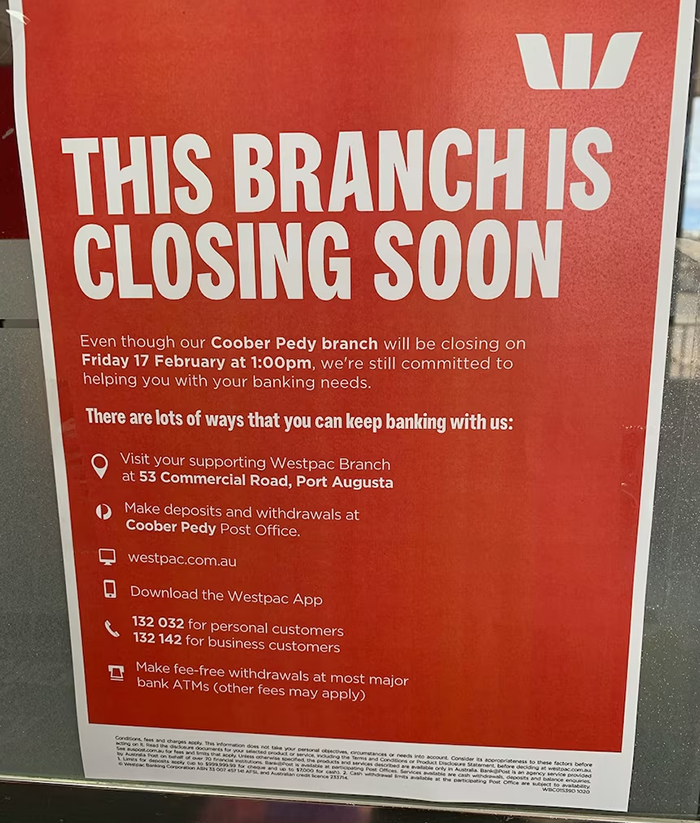
Since mid-2017, 2586 bank branches around Australia have disappeared, leaving customers in regional areas and beyond with no reasonably convenient access to cash withdrawals or deposits or the opportunity to get information from a banking professional in person.
Since mid-2017, 2586 bank branches around Australia have disappeared
The rash of cost-cutting closures has had a disproportionate impact on vulnerable people, especially First Nations communities and elderly Australians for whom digital banking can be both bewildering and a major scam risk.
The crisis reached the point where the federal government decided something must be done.
In 2021, it established a Regional Banking Taskforce, followed by a Senate inquiry into regional branch closures. The inquiry recommended treating access to cash and face-to-face banking as essential services and looked to the industry to address the growing problem.
In 2024, it proposed a levy on some major banks that would go toward supporting competitor banks still operating in regional areas.
Amid the consumer backlash, the big four banks committed to putting a hold on the closure of further regional branches. (The moratorium ends in 2030 for CBA and Westpac and in 2027 for NAB and ANZ.)
Over the three years that the moratorium has been in place, 482 bank branches have closed
But the moratorium leaves a lot of customers no better off, since it doesn’t apply to urban or metropolitan areas, only covers the big four, and doesn’t prevent them from cutting back services at branches that are still open.
Over the three years that the moratorium has been in place, 482 bank branches have closed around Australia, including more than 100 in regional areas.
The prospect of government intervention in 2024 presumably didn’t go over well in bank boardrooms, so the banking industry recently came up with its own solution.
In October this year, the Australian Banking Association (ABA), whose members include all of the big banks and most of the smaller ones, unveiled a plan that would theoretically bring traditional banking services back to 10 as-yet undisclosed locations across Australia that no longer have bank branches.
Bank customers in these areas would once again have access to some of the services they lost, but it would be a concierge arrangement, apparently something like a glorified ATM machine with a counter and occasional bank personnel on hand.
The pop-up branches would operate out of Australia Post outlets, council offices, libraries or similar locations. The ABA recently submitted an application to the Australian Competition and Consumer Commission for an authorisation of the plan. But one critical factor has yet to be ironed out – exactly how the various competing ABA member banks would work together to make it happen.
It is a thinly-veiled attempt to distract from the obvious solution while allowing the big banks to keep retreating
CEO of Regional Australia Bank David Heine
Consumer advocates including CHOICE see a number of flaws in the ABA’s plan, as does the Regional Banking Investment Alliance (RBIA), a coalition of 24 regional banks.
In late October, the CEO of RBIA member Regional Australia Bank David Heine said the ABA’s proposal “cannot resolve the real issue facing communities that need essential, full-service banking. In my view, it is a thinly-veiled attempt to distract from the obvious solution while allowing the big banks to keep retreating.”
Heine says the big banks have had a long-term strategy to hang on to the profitable side of the business – mainly lending and deposit-taking – while winding down services that are less beneficial to the bottom line, such as cash availability, handling powers of attorney issues or, perhaps most crucially, helping customers who have been scammed.
Meanwhile, Australia’s big four banks continue to rake in profits that are the envy of banking sectors around the world.
In November, CHOICE filed a submission to the ACCC on the ABA’s proposal that was endorsed by a number of like-minded advocacy groups, including Financial Counselling Australia, the Financial Rights Legal Centre, the Consumer Action Law Centre and the First Nations advocacy groups Mob Strong and the Indigenous Consumer Assistance Network.
Since mid-2017, 2586 bank branches around Australia have disappeared.
The submission makes the case that looking to the banking industry to solve the problem that it caused is inherently flawed, saying “there is no basis for the federal government or its regulators to believe that voluntary, opt-in, industry-led initiatives will reverse the damage done by a decade of industry-led branch closures”.
“A lot of people are concerned that this trial is just going to be a cover for more branch closures and more service reductions,” says CHOICE head of policy and government relations Morgan Campbell.
“The industry created this problem, and the government can’t rely on the industry to fix it. Banking is an essential service. We need bank accounts to go about our lives, and some of us need to do our banking in person. The industry has to recognise that, and so does the government. It’s time for strong, enforceable obligations, or before long these services will be gone for good.”
Our joint submission to the ACCC calls for a number of conditions to placed on any approval of the ABA’s plan, including:
Open forums must be held by the ABA in regional communities to give local people the opportunity to outline the importance of local banking services where they live.
The ABA must consult with financial counselling organisations to identify communities that are particularly underserved.
At least one bank-trained staff member must be present at all times in any partner-assisted or standalone banking hub.
Staff must be trained to recognise indicators of financial abuse and domestic and family violence as well as demonstrate First Nations cultural competency.
The ACCC must have the right to revoke its approval if it has reason to believe that the proposed trial is being used as cover for further branch closures.
Get the inside story on our investigations, campaigns and the difference they make.
Andy Kollmorgen is the Investigations Editor at CHOICE. He reports on a wide range of issues in the consumer marketplace, with a focus on financial harm to vulnerable people at the hands of corporations and businesses. Prior to CHOICE, Andy worked at the Australian Securities and Investments Commission (ASIC) and at the Australian Financial Review along with a number of other news organisations. Andy is a former member of the NSW Fair Trading Advisory Council. He has a Bachelor of Arts in English from New York University. LinkedIn
Andy Kollmorgen is the Investigations Editor at CHOICE. He reports on a wide range of issues in the consumer marketplace, with a focus on financial harm to vulnerable people at the hands of corporations and businesses. Prior to CHOICE, Andy worked at the Australian Securities and Investments Commission (ASIC) and at the Australian Financial Review along with a number of other news organisations. Andy is a former member of the NSW Fair Trading Advisory Council. He has a Bachelor of Arts in English from New York University. LinkedIn
For more than 60 years, CHOICE has been fighting the good fight for Australian consumers.
In the past year alone we've uncovered systemic issues with sunscreens, investigated shonky supermarket pricing, fought for stronger scam protections and helped make complex energy pricing fairer and clearer.
CHOICE is here to provide unbiased advice and independent testing in our world-class labs. We buy the products we test, just like you do, and our expert reviews are influence free. We’re here to help you choose smarter. Hopefully you’ll also save some money along the way.
Thanks to CHOICE, you’ll never be alone when a business treats you unfairly. You can support our work by joining or donating to our cause.