Robot vacs are increasingly popular and the newest models come with self-cleaning capabilities, mapping and wet floor mopping. But they still need to make improvements in some areas, so you may not want to part with your regular mop and vacuum just yet.
Our testers put robot vacuums through their paces to see which ones are best at cleaning your floors, as well as being easy to set up and use.
Here, we’ll tell you how we test robot vacs to give you the results that help you choose what to buy.
It seems like a new robot vacuum is released every other week, so as of October 2026 we’ve partnered with our sister consumer organisations around the world to share costs and testing expertise. Because robot vacuum testing is highly complex and time-consuming, this approach will allow us to publish test results for as many models as possible on a regular, ongoing basis.
This means that previous test results cannot be directly compared with results from the new testing approach.
Like all CHOICE tests, models are purchased directly from retailers, so they’re the same as any consumer would buy them. Because the products we feature are available globally, this does mean some brands and models tailored for Australian markets have to miss out. However, we may still review standalone robot vacuums on a one-off basis if we think it’s relevant for consumers.
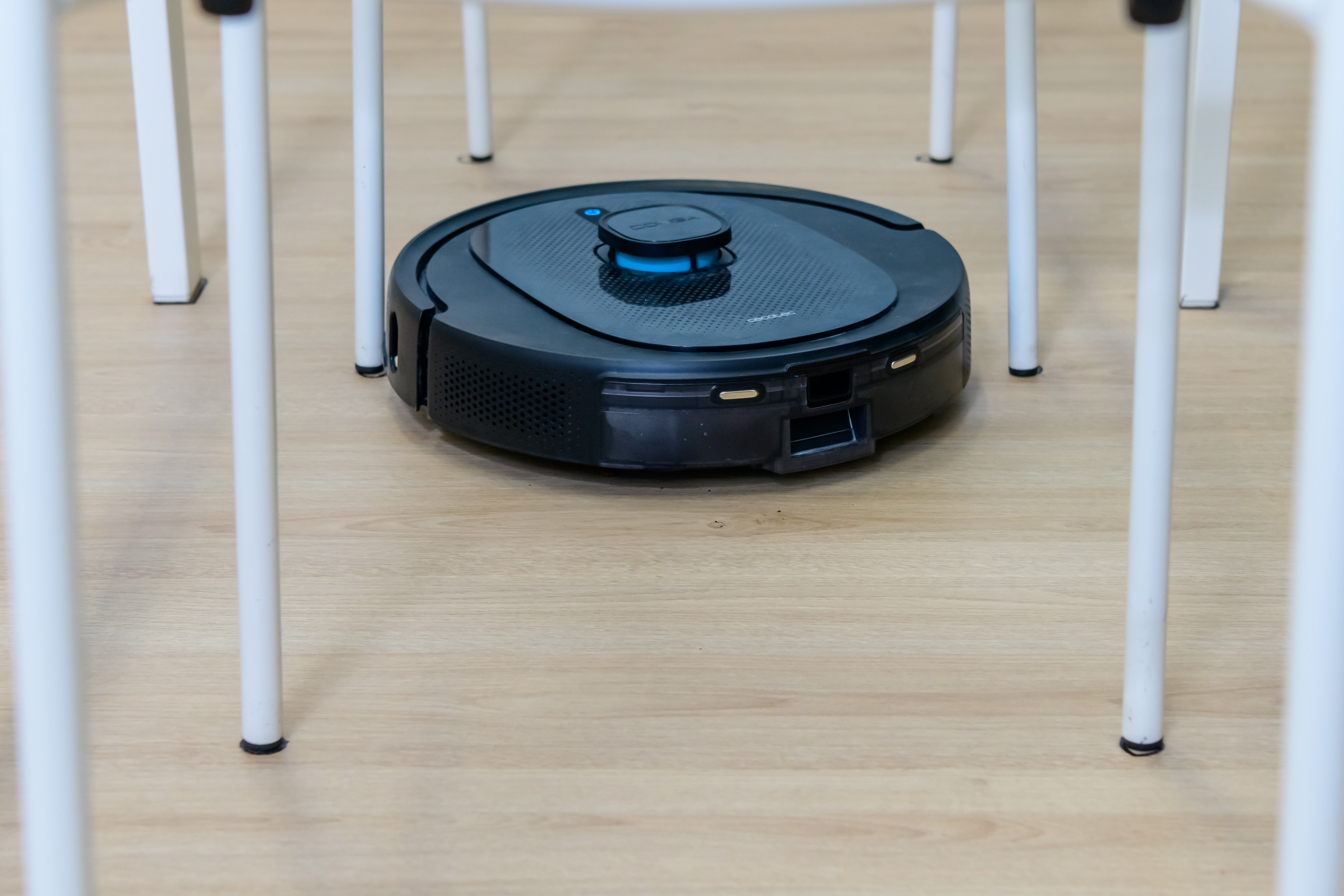
We test how well the robot vacuum navigates a living room setup.
How we test robot vacuums
Obstacle detection
This test is set up in our “living room” space consisting of two spaces with a door in between. It determines how well the robot vacuum detects and avoids obstacles like sofas, tables, chairs, mats, vases, lamps and electrical cables, and how thoroughly it cleans a set pattern of cereal flakes. We also assess whether the robot can detect stairs and return to its charging station.
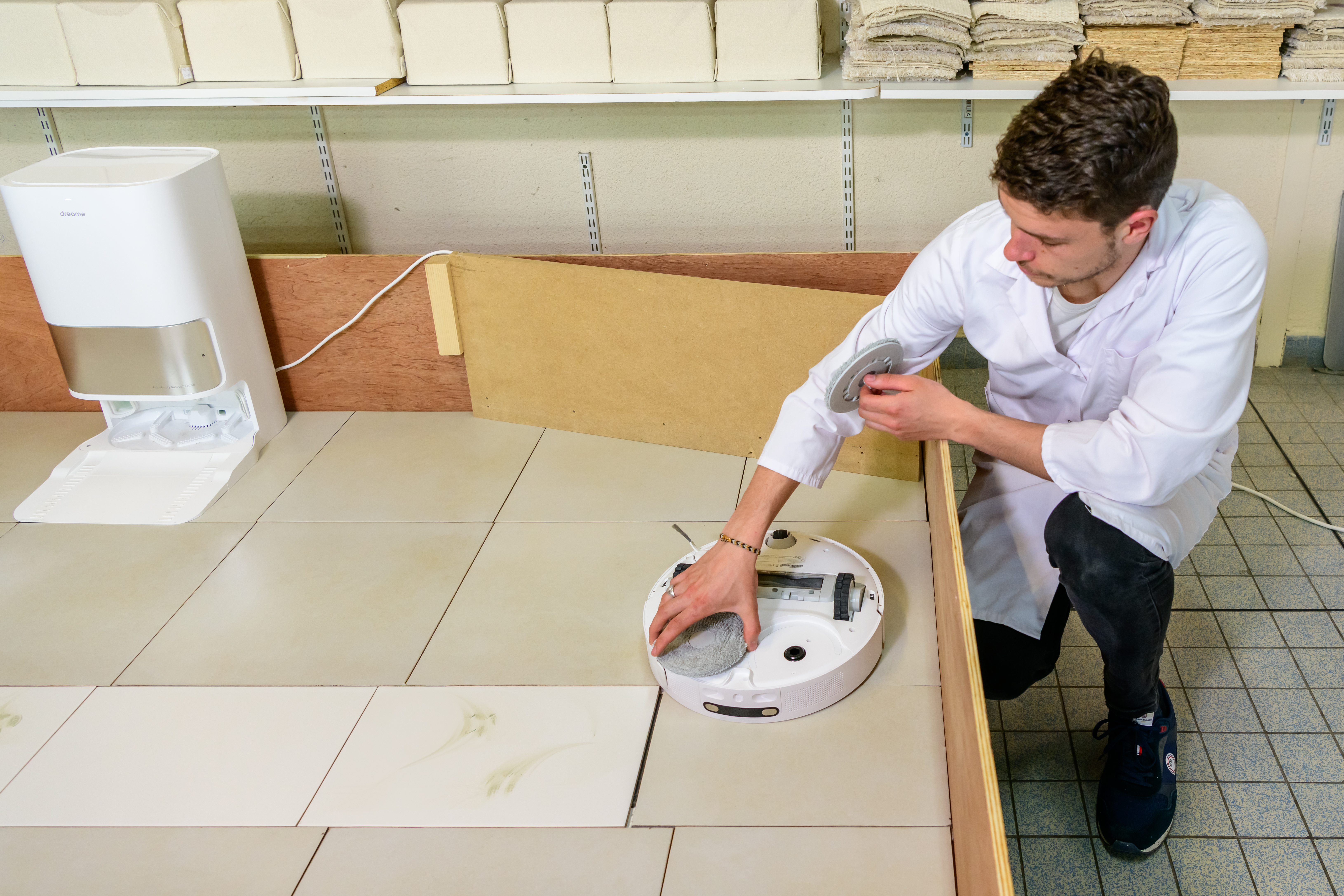
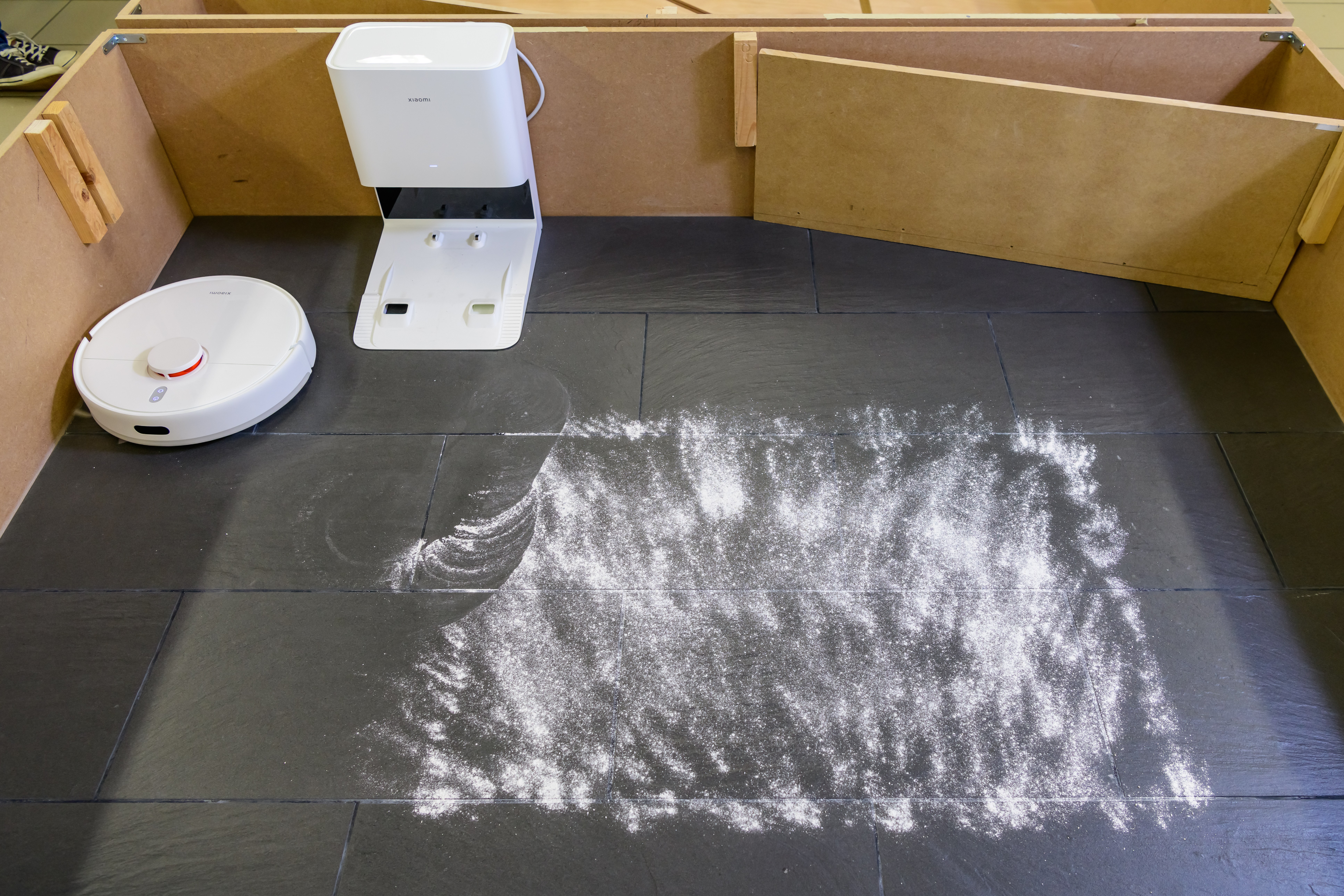
Setting up the mopping performance test in the lab’s dedicated test area.
Mop performance
We spread clay and chocolate on a set test bed of ceramic tiles and run the wash/mop mode. Three experts visually assess how well the robot cleans the debris, and whether it leaves a dirty trail in its wake.
Vacuum performance
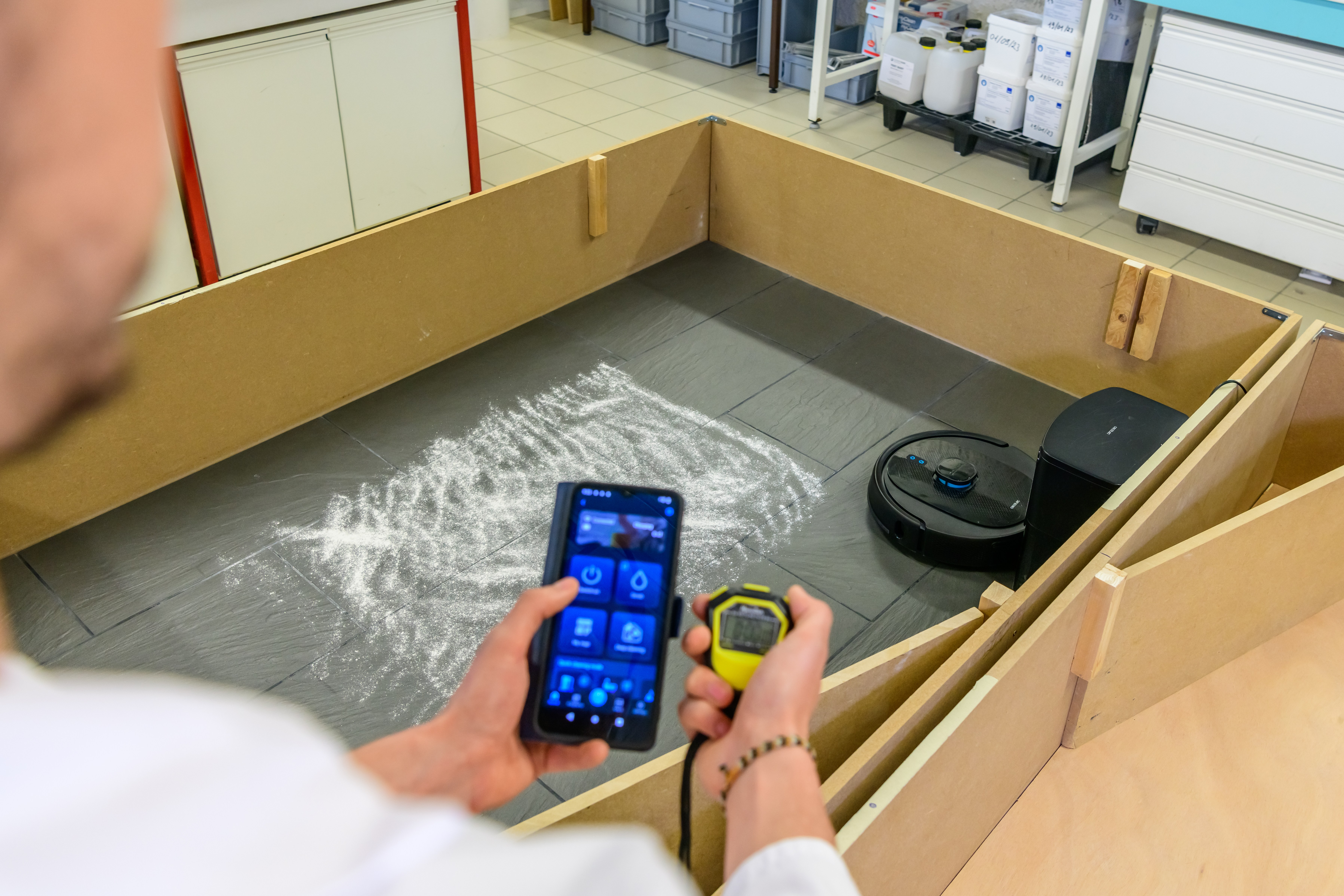
We conduct a number of vacuum tests on carpet and hard floors. We use a set test bed for both.
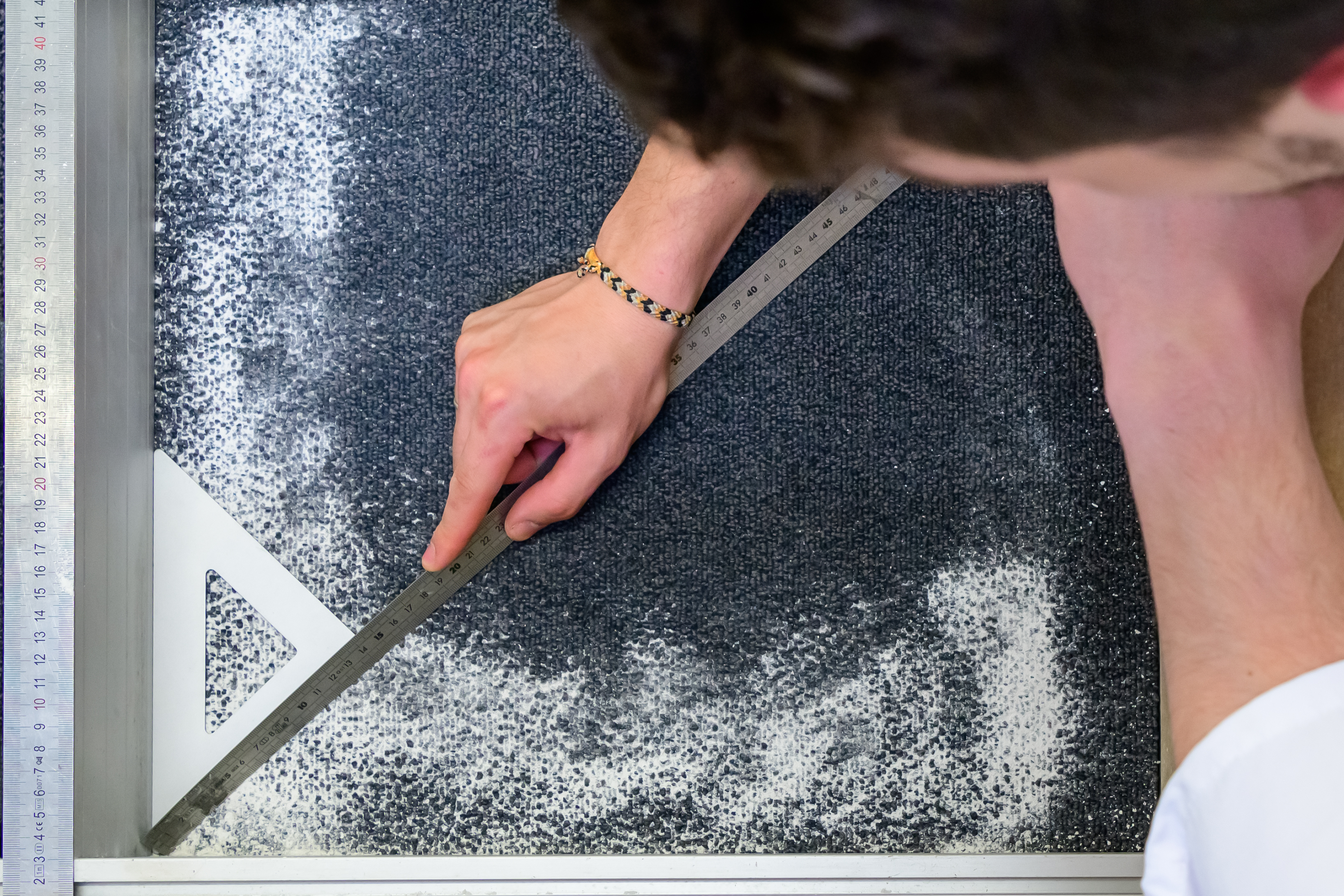
Dust removal along walls and in corners makes up part of the vacuum performance on carpet score.
Tests include:
Vacuum performance on carpet
Dust removal along walls and in corners
Dust removal
Crumb removal
Pet hair removal (using short synthetic fibres)
Spot removal
Vacuum performance on hard floors
Dust removal
Mixed soil removal
Dust removal from crevices, like those between floorboards or tiles
Robot vac testing on hard floor surface
Ease of use
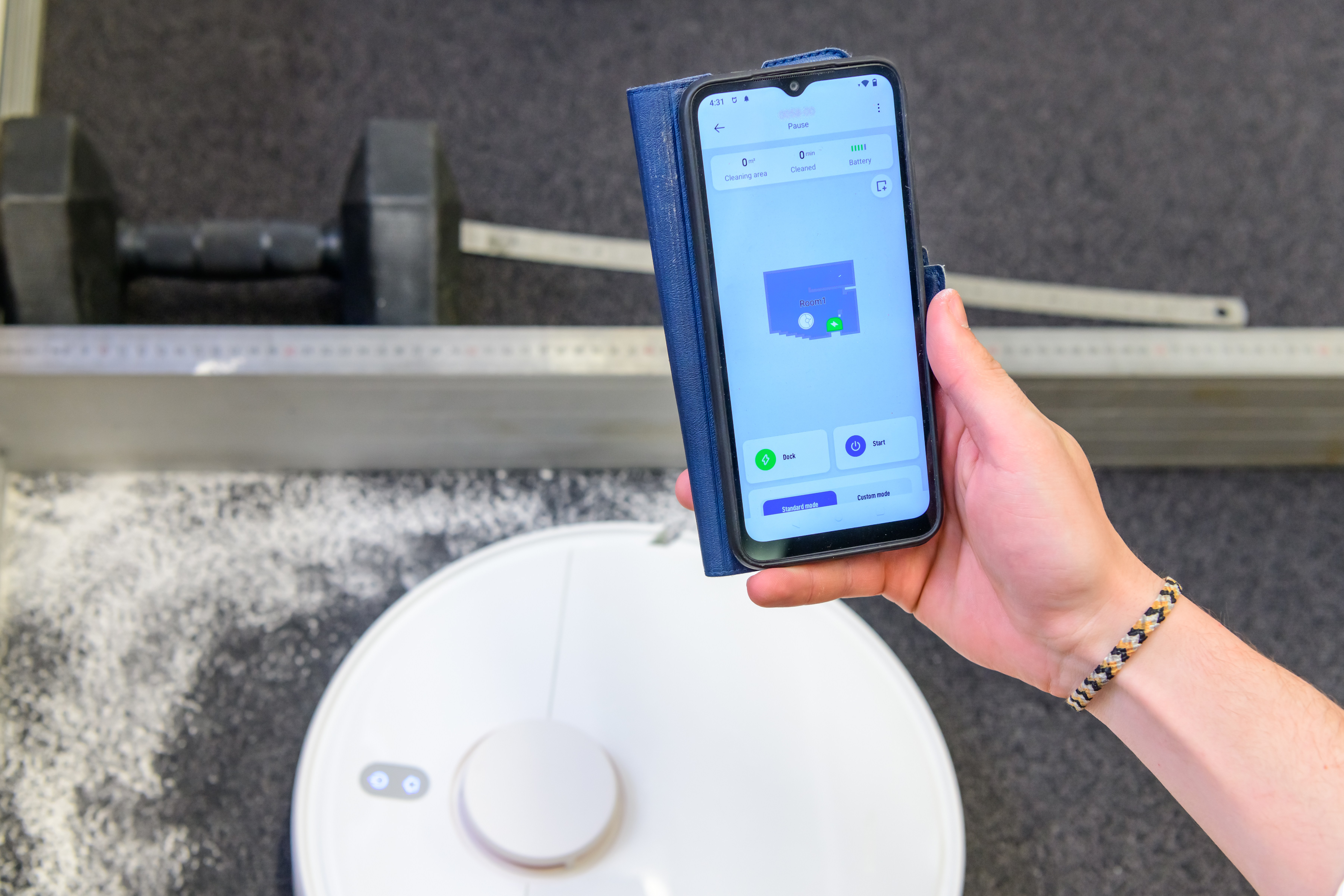
Robot vacuums are becoming increasingly complex thanks to their many capabilities, which are generally controlled by apps.
Testing how easy a robot vac is to use
Users and prospective buyers tell CHOICE that they want a model that’s easy to set up and maintain, and an app that has scheduling and easy mapping capabilities.
Our experts use conditions as close as possible to real life while still maintaining a consistent lab environment to reflect meaningful ease of use and convenience scores.
The same three experts will rate the following ease of use parameters:
clarity of instructions
complexity of setup and charging station
daily use such as starting, scheduling and feedback (both with and without the app)
how easy the dust container is to use, empty and clean
ease of using the emptying station
ease of maintaining and using the brushes and air filter
ease of using the mop (filling/emptying the water container, fitting/removing mop)
Noise
Noise is measured with a sound meter at a height of 1.6m above a wooden hard floor, both with and without the emptying station running. Because numbers alone don’t always tell the story about how annoying or loud a vacuum is perceived, a panel of three people also conducts a subjective evaluation across the entire batch of products.
Energy consumption
While robot vacuums work with rechargeable batteries, we assess the energy consumption of the dock when being charged and in standby mode, during various usage scenarios.
Privacy and security
While not comprising part of the overall rating, privacy and security of your personal data is still an important aspect of our assessment, particularly if the robot vacuum has an on-board camera or your personal details are being stored in the cloud.
Among other things, we check whether networks are secure, strong passwords are encouraged, and that any cloud-based connections are encrypted.
We also look at how the robot handles repeated login attempts, and how easily the product can be factory reset for second-hand use.
Ratings are based on consumer risk, from very low to critical.
The CHOICE Expert Rating (our overall score) is made up of:
Obstacle detection score (living room) (20%)
Mop and vacuum performance (58%)
Ease of use, including apps (12%)
Noise (4%)
Energy consumption (6%)
Our test lab
Robot vacuums are tested by our European partners in a specialist lab that is equipped to test any type of vacuum cleaner.
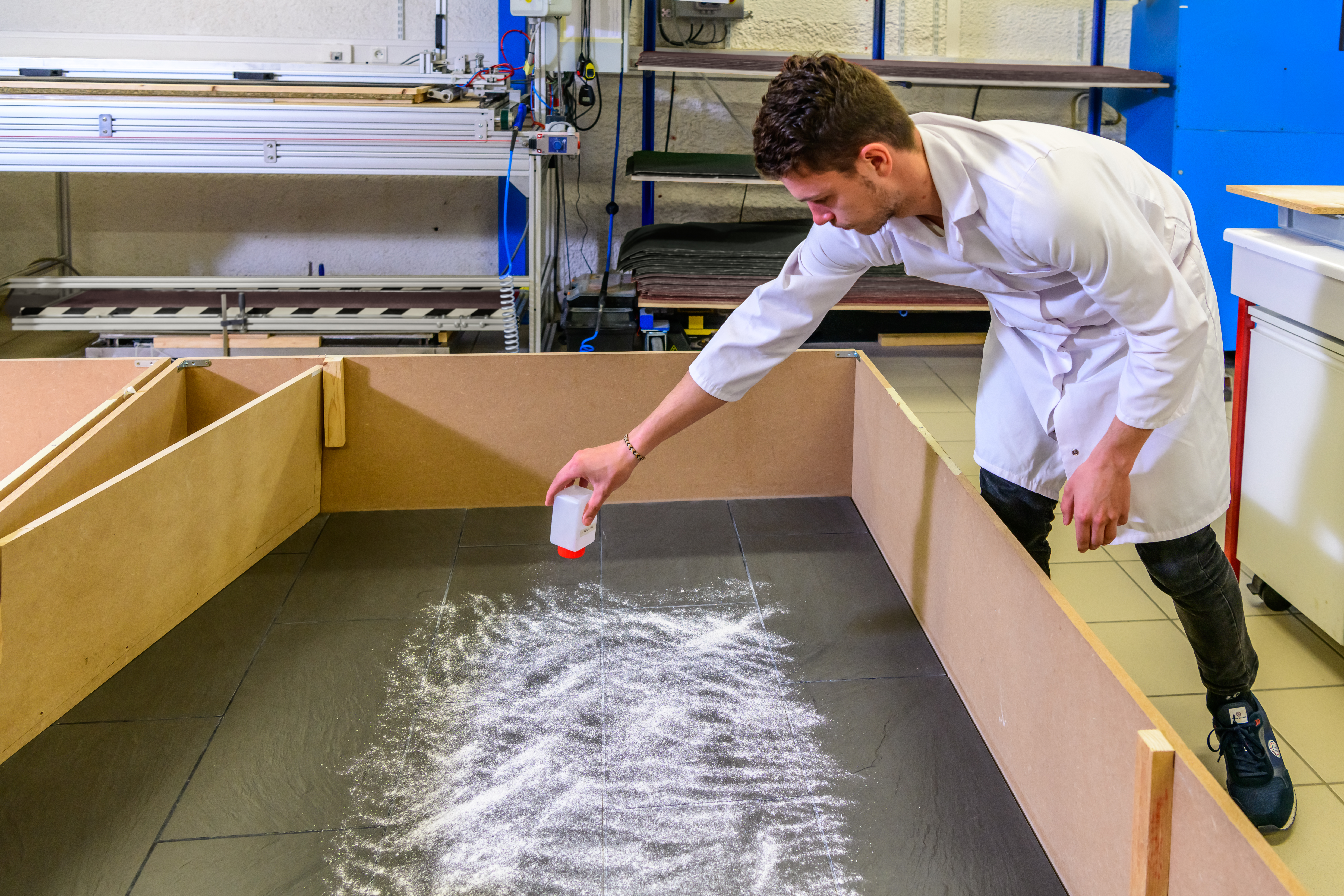
Sprinkling a set amount of test dust on to a tiled surface.
Our lab is equipped with precisely calibrated measurement tools. When comparing multiple products, consistency with surrounding temperatures, humidity levels and water temperatures is crucial. We also properly “run in” the robot vacuums by charging and discharging them before starting our test.
Know the products to avoid before you shop. Get our free guide and buy smarter.
Kim Gilmour is a Senior project officer. She manages a range of product tests such as coffee machines, stick vacuums, bassinets, high chairs and ovens, which are all tested in our in-house labs.
Kim’s work gives people access to robust, independent advice and helps consumers make informed decisions about their purchases. Her work also helps to keep manufacturers in check, by regularly exposing product flaws which can result in better and safer products.
Prior to CHOICE, Kim spent 16 years working as a technology journalist in Sydney and London. With several years as a senior researcher/writer at our UK sister organisation, Which?
Kim has authored how-to technology books such as Spotify for Dummies and Digital Photography for the Older and Wiser.
Kim has a Bachelor of Arts in Communication (Journalism) from Charles Sturt University. LinkedIn
For more than 60 years, CHOICE has been fighting the good fight for Australian consumers.
In the past year alone we've uncovered systemic issues with sunscreens, investigated shonky supermarket pricing, fought for stronger scam protections and helped make complex energy pricing fairer and clearer.
CHOICE is here to provide unbiased advice and independent testing in our world-class labs. We buy the products we test, just like you do, and our expert reviews are influence free. We’re here to help you choose smarter. Hopefully you’ll also save some money along the way.
Thanks to CHOICE, you’ll never be alone when a business treats you unfairly. You can support our work by joining or donating to our cause.