Sorting, loading, unloading, hanging, folding, putting away: doing the laundry is an annoying (and exhausting) task.
If your downstairs neighbour is a grouch, your baby’s a light sleeper, you have a shift worker in the house, or you’re sensitive to noise, a loud washing machine can really add to the frustration.
Dialling down the noise can make life less stressful for everyone, but how do you know which machine will help keep the peace on laundry day?
CHOICE laundry expert Denis Gallagher is here to help. He’ll explain what you need to know and how to minimise noise, plus we’ll reveal the quietest washing machines from our detailed lab tests.
To remove the water from your washing, machines run a spin cycle – which basically means that they turn really quickly to squeeze the water out of the fabric.
“The main contributor to washing machine noise is the spin cycle,” says Denis.
“The faster it spins, the louder it is.”
The main contributor to washing machine noise is the spin cycle
Denis Gallagher, CHOICE laundry expert
Location, location, location
A machine that causes the floor to vibrate as it washes will create extra noise on top of the spin cycle noise.
This can be caused by wonky floors and timber floorboards that don’t keep the machine steady while it’s washing.
This is particularly important if you live in an apartment – vibrations can carry through the floor and affect your neighbours more.
Below, we’ll share some tips to help minimise vibrations so you can stay in your neighbours’ good books.
Load balance
Spread heavier and lighter items throughout the drum to make sure it’s balanced.
Ever heard a washing machine shuddering and banging at the end of a cycle?
That’s usually due to the machine being off kilter because the laundry isn’t spread evenly throughout the drum.
This is generally more of an issue with top loaders.
If heavier items end up on one side, it can cause the drum to wobble when it spins.
You can avoid this by distributing heavier items around the machine, interspersing them with lighter items.
What do decibel measurements mean?
To understand what a washing machine’s noise level means, you’ll need some context.
A normal conversation is about 60–65 decibels (dB).
City traffic is around 80dB.
The vacuums in our current review range from around 60dB to 80dB.
Clothes dryers range from around 60dB to 70dB.
When our experts test washing machines in our labs, they measure the maximum noise level during the spin cycle, one metre above the ground.
“The washing machines in our current review range from 49dB to 68dB, so they’re generally quite quiet – they can be less noisy than an animated conversation, but at 68dB you’d be considered a loud talker,” says Denis.
“However, the location of your washing machine and your home’s acoustics will also affect how noisy your washing machine actually sounds.”
If your machine is right next to the lounge room you’ll hear the noise more than if it’s tucked away in a laundry at the back of the house.
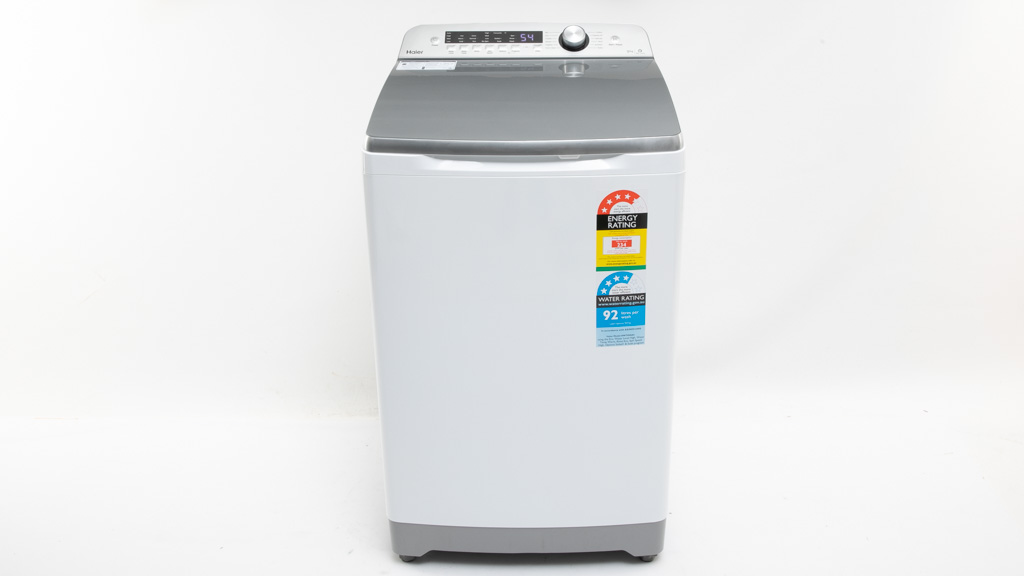
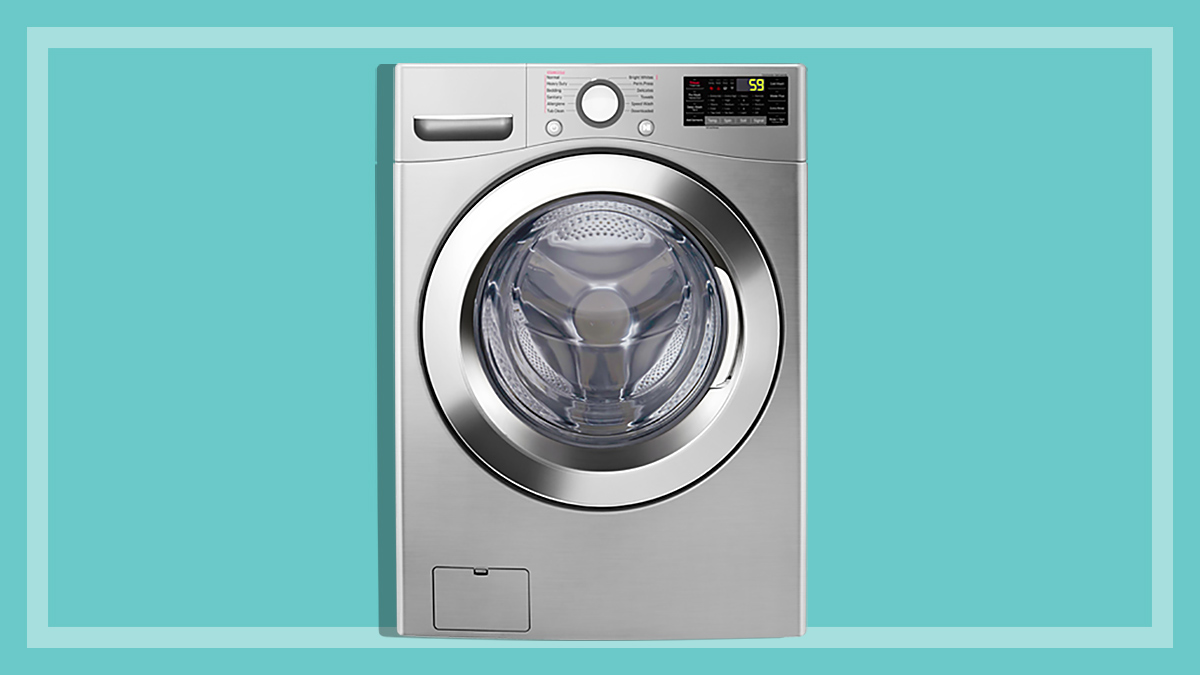
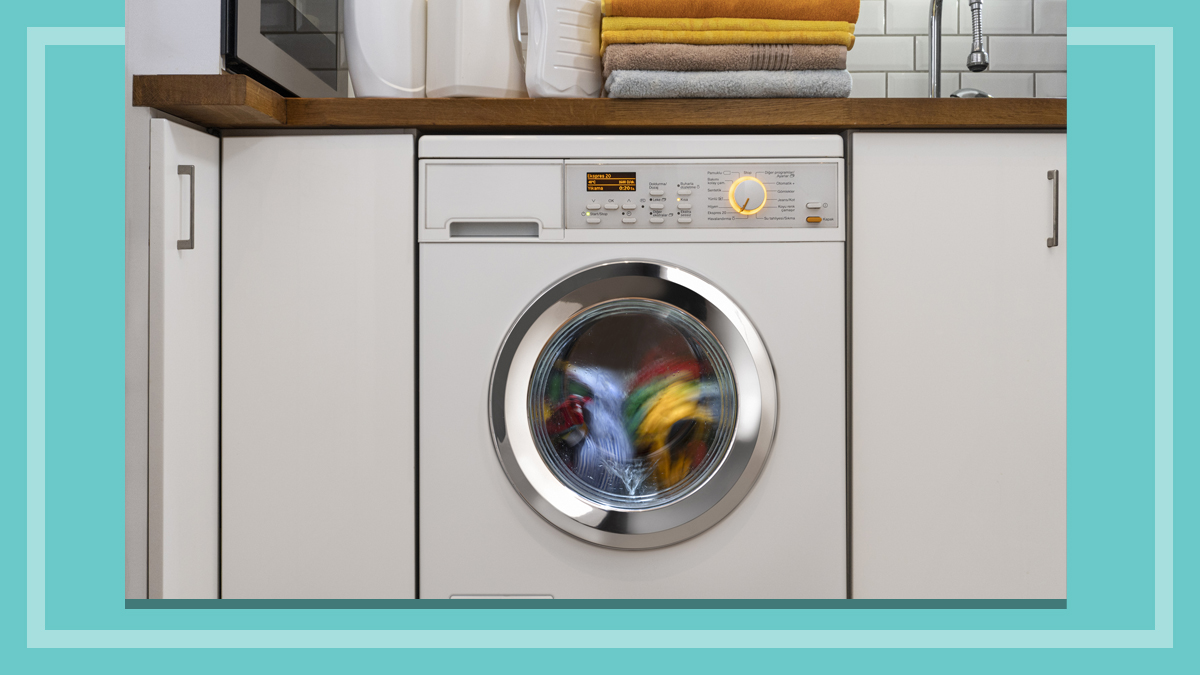
Which are quietest: front loaders or top loaders?
“Generally, front loaders tend to have louder spin cycles and can make higher-pitched noises due to their faster spin speed,” Denis says.
They also tend to take longer to complete a cycle than top loaders, so if they’re loud to begin with then you’ll have to put up with the noise for more time.
And we’re not talking a little bit longer – some machines we’ve tested take more than four hours for a load, from start to finish!
By contrast, the “slowest” top loader in our tests takes just 90 minutes.
Need some strategies to minimise the noise? Here’s how to switch up your laundry routine.
Go slow
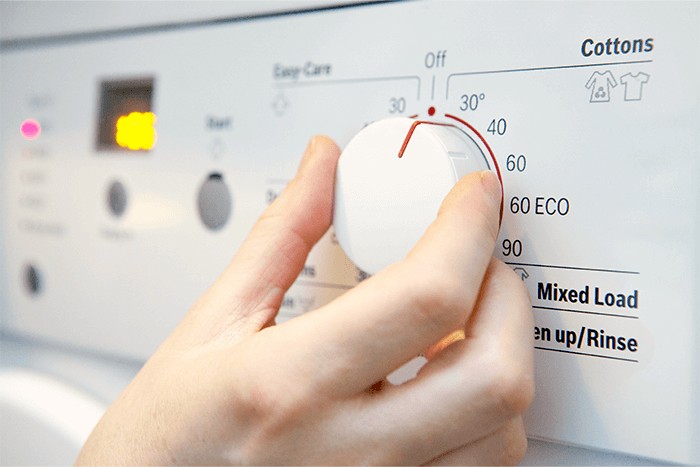
“The higher the spin speed, the drier your laundry will be at the end of the cycle. But the higher the spin speed, the more noise a machine makes,” says Denis.
Adjusting the spin speed can make your machine quieter.
“To reduce the amount of noise, you can choose a lower spin speed – but this strategy has pros and cons.”
Dialling down the spin speed means your washing will come out wetter, so it’ll take longer to dry.
(And if you’re using a clothes dryer, that means you’ll need to run it for longer, costing you more in electricity bills.)
However, a lower spin speed is better for fabrics that are delicate or easily creased, and it’s generally more gentle on your clothes.
When our experts test washing machines, they weigh each load before and after a cycle. They give each machine a spin efficiency score – the higher the score, the less water is left in the fabric at the end of the cycle.
The quieter machines we’ve tested tend to have lower spin efficiency scores, which makes sense: a machine that spins slower will make less noise, but it also won’t remove as much water.
Switch to quick
If you have especially grumpy downstairs neighbours, consider running a “fast” or “quick wash” cycle to minimise the amount of time you’re getting on their nerves.
This isn’t an option for very dirty laundry, of course, but if you only need to do a small load that’s not too grubby then it should do the job.
Try a few different cycle types to see which one gives you the best results in the shortest time.
Minimise the movement
Does your washing machine end up in a different spot than where it started after a cycle? A machine that “walks” can increase the noise (and maybe make you wonder if there’s a ghost in your laundry).
Top loaders are generally lighter and more stable than front loaders as front loaders use heavy weights to keep them balanced. Front loaders’ higher spin speeds mean they can wander more than top loaders.
There are a few steps you can take to stop your washing machine from moving.
Check that your machine is sitting flat on the floor. (A spirit level can help with this.)
Adjust the washing machine’s feet so it’s not wonky.
If you have a top loader, make sure the load is balanced and spread evenly around the drum. Some machines have an out-of-balance correction feature.
Is your machine sitting on timber floorboards? The vibrations can create extra noise. You could try a vibration pad or mat underneath that can keep the wobbles to a minimum.
Check that everything is ship-shape: make sure screws, bolts and other parts are tightened, and check that hoses aren’t kinked or damaged.
Tips to reduce the impact of washing machine noise
If you can’t afford to replace your noisy washing machine with a quieter one, here are a few steps you can take to minimise the inconvenience to your household and your neighbours.
If your washing machine has a timer, set it to run a cycle at a time that’s likely to have less impact on your household and your neighbours.
If you’re home, put on a load at a time that works best for everyone. (This can also save you money if you have solar and can run your machine during daylight hours.)
Wash full loads. This is a no-brainer because you won’t need to run as many cycles, reducing the amount of time your machine is making a racket.
Get stain savvy: treating stains before you wash means you’ll be less likely to have to wash clothes again.
The quietest washing machines from our testing
If noise is one of the most important factors for you, these machines are good options.
Bear in mind though that some of them aren’t as good at removing water during the spin cycle as other models because they don’t spin as fast, so you’ll need to weigh up whether the extra drying time is worth it.
Alice Richard is a Content creator and marketer. Alice writes on a range of topics, from health insurance to heaters and BBQs to bargain-hunting, always with the aim to help consumers find the best products to buy, and which to avoid.
Alice can take vast amounts of data from CHOICE product tests and turn it into content that is easily digestible and fun for readers.
Alice has a Bachelor of Arts from the University of Queensland.
Alice Richard is a Content creator and marketer. Alice writes on a range of topics, from health insurance to heaters and BBQs to bargain-hunting, always with the aim to help consumers find the best products to buy, and which to avoid.
Alice can take vast amounts of data from CHOICE product tests and turn it into content that is easily digestible and fun for readers.
Alice has a Bachelor of Arts from the University of Queensland.
For more than 60 years, CHOICE has been fighting the good fight for Australian consumers.
In the past year alone we've uncovered systemic issues with sunscreens, investigated shonky supermarket pricing, fought for stronger scam protections and helped make complex energy pricing fairer and clearer.
CHOICE is here to provide unbiased advice and independent testing in our world-class labs. We buy the products we test, just like you do, and our expert reviews are influence free. We’re here to help you choose smarter. Hopefully you’ll also save some money along the way.
Thanks to CHOICE, you’ll never be alone when a business treats you unfairly. You can support our work by joining or donating to our cause.