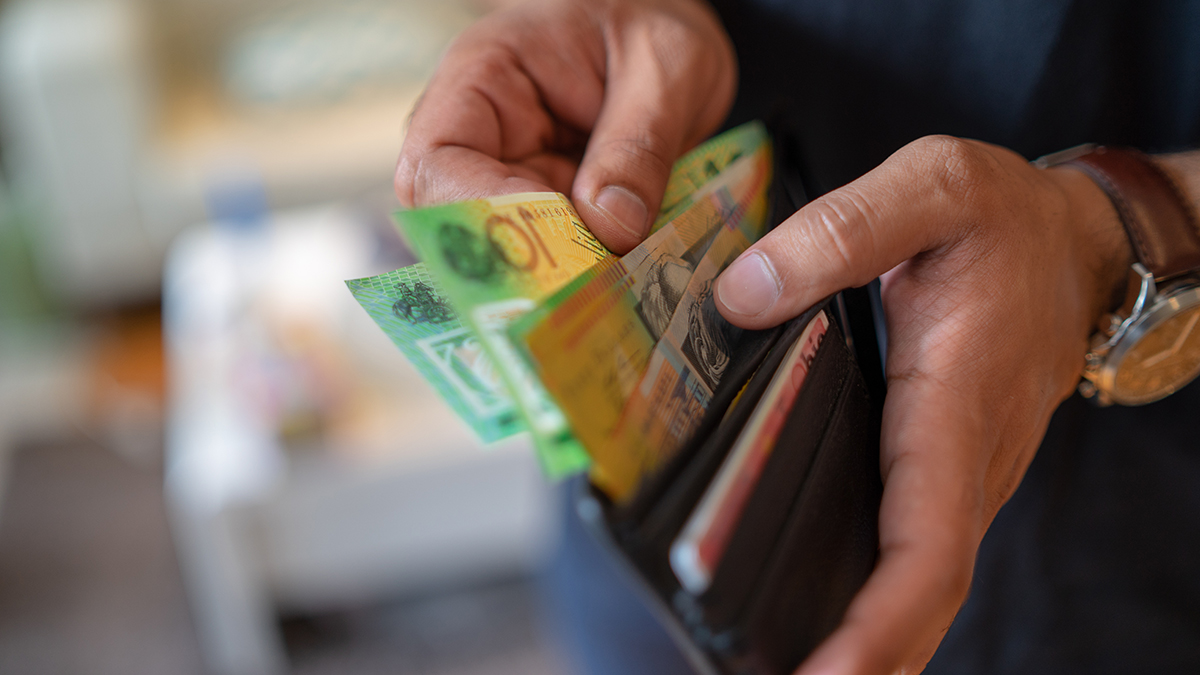
Despite the decline in the use of cash and the increase in mobile and card banking, almost all Australians think it’s important that being able to pay with cash remains an option.
That’s the finding of a recent CHOICE survey of almost 13,000 people, with 97% saying it’s important that businesses selling essential goods and services are mandated to accept cash.
97% say it’s important that businesses selling essential goods and services are mandated to accept cash
More than eight out of ten survey respondents said they used cash over the past year to pay for goods or services.
Respondents in regional areas in particular expressed concern that increased fees to access cash in their community would have an impact on them, and in some cases a major impact.
In December last year, the government opened submissions to consult on mandating cash acceptance by businesses when selling essential items. The CHOICE submission calls for the government to take steps to ensure that consumers retain reasonable free access to cash.
This may require improving current cash accessibility in some areas of Australia.
The supply of cash and the ability to use it should not be dependent on the profitability of its supply and use
CHOICE head of policy Tom Abourizk
“There are no existing laws that guarantee the right to access or use cash. While we welcome the government’s proposal to mandate the acceptance of cash, more needs to be done to secure the future of cash,” says CHOICE head of policy Tom Abourizk.
“The supply of cash and the ability to use it should not be dependent on the profitability of its supply and use. The government needs to act to ensure people in all parts of Australia can rely on cash.”
With many banks closing regional branches and ATMs in recent years, there are concerns that people living in remote or regional areas of Australia will be hit hardest by the decline in cash and be left with fewer options.
“Our survey found that cash accessibility and acceptance are particularly important for communities outside of cities,” says Abourizk.
“A massive 97% of respondents living in country or remote areas expressed that having fewer places to access cash would impact them.”
There are also concerns that First Nations communities, elderly people, those dealing with the aftermath of natural disasters and those fleeing domestic and family violence situations will be disproportionately affected as they often rely on hard currency.
Rowena Parkes, who works in aged care, says low levels of online literacy means that using cash to pay bills and buy essentials like groceries is a key part of her clients’ everyday lives.
“To remove cash would be to remove their ability to basically live, it would be debilitating,” she says.
“It would be more isolating for those who are already isolated. Interactions are a crucial part of their lives, even just walking to get a coffee in the morning or the newspaper can give them quite a lot of interaction that helps keep them going,” Parkes adds.
To remove cash would be to remove their ability to basically live, it would be debilitating
Rowena Parkes, who works in the aged care sector
Abourizk says it is important that the government plays an active role in determining the future of cash in society, and that businesses shouldn’t be left to write the rules relating to fees and surcharges for using and accessing cash.
“Obligations to accept cash will mean nothing to consumers if they cannot access or use their own money for free in their communities,” he says.
Jarni Blakkarly is an award-winning Investigative Journalist at CHOICE. Jarni has worked for news organisations such as SBS, Reuters, Al Jazeera English, ABC 730, Radio National, BBC World Service and Deutsche Welle.
Jarni won the Walkley Foundation's young journalist of the year student category award in 2016 and was the recipient of a Melbourne Press Club Michael Gordon fellowship in 2022. In 2023 he was a highly commended finalist in the Quill Awards and a winner at the 2024 Excellence in Civil Liberties journalism awards. In 2024 he was elected to serve on the Federal Council (National Media Section) of the MEAA. Jarni has a Bachelor of Communications (Journalism) from the Royal Melbourne Institute of Technology (RMIT).
Jarni Blakkarly is an award-winning Investigative Journalist at CHOICE. Jarni has worked for news organisations such as SBS, Reuters, Al Jazeera English, ABC 730, Radio National, BBC World Service and Deutsche Welle.
Jarni won the Walkley Foundation's young journalist of the year student category award in 2016 and was the recipient of a Melbourne Press Club Michael Gordon fellowship in 2022. In 2023 he was a highly commended finalist in the Quill Awards and a winner at the 2024 Excellence in Civil Liberties journalism awards. In 2024 he was elected to serve on the Federal Council (National Media Section) of the MEAA. Jarni has a Bachelor of Communications (Journalism) from the Royal Melbourne Institute of Technology (RMIT).
For more than 60 years, CHOICE has been fighting the good fight for Australian consumers.
In the past year alone we've uncovered systemic issues with sunscreens, investigated shonky supermarket pricing, fought for stronger scam protections and helped make complex energy pricing fairer and clearer.
CHOICE is here to provide unbiased advice and independent testing in our world-class labs. We buy the products we test, just like you do, and our expert reviews are influence free. We’re here to help you choose smarter. Hopefully you’ll also save some money along the way.
Thanks to CHOICE, you’ll never be alone when a business treats you unfairly. You can support our work by joining or donating to our cause.