The best products to combat allergies and hayfever this spring
Whether your allergies only flare when the seasons change or you’re suffering year-round, these are the appliances that could help dial down your discomfort.
It’s that time of year when the frosty days and nights of winter transform into balmy spring weather. But while some of us relish the hike in temperatures, for others, it’s the beginning of sneezin’ season.
Spring can spell doom for hayfever and allergy sufferers, and while outdoor plants are the main culprits of seasonal allergies, unfortunately the irritants can follow you indoors. The comfort of your own home can be disrupted by allergens such as pollen that can make their way inside through open doors and windows or on clothing, or pets that carry pollen inside. This is in addition to the dust mites or mould issues that can cause allergic reactions or irritation year-round.
There are some appliances that can be useful to help reduce your exposure to allergens and hayfever triggers
While there are simple, practical things you can do to reduce irritants in your home, such as keeping doors and windows closed and cleaning your clothes and bedding regularly, there are also some appliances that can be useful to help reduce your exposure to allergens and hayfever triggers.
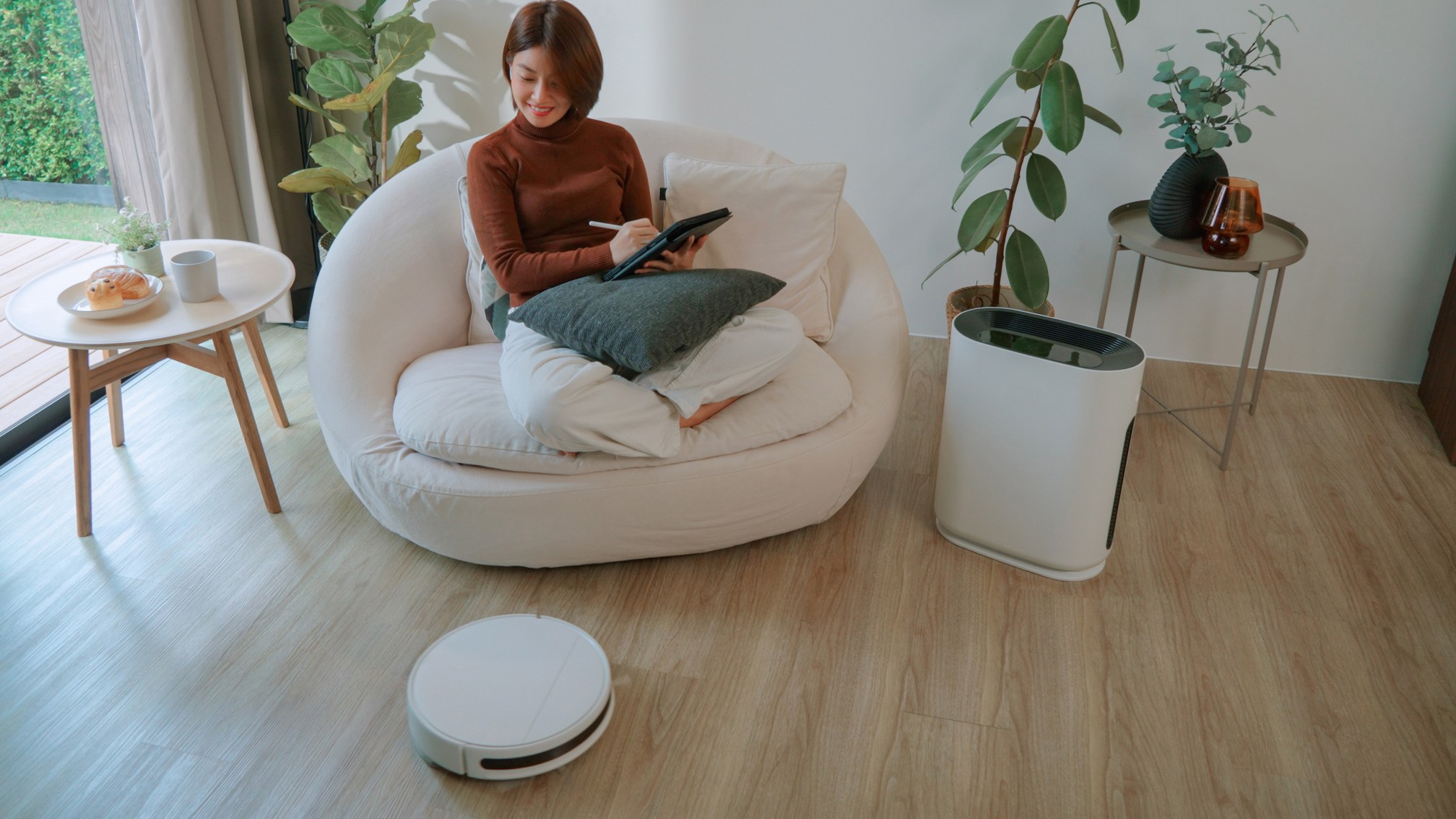
From air purifiers to vacuum cleaners, robot vacuums, dehumidifiers and clothes dryers, here’s our expert advice on how to use your existing appliances in the fight against spring sneezing, or choose the right product if you’re buying something new.
Plus, CHOICE members can access our detailed product reviews to find out which appliances our experts recommend in each category.
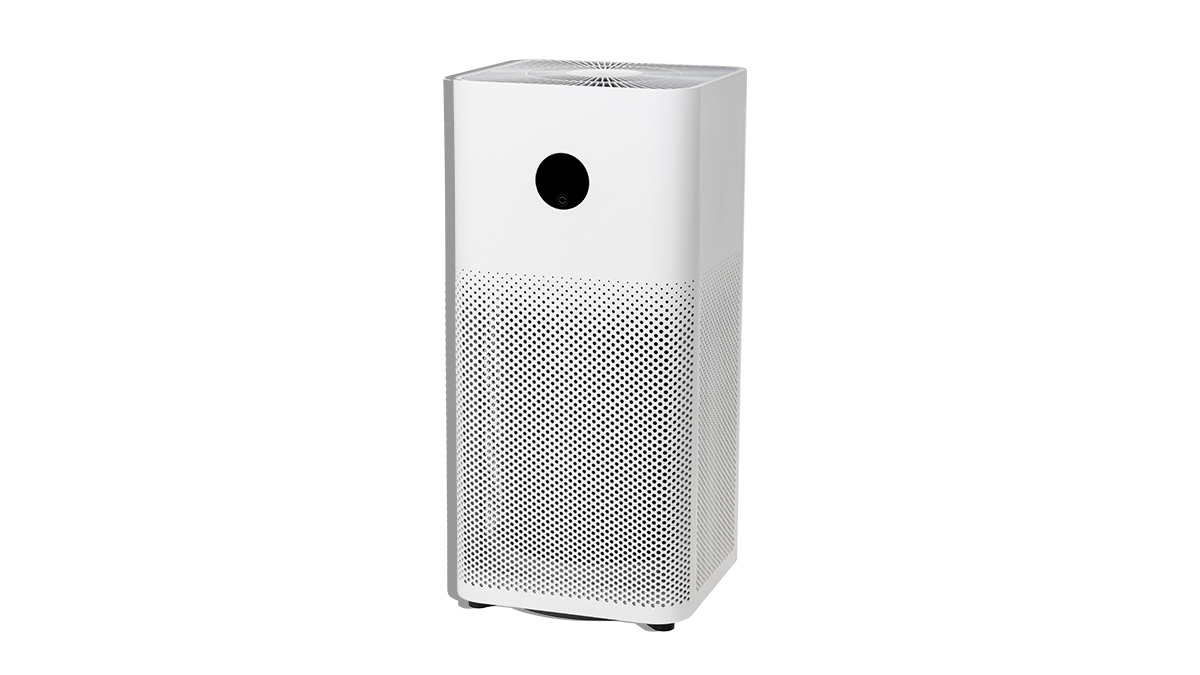
An air purifier that’s good at removing dust will also be good at removing pollen from the air.
When pollen counts rise in spring, keeping doors and windows closed isn’t always practical and it also may not be enough to keep allergens out of your home.
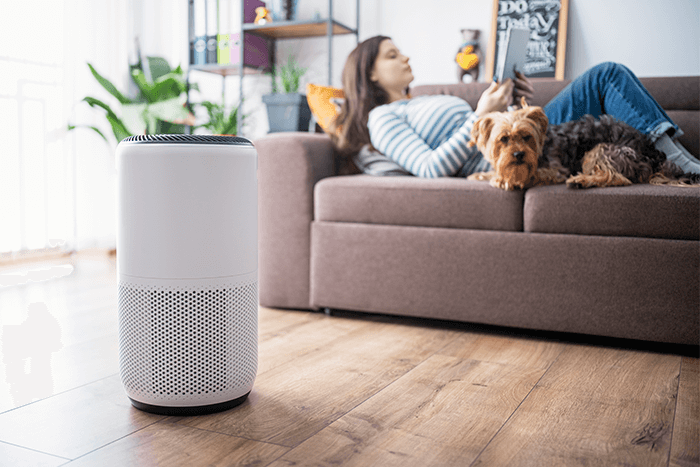
Air purifiers can help filter airborne particles such as pollen, dust and your four-legged friend’s fur, potentially making indoor spaces more comfortable for allergy and hayfever sufferers.
Our testing measures how much dust, smoke and VOCs each air purifier removes from the air. But what if you specifically need something to minimise the pollen count inside your home?
“Dust and pollen particles come in a wide range of sizes, but they are broadly similar, so if an air purifier is good at removing dust from the air, then it’ll also work well for pollen,” says CHOICE appliance expert Chris Barnes.
Air purifiers can help filter airborne particles such as pollen, dust and your four-legged friend’s fur
But he also issues a word of warning.
“If you or someone in your household is asthmatic, steer clear of air purifiers that use ozone technology.”
“They generate ozone, which causes breathing irritation. Ionic purifiers can also produce ozone, so we recommend avoiding them too.”
Use our detailed air purifier reviews to look for the air purifiers that score highest for dust removal if you’re looking for a machine to purge the pollen from your home.
A clean home is a happy home in more ways than one. It makes sense that regular vacuuming of hard floors, carpets and furnishings can help banish irritants that can trigger a fit of sneezing.
But it’s not enough to have a high-performing vac with great suction power on both floors and carpets. It’s also important to think about how the appliance is emptied – copping a face full of dirt, hair and dust is a big no-no if you’re an allergy or hayfever sufferer.
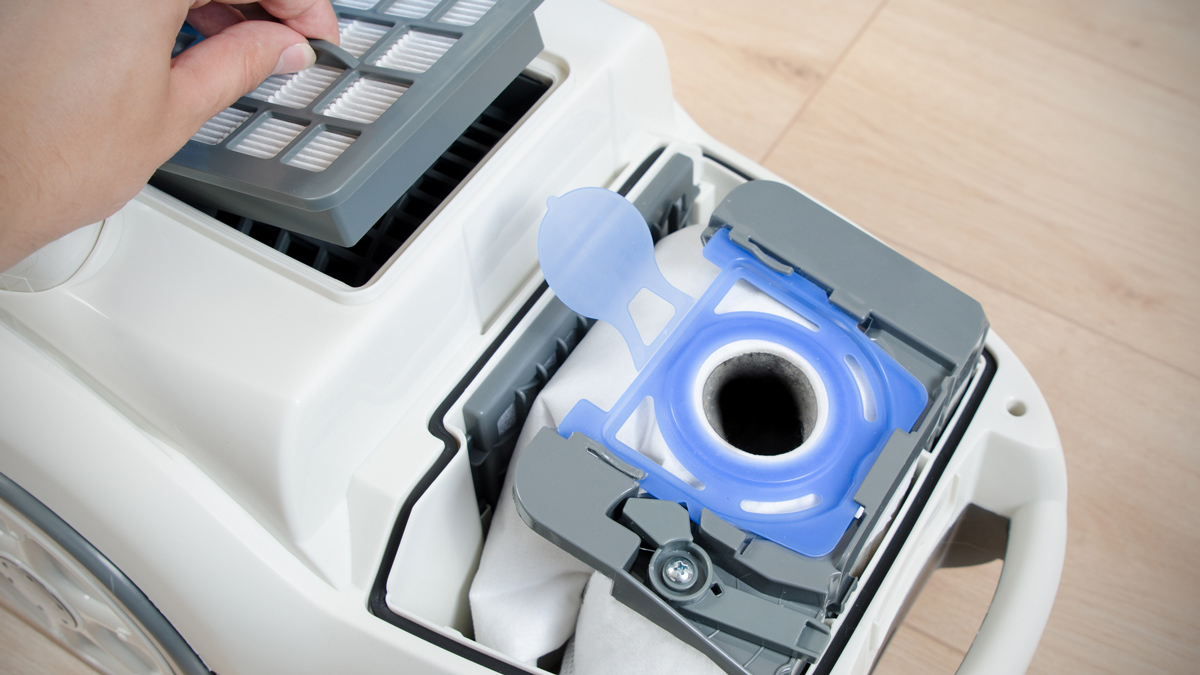
HEPA filters are extremely effective at trapping very fine dust and allergens such as pollen and pet dander
CHOICE experts run rigorous tests to assess all aspects of a vacuum’s performance, including how well they clean hard floors and carpet, how much pet hair they pick up, whether they’re any good at cleaning corners and edges, and how easy they are to use.
Plus they assess how easy each vacuum is to empty, which can really make a difference to your exposure to dust and pet hair.
HEPA filters need to be regularly cleaned and eventually replaced.
Can a HEPA filter help? Some vacuum cleaners also come with HEPA filters which are extremely effective at trapping very fine dust and allergens such as pollen and pet dander. When you use a vacuum with a HEPA filter, the air is blown back out into the room through the filter, which captures allergens and makes sure that they don’t make it back into your house.
Aside from the usual debris and pet hair that vacuums pick up, a vacuum with a HEPA filter will also capture dust mite droppings, mould and tobacco particles.
Buying a new vacuum? Things to consider
Here’s what to consider when buying a new vacuum to help with allergies and hayfever.
A bagless vacuum may sound convenient but bear in mind that you’ll have to empty it, which could expose you to the dust you’ve just vacuumed up.
While a bagged vacuum might seem old-fashioned and annoying to use, the bag contains the dust and allergens so they won’t be released back into the air. But you will need to keep buying the bags, which is a cost that adds up over time and is an issue if you run out.
We rate each vacuum on how easy it is to open and empty the bag or bin, so check our barrel and upright vacuum reviews to find the right one for you.
Some stick vacums have a self-emptying dock: when you put the vacuum on to charge, the dock empties the vacuum’s dust bin so you don’t have to. The dock’s dust bin can hold around 5–6 times the volume of the stick vacuum’s dust bin, so you won’t need to empty it as often. There’s often a large bag inside the bin which contains the allergens so they won’t be released back into the air, but replacement bags can be expensive. You can also get bagless models. Find out more about whether self-emptying stick vacs are worth it.
In the past, stick vacuums haven’t typically performed as well on carpet as traditional vacs, but some of the higher-end sticks now do as good a job as barrel vacuums. But check our stick vacuum reviews to make sure you’re buying the best for your needs.
Some sticks come with a fluffy or soft head for hard floors, which will help you get the dust up more efficiently.
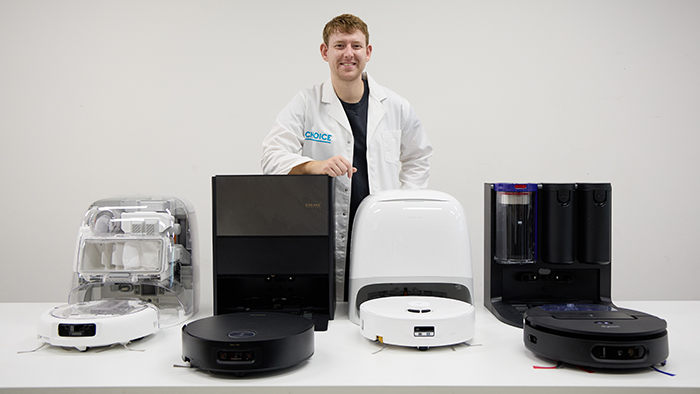
CHOICE expert Adrian Lini has tested dozens of robot vacuums in the CHOICE labs.
Robot vacs can be a great help in keeping pet hair and dust mites in check, particularly if you don’t have a lot of spare time for cleaning, but they do have limitations compared to stick and barrel vacuums. They can also be extremely expensive (there are models in our recent review that run into the thousands).
And although we’ve seen some great performers, our lab tests have also seen plenty of models that can’t handle a hair ball at all, so check our robot vacuum reviews before you buy.
“On hard floors, we’ve found most robot vacs do a good job picking up pet hair and it’s easy to program them regularly to keep it at bay,” says CHOICE home appliance expert, Adrian Lini.
“However, on carpet, robots often perform badly because they don’t have the force or agitation required to suck up the hairs embedded in it.”
On hard floors, we’ve found most robot vacs do a good job picking up pet hair
Adrian Lini, CHOICE vacuum expert
“They’re also getting a lot smarter and high-tech, “ says Adrian.
“Some can show you dust hotspots in your house and even sense how much dirt is on the ground, and if it’s less dirty, they’ll run at lower power to save the battery.”
More expensive models now come with self-emptying docks, too, which means you don’t have to deal with emptying the dustbin as often, further reducing your exposure to a sneeze-fest of dander.
Sometimes it’s not what’s blowing through the windows that causes havoc for hayfever and allergies, but rather what could be lurking within your floors, walls and cupboards. Damp indoor environments can encourage mould growth and create conditions that favour dust mites, both of which can trigger problems for some allergy sufferers.
A dehumidifier essentially removes moisture from the air, helping to prevent mould. For the warmer seasons, you should be looking at refrigeration dehumidifiers – they draw air in, filter it, cool it to condense the moisture, then reheat it and push the warmer, dryer air back into the room. They operate best in hot, humid conditions. The hotter the air, the easier it is to cool it by a large amount and extract moisture from it. They don’t work so well in cold air as it’s harder to cool already-cold air in order to condense water from it.
Damp indoor environments can encourage mould growth and create conditions that favour dust mites
If you don’t already have a dehumidifier but you have a split-system air conditioner, check to see if it has a “dry mode” – some models have this option, which is a mild cooling mode that focuses mostly on dehumidifying, and can be useful in mildly warm weather as an alternative to a dehumidifier. Look for a model with a built-in humidistat, automatic humidity control and a suitable capacity for the room. Find out more about buying a dehumidifier.
In Australia, aka the homeland of the Hills Hoist, we’re taught the many benefits of drying our clothes outdoors – certain clothes dryers can be inefficient and expensive to run, after all, so it’s rightly touted as a great option for both our environment and your wallet.
Unfortunately, when spring hits and the trees, grasses and flowers let all sorts of pollen and debris fly free into the wind, these hayfever triggers and allergens can often alight on your sheets, towels and clothing if they’re left drying in the great outdoors.
Using a hot tumble dryer for at least 10 minutes can kill dust mites
This is why Australian health advice specifically recommends drying clothes and bedding indoors or in a tumble dryer if pollen is triggering your symptoms. Health Direct also says that using a hot tumble dryer for at least 10 minutes can kill dust mites – great news if the little critters are a trigger for you.
If you’re anxious about the cost or environmental impact of using your clothes dryer, just focus on using it for your bedding or other items that will come into close contact with your face, such as towels.
Pru Engel is the Audience and Engagement editor at CHOICE. Her job is to ensure as many Australians as possible know about the great work we do at CHOICE.
She works closely with our testers and experts to find the gems of information in our data and research that will resonate with Australian consumers and help them make the best decisions, whether they're purchasing an air fryer, looking for a new mattress or trying to find the cheapest car insurance. She also helps to drive meaningful change for consumers by collaborating with our Campaigns team on content covering issues such as grocery pricing, product safety and scams.
Prior to CHOICE, Pru worked as an editor at many of Australia's leading food and lifestyle titles.
Pru has a Bachelor of Arts in Communication (Journalism) from the University of Technology, Sydney.
LinkedIn
Pru Engel is the Audience and Engagement editor at CHOICE. Her job is to ensure as many Australians as possible know about the great work we do at CHOICE.
She works closely with our testers and experts to find the gems of information in our data and research that will resonate with Australian consumers and help them make the best decisions, whether they're purchasing an air fryer, looking for a new mattress or trying to find the cheapest car insurance. She also helps to drive meaningful change for consumers by collaborating with our Campaigns team on content covering issues such as grocery pricing, product safety and scams.
Prior to CHOICE, Pru worked as an editor at many of Australia's leading food and lifestyle titles.
Pru has a Bachelor of Arts in Communication (Journalism) from the University of Technology, Sydney.
LinkedIn
For more than 60 years, CHOICE has been fighting the good fight for Australian consumers.
In the past year alone we've uncovered systemic issues with sunscreens, investigated shonky supermarket pricing, fought for stronger scam protections and helped make complex energy pricing fairer and clearer.
CHOICE is here to provide unbiased advice and independent testing in our world-class labs. We buy the products we test, just like you do, and our expert reviews are influence free. We’re here to help you choose smarter. Hopefully you’ll also save some money along the way.
Thanks to CHOICE, you’ll never be alone when a business treats you unfairly. You can support our work by joining or donating to our cause.