There’s probably never been a better time to install a solar system. Peak electricity prices continue to rise, solar panels are coming down in price and the federal government is now offering an estimated 25–30% rebate on eligible home batteries.
But if you’re feeling overwhelmed by all the solar tech talk, you’re not alone.
Energy independence can slash your bills and cut your carbon footprint, but it can be complex and confusing too. Just researching it can give you a headache and that’s before you’ve even learnt the difference between a kilowatt and kilowatt hour.
“A good solar installer will always guide you through the process, but going in with even an entry-level understanding will definitely help you get a better deal and ask the right questions along the way,” says CHOICE solar expert Chris Barnes.
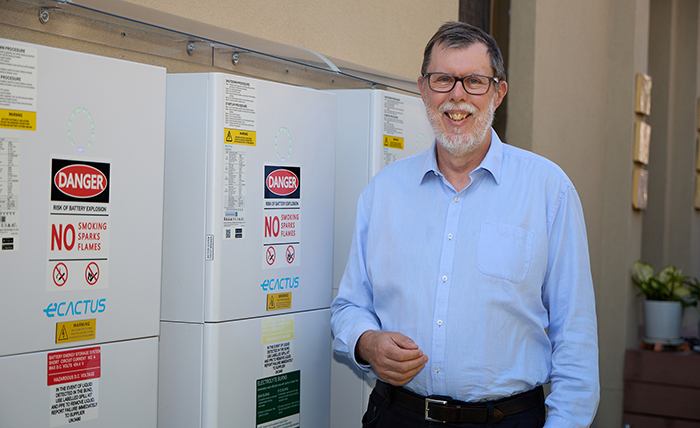
CHOICE expert Chris Barnes has been reviewing solar products for over 10 years.
Being knowledgeable will also help you spot the dud deals and shady offers you’re bound to come across in your quest for the best. To give you a head start, here’s our guide to the key questions you need to ask (and the all-important answers) before you plug your home into solar.
A solar system will generally work anywhere in Australia, but it will definitely work better in some locations and under certain conditions. For installation, you’ll need to consider factors like:
Location
How much sun do you get where you live? Southern regions like Hobart receive less sunlight than northern areas like Darwin. This will determine how much electricity your panels can generate and whether it’s enough to sufficiently charge a battery for your home’s power needs.
Your roof
How big is it? This will determine how many panels you can install. Which direction does your roof face? North-facing panels catch the most sunlight, but even south-facing panels can still produce about 80% of their rated power.
Shade
To maximise your solar gains, ideally there should be no trees, power lines or other structures shading your roof.
Council
Check if any approvals are required from your council (i.e if your home is heritage-listed or you need to remove trees during installation).
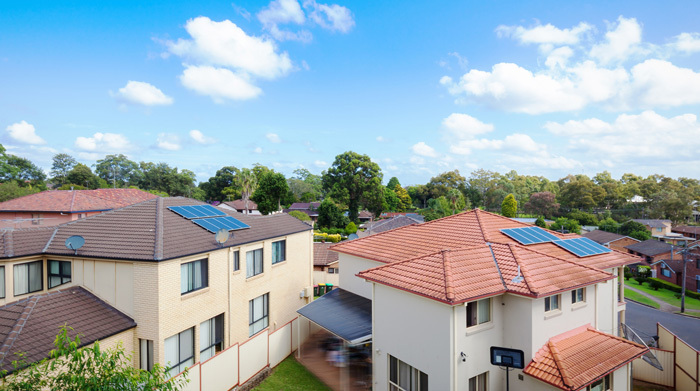
Location, roof size, aspect and shade can greatly affect solar power generation.
“A solar installer should inspect your home and premises thoroughly to assess these criteria for you and identify any issues that might impact the system installation,” says Chris.
Solar is most commonly installed by house owners. If you’re renting or have bought an apartment, it can be more difficult to get as you’ll need to co-ordinate it with your landlord or strata respectively, but it can still happen.
.
Why we've partnered with SolarQuotes

We've partnered with SolarQuotes to help you find and buy the right solar, battery, heat pump and EV charger. While we make money if you use SolarQuotes to find an installer, this doesn't influence our ratings. 100% of the money we make goes directly back into our nonprofit mission.
2. What equipment do you need?
Before you start contacting installers and shopping for solar deals, it’s important to know the various components and what they do.
Solar panels
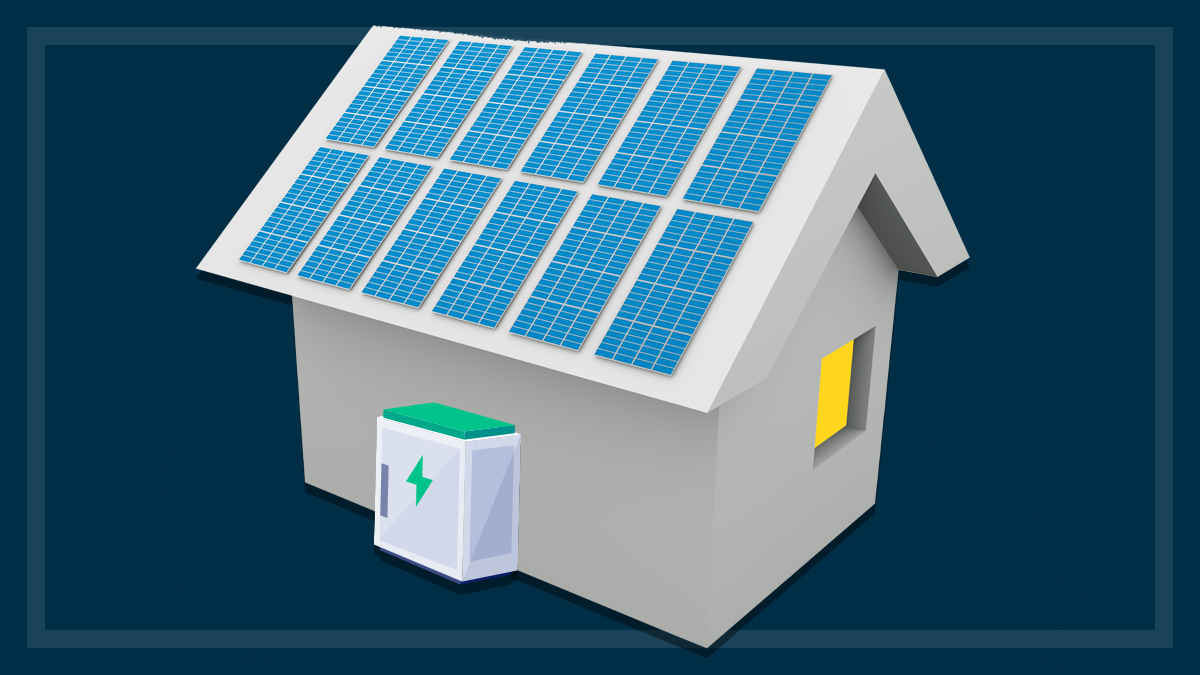
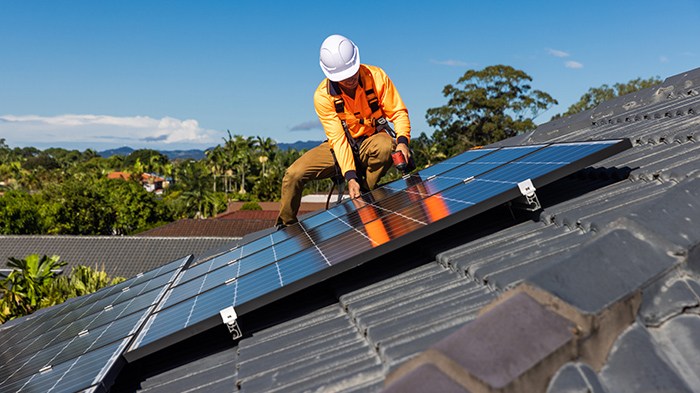
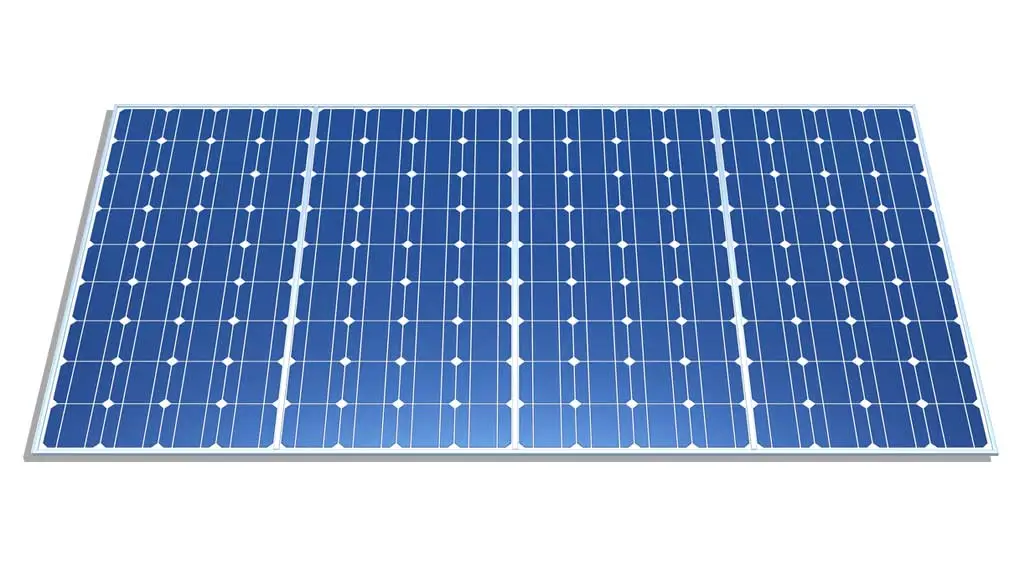
Solar panels convert light energy into electricity in a process called the photovoltaic (PV) effect. The panels’ electricity-generating capacity is measured in kilowatts (kW) while the amount of electricity it makes over time is measured in kilowatt hours (kWh).
The energy generated can be used then and there in your home (i.e. running your fridge or washing machine). If there’s surplus, it can either go into the electricity grid in exchange for a small credit from your retailer (called the feed-in tariff, or FiT), or be stored in a home battery to be used at night or in cloudy weather.
The number of solar panels you need depends on your home’s energy use. A typical home uses 16–20kWh per day, which equates to a 5kW solar panel array, but most people now opt for a 6.6kW system or bigger, as panels are relatively cheap and powerful.
If you’re considering a battery or buying an electric vehicle soon, it makes sense to get a bigger solar panel system now, so you have enough juice to keep them charged. It’s usually easier and cheaper to install a bigger solar panel system upfront than try to add more panels later.
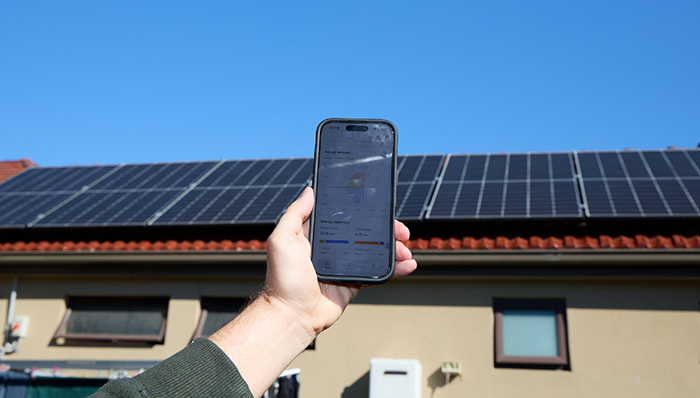
Your solar app can show you how much electricity you’re generating in real time.
Our solar panel reviews reveal that the tested panels generally perform according to their claimed power capacity, so you can feel confident in most of the panels we’ve tested. The main differences are price and warranty.
“Panel price alone isn’t an indicator that one panel will be better than another,” says Chris. “More expensive panels may work better in the long term, but with cheaper panels you might be able to put more on.”
Thankfully, the cost of installing panels is subsidised by the federal government’s rebate, officially known as the Small-scale Renewable Energy Scheme.
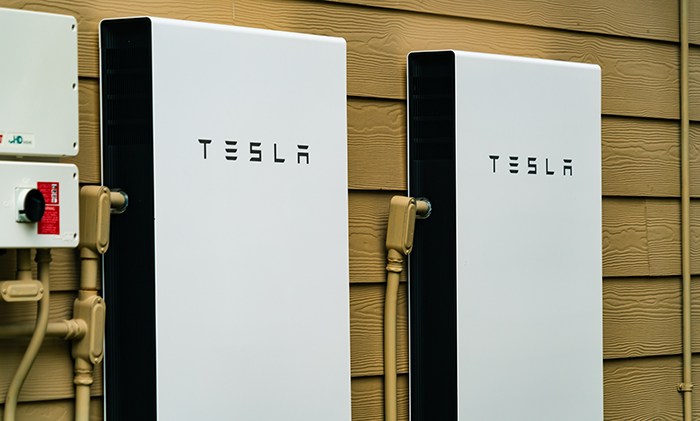
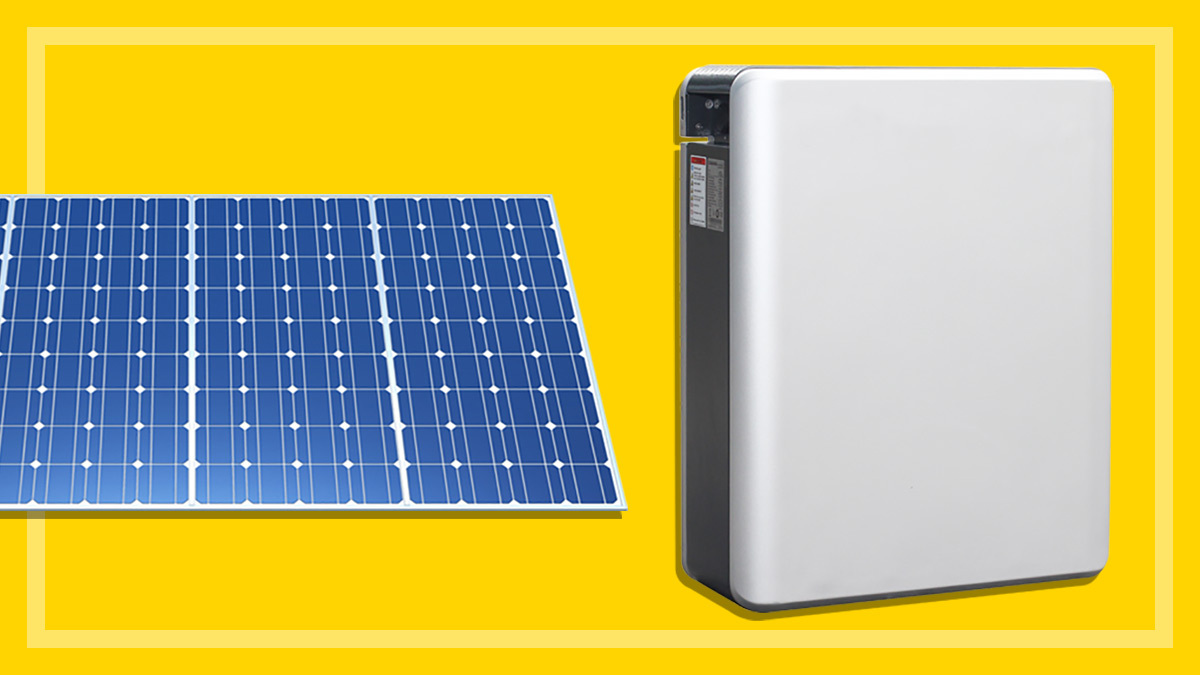
Typically housed in a nondescript casing, home batteries are usually installed in your garage, or outside your home in a sheltered area.
They can come as a fixed, one-piece unit or as a modular system with stackable storage cells, which you can add to as needed. Battery capacity is also measured in kWh.
Home batteries: Handy for reducing power bills, but not that interesting to look at.
You can charge your battery either from your solar panels or from the grid when the electricity cost is low (or for free if you’re on a new Solar Sharer Offer plan).
Then you can use it to power your home and avoid drawing from the grid at peak times. If you have surplus power, you can send it to the grid to earn peak feed-in tariffs or to a virtual power plant for possibly higher rates, depending on your plan.
If you’re interested in batteries, our battery buying guide has all the information you’ll need to get up to speed quick.
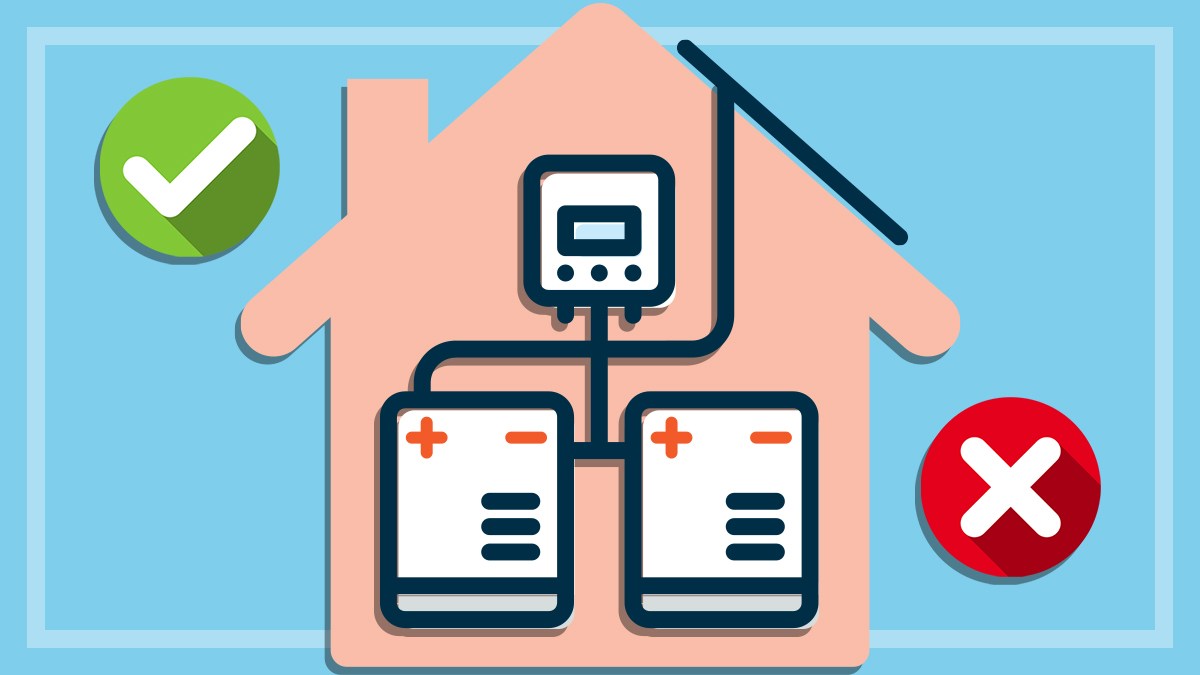
Both solar panels and batteries require a device called an inverter, which converts direct current (DC) power from the panels into alternating current (AC) power which your home uses. You can have separate inverters or a “hybrid” inverter, which will manage both.
The inverter’s size is rated in kilowatts (kW) and is the maximum amount of DC power that the inverter can draw from the battery, or send to it (i.e. charge it) at any one time.
For example, if you have a 20kWh battery and a 5kW inverter, it can only supply 5kW of power at any one time (above that and you’ll start drawing power from the grid). Think of it like the battery is a water tank and the inverter is a hose connection – you can only draw or add as much water as the hose allows.
“The inverter is a complex piece of electrical gear. In the first ten years or so of your system’s life, if anything fails, it’s probably going to be the inverter,” says Chris.
“Most inverters will last the distance, but it’s important to know what you’re getting, and especially to know how good the inverter’s warranty is.”
“Reducing power bills and freeing yourself from the grid sounds great, but there are still significant upfront costs, even after the government rebates,” says Chris.
Thankfully, the cost of solar components has come down a bit over the past several years and the products you’ll get for that money today are more powerful than those available a few years ago.
So how much will solar panels and batteries set you back? According to our friends at SolarQuotes, these are the average current price ranges for installation.
15kW solar + 30kWh battery: $22,000–$30,000 installed
20kW solar + 40kWh battery: $25,000–$32,000 installed
Expect to pay the higher end of the range if you’re going for top quality components or if your home has unusual installation requirements.
“Keep in mind, a more difficult, time-consuming installation can bump up costs considerably, given architectural and technical factors can increase the time, work and wiring a job requires,” says Chris.
It definitely has been for many people, but ultimately it does depend on multiple factors specific to you. These include the system you choose, your home energy consumption, your location, and the individual electricity costs you’re paying in your state or territory, which can vary wildly.
Installing solar panels can be well worth the upfront cost. They’ve dropped in price over time and can make a decent dent in your electricity bills immediately (especially if you start using your appliances more during the day).
Panels have dropped in price over time and can make a decent dent in your electricity bills
Likewise, batteries can seriously cut your electricity costs as you bid goodbye to the grid’s peak-time pricing, but they are expensive and can take longer to pay themselves off than panels.
“Households paying hundreds of dollars per quarter for electricity will definitely benefit from looking into solar panels. So will households with low electricity consumption, though their payback time might be a bit longer,” says Chris.
“Up until recently, home batteries weren’t cost-effective because their payback time was often longer than the battery’s warranty period, which is typically ten years. But with the new rebate, that equation is looking more positive, depending on your usage, home and the current electricity rates you’re paying.”
“Finding a good installer is a really important part of the process – it shouldn’t be underestimated,” says Chris.
“Solar and battery systems are a complicated bit of technology and most people don’t understand how they work, so you need to make sure you can trust your installer.”
Dodgy installers are a particular concern when government subsidies are on offer. And remember, you can only get the solar rebates once per premises, so you really want to get your system right the first time.
Always get multiple installer quotes to compare before choosing one.
In almost all circumstances, it’s illegal to install your own solar panel system (unless you’re an accredited electrician/solar installer, of course).
Correctly designing the system takes skill and training, and the electrical work must be done by a licensed electrician. You won’t be eligible for rebates if you don’t use an accredited solar installer and your installation may not be covered by insurance.
companies that have been in business more than five years (check their ABN to see when it was registered)
companies with sales and technical support based in Australia
companies that will visit your home and tailor a system specifically for your home and needs.
Always get quotes from multiple installers
We know shopping around and teeing up separate inspections can be a drag, but with something as pricey as solar and battery systems, we highly advise getting at least three quotes.
Not only can companies’ prices differ dramatically, they may also offer different brands and configuration suggestions that can be very useful to compare.
Check with friends and family who’ve used installers to see if they can recommend a company, and also peruse online reviews, ensuring that they get quality feedback, solve any issues promptly and have an established track record.
If you need a hand, you can also try CHOICE’s Solar Estimator to connect with our solar partner, SolarQuotes, who will provide you with high-quality quotes from vetted installers in your area.
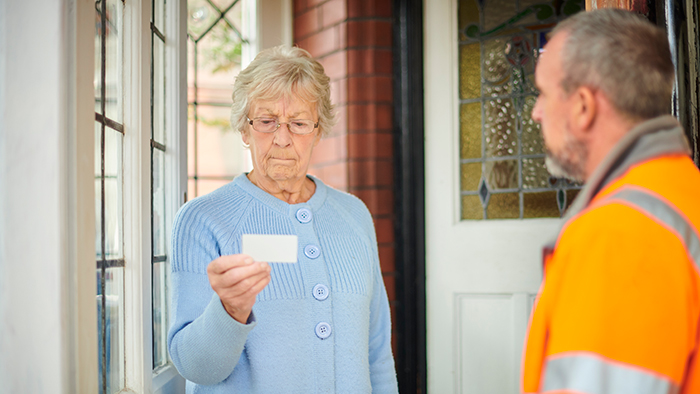
Be highly cautious of pushy door-to-door salespeople or telemarketers.
Lastly, we strongly advise against buying solar from salespeople knocking on your door or cold-calling telemarketers. They are usually paid on commission and can use high-pressure tactics (i.e. ‘today only!’ sales) to make quick sales or sell you products not optimised to your home or energy needs.
Jason is a Content Editor and journalist at CHOICE. He writes about a diverse range of subjects, from solar to robot vacuums to why Easter eggs are a rip-off. He's previously written for Sydney Morning Herald, Rolling Stone and many other publications.
Jason is a Content Editor and journalist at CHOICE. He writes about a diverse range of subjects, from solar to robot vacuums to why Easter eggs are a rip-off. He's previously written for Sydney Morning Herald, Rolling Stone and many other publications.
For more than 60 years, CHOICE has been fighting the good fight for Australian consumers.
In the past year alone we've uncovered systemic issues with sunscreens, investigated shonky supermarket pricing, fought for stronger scam protections and helped make complex energy pricing fairer and clearer.
CHOICE is here to provide unbiased advice and independent testing in our world-class labs. We buy the products we test, just like you do, and our expert reviews are influence free. We’re here to help you choose smarter. Hopefully you’ll also save some money along the way.
Thanks to CHOICE, you’ll never be alone when a business treats you unfairly. You can support our work by joining or donating to our cause.