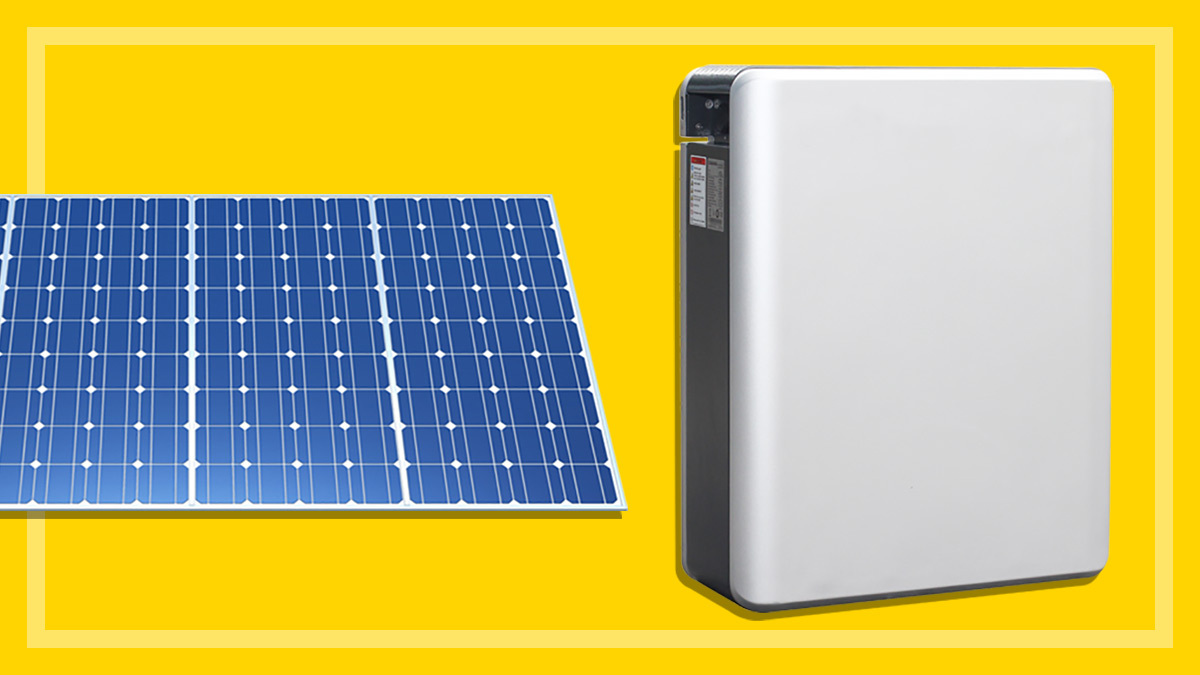
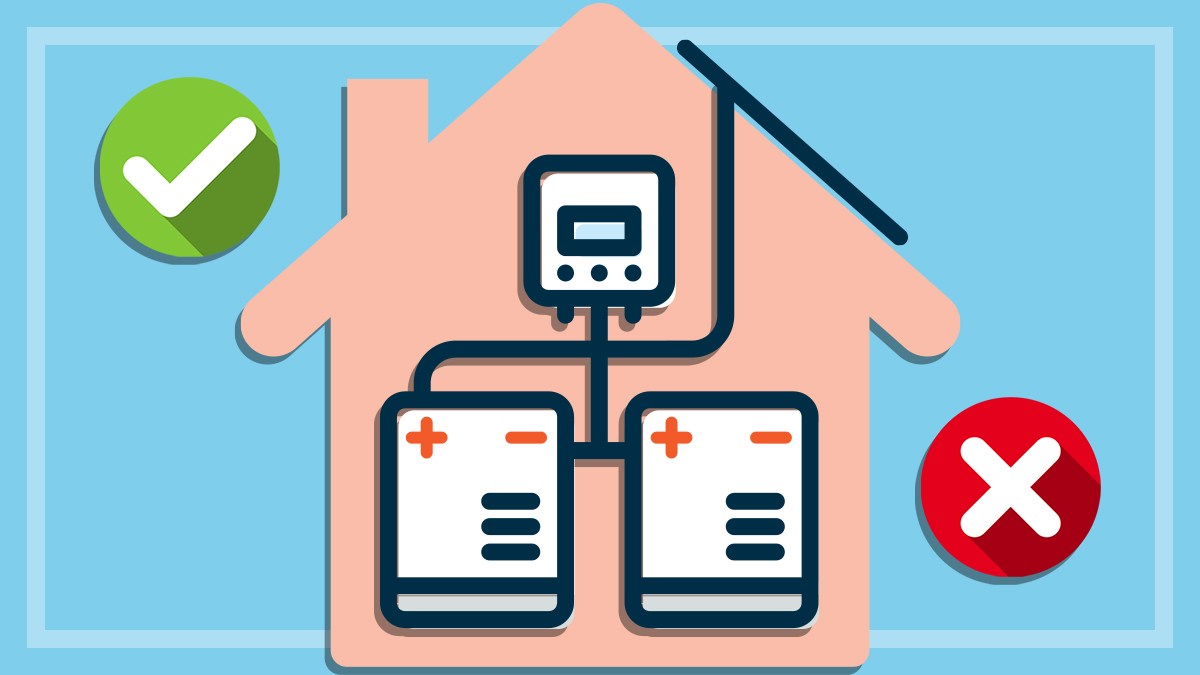
Electricity is more efficient and cheaper – especially if you generate it for free with solar panels and store it in a battery.
It’s healthier – gas cooking and heating produces pollutants indoors which can impact respiratory health.
Less environmental impact – gas is a fossil fuel that produces greenhouse emissions when it’s mined and when it’s burned.
You can stop paying costly daily gas supply charges.
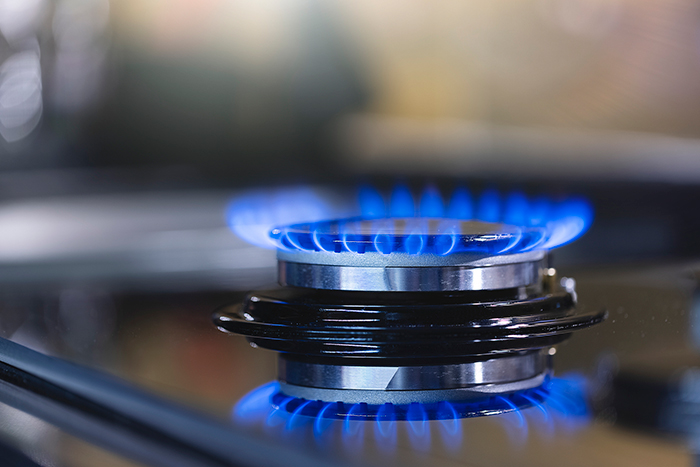
Gas cooktops and heaters can produce dangerous pollutants in your home.
Cons of switching
High upfront replacement costs – going electric can require serious cash to convert, depending on your home and current wiring.
Installation can be complicated and costly, especially if you have an older house that needs significant upgrades (i.e. higher power needs, new switchboard).
Electric induction cooktops can require new cookware
If you switch gradually, you’ll still need to pay a fixed gas supply charge while you’re in the process.
Switching to an electric cooktop
Looking to turn those gas burners off for good? There’s two electric options available.
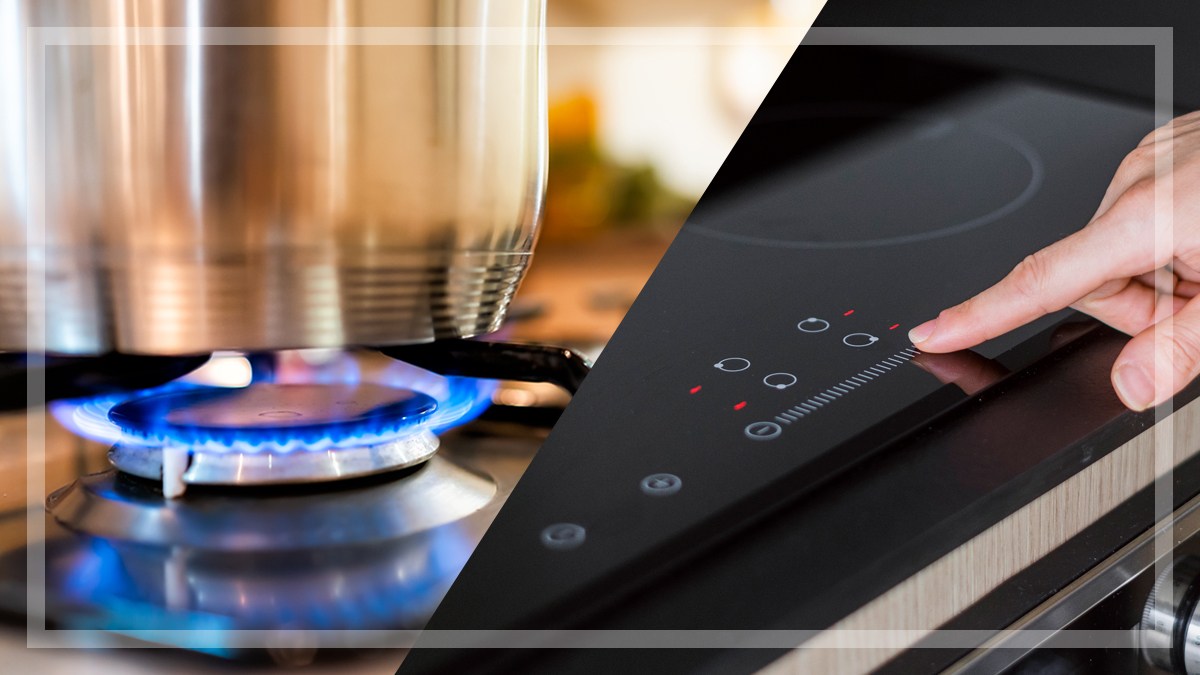
Ceramic cooktops work by heating the glass surface which then transfers to your pots and pans. Induction models use an electro-magnetic field to heat cookware directly.
Induction is more efficient, cheaper to run and cooks faster than a ceramic or gas set-up. With induction, energy is directed into the cookware base instantly with approximately 85% efficiency, compared to gas cooktops which operate at around 30%.
Electric models are safer than gas – they don’t produce open flames or as many pollutants inside your home. Additionally, many induction models also feature child locks and other safety sensors.
They’re also easier to clean, with smooth surfaces to wipe down rather than gas’ fiddly gunk-attracting burners.
Induction cooktops typically cost more than both ceramic models and gas models. Looking at the models CHOICE has recently tested, price ranges by type are:
Induction cooktops: $699–$5699 Ceramic cooktops: $389–$2099 Gas cooktops: $299–$3599
Installation costs and power upgrades
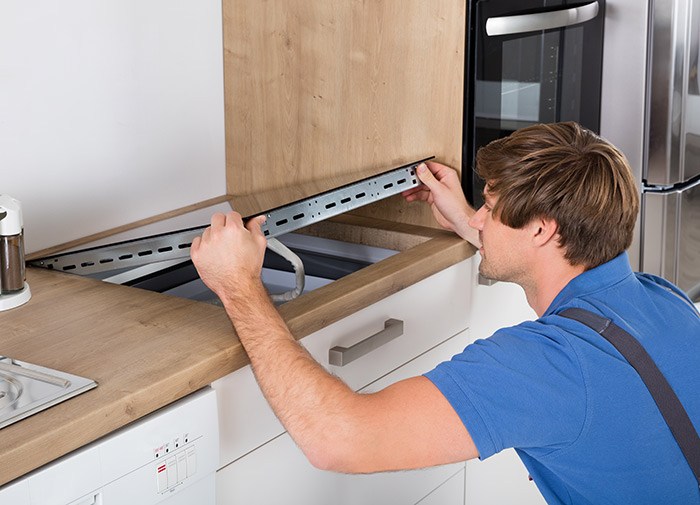
Induction cooktops boast many whiz-bang benefits, but they can require some serious and pricey power upgrades to install, depending on your home.
As covered in our induction buying guide, a standard home plug has a 10Amp connection, whereas an induction cooktop can require a 20A, 32A or even 42A connection.
Induction cooktops can require some serious and pricey power upgrades to install
These have to be hard-wired by a licensed electrician and upgrades can get expensive fast, depending on your home’s layout and switchboard/cabling needs. Thankfully, more low-current induction cooktops are coming onto the market.
Induction cooktops can demand more power than your current wiring supplies.
Ceramic cooktops are often less power-hungry, but again, it will depend on your home’s current kitchen and wiring set-up. If it’s insufficient, you could still be up for some significant costs.
.
Why we've partnered with SolarQuotes

We've partnered with SolarQuotes to help you find and buy the right solar, battery, heat pump and EV charger. While we make money if you use SolarQuotes to find an installer, this doesn't influence our ratings. 100% of the money we make goes directly back into our nonprofit mission.
Switching to electric hot water
According to energy.gov.au, hot water heating consumes around 25% of an average household’s energy use – the second biggest slice after heating/cooling.
So going from gas to cheaper renewable electricity has the potential to slash your bills and carbon footprint considerably (especially if you’re drawing it from your own solar panels and battery).
Electric hot water systems usually come in two main types.
Conventional resistive systems use electricity to heat an element in the water tank, like a big electric kettle.
Heat pump systems are a newer, more efficient technology that works on the same principle as a fridge or air conditioner – extracting heat from the air and using it to heat the water tank.
Heat pumps are far more power-efficient than conventional models, using just 30% of the energy in comparison
There’s also a third type called instantaneous or continuous flow systems but electric models are much rarer in Australia (most instantaneous systems are gas-powered).
Heat pump systems are far more efficient and cheaper to run, but are more expensive and bigger in size.
Heat pumps are far more power-efficient than conventional models, using just 30% of the energy in comparison, according to energy.gov.au. Conventional systems are far more power-hungry, but if you can combine one with a timer to maximise heating during solar hours, you can still reduce your bills.
As with cooktops, switching gas hot water to electric can require some significant and expensive works around the home.
This can include a dedicated new circuit or switchboard upgrade from a licensed sparky, as well as potential new piping installed by a plumber if the new unit differs in size and location to the last one.
Also note, unlike gas hot water, heat pump models can be noisier so may need to be positioned further away from neighbours.
When it comes to energy consumption, heating and cooling your home typically burns the most energy, chewing up 20% to 50% of your usage, depending on your location and climate.
Once a popular choice in Australian homes, gas heating is flickering out these days for many reasons.
In addition to skyrocketing gas prices, gas heaters aren’t cheap (usually costing from $500 to over $1000) and more alarmingly, can produce pollutants like carbon monoxide and nitrogen dioxide inside your home. And, of course, gas is a fossil fuel that creates greenhouse gases.
Heating and cooling your home typically consumes the most energy, chewing up 20% to 50% of your usage
By comparison, electric heating is cleaner and more cost-effective, especially when powered by your self-generated solar or a cheaply-charged solar battery.
Reverse-cycle air conditioning is the most energy-efficient way to heat your home, with the huge bonus that it can cool it in summer.
Portable electric heaters come in various types including fan, radiant, oil column, convection or panel models. They’re obviously much smaller than an air conditioner and aren’t as effective in warming multiple rooms or as cheap to run.
Air conditioners and electric heaters are two very different products, so it’s unfair to compare the two on price alone (they’re apples and oranges, really).
Here’s the price ranges of models we’ve recently tested.
Portable electric heaters: $39–$1199 Air conditioners: $469–$4249
To find the most energy-efficient air con, look for their Zoned Energy Rating Label (ZERL), which is mandatory for air conditioners up to 65kW in Australia.
It shows how efficiently the model performs based on hot, average, and cold climate zones, plus estimated annual energy use, output capacities and even noise ratings.
Electric heating installation costs
“Installing” a portable heater is easy – you just wheel it into your room of choice. Air conditioners on the other hand are (obviously) a whole other matter, requiring certified technicians to install units inside and outside, wire it in and run cabling where necessary.
Most air conditioners, including split systems and ducted systems, must be installed by a licensed air conditioner installer because of the gas refrigerant. Look for an installer with ARCtick approval, and get a few quotes.
Additionally, your installers should have an electrical qualification to do the wiring and a plumber qualification to plumb your unit’s drain into your home’s stormwater system.
The content has been produced with funding support from the Clean Energy Finance Corporation (CEFC). CHOICE maintains full editorial independence, and the views expressed are those of CHOICE. CEFC funding does not constitute an endorsement of any provider, product or service. Any links, tools or services enabling users to request quotes or connect with providers are operated independently by CHOICE and are not endorsed or recommended by the CEFC.
Jason is a Content Editor and journalist at CHOICE. He writes about a diverse range of subjects, from solar to robot vacuums to why Easter eggs are a rip-off. He's previously written for Sydney Morning Herald, Rolling Stone and many other publications.
Jason is a Content Editor and journalist at CHOICE. He writes about a diverse range of subjects, from solar to robot vacuums to why Easter eggs are a rip-off. He's previously written for Sydney Morning Herald, Rolling Stone and many other publications.
For more than 60 years, CHOICE has been fighting the good fight for Australian consumers.
In the past year alone we've uncovered systemic issues with sunscreens, investigated shonky supermarket pricing, fought for stronger scam protections and helped make complex energy pricing fairer and clearer.
CHOICE is here to provide unbiased advice and independent testing in our world-class labs. We buy the products we test, just like you do, and our expert reviews are influence free. We’re here to help you choose smarter. Hopefully you’ll also save some money along the way.
Thanks to CHOICE, you’ll never be alone when a business treats you unfairly. You can support our work by joining or donating to our cause.