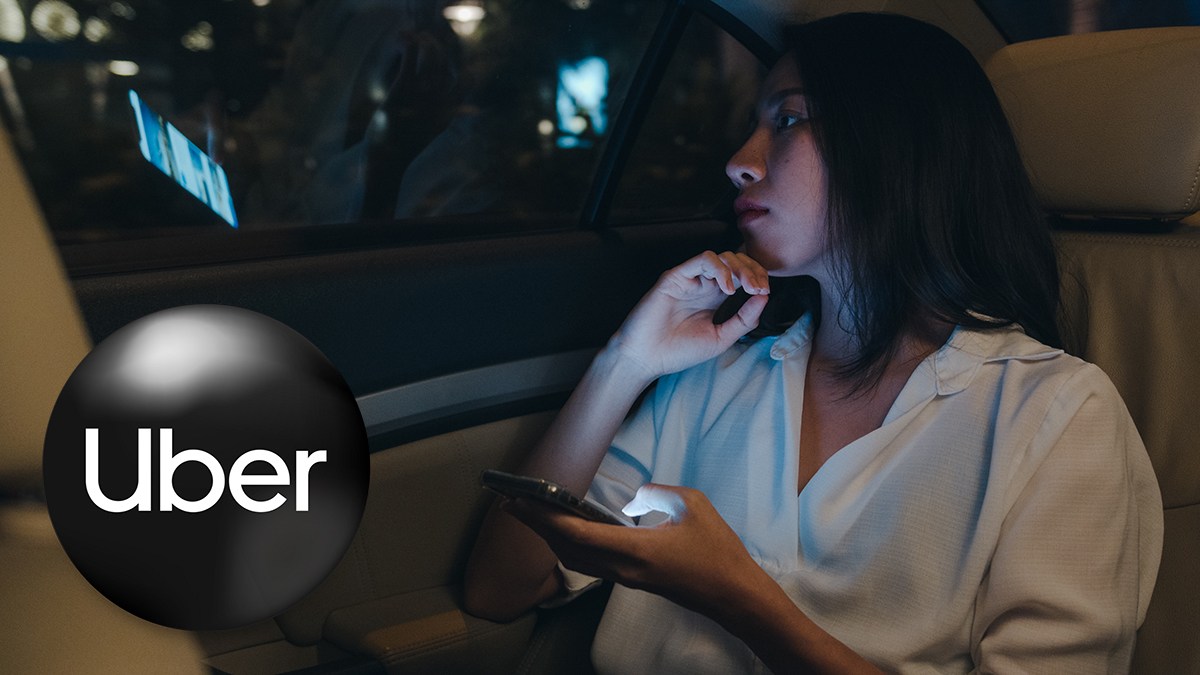
400,181 Uber trips In the US taken between 2017 and 2022 resulted in reports of sexual assault or misconduct according to a New York Times investigation
Over the same time period, Uber itself reported only 12,522 accounts of serious sexual assaults in the US
Now an Australian law firm is calling on women to get in touch as it considers mounting a class action focusing on this under-reported issue
One of the big drawbacks with outsourcing your workforce to complete strangers all over the world is that there’s bound to be some bad individuals in the mix.
Pre-employment checks may screen out wrongdoers with a criminal record, but in the end you’re really just operating on blind trust. Look no further for evidence of this modern phenomenon than the global rideshare behemoth Uber, whose record for protecting the safety of women riders is spotty at best.
According to Roy Morgan research released in June last year, around 7.4 million Australians used Uber for their transportation needs, compared to 4.2 million who used taxis. Uber currently has an 80% market share in Australia. The vast majority of Uber rides occur without incident, but the minority in which a driver engages in sexual harassment or assault against a passenger may add up to significant numbers.
Most incidents of sexual misconduct go unreported, so it’s impossible to know how big the numbers are in Australia. But there are indicators.
Recent reports of harassment and inappropriate behaviour towards women in such services are unacceptable
NSW Minister for Women, Jodie Harrison
Late last year, the New York Times published a damning report based on an analysis of Uber-related litigation in the US. The investigation revealed that 400,181 Uber trips taken between 2017 and 2022 resulted in reports of sexual assault or misconduct. Over the same time period, Uber itself reported only 12,522 accounts of serious sexual assaults in the US.
Uber doesn’t provide country-by-country breakdowns on reports of sexual harassment or other misconduct, but data released by the NSW government earlier this year revealed that one in four women had experienced inappropriate behaviour by a rideshare or taxi driver in the state.
There have also been several cases of Uber drivers sexually harassing or assaulting women reported by Australian media outlets.
Following the NSW report, the state published industry guidelines for rideshare drivers in consultation with NSW Women’s Safety Commissioner Dr Hannah Tonkin. They called for driver training in what constitutes offensive and unacceptable behaviour, the more effective handling of incidents and complaints, and making passengers more aware of in-app and in-car safety features.
“Recent reports of harassment and inappropriate behaviour towards women in such services are unacceptable. It’s time the industry prioritises women’s safety and are aware of their obligations,” NSW Minister for Women, Jodie Harrison, said at the time.
Now the Australian law firm Slater and Gordan has begun the process of mounting a class action against Uber for potentially failing to adequately protect its female passengers.
The firm says it’s investigating whether “Uber’s systems, policies and practices adequately protected the safety of women passengers, and whether Uber responded appropriately when complaints involving alleged driver sexual misconduct, sexual assault and sexual harassment were reported”.
The investigation will also scrutinise Uber’s driver screening and monitoring processes, safety training and platform safety features.
Slater and Gordon practice group leader Cindy Bors says “women should be able to get home in an Uber safely, without being frightened or violated by the person behind the wheel, or left wondering whether anyone will listen and act”.
When a platform connects users with service providers and has visibility of safety risks, what responsibility should it bear for identifying and reducing those risks?
Slater and Gordon practice group leader Cindy Bors
Uber and other rideshare platforms have tried to distance themselves from responsibility for the passenger experience, likening themselves to mere facilitators of the service, connecting passengers with drivers. Bors says the groundwork for the potential class action will explore this issue.
“When a platform connects users with service providers and has visibility of safety risks, what responsibility should it bear for identifying and reducing those risks?”
An Uber spokesperson tells CHOICE that protecting the safety of women “requires governments, law enforcement and platforms to work hand in hand. To ensure these safety measures are effective, digital platforms need a clear and consistent legislative and regulatory framework”.
To that end, the company says it’s calling for changes in the Digital Labour Platform Deactivation Code, which dictates minimum procedures for kicking Uber and other gig economy drivers (including food delivery and Amazon drivers) off the platforms.
The code is meant to protect drivers from being unfairly deactivated, but the Uber spokesperson says it should be revised “to make it easier for platforms to uphold their safety standards, take action against drivers who threaten or violate rider safety, and strike the right balance between rider safety and procedural fairness”.
“Safety is a core value at Uber, and we have invested billions of dollars and countless hours to protect the safety of users during trips. One sexual assault is one too many, and we take every report seriously,” the spokesperson says.
Slater and Gordon have made it clear that the investigation is a fact-finding mission and that any class action will depend on what it finds.
“Some people may have felt that their experience was not serious enough to report, or that reporting would not make a difference. We want to hear from women about what happened and how Uber responded,” Bors says.
“We need to understand whether women’s experiences reveal common or systemic issues and whether a class action may be appropriate. Depending on the outcome of the investigation and any potential class action, affected women may have an opportunity to seek compensation.”
Get the inside story on our investigations, campaigns and the difference they make.
Andy Kollmorgen is the Investigations Editor at CHOICE. He reports on a wide range of issues in the consumer marketplace, with a focus on financial harm to vulnerable people at the hands of corporations and businesses. Prior to CHOICE, Andy worked at the Australian Securities and Investments Commission (ASIC) and at the Australian Financial Review along with a number of other news organisations. Andy is a former member of the NSW Fair Trading Advisory Council. He has a Bachelor of Arts in English from New York University. LinkedIn
Andy Kollmorgen is the Investigations Editor at CHOICE. He reports on a wide range of issues in the consumer marketplace, with a focus on financial harm to vulnerable people at the hands of corporations and businesses. Prior to CHOICE, Andy worked at the Australian Securities and Investments Commission (ASIC) and at the Australian Financial Review along with a number of other news organisations. Andy is a former member of the NSW Fair Trading Advisory Council. He has a Bachelor of Arts in English from New York University. LinkedIn
For more than 60 years, CHOICE has been fighting the good fight for Australian consumers.
In the past year alone we've uncovered systemic issues with sunscreens, investigated shonky supermarket pricing, fought for stronger scam protections and helped make complex energy pricing fairer and clearer.
CHOICE is here to provide unbiased advice and independent testing in our world-class labs. We buy the products we test, just like you do, and our expert reviews are influence free. We’re here to help you choose smarter. Hopefully you’ll also save some money along the way.
Thanks to CHOICE, you’ll never be alone when a business treats you unfairly. You can support our work by joining or donating to our cause.