Internet service providers don’t tend to advertise upload speeds quite as prominently as downloads. But they still play an important, if somewhat lesser, role for quite a few common online tasks.
Submitting documents or assignments, sharing photos and video calls or meetings all need data to be uploaded at a certain rate to function. It’s important to understand how upload speeds impact day-to-day activities so you can find a plan that suits your home without spending too much money.
While this article focuses on the wired NBN network, it also applies to alternatives such as satellite NBN, Starlink and 5G modems.
Like download speeds, uploads are sold in varying tiers for a monthly fee. The options available to you will depend on your NBN plan and connection type.
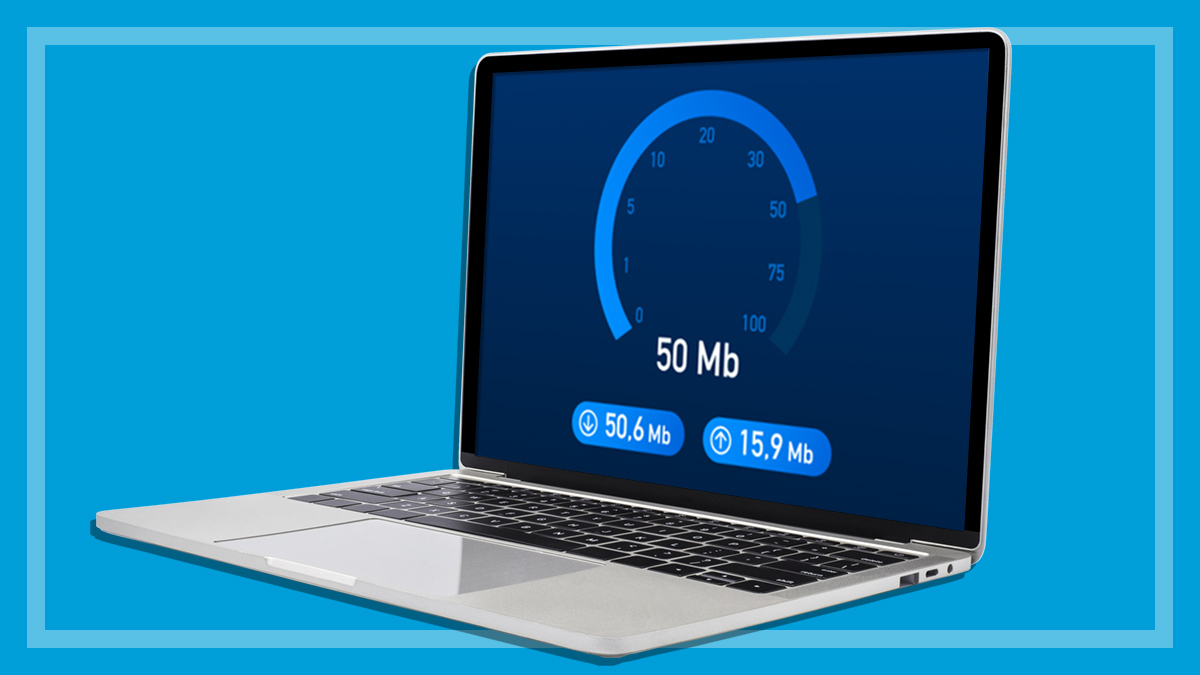
Uploads are advertised in megabits per second (Mbps), just like downloads. For example, The Home Fast II plan supplies 500/50Mbps speeds, which means 500Mb download and 50Mb upload per second.
The basic principles of speeds and bandwidth apply, in terms of:
How fast data is uploaded. E.g. a 500Mb file will upload in approximately 10 seconds on a 50Mbps plan.
The amount of data you can upload in a second (important for live streaming).
The total number of devices that can upload at the same time without lag (50Mbps of bandwidth available).
Uploads are tied to download tiers and sold as a complete package. You can’t negotiate a slower upload rate for a lower price or pick and mix speeds to suit your needs. Faster download tiers come with faster uploads as well, such as 1000/100Mbps.
Basic consumer upload speeds start at 10Mbps upload and go as fast as 50Mbps. Some high-end options offer 100–200Mbps, while a few specialised options can push upload speeds a bit faster at the expense of download bandwidth.
Faster download tiers come with faster uploads as well
So, on a Home Fast II plan, there’s no more than 50 megabits of data available per second for uploads. Once you, or your household, hits the cap, uploads will slow down or drop out entirely.
For a full explanation on how NBN tiers determine your download and upload speeds and bandwidth, check out the link below.
Standard households upload far less data than they download in any given week. It’s usually made up of much smaller files like documents, photos and maybe videos from time to time.
Time is less of a factor as well. Most people don’t need to upload files as quickly as they need to download them.
Plans providing download speeds of 500 and 750Mbps, which are the best options for families and sharehouses, support 50Mbps uploads. This is more than enough speed and bandwidth for multiple users doing typical online tasks. They cost $85–$100 and $105–$120 per month respectively.
Most people don’t need to upload files as quickly as they need to download them
For example, video calls need more upload bandwidth than anything else you’re likely to do on a typical day. But even high-definition video chat doesn’t come close to hitting the 50Mbps cap on the major platforms. These are the upload requirements of some of the major video call platforms.
Google Meet: 4Mbps (minimum 3.4Mbps required)
Zoom: 3.8Mbps
Slack: 3.8Mbps
So, you could have five people logged into different meetings across the house at the same time and still have plenty of bandwidth left on a 50Mbps plan.
Plans with 10 and 20Mbps upload speeds should be fine for smaller households of one or two people and basic users. These are still suitable for video calls but larger files will take longer to upload.
This is the only practical reason consumers may need uploads of 50Mbps or more. Livestreaming audio and video on Twitch, YouTube and other services demands a lot of data per second, depending on the resolution.
Livestreaming at home means you need to upload a certain amount of data per second in order for everything to work. But if your internet plan’s upload speed cap falls below the amount required, the stream will either drop in quality or stop working.
For example, a livestream that requires you to upload 20Mbps of data per second will not function correctly on a 10Mbps plan.
YouTube uses up to 40Mbps for its highest quality settings
The requirements for livestreaming on major platforms are pretty forgiving. Twitch, for example, only requires 6Mbps for HD (1080) video at 60 frames per second (FPS) whereas YouTube needs a maximum of 12Mbps for the same settings.
This would leave 44–38Mbps of upload bandwidth for the rest of the household. That is unless you want to push things further.
Higher resolutions require a lot more bandwidth. Twitch needs 20Mbps to stream in 2K whereas YouTube uses up to 40Mbps for its highest quality settings, 4K at 60FPS.
While this still falls below the 50Mbps limit, it doesn’t leave much bandwidth for the rest of the house to access when they need to upload.
Livestreaming usually requires a lot of upload bandwidth.
Do I need more than 50Mbps to upload?
Anything above 50Mbps is a fair bit of bandwidth for pretty specialised or advanced tasks. You might want to consider 100–200Mbps if you:
Live in a house where multiple residents are livestreaming at the same time.
Run a home media server for multiple users that are remote streaming at the same time.
Some ISPs sell cheaper high-speed upload plans at the expense of download speeds. These are aimed at professional content creators working from home who may not need gigabit downloads.
Superloop, for example, sells a creator package, offering 250/100Mbps for $102 per month.
Otherwise there isn’t any practical reason to pay for more than 50Mbps, unless you want to run a non-stop, 24-hour, 4K livestream of your dog. Everyone can get on board with that.
Why we've partnered with WhistleOut

We've partnered with search engine WhistleOut to help you find and buy the right plan for you.  While we make money if you buy through WhistleOut, this doesn't influence our rankings. 100% of the money we make goes straight back into our nonprofit mission.
Peter Zaluzny is a Content producer in the Digital home team. He covers everything from home entertainment and personal safety devices to tech for your car and mattresses.
Peter enjoys cutting through the nonsense to help people understand the products they’re considering to buy. He helps consumers make educated, informed decisions.
Peter has a Bachelor's degree in Journalism and a Bachelor of Arts from the University of Wollongong.
For more than 60 years, CHOICE has been fighting the good fight for Australian consumers.
In the past year alone we've uncovered systemic issues with sunscreens, investigated shonky supermarket pricing, fought for stronger scam protections and helped make complex energy pricing fairer and clearer.
CHOICE is here to provide unbiased advice and independent testing in our world-class labs. We buy the products we test, just like you do, and our expert reviews are influence free. We’re here to help you choose smarter. Hopefully you’ll also save some money along the way.
Thanks to CHOICE, you’ll never be alone when a business treats you unfairly. You can support our work by joining or donating to our cause.