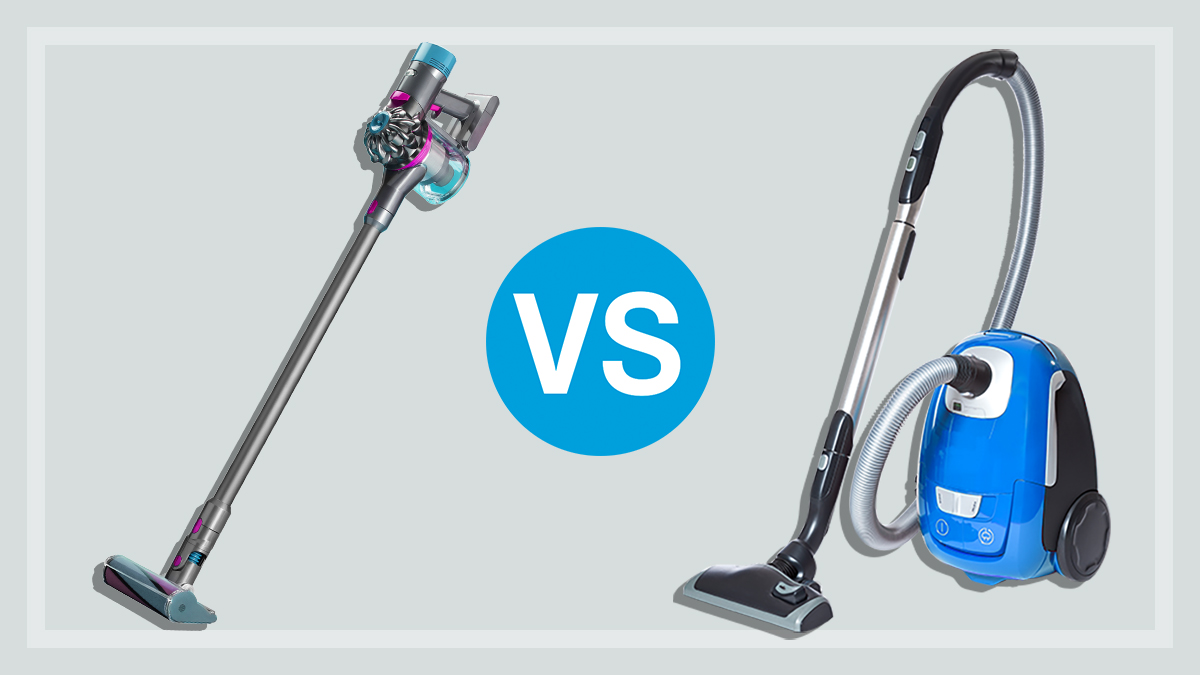
Cordless vacuums get a lot of love – they’re lightweight, portable and relatively easy to store. Premium stick vacs can also outperform traditional corded vacuums on carpet, particularly if they’ve got a powerful cleaning head attached.
But here’s the thing, how many times have you been using a stick vacuum, only to have the battery die mid-clean? And if you want top performance from a cordless vac, you could be paying upwards of $1000.
How many times have you been using a stick vacuum, only to have the battery die mid-clean?
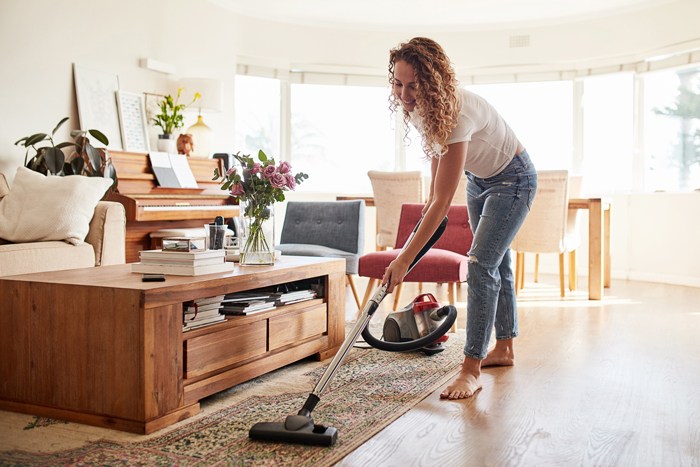
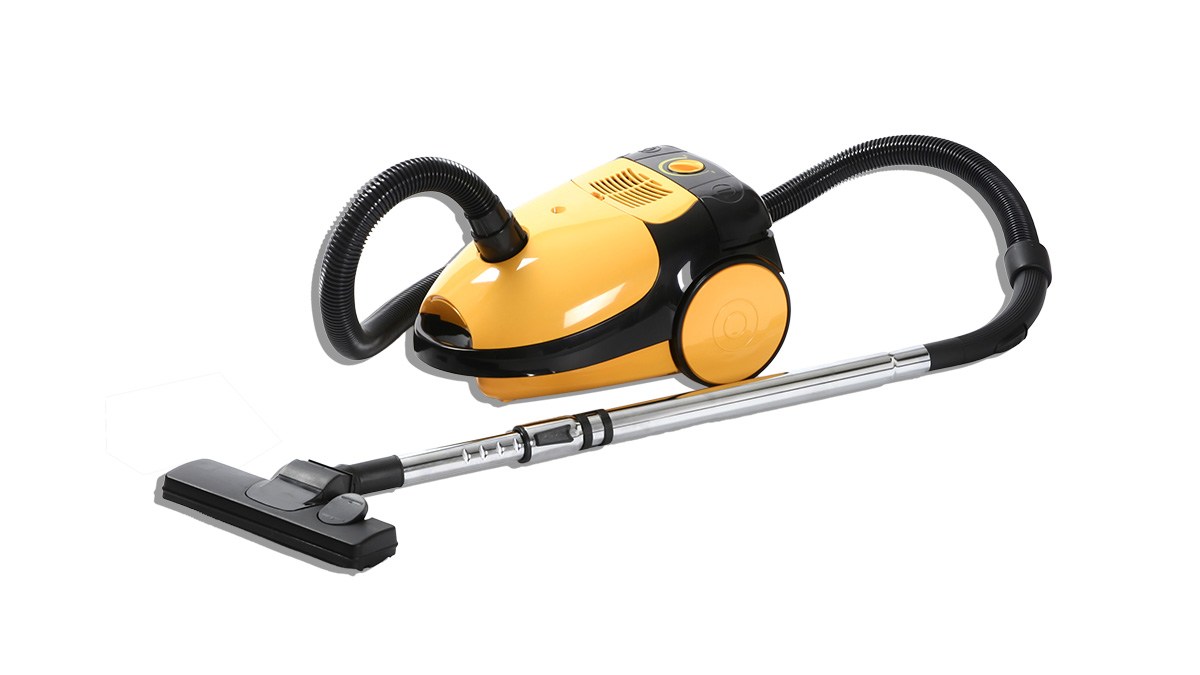
Traditional corded vacuum cleaners – which come as either a barrel or upright vac – don’t share the same issues because they can last for years thanks to their direct power source, and they are generally cheaper too.
While they may not feel as fancy as a cordless vacuum, they’re a more reliable workhorse that might be better suited to your household in the long run.
The cost issue
Our lab tests have found that premium stick vacuums can perform just as well as a barrel vac, but there’s a real difference when it comes to price.
In our testing of the best stick vacuums, some of the top models are over $1500. But for a corded vac with similar cleaning performance, you can find strong contenders below $700.
“Overall we’ve found that corded vacuums are much cheaper than their stick counterparts, and you can get a top performer ranging between $500 to $900,” says CHOICE appliance expert Kim Gilmour.
“Whereas with stick vacs you’re looking at spending significantly more to get the same performance.”
Overall we’ve found that corded vacuums are much cheaper than their stick counterparts
Kim Gilmour, CHOICE expert
Barrel and upright vacuums can come with the added cost of buying replacement dust bags, but you’ll have to weigh this up with the longevity you can get from the machine itself.
While cordless vacs don’t technically have any ongoing costs – beyond the energy they use and, in some cases, bags in the self-emptying station – the batteries in these machines will start to weaken and lose performance over time.
That means you may need to buy a replacement battery down the line – that is if you decide to keep it and aren’t tempted into upgrading to the latest model.
Kim says that stick vac users are also unlikely to get their machines repaired when things go wrong, which means they’re more likely to end up in landfill, and you’ll need to spend money to buy a new vacuum sooner.
“Our product lifespan survey found that only 9% of owners have had their stick vacuums repaired, despite 43% of stick vacs having a problem since purchase overall,” says Kim.
The performance of a stick vacuum is very dependent on the cleaning head – a cleaning head that is good for carpet may not be as effective on hard floors and vice versa. This is why premium stick vacs tend to come with more than one head attachment.
CHOICE vacuum expert Adrian Lini says stick vacs that perform well on carpet are usually better than corded vacuums at doing this task, but our testing shows their super-strong cleaning heads that are so effective at picking up dirt and dust can sometimes pull up tufts of carpet fibres too.
“If you get the best stick vac, you will get better performance than you would with a traditional corded cleaning head, but you’ll be spending a lot more money and the battery is always slowly dying,” he says.
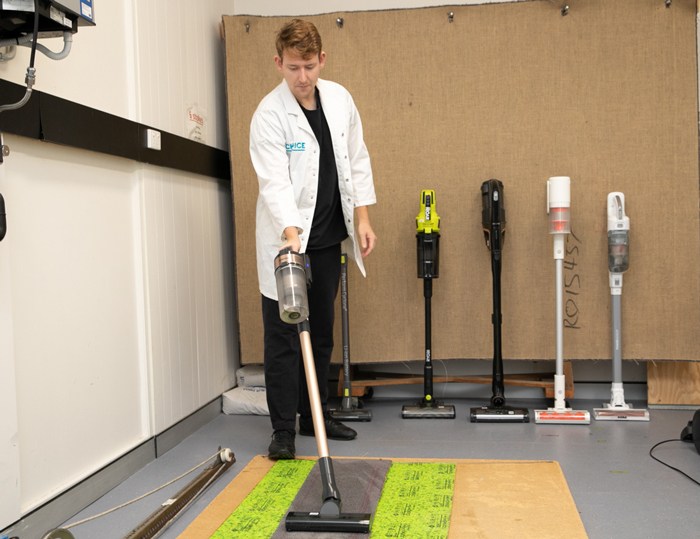
Adrian hard at work testing stick vacs in the CHOICE lab.
The corded vacuums we’ve reviewed also need to adjust their cleaning heads for hard or carpeted floors, but it’s a more no-frills approach – you can switch between the two modes using a button with your foot.
The battery issue
Many of the cordless vacs we’ve tested were excellent at cleaning carpets and removing pet hair, but you should keep in mind the limited runtime that these machines have. While stick vacs can have powerful suction, it’ll only last so long.
On average, stick vac batteries take 4–4.5 hours to charge, to deliver just 15 minutes of cleaning on full power
Adrian Lini, CHOICE expert
If you want to deep clean your home – pet hair and all – our experts think corded vacuums edge out stick vacs as the winner. This is because larger houses and deeper cleans require more time, so you’ll want a constant power source to get these jobs done properly.
Adrian says one of the drawbacks of cordless vacuum cleaners is the time they take between charges.
“Stick vacuums can run low on power when you least expect it and need to be recharged, which can take a long time and disrupt your clean. On average, batteries take 4–4.5 hours to charge, to deliver just 15 minutes of cleaning on full power,” he says.
On the other hand, Adrian says the constant power source of a corded vacuum makes them reliable machines that can get big cleaning jobs done efficiently.
Cordless vacuums are convenient when it comes to ease of use and storage. Those of us living in smaller apartments will know that storing a bulky barrel vacuum can be difficult, while it’s easier to tuck away a sleek stick vac.
But we’d argue that when it comes to maintaining the machine, cordless vacuums are a little more complex. They generally have more pieces to take apart and clean, which you’ll need to do if you want to extend the life of your vacuum.
Corded vacs need to be maintained too – you’ll need to clean the filter and remove blockages just like you would with a cordless vac. But, if your model uses a bag to collect dirt and debris instead of a dust bin, it can save you a lot of fuss. Dust bags can also be a good option if you’ve got allergies.
Our CHOICE vacuum reviews also note the length of the cord, so take this into consideration when weighing up how easy it will be to manoeuvre a corded vacuum around your home.
Corded vs cordless – what’s best for you?
The answer to this question comes down to what’s most important to you – do you want a dependable workhorse that can finish big jobs at a more affordable price point? Or are you willing to spend more to get a luxurious-looking, convenient-to-use machine with excellent performance that you can only use in relatively short bursts.
A stick vacuum may be worth the investment if you live in a smaller space and are willing to replace the battery when needed, but we’d argue that those living in larger homes may be better off with a traditional corded vac.
Know the products to avoid before you shop. Get our free guide and buy smarter.
Jasmine Gearie is a content producer at CHOICE. She writes about a range of topics including skincare, household appliances and supermarket trends – always with an eye on helping consumers make better-informed choices.
Before joining CHOICE, Jasmine covered personal finance for Mozo and consumer tech at TechRadar.
Jasmine has a Bachelor of Communication (Journalism and Public Relations) from the University of Newcastle. LinkedIn
For more than 60 years, CHOICE has been fighting the good fight for Australian consumers.
In the past year alone we've uncovered systemic issues with sunscreens, investigated shonky supermarket pricing, fought for stronger scam protections and helped make complex energy pricing fairer and clearer.
CHOICE is here to provide unbiased advice and independent testing in our world-class labs. We buy the products we test, just like you do, and our expert reviews are influence free. We’re here to help you choose smarter. Hopefully you’ll also save some money along the way.
Thanks to CHOICE, you’ll never be alone when a business treats you unfairly. You can support our work by joining or donating to our cause.