We’ll explain how to clean different types of pillows, plus we’ll share a three-step guide so you can visit the land of nod on your newly-cleaned pillow.
Opinion is divided on how often you should clean your pillows.
The frequency depends on factors such what they’re made from, whether or not you have allergies, and the climate where you live.
As a general rule, you should clean your pillow every 4–6 months, or more often depending on your circumstances.
Using a pillow protector will help keep things cleaner, and it goes without saying that you should wash your pillowcase regularly.
As a general rule, you should clean your pillow every 4–6 months
If anyone in your household has allergies, you’ll definitely need to stay on top of pillow hygiene to minimise exposure to irritants that are regularly found in bedding.
Asthma Australia says that regularly fluffing up your pillows and washing them monthly, or even replacing them when they’re getting a little worse for the wear, can help reduce the risk of exposure to the dust and dust mites.
What’s the right way to clean your pillow?
Before you start washing any kind of pillow, check the instructions to make sure you know the best way to wash it.
As a general rule, though, here’s how different pillow types should be washed.
Pillow type
How to wash
Memory foam or polyurethane foam
Spot clean with damp cloth
Latex
Handwash only
Polyester, cotton and microfibre
Warm machine wash on gentle cycle
Goose down or goose feather
Handwash or dry clean
Machine washing
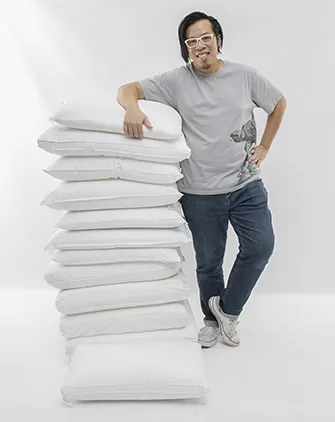
How does your pillow stack up? Pictured: CHOICE expert tester Matthew Tung.
Machine-washing is usually suitable for polyester, cotton and microfibre pillows.
Here’s how to clean them:
First, remove the cover and all pieces
Use a mild detergent
Use a gentle cycle in the washing machine up to 60°C
Lay flat to dry.
Spot cleaning memory foam pillows
Memory foam pillows are quite dense, so they’re naturally designed to inhibit the growth of dust mites and bacteria.
However, they will still get dirty and stained on the surface so you will still need to clean them regularly.
They should generally be spot cleaned with a damp cloth, or in some instances they can be hand-washed – double-check the washing instructions before you throw them in the sink.
Handwashing
Handwashing is usually suitable for latex, polyester, cotton and microfibre pillows, and sometimes memory foam pillows (but check the instructions first).
Feather and down pillows can be handwashed or may need to be dry cleaned – check the recommendations on the care label.
Use warm water and a gentle detergent and make sure you rinse well in clear water.
When you’re cleaning any type of pillow, it’s very important that you leave it to dry thoroughly to avoid mould and mildew.
Lying flat to dry in direct sunlight is the best option – the sun can even act as an extra antibacterial agent to keep your pillows fresh.
Check for moisture before you put it back on the bed.
Can I put my pillow in the dryer?
Some pillow materials can be dried in a clothes dryer, but check the manufacturer’s instructions before you attempt it.
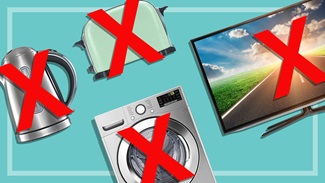
You should never put a memory foam pillow in the dryer as it will damage the material.
If the instructions for your type of pillow say you can put it in the dryer, use a low-heat setting and consider drying only a couple at once so they don’t clump together.
If your pillow is just too flat, uncomfortable or icky and can’t be saved, perhaps it’s time you invested in a new one.
Our experts have put a range of pillows to the test from brands such as Tontine, Sheridan, Ikea, Dunlopillo to find out how they compare on cost, comfort and durability, including how well they bounce back after being compressed for 100 hours in our compression rig (to simulate use over time).
Pru Engel is the Audience and Engagement editor at CHOICE. Her job is to ensure as many Australians as possible know about the great work we do at CHOICE.
She works closely with our testers and experts to find the gems of information in our data and research that will resonate with Australian consumers and help them make the best decisions, whether they're purchasing an air fryer, looking for a new mattress or trying to find the cheapest car insurance. She also helps to drive meaningful change for consumers by collaborating with our Campaigns team on content covering issues such as grocery pricing, product safety and scams.
Prior to CHOICE, Pru worked as an editor at many of Australia's leading food and lifestyle titles.
Pru has a Bachelor of Arts in Communication (Journalism) from the University of Technology, Sydney.
LinkedIn
For more than 60 years, CHOICE has been fighting the good fight for Australian consumers.
In the past year alone we've uncovered systemic issues with sunscreens, investigated shonky supermarket pricing, fought for stronger scam protections and helped make complex energy pricing fairer and clearer.
CHOICE is here to provide unbiased advice and independent testing in our world-class labs. We buy the products we test, just like you do, and our expert reviews are influence free. We’re here to help you choose smarter. Hopefully you’ll also save some money along the way.
Thanks to CHOICE, you’ll never be alone when a business treats you unfairly. You can support our work by joining or donating to our cause.