Here’s an uncomfortable fact that you might not know: businesses aren’t legally required to make sure their products are safe before selling them in Australia.
This means that they tend to take a reactive approach to product safety problems, rather than being proactive and trying to prevent safety issues before they arise.
We’re calling on the government to implement a new law that says if you’re a business selling a product in Australia, it must be safe.
At CHOICE, we believe the onus for staying safe shouldn’t just be on the consumer. But as it stands, we can’t trust that all the products we buy are safe.
We’re calling on the government to implement a new law that says if you’re a business selling a product in Australia, it must be safe
World Consumer Rights Day is celebrated each year on 15 March, and the theme for 2026 is “Safe Products, Confident Consumers”.
Unfortunately we can’t be confident consumers when we don’t know which products are safe and which aren’t, so while we wait for government action on safe products, here are 10 ways to avoid buying a product that could put you or a family member at risk.
The Australian Consumer Law (ACL) applies to any business that sells goods in Australia, which means that even if you buy something from an overseas seller you’re covered if something goes wrong, right?
Technically, yes. But the reality is that contacting a business if they’re not based in Australia can be hard or even impossible.
And even if you seek help from Australian authorities, it’s difficult for them to intervene when a company is based overseas.
Using a credit card or PayPal can give you some buyer protections if something’s defective or even counterfeit.
2. Keep your standards high
There are two types of safety standards that apply to certain products sold in Australia:
Mandatory standards are developed by the ACCC and companies face penalties for selling products that don’t meet these standards.
Voluntary standards are just that: voluntary. Companies legally don’t need to comply with them, but they’re considered best practice. Non-government bodies such as Standards Australia develop these standards.
Our experts sit on several committees for Standards Australia, contributing towards the improvement of safety standards to protect consumers, so they’re well versed in all things product safety.
There are plenty of products sold in Australia that aren’t required to include safety features or even information
When we test products with mandatory standards in our labs we make sure they comply with any mandatory standards that might apply. We also often do additional tests beyond the mandatory standard when we think it doesn’t cover all the safety issues.
Despite manufacturers claiming that their products are compliant, we do sometimes find that they fail mandatory standards. Some of the issues we have found recently include:
And because there are so many product categories that don’t have mandatory safety standards, there are plenty of products sold in Australia that aren’t required to include safety features or even information.
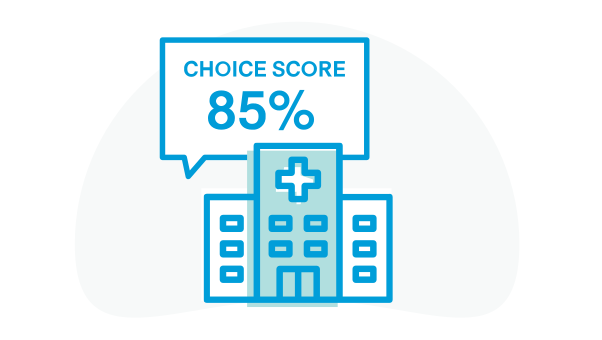
Check our reviews before you buy to make sure products are safe to use.
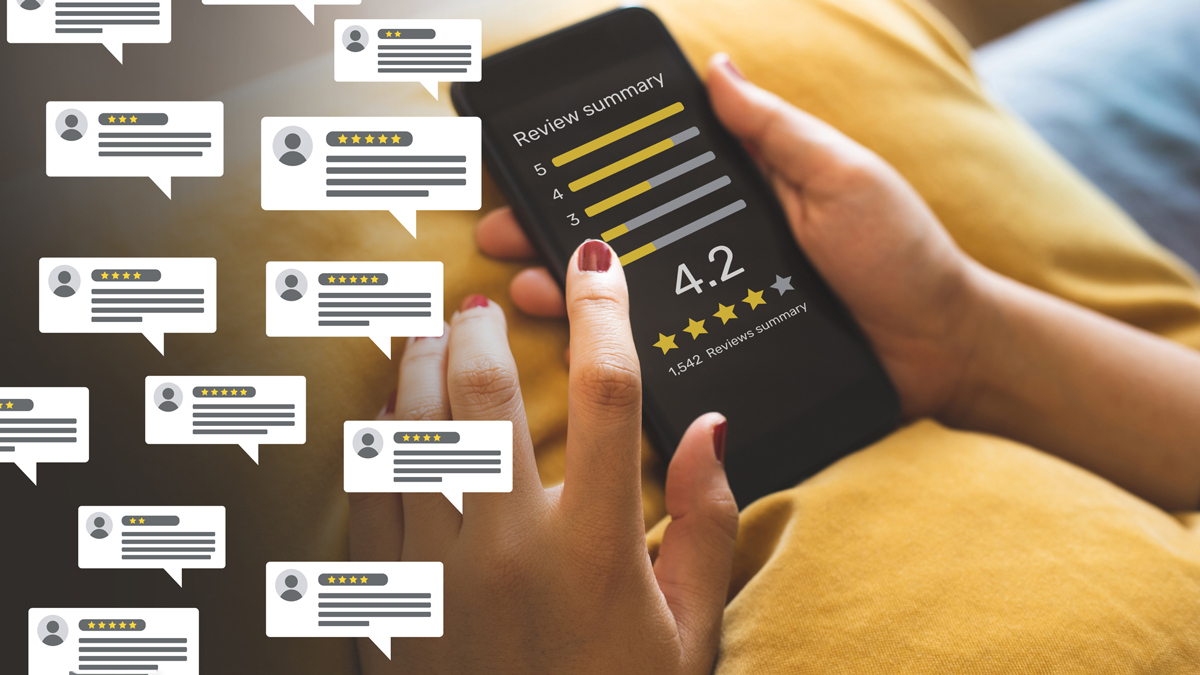
You shouldn’t believe everything you read, and that’s especially true of online product reviews.
There are a lot of dodgy dealings behind the scenes: flat-out fake reviews, incentivised reviews, shoppers coerced to change or delete negative reviews, and companies publishing only positive reviews.
It’s illegal for businesses to create fake or misleading reviews, or to arrange for other people to, but it still happens.
CHOICE, along with the ACCC has been highlighting the problems with online reviews, such as fake reviews, incentives, even paying reviewers to remove negative comments.
5. Check CHOICE reviews
You may not be able to believe other online reviews, but you can trust CHOICE reviews. We exist only to fight for fair, safe and just markets, not to make a profit for owners or shareholders.
We don’t accept advertising from manufacturers, so our testing is independent: you can rely on us for robust, impartial advice and recommendations.
Recalled and dangerous kids’ products can end up on online marketplaces
Recalled and dangerous kids’ products can end up on online marketplaces, as sellers may not be aware of the dangers. Before you buy something secondhand, check to see if it’s been recalled at productsafety.gov.au/recalls.
Text-only accessible version
Tips for buying safe secondhand products
Avoid buying cots, cot mattresses, car seats, toys, helmets, pools, pool fences or life jackets secondhand.
Ask the seller for the model name and number so you can check if it’s been recalled. If they can’t supply it, don’t risk buying it.
Check if a mandatory safety standard applies to the product you’re buying and, if so, find out whether the product has any certification showing it meets the standard.
If you see a recalled product for sale, tell the seller and/or report the ad so it can be taken down.
If you’re buying an item from a private individual, your normal consumer rights (such as the right to a refund) don’t apply, so make sure you inspect the product before buying.
If you have bought a recalled item, look up the details at recalls.gov.au and contact the retailer or manufacturer as outlined in the recall notice.
If you’re selling a secondhand product, check that it hasn’t been recalled before listing it, check if a mandatory standard applies, and only list items which you reasonably believe meet that standard.
7. Read and follow manufacturer instructions
Even a “safe” product can turn deadly if you don’t follow the instructions about how to use and maintain it.
When it comes to children’s products in particular, it’s important to heed assembly and usage instructions.
So before you toss away the operating manual, familiarise yourself with any dos, don’ts and manufacturer recommendations.
8. Reconsider being an early adopter
Buying the newest product on the very day it’s released comes with a rush of endorphins, but those feelings of elation can quickly turn to disappointment (or worse) if it turns out to be unsafe.
New products that are untried and untested in the real world can come with problems.
You could be better off waiting to buy it to make sure it lives up to expectations.
9. Check the brand
Buying unbranded products or ones with unfamiliar names, particularly on online marketplaces, might seem like a way to save a few dollars. But it could end up being a costly decision if they’re unsafe.
Be on the lookout for fakes and counterfeits that may trick you into thinking you’re buying the real thing – and, as always, check our reviews and product recall information to make sure a product is legit.
I am an award-winning journalist, covering technology, innovation and digital lifestyle. I was a consumer technology journalist at CHOICE from 2005 to 2017 and continue to contribute to CHOICE. My work also appears in Australian and UK publications, including Information Age, Which?, CSO and CMO.
I am an award-winning journalist, covering technology, innovation and digital lifestyle. I was a consumer technology journalist at CHOICE from 2005 to 2017 and continue to contribute to CHOICE. My work also appears in Australian and UK publications, including Information Age, Which?, CSO and CMO.
Alice Richard is a Content creator and marketer. Alice writes on a range of topics, from health insurance to heaters and BBQs to bargain-hunting, always with the aim to help consumers find the best products to buy, and which to avoid.
Alice can take vast amounts of data from CHOICE product tests and turn it into content that is easily digestible and fun for readers.
Alice has a Bachelor of Arts from the University of Queensland.
Alice Richard is a Content creator and marketer. Alice writes on a range of topics, from health insurance to heaters and BBQs to bargain-hunting, always with the aim to help consumers find the best products to buy, and which to avoid.
Alice can take vast amounts of data from CHOICE product tests and turn it into content that is easily digestible and fun for readers.
Alice has a Bachelor of Arts from the University of Queensland.
For more than 60 years, CHOICE has been fighting the good fight for Australian consumers.
In the past year alone we've uncovered systemic issues with sunscreens, investigated shonky supermarket pricing, fought for stronger scam protections and helped make complex energy pricing fairer and clearer.
CHOICE is here to provide unbiased advice and independent testing in our world-class labs. We buy the products we test, just like you do, and our expert reviews are influence free. We’re here to help you choose smarter. Hopefully you’ll also save some money along the way.
Thanks to CHOICE, you’ll never be alone when a business treats you unfairly. You can support our work by joining or donating to our cause.