Every well-stocked kitchen needs a frying pan that can fry an egg, sizzle a steak or make a perfect pancake without turning your food into a sticky, blackened mess.
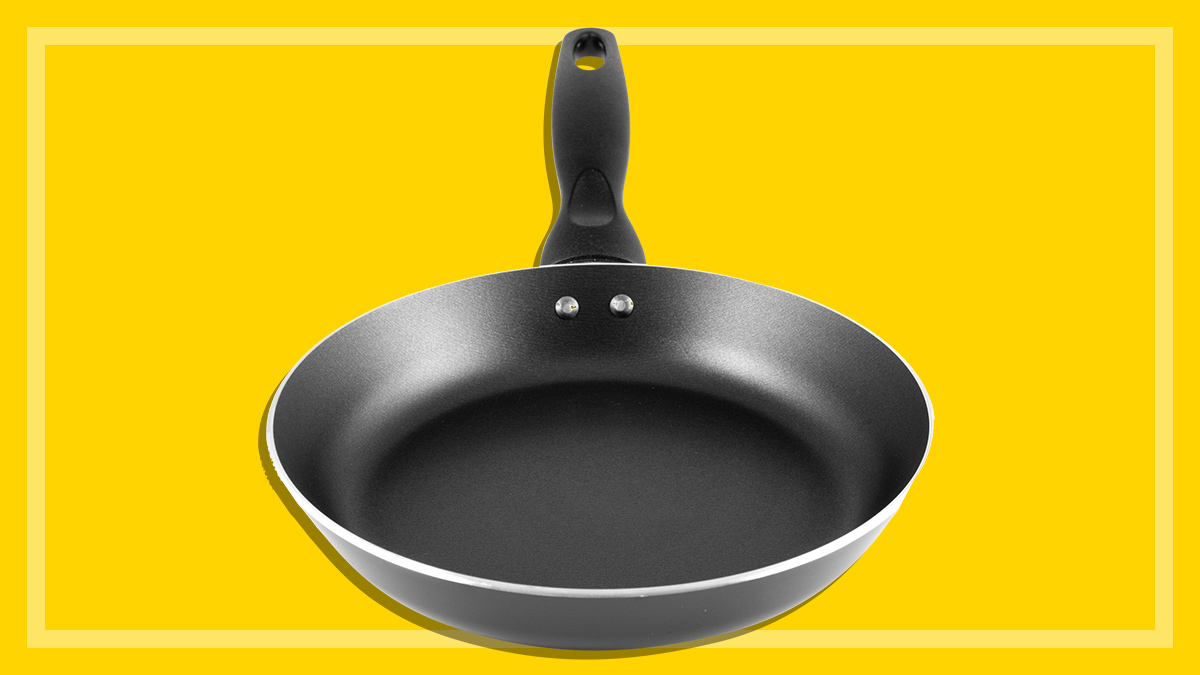
Many manufacturers advertise the non-stick capabilities of their frying pans, but often these pans have coatings that can degrade over time, potentially releasing “forever chemicals”. Frying pans with a non-stick coating also shouldn’t be used for high-temperature cooking (like searing a steak, or deep-frying with oil).
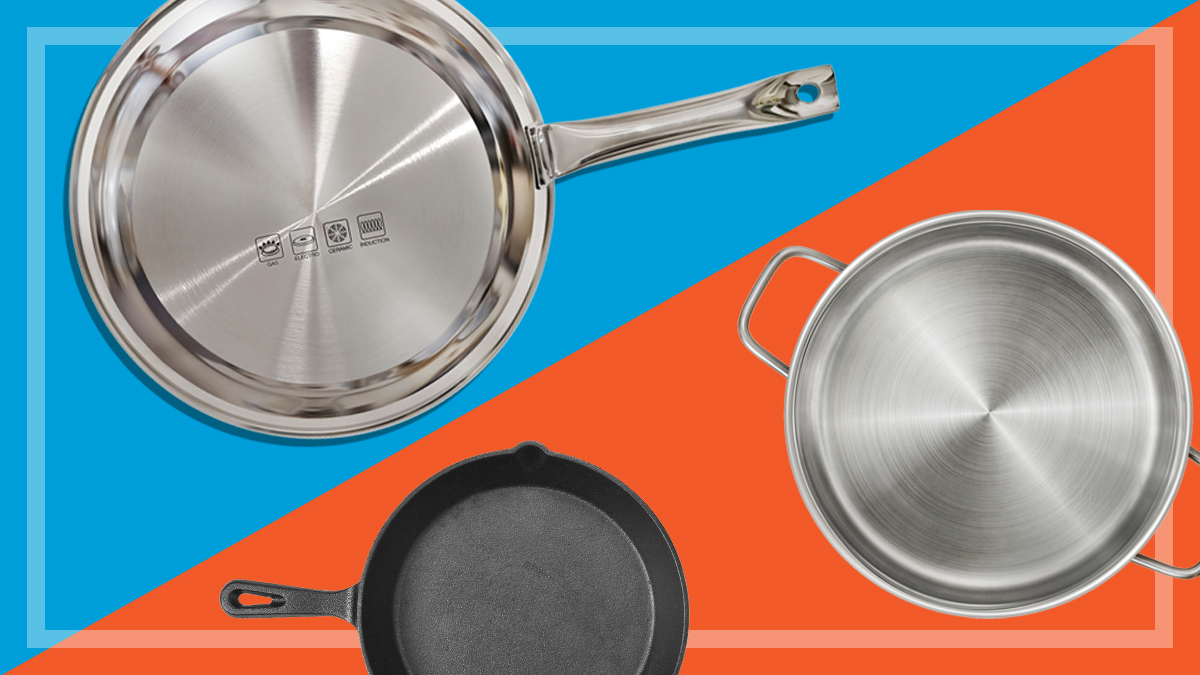
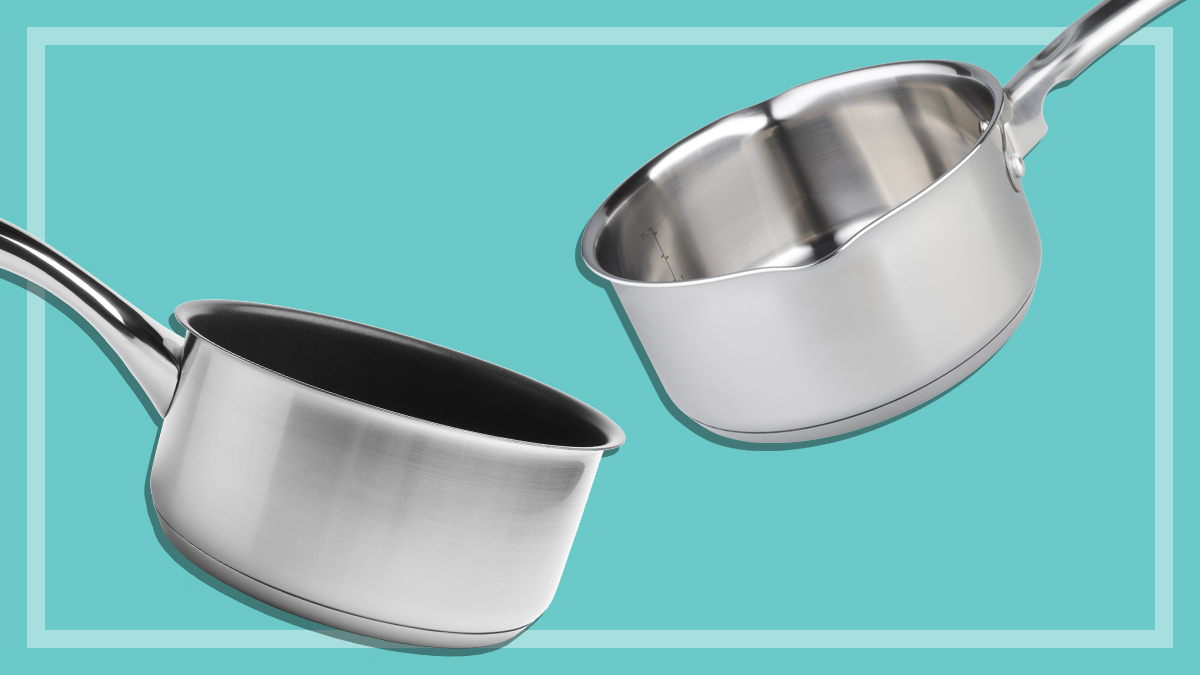
So, what type of frying pan does our CHOICE kitchen expert use at home? It’s cast iron or stainless steel, all the way. But while cast-iron pans can be very heavy and a little tricky to clean, stainless steel frying pans are great for everyday cooking and come without any forever-chemical coatings.
“Stainless steel pans are super versatile for a range of cooking methods, including high temperature cooking for tasks like searing or browning,” says CHOICE home economist Fiona Mair.
Stainless steel frying pans are great for everyday cooking and come without any forever-chemical coatings
“They’re also compatible with all stove types, whether you’re cooking with induction, gas or electric.”
Fiona praises the durability of stainless steel. “They’re safe to use with metal utensils, and you don’t have to worry about scratching any non-stick coatings.”
Stainless steel is not inherently non-stick though. If you’re not a confident cook or you’ve ever had to scrape a stuck-on egg off a frying pan, you might notch this up as a dealbreaker.
But did you know there’s a very easy way to make stainless steel frying pans non-stick? Yep, you really can turf out all your old scratched non-stick pans.
It’s called the Leidenfrost effect and was discovered by a German physician in the 1800s. It takes just a few minutes to master, and you’ll be able to cook perfect pancakes that slide right off your pans forevermore.
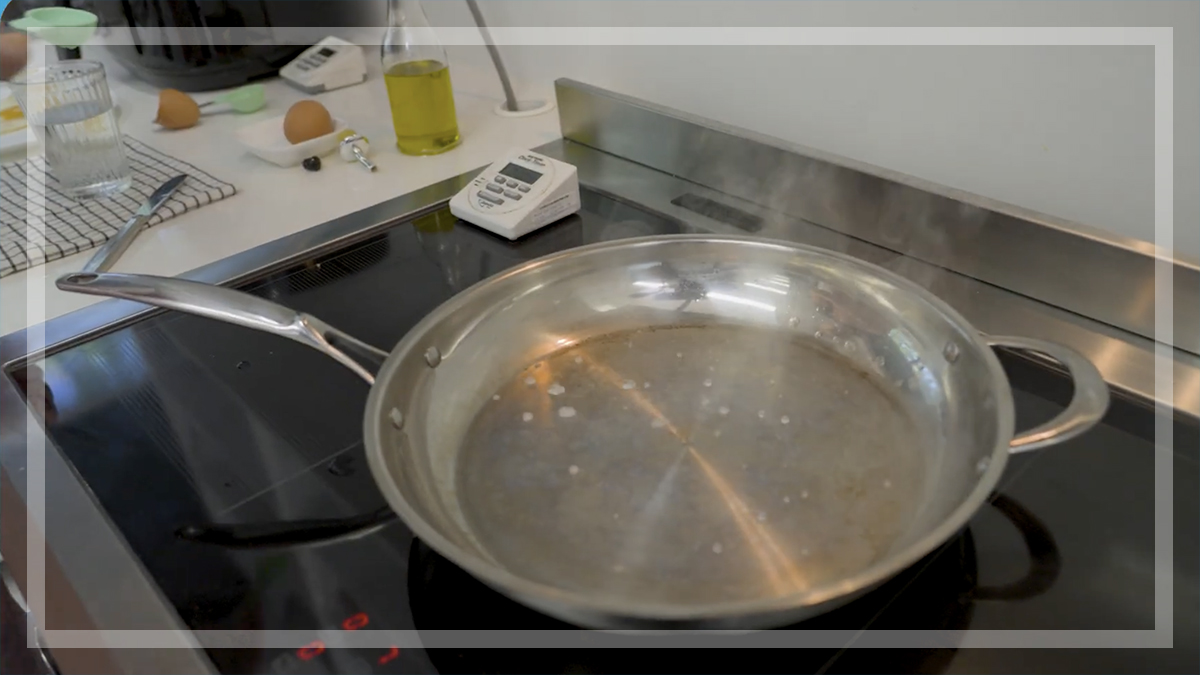
The Leidenfrost effect describes the reaction that occurs when you heat a stainless-steel pan until the surface of the pan becomes hotter than the boiling point of liquid. Using this effect is a simple way to make your stainless steel pans non-stick.
When you throw a few droplets of water into the heated pan, the liquid will vaporise and form beads that will bounce across the surface of your pan. This means a barrier of steam has been created that keeps the surface and the liquid separate.
The same effect will prevent direct contact between the surface of the pan and your food – voila, a non-stick surface!
Creating the Leidenfrost effect to make fried eggs
Make sure your pan is clean and smooth – any old remnants of food will cause sticking.
Place your pan over a medium-high heat and preheat for a few minutes.
Throw a few droplets of water into the pan. If the water sizzles and dissipates, the pan is not hot enough. If the water spits, it’s too hot.
Test with a little water again – the pan is the right temperature when the water forms little beads that gently bounce across the surface of the pan.
Add a little bit of oil to the pan; you may need to turn down the temperature if the pan is too hot, as you want a more gentle heat for eggs.
Is there a problem with non-stick coatings on frying pans?
Non-stick cookware refers to the application of a chemical “non-stick” coating to the metal pan during manufacturing. The coating allows foods to cook and brown without sticking to the pan, which is ideal if you’re frying eggs or making pancakes. It also means very little oil is needed and in some cases no oil at all.
Non-stick cookware has been traditionally made using PTFE (polytetrafluoroethylene) coatings, more commonly known as Teflon. PTFE belongs to a larger group of chemical compounds referred to as PFAS (per- and poly-fluoroalkyl substances), which make surfaces slippery and resistant to water and oils.
They’ve often been referred to as “forever chemicals” due to the fact that they persist for long periods of time in our bodies, and break down very slowly (or not at all) in the environment.
Over the years, manufacturing has evolved to make products safer and more durable, with some manufacturers claiming PTFE-free cookware. However, there are still concerns around the safety of non-stick cookware.
They’ve often been referred to as “forever chemicals” due to the fact that they persist for long periods of time in our bodies
You’ve probably heard conflicting reports about non-stick coatings like Teflon, PTFE and PFAS giving off harmful chemicals when heated and being linked to health and environmental issues.
But the chemicals used in non-stick coatings only start to break down and release harmful toxins in temperatures above 260°C, and research suggests that no toxins are released from cookware used at or below normal cooking temperatures.
The toxins seem to be lethal to birds and may cause headaches, nausea and damage to the respiratory tract in humans.
Pru Engel is the Audience and Engagement editor at CHOICE. Her job is to ensure as many Australians as possible know about the great work we do at CHOICE.
She works closely with our testers and experts to find the gems of information in our data and research that will resonate with Australian consumers and help them make the best decisions, whether they're purchasing an air fryer, looking for a new mattress or trying to find the cheapest car insurance. She also helps to drive meaningful change for consumers by collaborating with our Campaigns team on content covering issues such as grocery pricing, product safety and scams.
Prior to CHOICE, Pru worked as an editor at many of Australia's leading food and lifestyle titles.
Pru has a Bachelor of Arts in Communication (Journalism) from the University of Technology, Sydney.
LinkedIn
Pru Engel is the Audience and Engagement editor at CHOICE. Her job is to ensure as many Australians as possible know about the great work we do at CHOICE.
She works closely with our testers and experts to find the gems of information in our data and research that will resonate with Australian consumers and help them make the best decisions, whether they're purchasing an air fryer, looking for a new mattress or trying to find the cheapest car insurance. She also helps to drive meaningful change for consumers by collaborating with our Campaigns team on content covering issues such as grocery pricing, product safety and scams.
Prior to CHOICE, Pru worked as an editor at many of Australia's leading food and lifestyle titles.
Pru has a Bachelor of Arts in Communication (Journalism) from the University of Technology, Sydney.
LinkedIn
For more than 60 years, CHOICE has been fighting the good fight for Australian consumers.
In the past year alone we've uncovered systemic issues with sunscreens, investigated shonky supermarket pricing, fought for stronger scam protections and helped make complex energy pricing fairer and clearer.
CHOICE is here to provide unbiased advice and independent testing in our world-class labs. We buy the products we test, just like you do, and our expert reviews are influence free. We’re here to help you choose smarter. Hopefully you’ll also save some money along the way.
Thanks to CHOICE, you’ll never be alone when a business treats you unfairly. You can support our work by joining or donating to our cause.