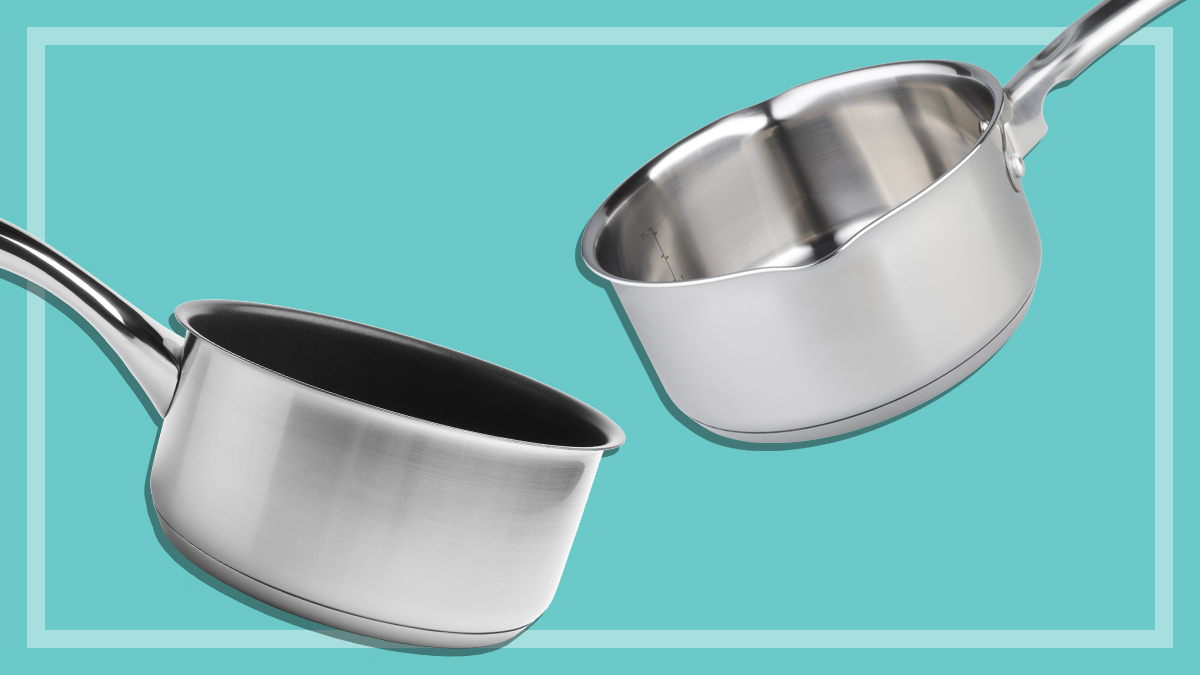
Good cookware can mean the difference between perfect, silky scrambled eggs and a half-burnt, half-runny mess that you probably wouldn’t even give to the dog.
And if you’re splashing out on a new induction cooktop, you’ll want to make sure you’re getting the most out of your expensive purchase – there’s no point having a shiny new appliance if your pots and pans aren’t up to scratch. (Or if they are scratched, come to think of it.)
If your current cookware isn’t induction-compatible, then you’ll need to replace it. Or maybe you just want to shout yourself a nice new set of pots and pans to use on your nice new cooktop.
But there are so many different brands, designs and materials out there that it can be hard to know where to begin.
Fortunately CHOICE’s kitchen experts are well versed in all things induction cooking. Here’s their advice on how to decide what to buy, what you need to know, and which pots and pans not to buy.
Plus, for CHOICE members only, we’ll reveal the top scoring induction-compatible frypans and saucepans from our rigorous lab testing.
If you’re not yet a member, join CHOICE to get instant access to all our expert, independent reviews.
If you want the technical explanation: induction cooktops work by creating an electro-magnetic field that creates energy and transfers it to the cookware, causing it to heat up, so to cook with induction you need cookware that has a ferrous base.
In plain English, that means that instead of using heat like gas and electric cooktops, induction cooktops basically use a magnet that makes your pots and pans heat up.
You know how magnets stick to some metals and not others?
It’s the same with cookware – it needs to be made from the kind of metal that magnets stick to, otherwise the induction cooktop’s magnetic field won’t work to heat it up.
That’s how you can check if frypans and saucepans will work with an induction cooktop: hold a magnet on the bottom and if it sticks, you’re good to go. If it doesn’t, unfortunately you’ll need different cookware.
You can also look for the induction symbol on the cookware’s base or packaging.
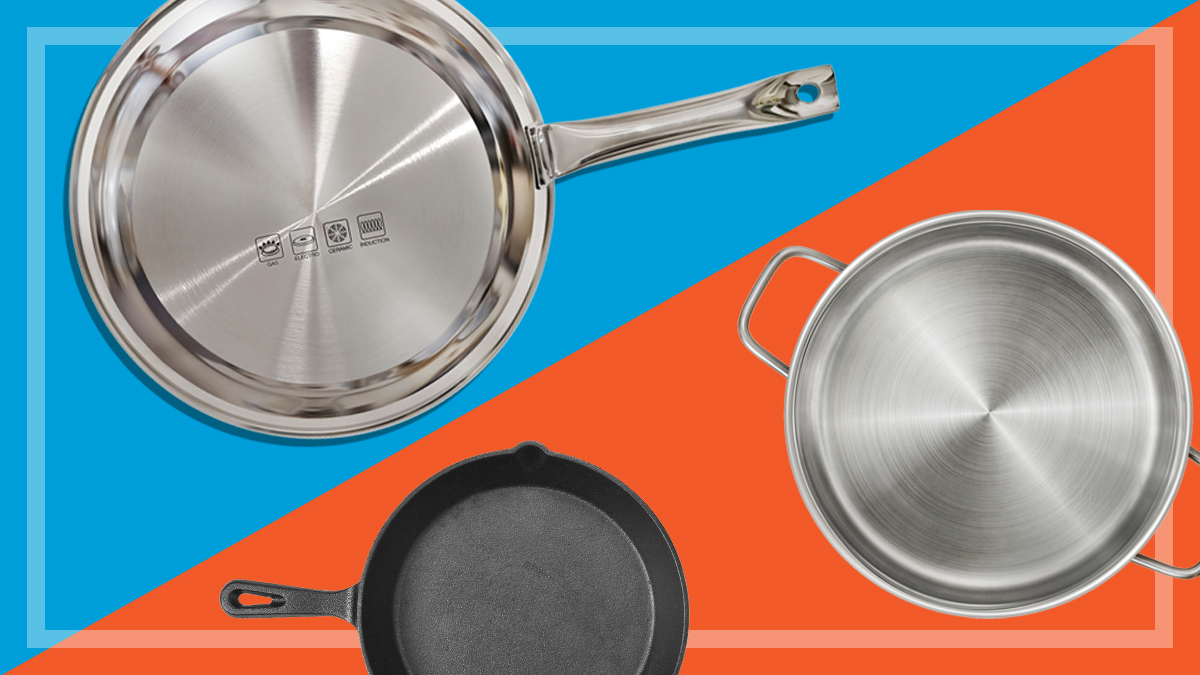
Here’s what works:
Cast iron
Carbon steel
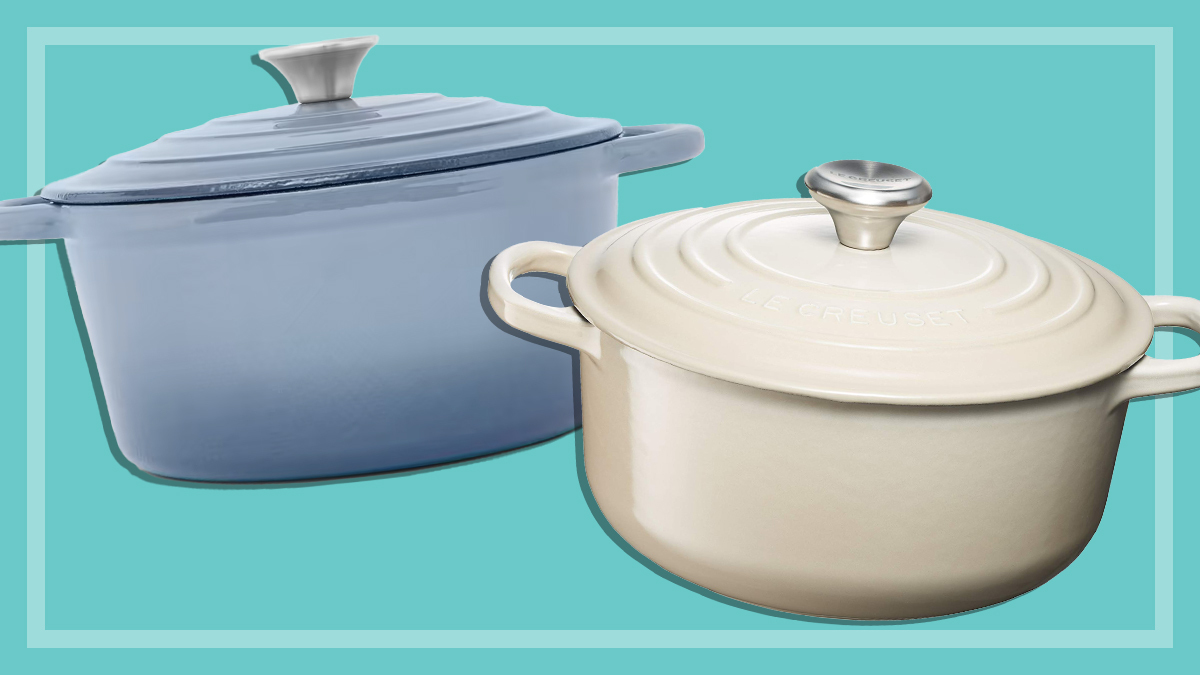
Some enamelled cast iron
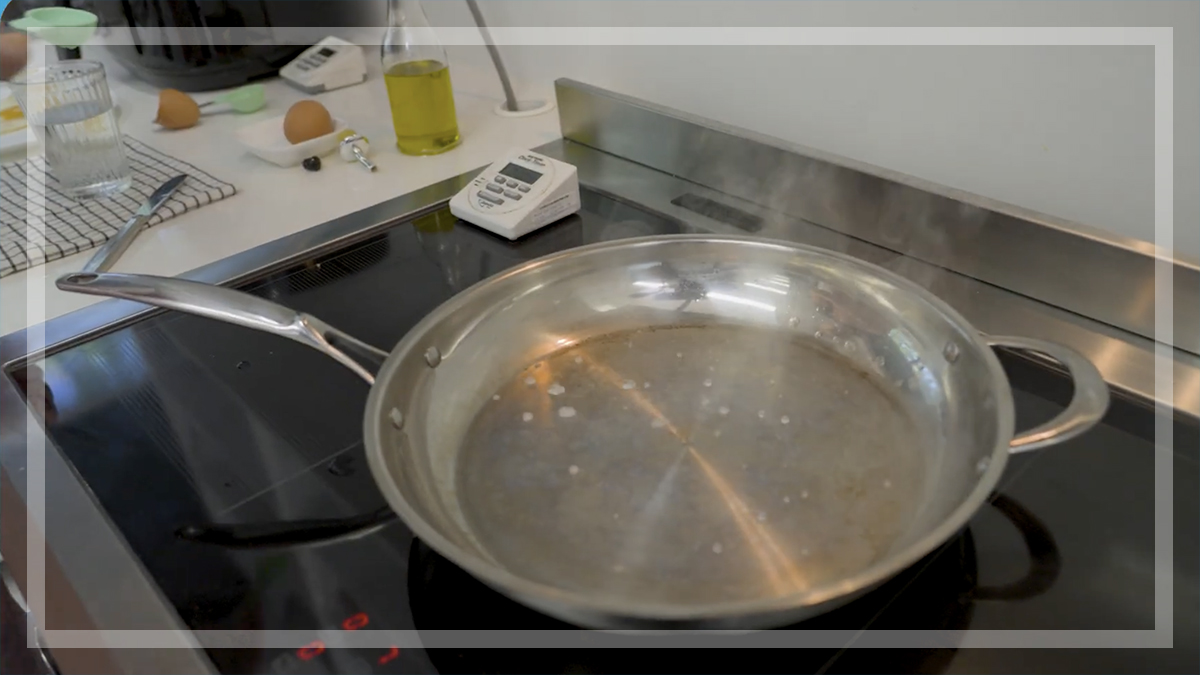
Stainless steel (if it has an iron base or core)
Ceramic cookware (if it has an iron layer in the base)
Here’s what generally doesn’t:
Glass
Aluminium
Copper
While aluminium itself doesn’t work on induction cooktops, it’s really good at holding heat so some pots and pans will have a layer of aluminium on top of a stainless steel base.
Things to look out for when buying induction cookware
Induction compatibility
The magnet test is a good start, but there are a couple of other things you need to consider to make sure you’re buying the best pots and pans to cook with.
When you do the magnet test, make sure it sticks well to the bottom of the pan – you want it to have a nice, strong grip.
And don’t just check one spot: the magnet should stick well everywhere on the base, right up to the edges – and ideally along the sides as well. That will ensure that the pan heats across the whole base so you don’t have any cold spots on the edges.
Size
You should also make sure that your cookware is the right size for the zones on your induction cooktop. Pans that are too small may not activate the heat; pans that are too large could heat unevenly.
Some cooktops have flexi zones for larger cookware and rectangular pans, so before you buy an induction cooktop and induction cookware, think about what kind of cookware you like to use and how you plan to cook.
Materials
Different cookware surfaces are better-suited to some types of cooking than others, so make sure you’re buying the right type for your cooking habits.
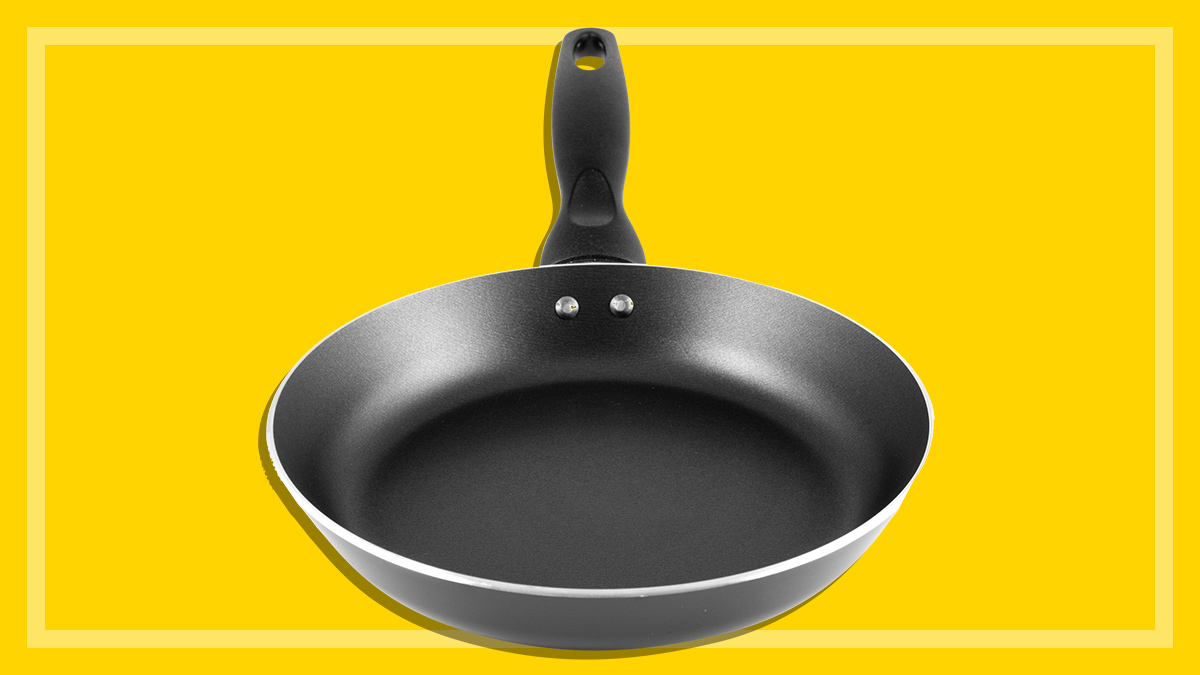
“When cooking on a non-stick frypan you may not get the same level of caramelisation as you would if you were using cast iron, stainless steel, or cast iron enamel,” says CHOICE kitchen expert Chantelle Dart.
“These materials hold their heat well and they are suitable for high temperatures. Searing and frying will perform better on these materials.
“Non-stick fry pans are suitable for foods that don’t require a high temperature such as eggs, fish and any dairy foods.”
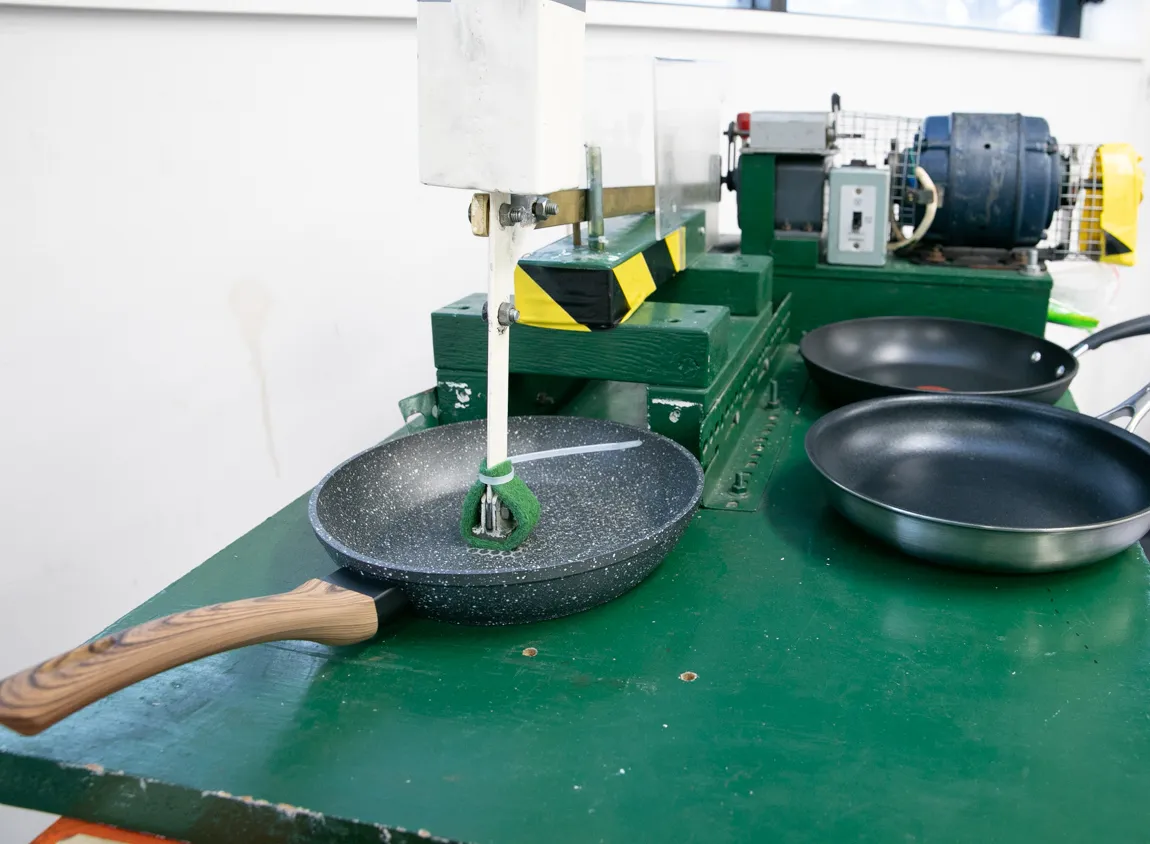
We test non-stick frypans using a scourer on a mechanical scrubbing arm to rub the pan 10,000 times.
Don’t assume that every cheap frypan will do a so-so job, or that expensive pans will suddenly make you a cordon bleu chef.
The lowest scoring frypans from our tests range from cheapo Kmart pans all the way through to one that costs nearly $200.
The CHOICE Expert Rating is calculated based on how well the pan cooks, how easy it is to use and, for non-stick pans, how durable the surface is. These are the worst performers we saw.
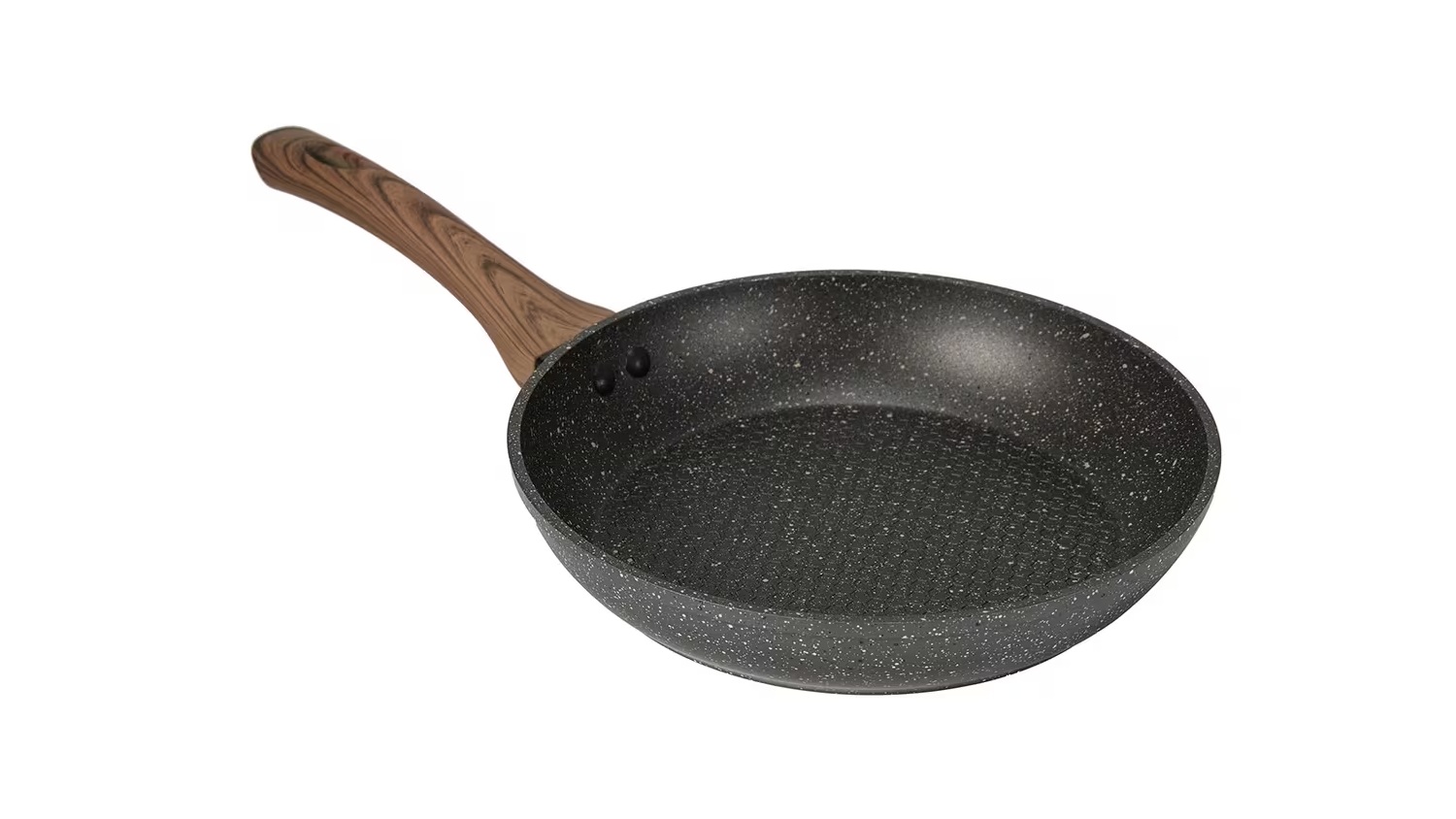
The Kmart Anko 24cm Aluminium 4 Layer Non-Stick Frypan.
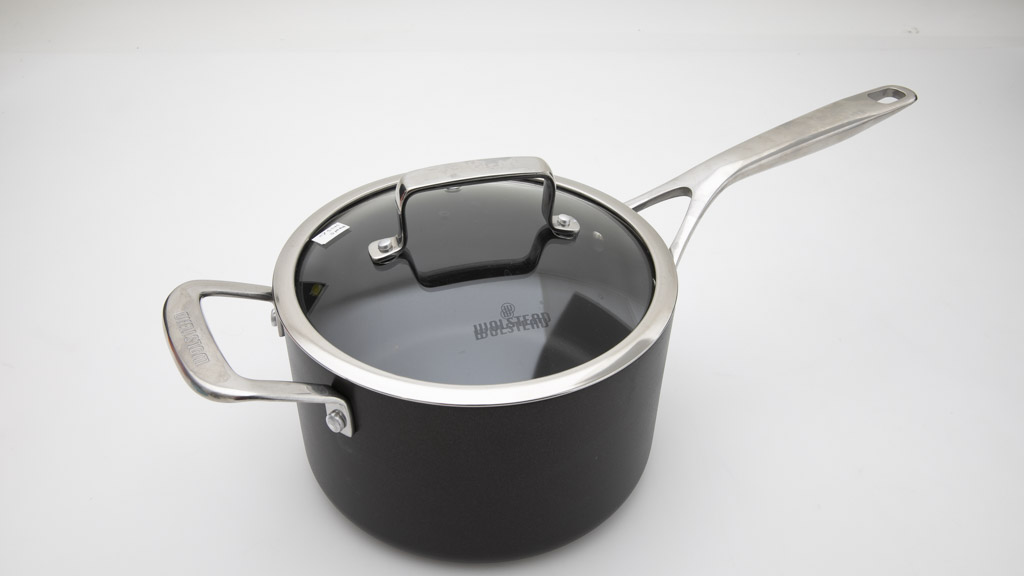
While many of the more expensive saucepans performed well in our testing, there were several pricier pots at the bottom of the pile.
And conversely, some cheaper saucepans were among the highest scorers, ranking alongside well-known brands costing hundreds of dollars.
Our results really show that buying the most expensive won’t always mean you’ll get the best – and buying on a budget doesn’t have to mean settling for a second-class saucepan.
The CHOICE Expert Rating is calculated based on cooking performance which includes how quickly the saucepan boils 1L of water, whether it heats evenly, and whether food sticks when cooking, as well as ease of use.
Here are the saucepans to cross off your shopping list.
What are the best induction frypans and saucepans?
We recommend saucepans and frypans with a CHOICE Expert Rating of 80% or more.
Only CHOICE members can access our detailed cookware testing data. If you’re not yet a member, join CHOICE to get instant access to all our expert, independent reviews.
Or log in to unlock this article and find out which slow cookers turn up the heat in the kitchen.
Alice Richard is a Content creator and marketer. Alice writes on a range of topics, from health insurance to heaters and BBQs to bargain-hunting, always with the aim to help consumers find the best products to buy, and which to avoid.
Alice can take vast amounts of data from CHOICE product tests and turn it into content that is easily digestible and fun for readers.
Alice has a Bachelor of Arts from the University of Queensland.
Alice Richard is a Content creator and marketer. Alice writes on a range of topics, from health insurance to heaters and BBQs to bargain-hunting, always with the aim to help consumers find the best products to buy, and which to avoid.
Alice can take vast amounts of data from CHOICE product tests and turn it into content that is easily digestible and fun for readers.
Alice has a Bachelor of Arts from the University of Queensland.
For more than 60 years, CHOICE has been fighting the good fight for Australian consumers.
In the past year alone we've uncovered systemic issues with sunscreens, investigated shonky supermarket pricing, fought for stronger scam protections and helped make complex energy pricing fairer and clearer.
CHOICE is here to provide unbiased advice and independent testing in our world-class labs. We buy the products we test, just like you do, and our expert reviews are influence free. We’re here to help you choose smarter. Hopefully you’ll also save some money along the way.
Thanks to CHOICE, you’ll never be alone when a business treats you unfairly. You can support our work by joining or donating to our cause.