CHOICE has been campaigning for stronger product safety laws in Australia since 2018, and our campaign still continues in 2026
Over the years, our test labs have documented a disturbingly high number of product safety failures, especially in products designed for kids and babies
Three out of four Australians still mistakenly believe that retailers are legally obligated to ensure the products they sell are safe
One longstanding truism of the consumer rights movement is that it takes a long time and a lot of effort to get new laws passed. Legislative reform often comes long after the issues that made it necessary have already done considerable damage.
CHOICE has been campaigning for stronger product safety laws in Australia since 2018, and our campaign continues in 2026. Over the years, our test labs (accredited by the National Association of Testing Authorities) have documented a disturbingly high number of product safety failures, especially in products designed for kids and babies, where the lack of adequate safety standards can pose nightmare scenarios.
Astonishingly, the law doesn’t prevent the sale of unsafe products in Australia. Risks and dangers often come to light only after people are injured.
But, according to the results of a national CHOICE survey, three out of four Australians (74%) still mistakenly believe that retailers are legally obligated to ensure the products they sell are safe. It’s a logical assumption that, unfortunately, is not a reality.
Astonishingly, the law doesn’t prevent the sale of unsafe products in Australia
In 2019, as our campaign for an overarching product safety duty under Australian Consumer Law gathered steam, the Australian Competition and Consumer Commission (ACCC) reported that there were around 780 deaths and around 52,000 injuries per year from consumer products that many Australians have in their homes, not including motor vehicles.
“There is no law that says goods have to be safe, but there should be,” then ACCC chair Rod Sims said at the time.
This year, 15 March is World Consumer Rights Day, so we thought it would be a good time to revisit some examples of what happens when products are made available without mandatory pre-market safety tests to inform their design.
There is no law that says goods have to be safe, but there should be
Former ACCC chair Rod Sims
It’s worth noting that Australia does have mandatory safety standards for some consumer goods, including baby products, electrical appliances, child motor vehicle restraints, bicycle helmets, children’s nightwear and more. But it’s a short list compared to the number of goods available that lack such standards.
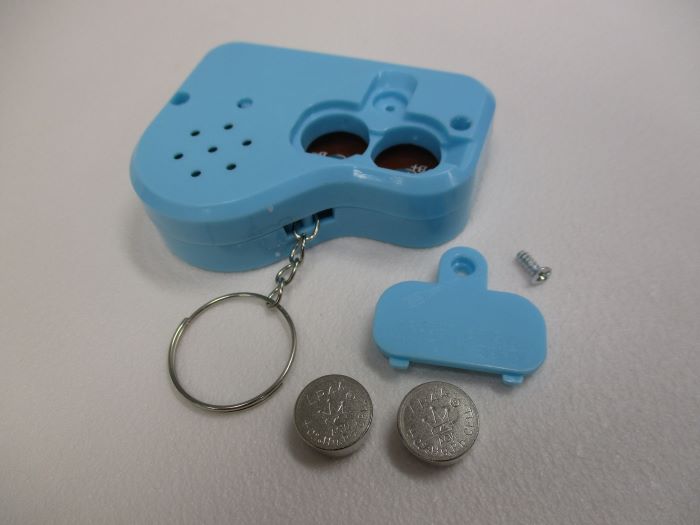
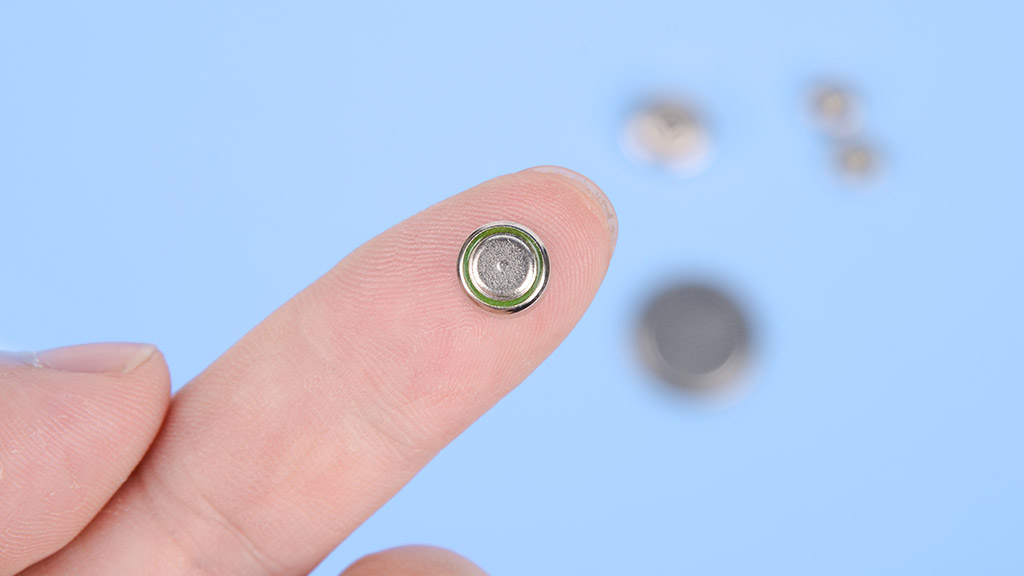
As of 2022 there have been mandatory standards for button batteries, requiring manufacturers to secure battery compartments and include label warnings to prevent young children from ingesting these potentially deadly items.
CHOICE campaigned strenuously for this reform, which came in the wake of the deaths of three children and the serious injury of countless others.
Prior to the mandatory safety standard, there was a voluntary standard that manufacturers could choose to observe or ignore. They mostly did the latter.
CHOICE campaigned strenuously for this reform, which came in the wake of the deaths of three children and the serious injury of countless others
In 2019, we tested 17 common household items – including ear thermometers, kitchen and bathroom scales, and remote controls – against the voluntary standard. Ten had unsecured batteries that could have easily been accessed and swallowed by children.
And just because we finally get laws doesn’t mean manufacturers won’t break them. CHOICE has conducted several battery button safety tests in our labs since 2022, and failures have been common.
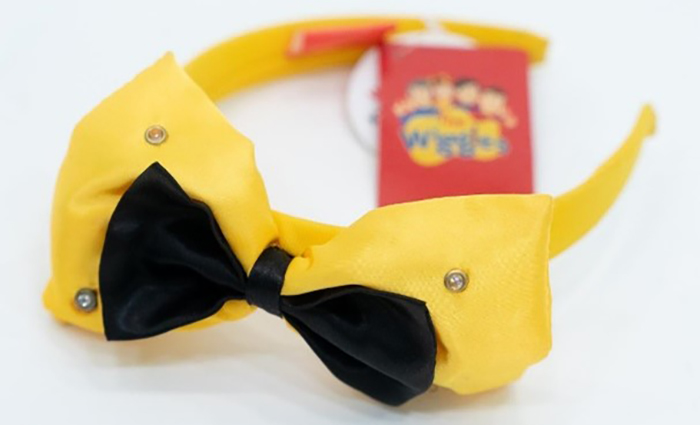
The Wiggles breached button battery regulations by selling thousands of Emma Bow headbands.
Around the same time, the famed Australian children’s musical group The Wiggles admitted in a case brought by the ACCC that it had breached regulations by selling thousands of Emma Bow headbands that lacked mandatory button battery safety warnings.
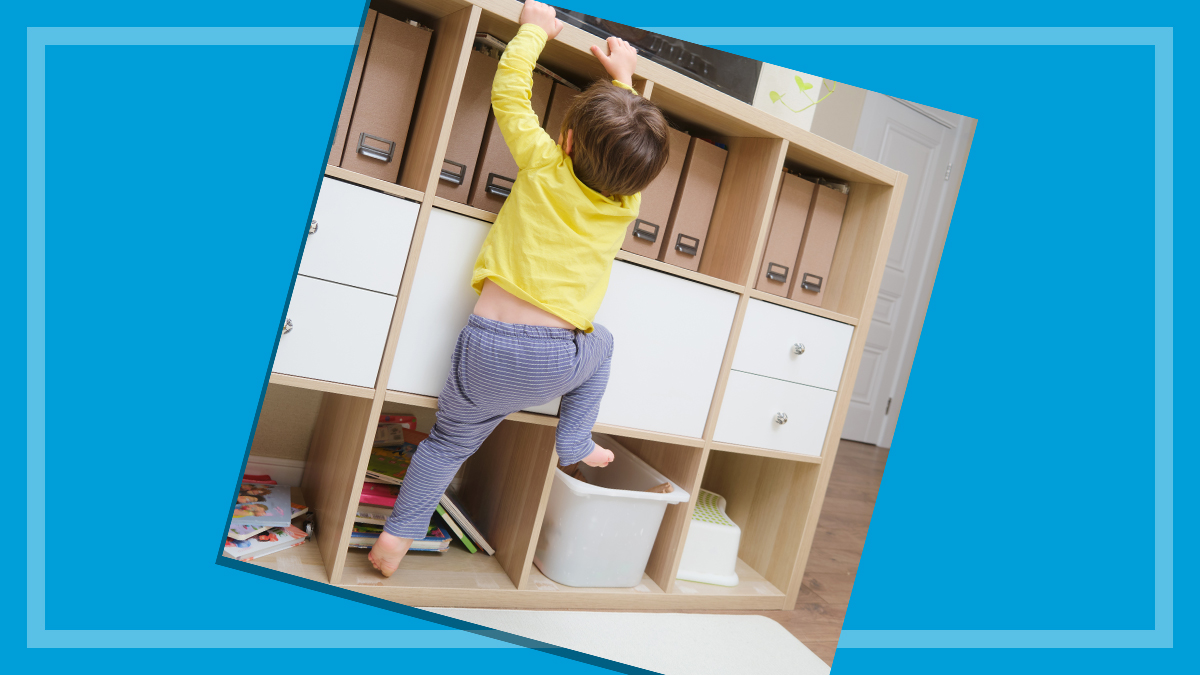
In May 2025, a new mandatory standard came into effect for furniture that’s prone to toppling over and seriously injuring people, especially small children.
It is not a big ask for manufacturers. They are now merely required to prominently warn consumers about the very real risks of this happening on labels, instruction manuals and other communications.
But many other products sold in Australia are not subject to any safety standards at all.
Australia is an outlier in this regard. Canada, the UK and the EU, for instance, have laws that stipulate products across the board must be safe before they’re sold. It’s an idea that’s sweeping the globe.
In December last year, the United Nations released its Principles for Consumer Product Safety, which “affirm the right of all consumers to safe, non-hazardous products, sold online and offline”.
Late last year, in our most recent test of essential children’s products, we tested 54 models of prams and strollers. Sixteen of them had serious safety failures.
The manufacturing defects included the risk of falls, durability failures, locking mechanism failures, parking brake failures and harnesses that posed the risk of strangulation and head entrapment.
Manufacturers for each brand responded with their own test results, declaring the products safe. Unlike many other children’s products, prams sold in Australia do need to meet mandatory safety standards, but CHOICE experts also test to a newer, voluntary safety standard that goes above and beyond mandatory requirements.
It means you take it on trust that these items are safe for your child – trust in the profit-driven, often overseas-based manufacturer, that is
We think the more stringent voluntary standard should be mandatory. (A 2022 revision to the voluntary standard takes newer designs of prams into account, such as convertible tricycle strollers.)
While prams must meet safety standards (which we view as inadequate), and a new mandatory infant sleep standard covers infant sleep products, many other children’s products are still not subject to standards, including high chairs, change tables, baby bottles and teats, safety gates and barriers, backyard play equipment, baby carriers and slings, and playpens.
It means you take it on trust that these items are safe for your child – trust in the profit-driven, often overseas-based manufacturer, that is.
This musical keyboard from Temu does not meet button battery safety standards.
Over the past couple of years we’ve turned our sights toward the new generation of online marketplaces that sell many billions of inexpensive goods around the world every year. What we found is not cause for celebration.
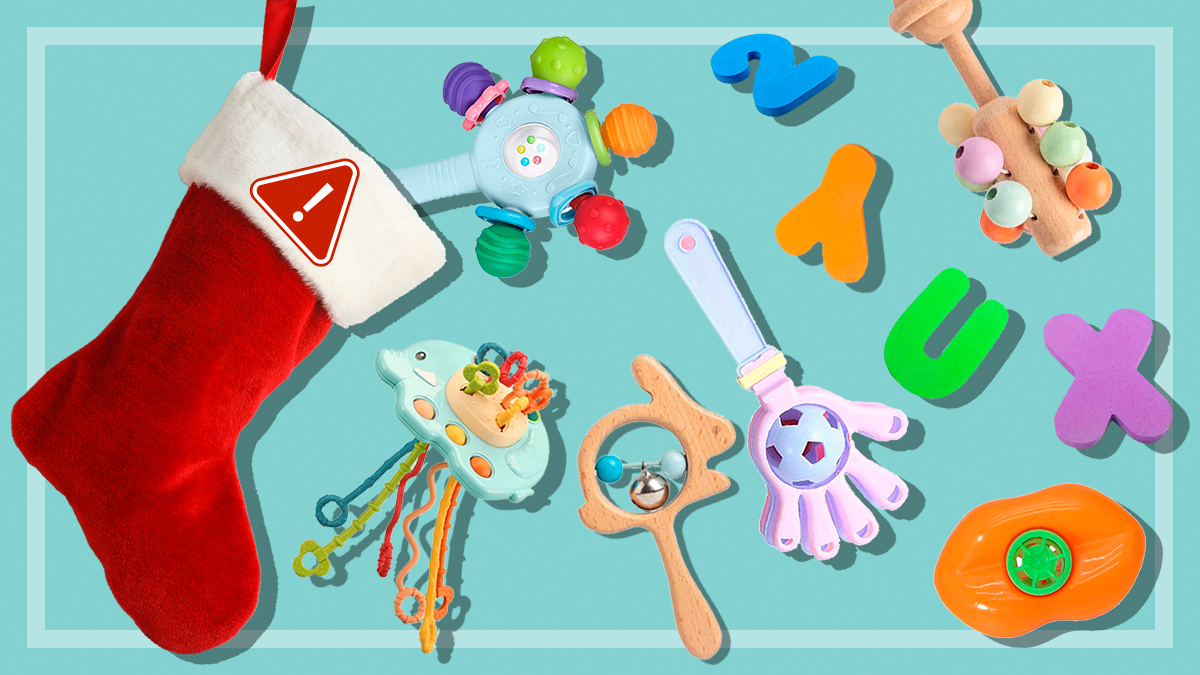
In late 2025, we published the results of a CHOICE button battery lab test of children’s products purchased on Shein, AliExpress, eBay and Amazon. The safety failure rate was high across all four marketplaces and included lack of suitable warning labels and insecure compartments.
Six of them had serious safety failures based on Australian mandatory standards, ranging from choking hazards to lack of safety warnings.
The safety failure rate was high across all four marketplaces and included lack of suitable warning labels and insecure compartments
Online marketplaces have added new dangers to the purchasing of consumer goods in Australia. And at the moment we have little protection.
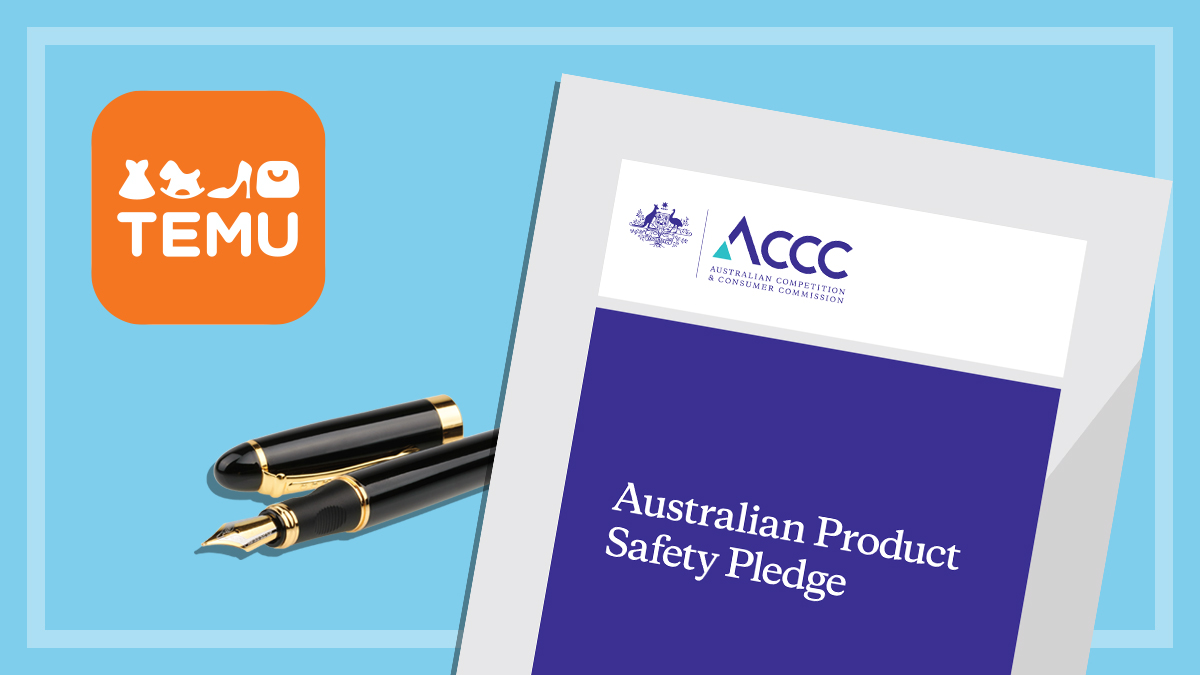
These marketplaces can choose to sign up to the Australian Competition and Consumer Commission’s voluntary Product Safety Pledge as a gesture of good will, but the ACCC has no power to make sure they’re actually complying.
A phenomenon known as “product safety washing” has emerged. Amazon Australia, eBay Australia and Chinese retailer AliExpress have all signed the pledge. But the most recent Australian Product Safety Pledge annual report, which did not name names, says adherence by signatories is spotty. Some resumed selling unsafe products after removing them, while others took too long to remove them.
Australia is far from alone in the struggle to rein in online marketplaces that specialise in cheap goods. In December last year, we published the results of a mystery shopping exercise of Temu and Shein by International Consumer Research and Testing (ICRT), a London-based global consortium of consumer organisations (including CHOICE).
Consumer organisations in Germany, France, Denmark and Belgium tested 162 products purchased on Shein and Temu across three categories: toys and products for children under three, USB chargers, and necklaces.
A massive 65% of the products bought on Temu failed to comply with EU safety standards, while the failure rate for Shein was 73%. The worst safety failures were in the children’s toys category, where all 27 products purchased on Shein and 26 out of 27 bought on Temu failed.
A massive 65% of the products bought on Temu failed to comply with EU safety standards, while the failure rate for Shein was 73%
According to the European Commission, about 12 million low-cost parcels per day were imported to Europe from China (where Temu and Shein are based) in 2024. That equals about 4.6 billion parcels for the year. It was twice as many as in 2023 and three times as many as in 2022.
It’s a sign that we urgently need stronger product safety laws that make it illegal for all businesses to sell unsafe products. Until then, compelling cut-rate online marketplaces to conduct safety tests on products before they go on sale, or to make sure their many suppliers do so, remains a work in progress.
Andy Kollmorgen is the Investigations Editor at CHOICE. He reports on a wide range of issues in the consumer marketplace, with a focus on financial harm to vulnerable people at the hands of corporations and businesses. Prior to CHOICE, Andy worked at the Australian Securities and Investments Commission (ASIC) and at the Australian Financial Review along with a number of other news organisations. Andy is a former member of the NSW Fair Trading Advisory Council. He has a Bachelor of Arts in English from New York University. LinkedIn
Andy Kollmorgen is the Investigations Editor at CHOICE. He reports on a wide range of issues in the consumer marketplace, with a focus on financial harm to vulnerable people at the hands of corporations and businesses. Prior to CHOICE, Andy worked at the Australian Securities and Investments Commission (ASIC) and at the Australian Financial Review along with a number of other news organisations. Andy is a former member of the NSW Fair Trading Advisory Council. He has a Bachelor of Arts in English from New York University. LinkedIn
For more than 60 years, CHOICE has been fighting the good fight for Australian consumers.
In the past year alone we've uncovered systemic issues with sunscreens, investigated shonky supermarket pricing, fought for stronger scam protections and helped make complex energy pricing fairer and clearer.
CHOICE is here to provide unbiased advice and independent testing in our world-class labs. We buy the products we test, just like you do, and our expert reviews are influence free. We’re here to help you choose smarter. Hopefully you’ll also save some money along the way.
Thanks to CHOICE, you’ll never be alone when a business treats you unfairly. You can support our work by joining or donating to our cause.