Toppling furniture and TVs have killed at least 28 people in Australia since 2000, including 17 children under five
New standards became mandatory in May 2025, but more than 90% of businesses were found by the ACCC to be non-compliant
Follow our tips and advice to ensure you’re securing your furniture safely
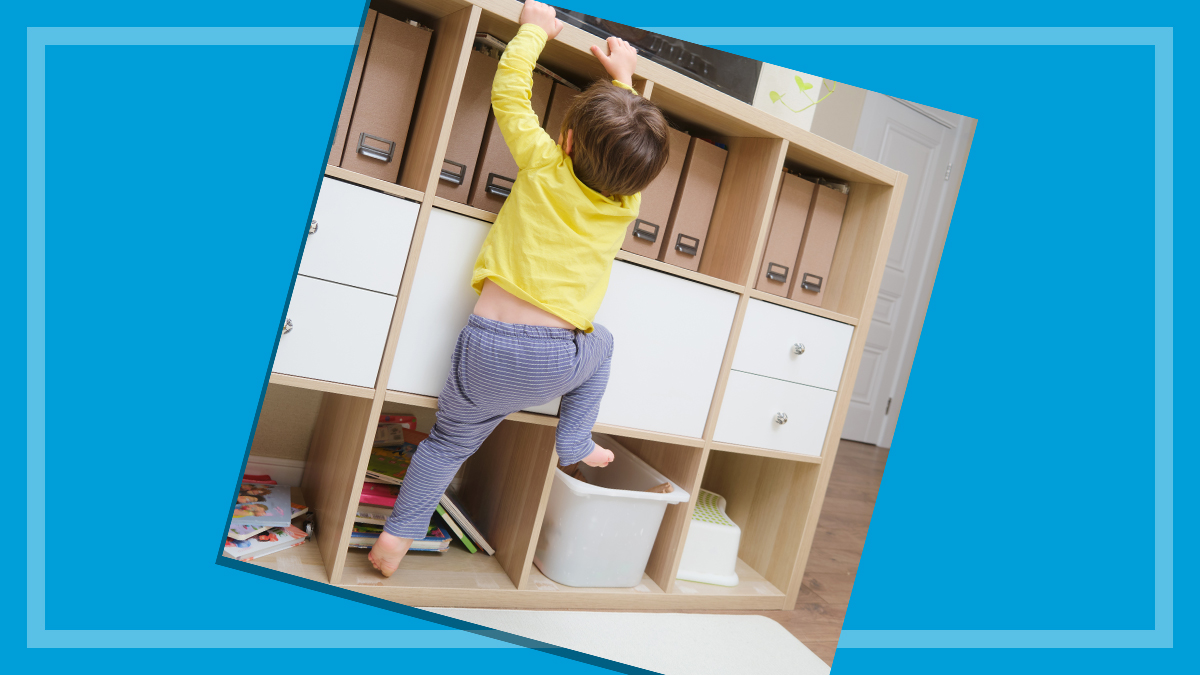
How secure is the furniture around your home? Common items such as bookshelves, televisions and chests of drawers can cause serious safety risks if they’re not anchored properly, and are particularly dangerous for younger children and older people.
Toppling furniture has killed at least 28 people in Australia since 2000 and caused nearly 20 injuries a week.
A new mandatory information standard came into effect on 4 May 2025, with the aim to reduce the accidents and deaths from these sorts of incidents, which can result in head and crush injuries and asphyxiation.
This new standard requires safety warnings to be provided to consumers online and instore at the point of sale on items that pose a risk. Warnings should be available on the products themselves and in any accompanying instructions.
The standard came into effect following the ACCC review into the risks and dangers of toppling furniture, to which CHOICE made recommendations in 2021. It applies to chests of drawers, wardrobes, bookcases, hall tables, display cabinets, buffets and sideboards with a height of 686mm or more, and entertainment units of any height.
Suppliers were given a transition period to put the warning measures in place, before the rules became mandatory on 4 May 2025, with stiff penalties possible for non-compliant businesses.
Despite the transition period and the threat of penalties, a sweep of businesses conducted by the ACCC found a concerning level of non-compliance.
State and territory consumer protection agencies examined more than 3000 furniture products at more than 160 businesses and found 90% had failed to comply with the new standard in relation to one or more of their products. More than half were non-compliant in relation to all the products examined. Just 10% were assessed as fully compliant.
ACCC Deputy Chair Catriona Lowe says the low level of compliance is concerning.
“It is critical that businesses include warning and safety information on toppling furniture,” she says, adding that monitoring will continue. “We expect to see significant improvement in compliance, and will consider enforcement action if this does not occur.”
The mandatory information standard is a “positive step” and something CHOICE has advocated for, says CHOICE Director of Campaigns and Communications Andy Kelly, but he expressed disappointment at the lack of compliance.
“The majority of consumers mistakenly believe it’s already illegal to sell unsafe products in Australia, so prominent warnings and clear instructions to minimise risk are especially important,” he says.
“It’s disappointing that most furniture suppliers are failing to comply with the new standard.”
The majority of consumers mistakenly believe it’s already illegal to sell unsafe products in Australia
Andy Kelly, CHOICE Director of Campaigns and Communications
As well as the lack of compliance, loopholes that make some sellers exempt from the new rules are also a concern.
“A gap in the law means that online marketplaces aren’t legally required to ensure the products sold by third parties on their platforms are safe and compliant,” says Kelly.
“With more people buying furniture from online marketplaces, CHOICE continues to call for the introduction of stronger product safety laws that would place a duty on all businesses to ensure that all the products they sell are safe – including online marketplaces.”
When buying and assembling furniture, keep in mind it should be stable and secured.
Making it easier for renters
Renters often report having trouble securing furniture in their home, since anchoring furniture requires drilling holes in the wall and requires permission from the landlord. In a 2020 CHOICE survey, 58% of renters who hadn’t anchored furniture said the number one reason was because their landlord or managing agent didn’t allow it.
If you’re renting a home, contact your landlord or agent about installing anchor devices to the wall. Some states have laws that make it easier for tenants to secure furniture, and all tenants can speak to their landlord or agent about installing anchoring devices to help ensure their family’s safety.
If you’re unsure about your rights and responsibilities as a tenant, you can check local laws, or seek support from your local consumer protection agency.
How to choose safer furniture when shopping
When you’re out shopping, look for the safety warnings on any products you’re considering. The ACCC encourages consumers to report concerns about unsafe or non-compliant furniture items to the supplier. Concerns can also be reported to the ACCC using the Product Safety Australia website.
When choosing items for your home, particularly if you’re shopping for furniture for a child’s room, or if you have young children living in or regularly visiting your home, use these tips to help select options that pose the least risk:
Choose stable furniture.
Pull out any top drawers of a chest of drawers or open doors on other furniture items and apply a little pressure to see how stable the furniture is.
Make sure the drawers don’t fall out easily.
Look for built-in drawer stops that limit how far drawers can be extended or interlocks that prevent more than one drawer being opened at the same time.
Look for furniture with sturdy backing material, which increases stability.
Look for low-set furniture or furniture with a sturdy, stable and broad base, which makes it less likely to tip over.
Tips to reduce toppling furniture incidents in your home
Whether assembling or arranging new furniture or reviewing the safety of your current furniture, here are some things to keep in mind.
Securing furniture to the wall or floor is the best way to prevent furniture from tipping over. If your furniture doesn’t come with anchoring hardware or you’re securing furniture you already own, you can get the necessary parts from a furniture retailer, hardware store or a specialty baby goods store. If you’re not sure which product is right for your furniture, ask at your local hardware store or seek the advice of a professional.
Locate furniture on a flat, even surface where possible. Furniture is more unstable when it’s on an uneven or soft surface, such as carpet or a rug. If you plan to place your furniture on carpet against a wall, check to make sure the carpet isn’t bulging.
Keep your heaviest items at the bottom of your drawers or shelves. Top-heavy furniture is easier to tip over.
Do not place heavy items such as TVs or items that are enticing to children on top of furniture.
Put locking devices on all drawers to help prevent children from opening drawers and using them as steps.
Pru Engel is the Audience and Engagement editor at CHOICE. Her job is to ensure as many Australians as possible know about the great work we do at CHOICE.
She works closely with our testers and experts to find the gems of information in our data and research that will resonate with Australian consumers and help them make the best decisions, whether they're purchasing an air fryer, looking for a new mattress or trying to find the cheapest car insurance. She also helps to drive meaningful change for consumers by collaborating with our Campaigns team on content covering issues such as grocery pricing, product safety and scams.
Prior to CHOICE, Pru worked as an editor at many of Australia's leading food and lifestyle titles.
Pru has a Bachelor of Arts in Communication (Journalism) from the University of Technology, Sydney.
LinkedIn
Pru Engel is the Audience and Engagement editor at CHOICE. Her job is to ensure as many Australians as possible know about the great work we do at CHOICE.
She works closely with our testers and experts to find the gems of information in our data and research that will resonate with Australian consumers and help them make the best decisions, whether they're purchasing an air fryer, looking for a new mattress or trying to find the cheapest car insurance. She also helps to drive meaningful change for consumers by collaborating with our Campaigns team on content covering issues such as grocery pricing, product safety and scams.
Prior to CHOICE, Pru worked as an editor at many of Australia's leading food and lifestyle titles.
Pru has a Bachelor of Arts in Communication (Journalism) from the University of Technology, Sydney.
LinkedIn
Kim Gilmour is a Senior project officer. She manages a range of product tests such as coffee machines, stick vacuums, bassinets, high chairs and ovens, which are all tested in our in-house labs.
Kim’s work gives people access to robust, independent advice and helps consumers make informed decisions about their purchases. Her work also helps to keep manufacturers in check, by regularly exposing product flaws which can result in better and safer products.
Prior to CHOICE, Kim spent 16 years working as a technology journalist in Sydney and London. With several years as a senior researcher/writer at our UK sister organisation, Which?
Kim has authored how-to technology books such as Spotify for Dummies and Digital Photography for the Older and Wiser.
Kim has a Bachelor of Arts in Communication (Journalism) from Charles Sturt University. LinkedIn
Kim Gilmour is a Senior project officer. She manages a range of product tests such as coffee machines, stick vacuums, bassinets, high chairs and ovens, which are all tested in our in-house labs.
Kim’s work gives people access to robust, independent advice and helps consumers make informed decisions about their purchases. Her work also helps to keep manufacturers in check, by regularly exposing product flaws which can result in better and safer products.
Prior to CHOICE, Kim spent 16 years working as a technology journalist in Sydney and London. With several years as a senior researcher/writer at our UK sister organisation, Which?
Kim has authored how-to technology books such as Spotify for Dummies and Digital Photography for the Older and Wiser.
Kim has a Bachelor of Arts in Communication (Journalism) from Charles Sturt University. LinkedIn
For more than 60 years, CHOICE has been fighting the good fight for Australian consumers.
In the past year alone we've uncovered systemic issues with sunscreens, investigated shonky supermarket pricing, fought for stronger scam protections and helped make complex energy pricing fairer and clearer.
CHOICE is here to provide unbiased advice and independent testing in our world-class labs. We buy the products we test, just like you do, and our expert reviews are influence free. We’re here to help you choose smarter. Hopefully you’ll also save some money along the way.
Thanks to CHOICE, you’ll never be alone when a business treats you unfairly. You can support our work by joining or donating to our cause.