01
.Introduction
All parents want the best for their children and there's a huge range of products out there to choose from. But beware — some could do more harm than good.
Here's a list of products we think can pose a risk to your child's safety.
CHOICE doesn’t consider any of these necessary to your child's development and recommends you think twice about purchasing any of them.
Babies and toddlers
Basically a frame on wheels, a baby walker is a piece of play equipment designed to support a baby who is not yet able to walk.
Because babies in walkers are much more mobile they can readily get themselves into dangerous situations, which can lead to serious injury. Head injuries are the most common and serious injuries associated with baby walkers. In a baby walker, children can access hazardous areas that they wouldn't normally be able to reach, such as kitchen areas with dangerous or sharp objects. As a result children could suffer injuries like burns, electrocution, cuts and wounds.
The 1980s and 1990s saw a serious of studies that shows serious injury risks to children using baby walkers. To reduce these injury rates a mandatory safety standard came into effect on the 15th of February 2013 to cover design, construction, performance and labelling requirements for baby walkers.
CHOICE strongly discourages the sale and use of baby walkers. There’s no evidence that they help children to start walking sooner; in fact, they may even delay a child’s first steps. If you feel you must use one, look for a model that complies with the mandatory standard.
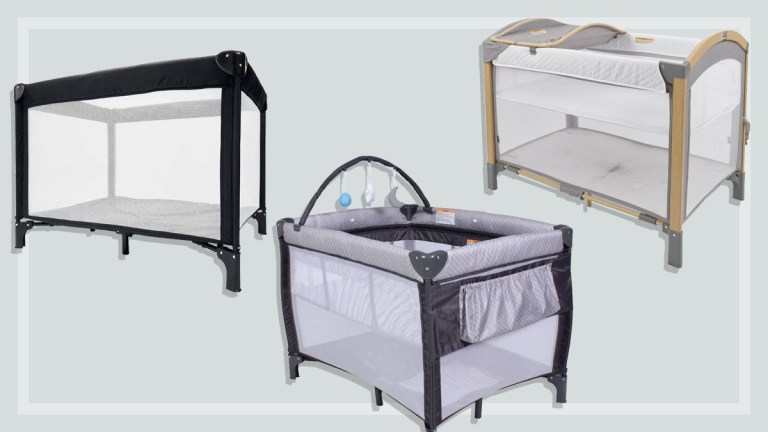
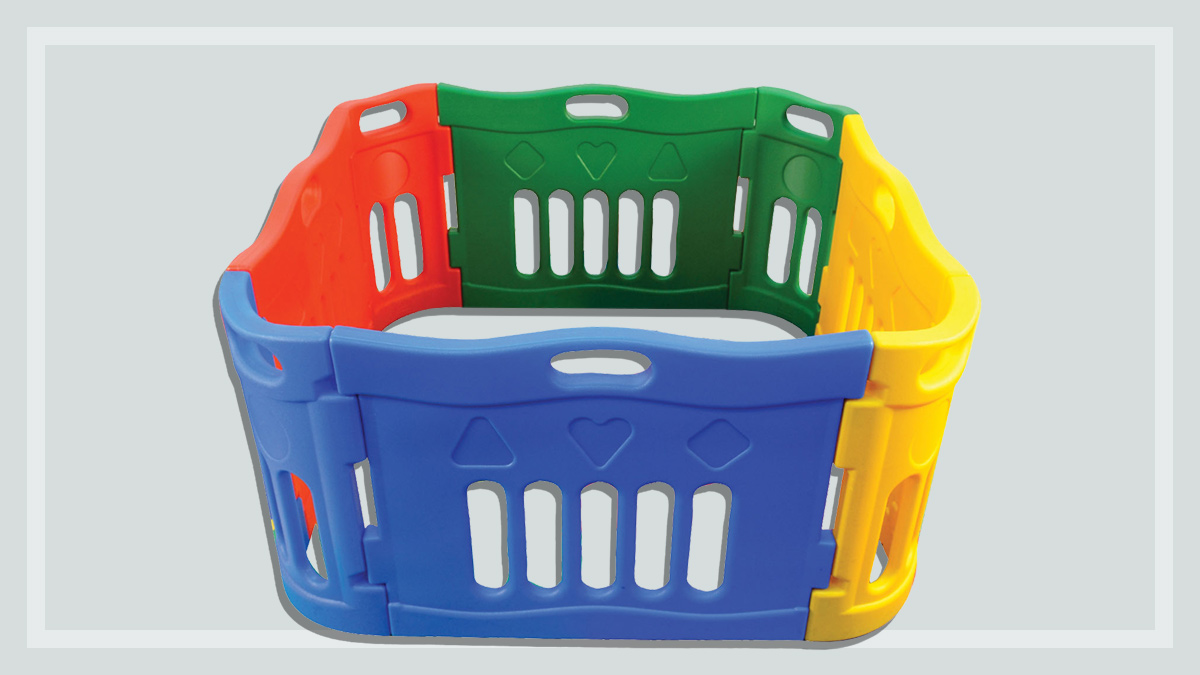
Before you decide on a baby walker, consider other products without wheels such as playpens, bouncers, rockers, play mats and play tables, that can entertain your baby.
Baby bath aids
A baby bath aid provides the carer with extra support for the baby. Allowing a parent to potentially have two free hands while bathing their child may seem like a good ides. But babies have drowned using these bath aids.
These aids carry the danger of babies slipping or tipping into the water and bath seats also carry a danger of children becoming trapped and submerged in the bath water.
No young child should ever be left unsupervised in a bath. But these products give the illusion of security, and as a result carers can mistakenly answer a phone call, or race out to pick up a forgotten item.
A mandatory standard for baby bath aids covers labelling requirements for bath aids and their packaging and was introduced following five known child drowning cases linked to these aids between 2002 and 2005. .
Drowning can occur in incidents where the bath seat tips over, the child slips/rolls off and the child becomes trapped in the seat openings when left unsupervised. It can occur quickly and even if the water is only a few centimeters deep.
Bean bags
Bean bags put children at risk of serious injury or death. The child can choke if they inhale the small polystyrene beads contained in bean bags and babies and young children are at risk of suffocation if placed on bean bags.
If you have any products with these beads including bean bags, pet beds, bean-filled soft toys and pool bean bags, you should ensure that the filling is not accessible to children.
Toy boxes
Kids create mess and you want them to learn to clean it up, so what’s harmful about something as traditional as a toy box? The lid.
Injuries and deaths of young children have been recorded in Australia and overseas from toy box lids falling onto a child’s head or neck. Children can also become trapped inside.
Kids up to two years are most at risk here, so if you have a box:
- Remove the lid. This is the safest option.
- Look for stoppers on the inside of the lid that make a gap of 12 mm or more when the lid is closed.
- A box with ventilation holes allows air flow if the child climbs in and becomes trapped.
- A lightweight plastic crate is safer than a heavy box with a lid.
Jolly jumpers
Baby jumpers, often known as ‘jolly jumpers’, support a baby who is not yet able to stand in a seat which is hung from a door frame or tripod. Babies’ feet can then touch the floor allowing them to bounce up and down.
However, the door clamps can break, causing a baby to fall and older children can cause harm by pushing the baby into the doorway.
Any toy, part of toy or object small enough to fit into a film canister
Busy little fingers and developing minds like nothing better than exploring the world by pulling things apart and sticking them in the mouth. But if the part is small it can easily become lodged in a child’s airway and cause choking.
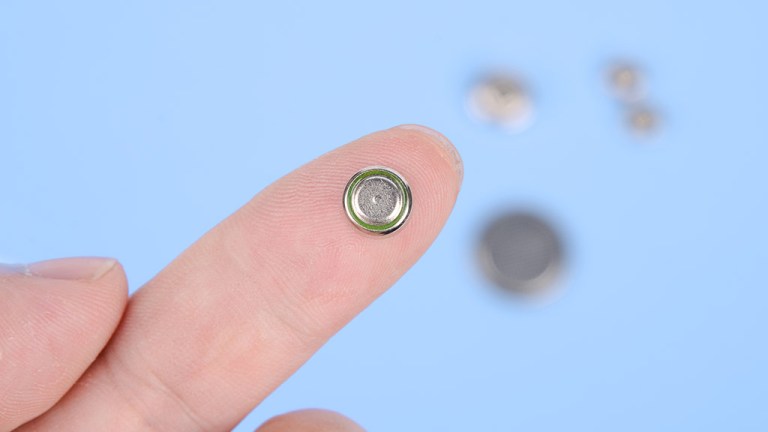
Small balls, pieces from board games, toy darts, loose buttons, coins, dolls’ eyes, bells, wheels, lollypops, small construction blocks, burst or uninflated balloons and batteries are all items that have caused children to choke.
The rule of thumb is, if it fits into a 35mm film canister or is smaller than a ping pong ball, if unsupervised, it’s a risk to young children.
Cot frills, bumpers, pillows or quilts
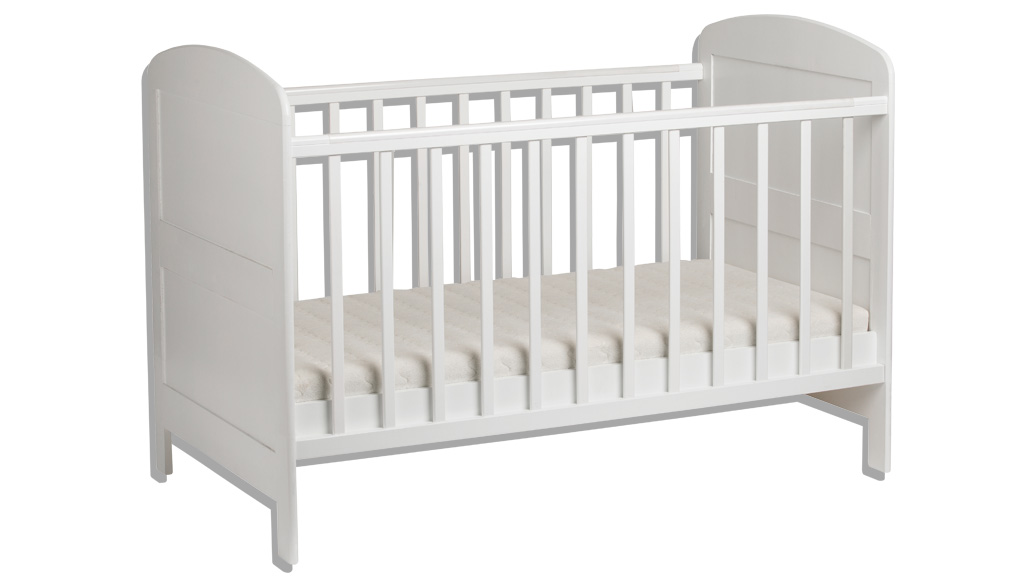
A pretty cot with all the trimmings looks great in the pictures — but frills, bumpers, doonas, pillows and quilts all place babies at risk of suffocation.
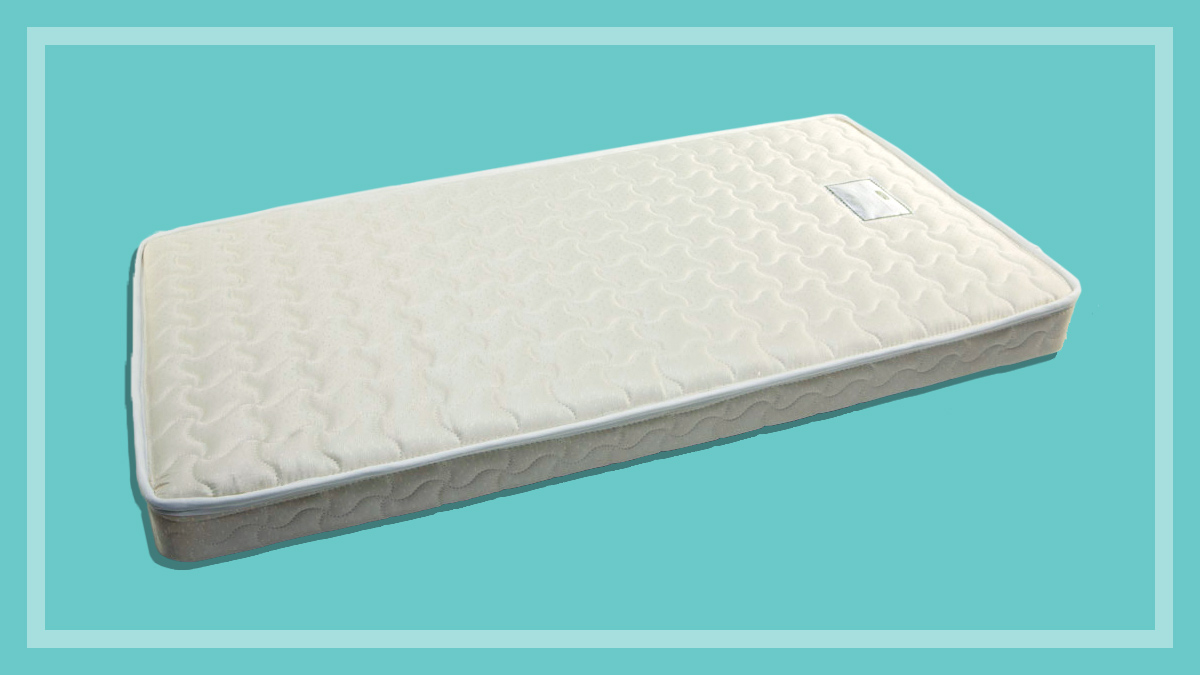
Sudden Infant Death Syndrome (SIDS) research indicates the safest cot for a baby has a firm mattress, a securely fitted sheet and blanket and nothing else.
Projectile toys
Projectile toys, particularly suction darts in target gun sets, can be a choking danger to children and many are illegal. Impact from the projectile can also cause injury.
In 2004, 17 children in Western Australia alone required hospital treatment following injury from projectile toys.
Children
Trampolines
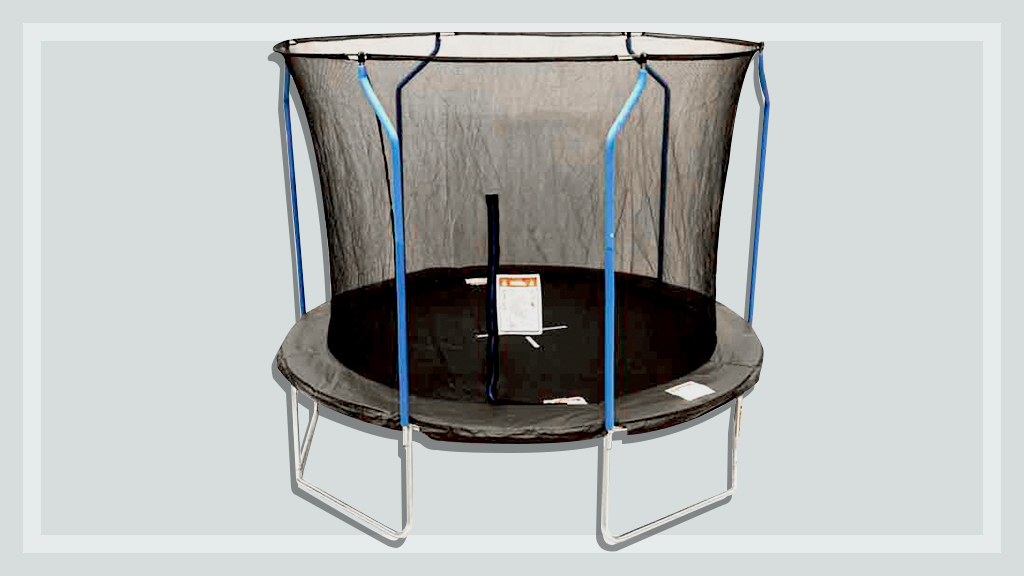
Okay, they can be fun exercise and help develop co-ordination and balance skills but trampolines are also the cause of many injuries to children, most commonly fractures and sprains to the arm.
Usually injuries occur at home when children fall off or hit the side of the trampoline, but there also are risks for young children who can wander underneath and get hit when another child bounces above.
As children under six should always be supervised on the trampoline, and trampolines also require regular inspection and maintenance, unless you have a lot of time you should think twice before putting one in your backyard.
For more information, go to our recent trampoline review.
Bunk beds
They are great space savers, particularly if you live in a flat or a small house, but bunk beds are also associated with significant injury rates due to falls or children jumping from the top bunk during play.
We say you’re better off with a more crowded bedroom, but if you think these are essential, we recommend children under the age of nine not be placed in bunk beds and guard rails be permanently attached to the top bunk.