Feel like your insurance company is not giving you a fair go?
You’re not alone. According to recent research by CHOICE, trust in general insurers (covering products like home and car insurance) is at an all-time low.
CHOICE Consumer Pulse is a quarterly study of over 1000 consumers’ attitudes. The March 2026 survey found that the level of trust in general insurers is lower now, at only 17%, than any time since the survey began 11 years ago.
Meg Dalling, assistant director of policy and campaigns at Consumer Action Law Centre (CALC), says this data is not surprising.
“What we are hearing on the frontlines at CALC and from regulators is that insurers are not fulfilling promises they are making in their product terms, particularly around claims handling,” she says.
The level of trust in general insurers is lower now … than any time since the survey began 11 years ago.
“It’s certainly not getting any better.”
The Australian Financial Complaints Authority (AFCA) has received over 34,000 complaints about general insurance companies in 2024–25, nearly double that of five years ago.
Misleading product or service information, followed by delays in claim handling were the most common issues AFCA heard.
Similarly, the General Insurance Code of Conduct Governance Committee (GICGC), who oversees the voluntary industry code, found that unacceptable wait times and communication issues were the most common breach of standards in 2024–25.
In that year, the GICGC reported over 70,000 breaches by insurers, impacting over 99,000 consumers.
A spokesperson from the Insurance Council of Australia, the peak industry body, attributes the distrust to affordability issues.
They say though GICGC’s findings show there is more to do, “many breaches related to minor, time-bound requirements, such as updating a customer within a specified timeframe, rather than substantive failures,” they say.
However, chair of the GICGC Veronique Ingram says these delays can have a real impact on customers already dealing with stressful or uncertain circumstances.
“Delays in updates or decisions can add to that stress and make it harder for people to recover or move on,” Ingram says.
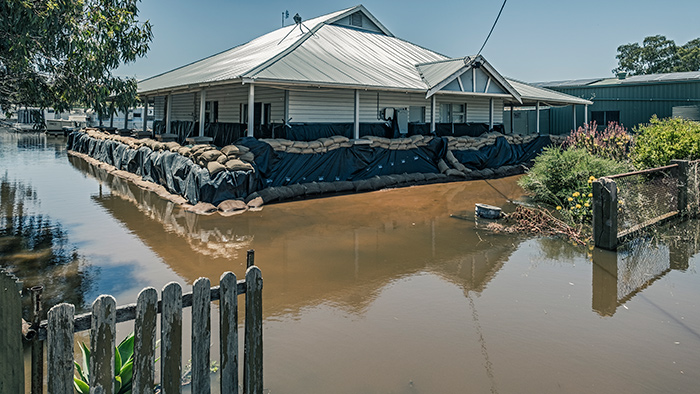
Melanie Domaschenz, manager of South Shepparton Community Centre in northern Victoria saw how long wait times for claims worsened damage for victims of the 2022 floods.
Delays in updates or decisions can add to that stress and make it harder for people to recover or move on
Veronique Ingram, GICG chair
“Some of them weren’t assessed for six weeks. In that time the moisture absorbed into the plaster, the wood. They had mould,” she says.
Domaschenz says she works with many people from low-income households who couldn’t afford temporary accommodation. “A lot of people were literally living in a sleeping bag in their shed,” she says.
In addition to exacerbating financial hardship, Domaschenz says long wait times and poor communication take a toll on residents’ mental health, some giving up insurance altogether to avoid the stress of dealing with companies again.
“Some people didn’t get their insurance for nearly two years. That’s a lot of trauma for a person to go through.”
Those in flood impacted communities say people are waiting too long for claims resolutions
Decision-making and resourcing also an issue
The latest data from the GICGC also found that when customers escalated their complaints, the insurance companies themselves determined that they had initially made the wrong decision in nearly two thirds of cases.
In 2024–25, this amounted to over 1,200,00 complaints (62%) where the customer only got the positive outcome they were entitled to after raising a complaint.
Dalling says this raises concerns about the quality and fairness of the original decisions made by insurers and is “just the tip of the iceberg”, as only a small fraction of people take their complaint further.
When customers escalated their complaints, the insurance companies themselves determined that they had initially made the wrong decision in nearly two thirds of cases
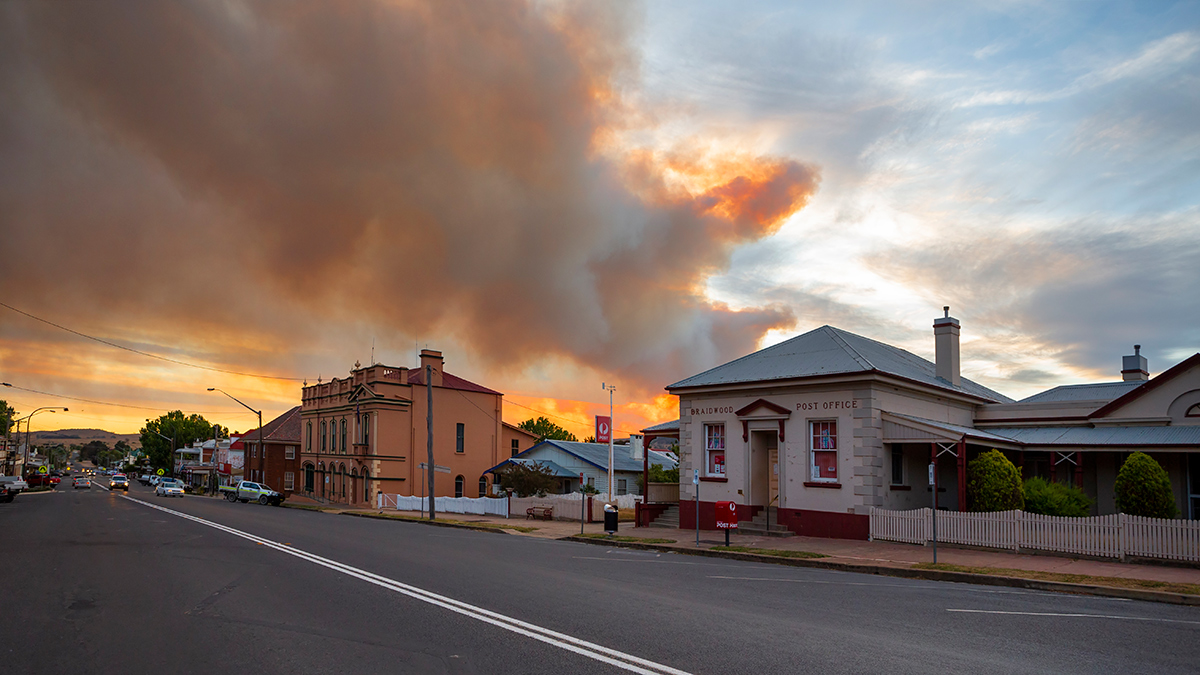
With Australia set to experience more climate-driven disasters, pressures on the insurance industry are growing. The 2023 CHOICE report Weathering the Storm found that opaque and confusing policies left many underinsured, and companies need to be more transparent to people facing the threat of more extreme weather.
Delays experienced by customers also suggest resourcing issues. Melanie Domaschenz says at the time of the 2022 floods in Shepparton, many assessors had to fly down from Queensland where communities were experiencing similar disasters, with many companies often using the same few assessors.
Following a parliamentary inquiry on the 2022 floods, the industry has committed to strengthening the its voluntary code of conduct to better serve consumers under a changing climate. This is yet to materialise.
“Nearly two years on,” Dalling says, “we still don’t have a stronger code to hang our hat on.”
The Insurance Council of Australia says they are working in close consultation with consumer advocates to redraft the code, making sure obligations are clear, enforceable and in plain language consumers can actually understand.
In the meantime, Dalling says the high rates of complaints and breaches show that insurers are failing to meet the obligations that already exist.
Dalling says the GICGC should be doing more by way of issuing sanctions and naming and shaming, as the names of companies breaching their obligations are currently not published. She says the government financial regulator, who issues licenses to insurers, also has a responsibility to ensure the industry operates in the public interest.
“Insurance is a private market that serves a really important public function. It acts as a shock absorber when the worst happens.”
Get the inside story on our investigations into consumer rip-offs and bad business practices.
James is a Master of Journalism student from the University of Melbourne. He has published in Cosmos, The Citizen, and has created podcast series for We Are Explorers and Protect Our Winters Australia. James has a particular interest reporting on science, environmental and social issues, and was a recipient of a JEERA Ossie Award for his journalism. LinkedIn
James is a Master of Journalism student from the University of Melbourne. He has published in Cosmos, The Citizen, and has created podcast series for We Are Explorers and Protect Our Winters Australia. James has a particular interest reporting on science, environmental and social issues, and was a recipient of a JEERA Ossie Award for his journalism. LinkedIn
For more than 60 years, CHOICE has been fighting the good fight for Australian consumers.
In the past year alone we've uncovered systemic issues with sunscreens, investigated shonky supermarket pricing, fought for stronger scam protections and helped make complex energy pricing fairer and clearer.
CHOICE is here to provide unbiased advice and independent testing in our world-class labs. We buy the products we test, just like you do, and our expert reviews are influence free. We’re here to help you choose smarter. Hopefully you’ll also save some money along the way.
Thanks to CHOICE, you’ll never be alone when a business treats you unfairly. You can support our work by joining or donating to our cause.