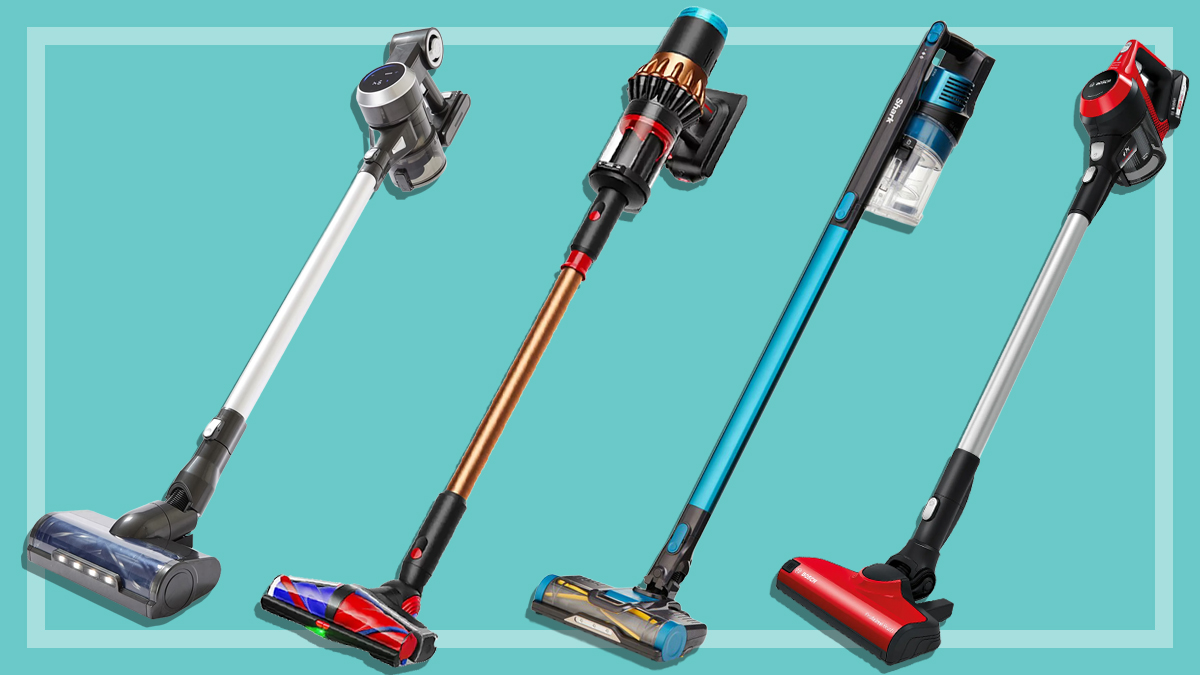
Kmart (Anko) stick vacuums received one of the lowest scores for reliability and satisfaction in our survey, with owners reporting issues with suction, battery life and clogging
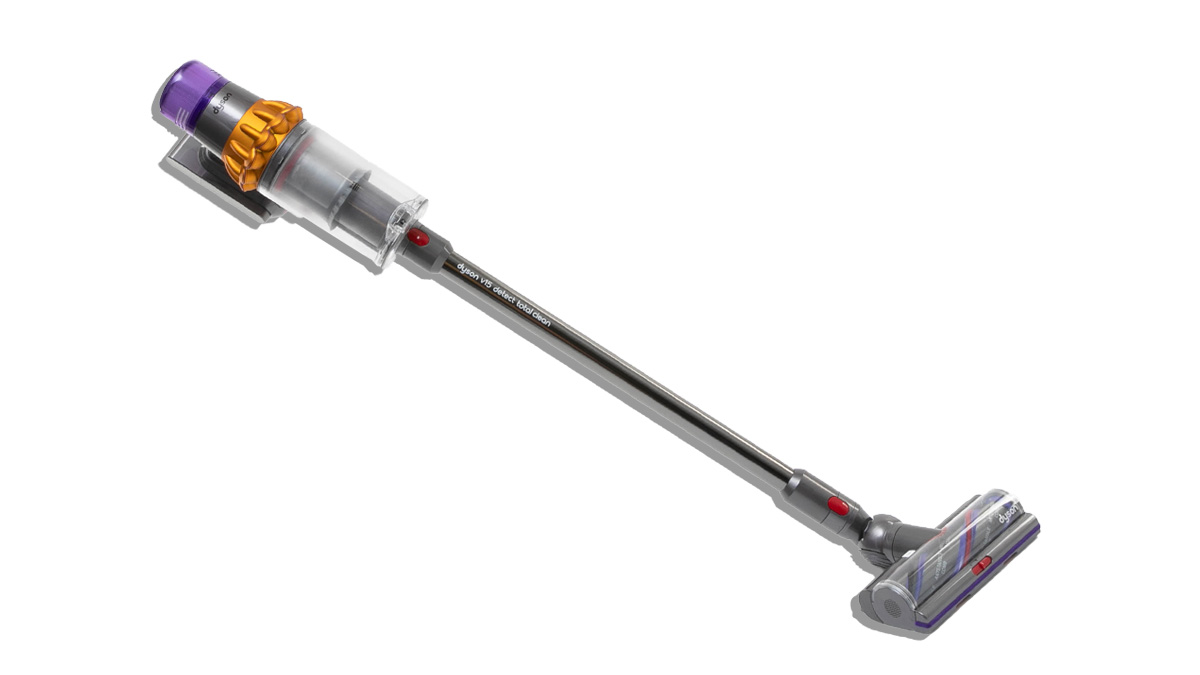
Despite Dyson dominating the stick vacuum cleaner market, it also was rated on the lower end for reliability
Overall, stick vacuums are less reliable than other appliances like washing machines and ovens
Stick vacuums are increasingly becoming a household staple for many, thanks to their lightweight design, convenience and ability to quickly tackle everyday messes. While they were originally designed for light “top-up” cleans, newer models are powerful enough to clean the whole home, in many cases totally replacing the traditional barrel or upright vacuum cleaners for everyday cleaning.
We’ve tested over 50 stick and cordless vacuums in the CHOICE labs, with models priced from $99 right up to $1649. While CHOICE testing assesses how well stick vacuums work out of the box, it’s also important to know how well this workhorse will perform over time.
To find out, we recently surveyed over 1300 Australians to ask about their experiences, asking them whether their brand of stick vacuum is reliable; whether they have experienced any issues; and if they been satisfied with the product and the level of customer service if something has gone wrong.
Text-only accessible version
Stick vacuum reliability and satisfaction
Reliability score
Bosch (52) 93%
Samsung (58) 81%
Shark (128) 80%
LG (119) 79%
Electrolux (57) 78%
Dyson (831) 75%
Kmart (Anko) (116) 73%
Satisfaction score
Bosch (52) 83%
Samsung (58) 82%
Shark (128) 80%
LG (119) 81%
Electrolux (57) 82%
Dyson (831) 81%
Kmart (Anko) (116) 72%
Note: The number in brackets shows the sample size. Differences of 9% or more for reliability are significantly different. Based on CHOICE survey data from 1361 stick vacuums purchased between 2016 and 2025.
Measuring reliability
To understand how satisfied consumers were with their stick vacuum purchase and how reliable the product was (specifically, if it developed any faults over time), we surveyed 1361 Australians who had purchased a stick vacuum between 2016 and 2025.
The results covered a variety of well-known brands, including Kmart Anko, Dyson, Shark, Bosch, LG and more, with each brand receiving a score for reliability and customer satisfaction.
A high score in these areas means fewer people reported having problems in the previous 12 months and were pleased with the level of service provided if an issue arose.
Stick vacuums a less reliable product category
Our survey results confirm stick vacuums as the most common vacuum cleaner type, followed by barrel vacuums. Dyson was the dominating brand in the market.
Stick vacuums are also used very frequently, with 75% saying they use their stick vacuum at least a few times a week. With this much use, you want to make sure you have a stick vacuum you can rely on.
However, as a whole, stick vacuums aren’t as reliable as other appliances like ovens or washing machines where we often see reliability scores in the 80s or 90s.
Our survey found that the most reliable stick vacuums came from Bosch. It’s the only brand in our survey to achieve a reliability score of more than 90%.
Respondents had good things to say about the brand, saying its stick vacuums are well-made, lightweight, easy to use and push around, with good cleaning performance. When it comes to problems, 73% of Bosch owners said they haven’t experienced any issues since purchasing their stick vacuum.
Samsung and Shark were the next highest scorers for reliability with scores of 81% and 80%, respectively. They were followed by LG, scoring 79% and Electrolux scoring 78% for reliability.
Kmart Anko stick vacuums were one of the lowest scorers for reliability, with a score of 73%. Owners of these stick vacuums have lower expectations overall, acknowledging they aren’t a premium brand but instead a budget vacuum, saying they are “good enough” and a convenient option.
The problems owners of Anko stick vacuums experience include poor suction, short battery life and clogging. However, on a positive note, owners say these vacuums are lightweight, simple to operate and offer value for money.
Despite being the most popular brand, Dyson scored 75% for reliability, which is on the lower end of the brands we have survey data on.
The problems owners of Anko stick vacuums experience include poor suction, short battery life and clogging
Dyson owners have high expectations, and rightly so, considering Dyson stick vacuums are among the most expensive we’ve tested. Issues with battery life (especially on boost or max mode) are the most common problem among owners, followed by battery deterioration. Owners also note the following issues:
Expensive to buy replacement parts
Hair/dust getting stuck
Fiddly to empty/clean
Requires frequent cleaning to maintain good suction
Feels heavy
Not worth the high price tag given its performance
Despite these grievances, Dyson owners praise ease of use, saying they love their stick vacuum and use it more often than their traditional vacuum. While it feels heavy to some, others say their stick vacuums are light to carry and convenient for a quick clean and on stairs. Ease of storing is also another positive for Dyson owners.
Common stick vacuum problems
The most common problems owners reported experiencing with their stick vacuums were:
Dirt, dust or hair clogged in the hose, inlets, attachments, etc. (14%)
Poor suction (13%)
Blocked filters (13%)
Deteriorating battery life (12%)
While 43% reported a problem with their stick vacuum since buying, only 9% have actually had the issue repaired. Where a cost to repair was involved, it cost on average $154.
Unlike big ticket appliances like washing machines or fridges, where a repair might require a licensed technician from the brand, repairs to stick vacuums usually involve simpler DIY fixes such as replacing the battery, unclogging or cleaning.
However he notes, “stick vacuums can be a real pain to clean thoroughly, so the bin and filter design is very important. The easier it is to remove and replace these parts for cleaning, the more often users are likely to do so to maintain their stick vacs”.
Battery replacement is the most common stick vac repair
Regardless of brand, battery replacement is the most common fix required. It usually involves buying a replacement online and the user fitting the new battery before it’s usable again.
Other common replacements include parts like the head, filter, brush and wheel.
Adrian says to look for a stick vacuum with a removable battery that can be replaced with a genuine spare
Being able to access replacement parts is important, because while one component’s failure can render the entire unit unusable, a small replacement (like the battery) can be the difference between having to buy a whole new vacuum or continuing to use your existing unit.
Adrian says to look for a stick vacuum with a removable battery that can be replaced with a genuine spare, and preferably one that’s easily swappable. “The batteries are likely to be the first thing to really deteriorate and need replacing.”
“A stick vacuum with a built-in battery is likely destined for landfill once the battery fails. However, if the battery is removable it’s likely to be easier to replace meaning you’ll keep the stick vacuum for longer.”
Warranty and customer service is important
A decent warranty and good brand support through customer service creates strong satisfaction with brands. Respondents indicated that positive experiences involved the brand identifying the problem quickly, supplying parts for free or under warranty, providing clear advice from customer support and quick turnaround times from the service centre.
Dyson owners were particularly happy in this regard, saying the brand supplied parts, replaced batteries, repaired under warranty and handled product issues well.
On the other hand, negative repair experiences usually involved:
Replacements parts being expensive
Replacement parts not fixing the issue
Brand not providing good customer service and arguing the product was out of warranty
It’s important to note that while this survey provides useful, real-world feedback that adds to the data we capture in our lab testing, it doesn’t replace the need to consider models individually rather than buying based only on brand. This is where CHOICE testing is useful to compare the results of all the stick vacuums we’ve tested.
Despite Bosch being the most reliable brand according to our survey, none of the current models we’ve tested score highly enough to be recommended by our experts. However, some Bosch models we’ve tested would definitely be worth considering once you weigh up price and performance.
Likewise, while Dyson ranked lower for reliability than other brands, some of their stick vacuums earn a recommendation from our experts, performing very well in our testing, so they shouldn’t be ruled out.
About our survey
There were a total of 5012 respondents to our survey, which was carried out between 13 April and 7 May 2026. The survey included questions on fridges, washing machines, split system air conditioners and stick vacuums and respondents could qualify for all or only some sections of the survey.
Know the products to avoid before you shop. Get our free guide and buy smarter.
Rebecca Ciaramidaro is a Content producer in the Household team at CHOICE. Rebecca writes about a wide range of children's and household products, ranging from cots and strollers to ovens, BBQs, espresso machines and electric blankets. And also grocery items such as nappies, sanitary pads and laundry detergents.
Previously at CHOICE, Rebecca worked as a Test officer in the kitchen lab.
Rebecca has a Bachelor of Science (Nutrition and Food) from the University of Western Sydney. LinkedIn
Rebecca Ciaramidaro is a Content producer in the Household team at CHOICE. Rebecca writes about a wide range of children's and household products, ranging from cots and strollers to ovens, BBQs, espresso machines and electric blankets. And also grocery items such as nappies, sanitary pads and laundry detergents.
Previously at CHOICE, Rebecca worked as a Test officer in the kitchen lab.
Rebecca has a Bachelor of Science (Nutrition and Food) from the University of Western Sydney. LinkedIn
For more than 60 years, CHOICE has been fighting the good fight for Australian consumers.
In the past year alone we've uncovered systemic issues with sunscreens, investigated shonky supermarket pricing, fought for stronger scam protections and helped make complex energy pricing fairer and clearer.
CHOICE is here to provide unbiased advice and independent testing in our world-class labs. We buy the products we test, just like you do, and our expert reviews are influence free. We’re here to help you choose smarter. Hopefully you’ll also save some money along the way.
Thanks to CHOICE, you’ll never be alone when a business treats you unfairly. You can support our work by joining or donating to our cause.