Preparing a baby nursery is an exciting part of the journey into parenthood. Creating a safe and functional space is part of getting yourself mentally and emotionally ready for your baby’s anticipated arrival.
It should be an enjoyable experience, but it’s easy to be overwhelmed by the sheer volume of baby paraphernalia on offer. It’s not easy to know what you actually need versus what’s just nice to have, all while keeping safety at the forefront of each decision.
What’s more, some of the price differences are huge, so knowing where you might need to splurge and where you can save can help you budget for your nursery project.
It’s not all about looks – safety and functionality are vital
The good news is, CHOICE experts have tested hundreds of baby products, from cots and portable cots to baby monitors and change tables, to help you choose which products to put on your nursery wish list.
It’s not all about looks – safety and functionality are vital, and our experts combine the two with our comprehensive performance tests to assess products against Australian and international standards, while also testing for ease of use.
Simplicity is important, so here’s our guide to the essentials – the items you really need in order to create a functional, safe and calm oasis for you and your newborn baby.
The sleeping zone
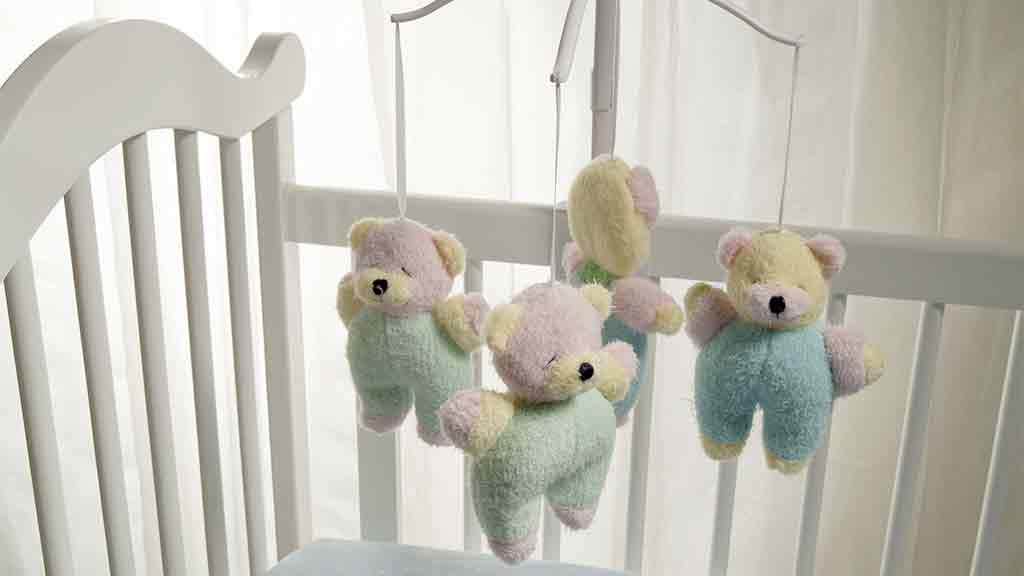
Arguably the most important part of your nursery set up is the place your baby will sleep. Whether it’s a cot, portable cot or bassinet, it needs to be safe and secure. Safety is the core component of our babies and kids testing.
Cots
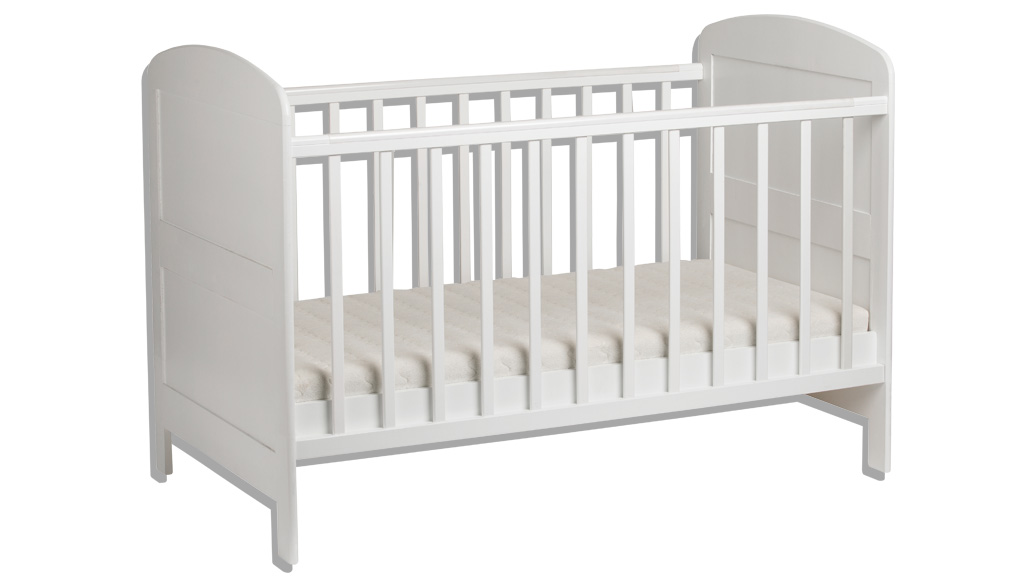
Our experts have put many cots to the test from brands like Babyhood, Bebe Care, Boori, Love n Care, Seena and more to tell you which will give you peace of mind while your baby sleeps.
Cots range in price from as little as $139 up to $1900, so it’s worth knowing whether to save or splurge on this important purchase.
Our experts test each cot against key safety clauses from the Australian Standard AS/NZS 2172:2013 and only cots that pass these tests are recommended. We assess:
any gaps in the bars or panels of the cot that could pose finger, limb or head entrapment hazards
the depth of the cot, to make sure it’s sufficient enough to prevent falls
the strength and construction of the dropside (if there is one)
strangulation risks at the cot ends
the cot’s recommended mattress size to make sure it doesn’t leave too much of a gap between the mattress, cot sides and end.
Safe infant sleep authority, Red Nose Australia, recommends room-sharing, where the baby sleeps in their own safe space in your room for at least the first six months. Research shows that doing this can help to reduce the risk of sudden infant death by 50%. This makes a bassinet a handy product to add to your wish list.
As a rule, you should stop using a bassinet once your baby can roll over or pull themselves up, which is usually around 4–6 months.
CHOICE parent Antoinette Dyce says of her experience that “a bassinet for the newborn phase was a must-have. It made the innumerable pick ups and put downs much easier”.
A bassinet made the innumerable pick ups and put downs much easier
CHOICE parent Antoinette Dyce
Our expert Kim says, “If you want an option that’s more portable, you can find bassinets with castor wheels that make moving them around easier. Just make sure they have lockable brakes on at least two of the wheels.”
Up until recently there was no safety standard for bassinets in Australia, but that’s changed with new safety standards for infant sleep products now mandatory from January 2026.
“Prior to this, our experts used our own in-house testing procedures, using existing standards for similar children’s products like cots and folding cots,” explains Kim. “These echoed many of the new requirements that are now in place including adequate depth, breathability and mattress firmness.”
Price doesn’t equal performance when it comes to bassinets, either.
“While all the models recommended by our experts cost under $350, there are some other cheap options that don’t pass our safety tests, so it pays to take a look at CHOICE results before you buy,” says Kim.
Portable cots
A portable cot is great for times when you’re travelling away from home, but it can also be a convenient option if you need a secondary sleep space at home during the day.
For example, if you live in a double storey house, you could use a portable cot downstairs during the day instead of schlepping upstairs to the main cot several times a day. And it’s easy pack up for when you go away on family trips.
A portable cot can be a convenient option if you need a secondary sleep space at home during the day
However, as they’re not as strong as traditional cots and are being frequently folded and unfolded, it’s important to check your portable cot regularly for damage, and don’t add any additional mattresses or padding to it.
We’ve tested over 20 portable cots ranging in price from $59 to $599 from brands like Bebe Care, Babyhood, Childcare and more.
“Our testing checks to see whether models pass the most important safety tests from the voluntary Australian Standard, AS/NZS 2195:2010,” says Kim.
A portable cot should:
have a sturdy construction
provide good ventilation on each side
have or recommend a mattress that is firm enough and fits snugly without any gaps on each side
be designed without bumps, ledges or protruding parts
Having a functional and well-organised changing area in your nursery will help with those sleep-deprived, late night nappy (and maybe even outfit) changes.
Change tables
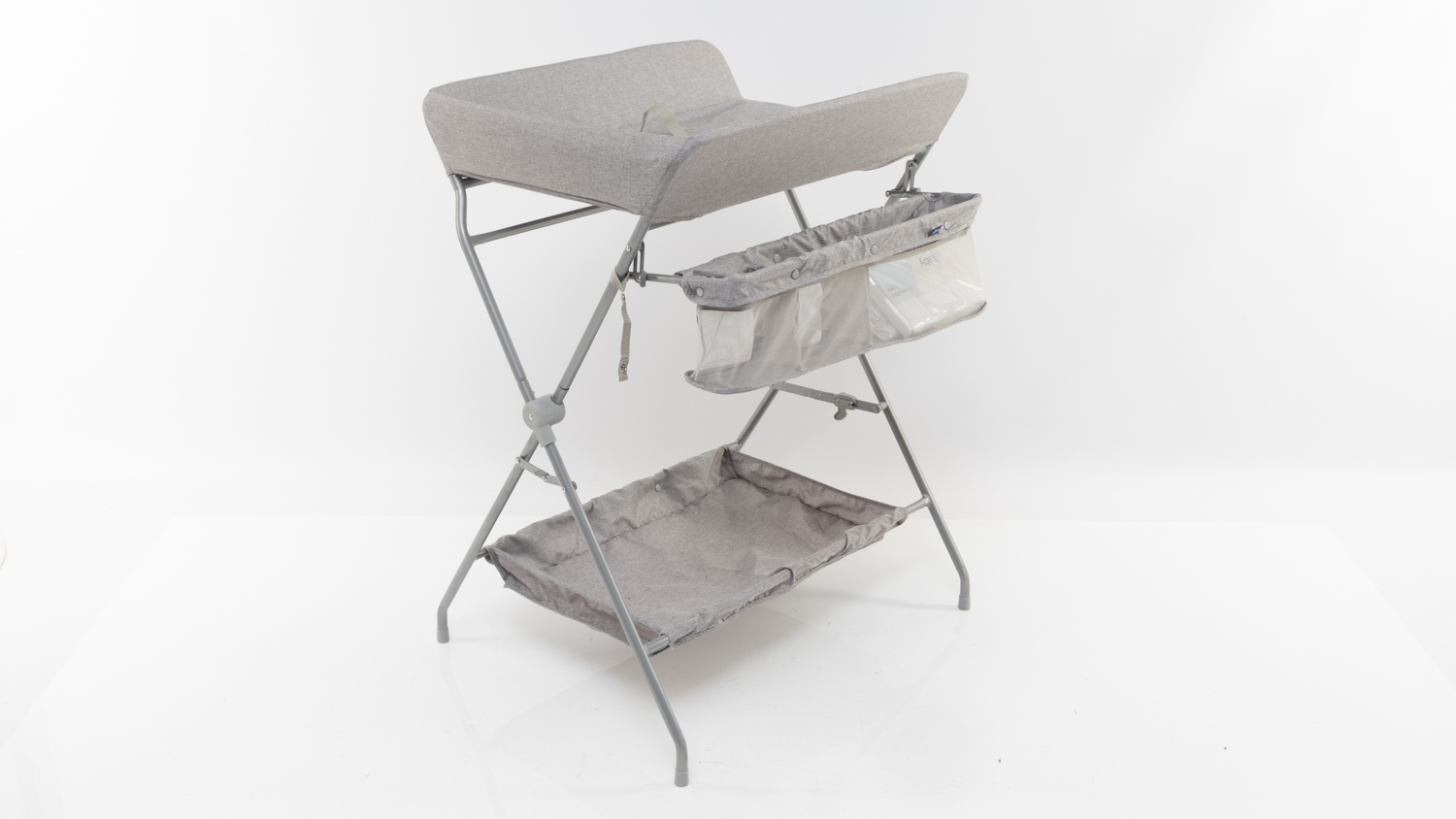
There’s no Australian Standard for change tables so our testing uses relevant clauses from other Australian and international standards. The main focus of our testing is checking to see if the change table is sturdy and stable, if it’s designed to minimise fall risks, and free from hazards like sharp edges and finger traps.
The most expensive change table is also the lowest scoring product in our testing.
The Cocoon Allure Change Table retails for $1099 and has serious safety issues, failing our roll-off test and posing hazardous pinching and crushing points at the top drawer, which forms part of the change table’s side barrier.
On the other hand, one of the cheapest models we’ve tested is one of our top performers. The 4Baby Folding Change Table costs $99 and passed all our safety tests. It also features one row of pockets and a bottom shelf to help you organise everything you need for change times.
If you’re lacking space, a change table isn’t a necessity. Using a change mat on other surfaces, such as your bed, a table or other furniture, could suit just fine.
CHOICE parent Pru Engel says, “If you have a chest of drawers at the right height, you can convert it to a change table by buying a change mat for the top.” If you want to take this route, make sure the mat has raised sides to prevent falls and comes with a strap to secure the baby.
If your baby likes to wriggle around, you might just prefer changing them on the floor
If your baby likes to wriggle around, you might just prefer changing them on the floor. Just make sure you have everything you need before you get started.
But for new CHOICE parent, Mark Blades, a change table quickly became a must have. “We didn’t get a change table for the first few weeks, but quickly realised the height of different surfaces was a killer on our backs.”
A change table could also be useful for those recovering from a C-section.
Nappies
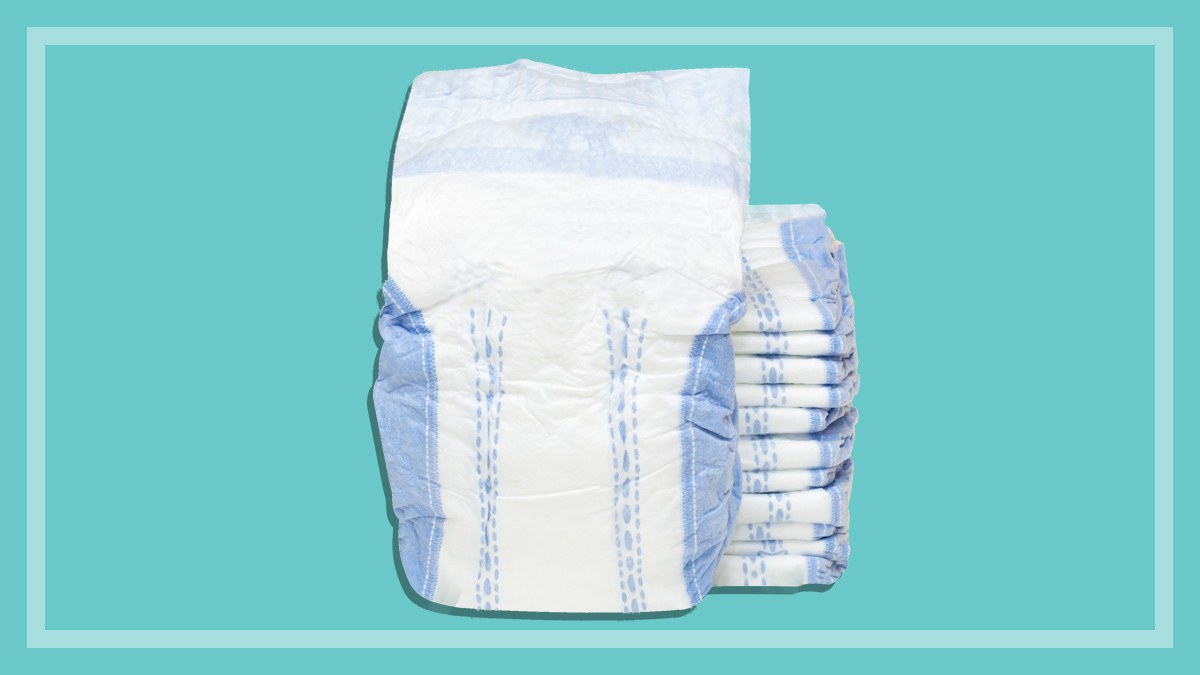
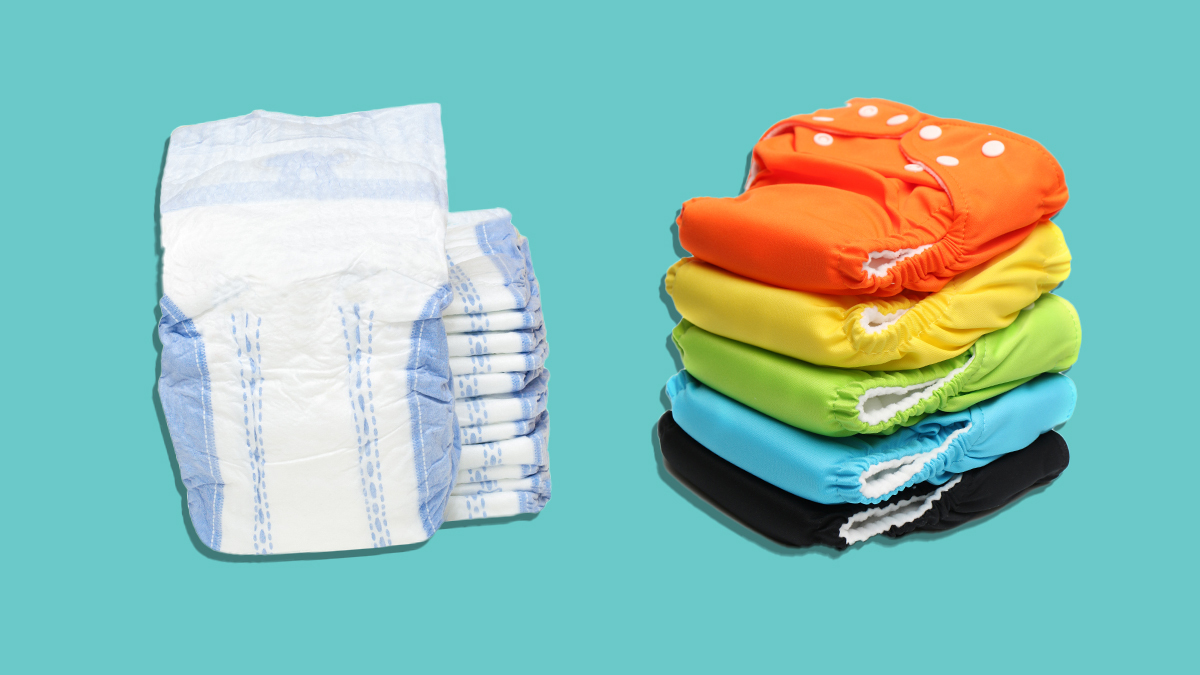
With thousands of nappy changes ahead of you, choosing the right product is very important. You’re looking for a nappy that avoids leaks, is absorbent, and is comfortable for your baby.
It may take some trial and error to find the right one, but it’s a very worthwhile exercise!
CHOICE disposable nappy reviews includes brands like Huggies, Babylove, Aldi, Rascal & Friends. We assess absorbency and leakage, which nappies stay dry on the surface, and which have strong velcro fastenings.
We’ve also tested reusable cloth nappies if you’d like to take a more sustainable approach to nappy changes.
Depending on your needs, some of the following might be useful items to consider for your nursery.
Baby monitor
You might not need one from the start but depending on your set-up, you might want to be able to monitor your baby while they sleep during the day or night. We’ve tested audio only, audio and video as well as app-based monitors. Some claim to have movement and heart-rate detection monitors, but according to the Red Nose safe sleeping charity, these features could cause anxiety and false alarms and have not been proven to reduce SIDS.
Breastfeeding pillows/support
Comfort during feeding times is important and a dedicated breastfeeding pillow might be just what you need. You can spend over $100 but it really comes down to personal preference. CHOICE parent Mark says, “We were given a fancy pillow and hated it. Turns out a $10 pillow did the trick, was much comfier and could be used as a normal cushion too.”
Night light
A low light or dimmable night light is helpful during night feeds and changes.
Comfortable chair for breastfeeding
Having a comfortable space to sit while you’re breastfeeding is important for many people.
For some, setting up a nursery is meaningful and part of getting ready for a baby. However, for others it may not be a necessity.
Antoinette says, “I had a bassinet, then a cot, then a cot mattress on the floor (for my early cot-climber) in my room, along with a change table, until each baby was big enough for a bed, at which point they moved into another room. For me, this was ideal and meant no need for baby monitoring devices or short-lived baby decor.”
In a society of over consumption and a bombardment of product reviews and influencer opinions, it can be easy to get carried away and buy all the products promoted, many of which you don’t actually need.
You can get carried away buying everything on offer before realising many products are just gimmicks
If it’s your first rodeo you can get carried away buying everything on offer before realising many products are just gimmicks – and a waste of money.
When it comes to planning for your baby, take a simplistic approach and keep safety, comfort and functionality at the forefront of your product decision-making.
Some of the items that you can easily do without include the following.
Cot bumpers
These are padded barriers that sit around cots and bassinets. They’re generally used to stop babies from hitting their head on the edges of the cot and to stop their limbs going through timber slats.
They might sound like a good idea, but CHOICE experts and other regulatory organisations don’t regard this as a safe sleeping accessory to use for your child. A bumper can pose an increased risk of SIDS if a baby rolls over to the padding, and when they’re older it can be used as a climbing aid to get out of the cot.
Nappy disposal systems
Specialised nappy bins that aim to lock away odours and germs can cost anywhere from $39 up to $150, not to mention the ongoing cost of liners and cassettes. You’re better off buying a cheap bin with a lid and emptying it regularly.
Heated wipe warmers
As the name suggests, this gadget heats baby wipes to a comfortable temperature to avoid the shock of cold wipes on a warm bottom. Chances are, if your child is a wriggler or just doesn’t like nappy changes, heated wipes aren’t going to do much to help the situation.
Co-sleepers/bedside sleepers
These are a type of bassinet that either attaches to, or is placed by, the side of your adult bed. It has one side that folds down to let you access your baby without having to get up at night. It sounds appealing, but in our tests our experts identified serious issues associated with these types of designs, especially around fall and suffocation risks when they’re in a half-open configuration.
Too much information
CHOICE parent Kate Renton says, “There are so many baby books out there, all with different theories and opinions. While it’s good to be informed, you can easily become overwhelmed and second-guess yourself at a time where you need to learn to trust your maternal instincts.”
CHOICE parent Antoinette feels similarly about the multitude of products aimed at sleep-deprived parents that promise a settled child. “Sometimes babies just won’t settle and gadgets rarely fix it,” she says.
If you’re on a budget, buying second-hand can really help your money go further – and it’s better for the environment to reuse and repurpose than buying brand new.
CHOICE parent Louise Austin says, “My top tip is to buy second-hand. We had such big ideas on having everything new for our first and then you see that they grow out of things so quickly and you realise that the new thing you bought was barely used.”
Items like cot mattresses and car seats shouldn’t be purchased second-hand
But second-hand isn’t always safe. Items like cot mattresses and car seats shouldn’t be purchased second-hand. Also, depending on the age of a product, it may not meet current safety standards (for example, car seat booster cushions with no back or sides have been outlawed), and if it’s been damaged it could injure your little one.
And there are plenty of dodgy products out there, even if you’re buying brand new – we frequently come across baby products that fail our safety tests.
Tips for buying second-hand baby products
Some baby products are perfectly fine to buy second-hand as long as you do your research and shop carefully. If you’ve found a product that meets your needs and it’s the right price, there are a couple of steps you should take before you commit to buying:
Do a Google search of the make and model to see if the product has been recalled for any reason.
Check our reviews to make sure it meets safety standards. If it’s a discontinued product, you can still search for it on our site.
Take an experienced parent with you to inspect the product – they may be able to offer some advice on whether it’s in good condition and if everything looks to be in order.
Find out if the product has been in an accident or sustained any damage.
If you’re buying a second-hand cot, find out its exact dimensions to make sure you can buy a mattress that fits snugly inside – a poor-fitting mattress can pose a SIDS risk.
Make sure that all parts are in working order and don’t have any sharp corners or parts that little fingers might get trapped in. For prams, double-check that the brakes work properly.
Ask for the instruction manual if the seller has one. You may also be able to find it online.
If you’re not sure about a product, then don’t buy it – it’s better to be safe than sorry.
Rebecca Ciaramidaro is a Content producer in the Household team at CHOICE. Rebecca writes about a wide range of children's and household products, ranging from cots and strollers to ovens, BBQs, espresso machines and electric blankets. And also grocery items such as nappies, sanitary pads and laundry detergents.
Previously at CHOICE, Rebecca worked as a Test officer in the kitchen lab.
Rebecca has a Bachelor of Science (Nutrition and Food) from the University of Western Sydney. LinkedIn
Rebecca Ciaramidaro is a Content producer in the Household team at CHOICE. Rebecca writes about a wide range of children's and household products, ranging from cots and strollers to ovens, BBQs, espresso machines and electric blankets. And also grocery items such as nappies, sanitary pads and laundry detergents.
Previously at CHOICE, Rebecca worked as a Test officer in the kitchen lab.
Rebecca has a Bachelor of Science (Nutrition and Food) from the University of Western Sydney. LinkedIn
For more than 60 years, CHOICE has been fighting the good fight for Australian consumers.
In the past year alone we've uncovered systemic issues with sunscreens, investigated shonky supermarket pricing, fought for stronger scam protections and helped make complex energy pricing fairer and clearer.
CHOICE is here to provide unbiased advice and independent testing in our world-class labs. We buy the products we test, just like you do, and our expert reviews are influence free. We’re here to help you choose smarter. Hopefully you’ll also save some money along the way.
Thanks to CHOICE, you’ll never be alone when a business treats you unfairly. You can support our work by joining or donating to our cause.