When a hot
water system goes – with a bang, a whimper, or even a flood – it tends to go
suddenly. At that point you don’t have the luxury of carefully reviewing the
available options, unless you love cold showers. Instead, you usually get a
replacement of the same type rushed in ASAP and then forget about it until next
time. But what if you were missing out on a better, more efficient system?
Water heating accounts for a quarter of a typical
household’s energy use – some times, even more – so reviewing your hot water
use or buying a better unit before your current one carks it could save you
considerable cash in the long run.
This guide
explains the different types of hot water systems, their pros and cons, and how
to pick the right one for your household.
Electric, gas, solar or heat pump hot water system?
The first decision you’ll need to make when choosing a hot water system is the energy source and heating method: electricity, gas, solar or heat pump?
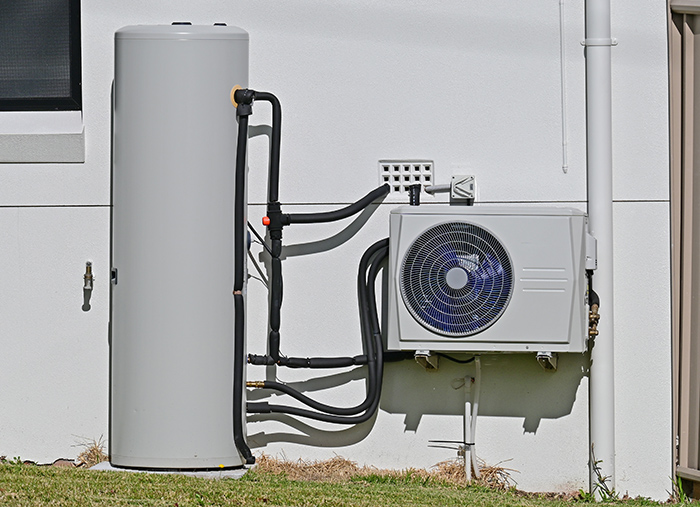
Heat pump
This type of
electric storage tank system uses heat pump technology to extract heat from the
outdoor air and uses it to warm the water tank. This makes it more
energy-efficient and cheaper to run than conventional electric systems, though
the initial purchase price is higher. The payback (break-even) period is
typically about five years, although this will be shorter if you’re eligible to
get a government rebate in your state.
Heat pumps
make great sense when you have solar panels on your home – you’re powering the
hot water system with your own ‘free’ electricity.
While heat
pumps tend to work best in warm and temperate climates, there are models
designed to work well in cold climates too, and most systems include a booster
element for days of cold weather or high water usage.
Heat pump systems are pricier to buy but more efficient to run.
They need to be installed in a well-ventilated area, typically outdoors, and the process usually takes no more than two to three hours if replacing a similar heat pump or electric storage hot water system.
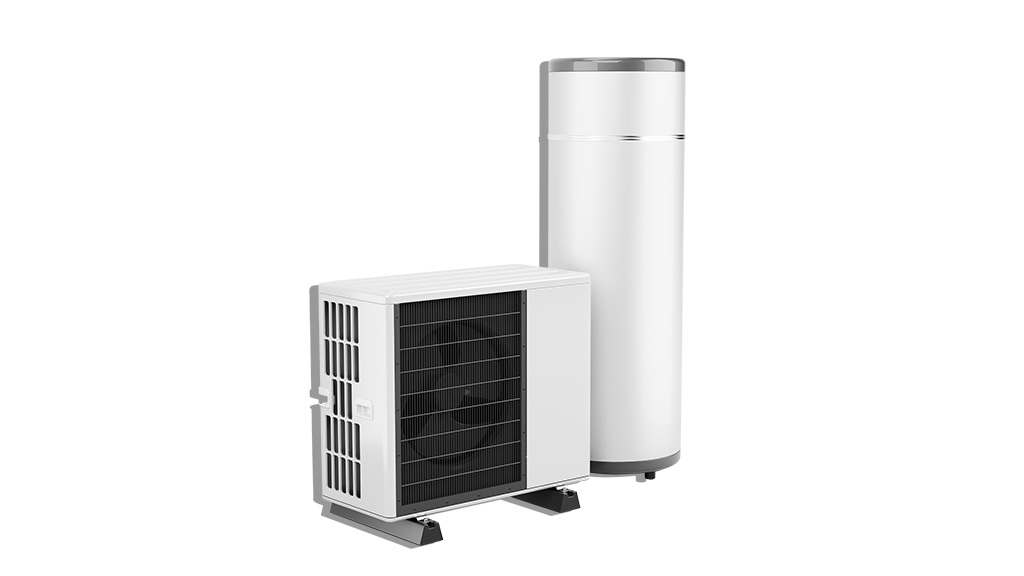
Units are usually integrated (tank and compressor together) but can also be split (separate tank and compressor). The compressor on the unit can be noisy, like the outdoor unit of an air conditioner, so you can’t install it too close to a neighbouring home.
Heat pumps at a glance:
Price range: $200–6000
Running cost: Cheaper than conventional electric
Tank size for a 4-person household: 270–315L
Installation location: Usually outdoors (needs ventilation)
Electric
An electrically heated storage tank system is usually relatively cheap to buy and install, but tends to be the most expensive to run, especially when heating during peak time rates.
Systems that you can set to use off-peak electricity are much cheaper to run, but will need a larger tank as the water heated overnight has to last you all day. Of course, if you’re generating your own electricity with solar panels, your running costs will be much lower too.
Since an electric hot water system can account for a significant chunk of your electricity bill, it’s worth checking that you’re on the best plan for your needs. Note too that off-peak electricity isn’t available to all homes.
These systems can be installed indoors or outdoors, and installation typically takes no more than two or three hours if it’s a straight replacement for a similar system.
Electric at a glance:
Price range: $500–3500
Running cost: Usually most expensive,
unless you have solar PV panels or can run off-peak
Tank size for a 4-person household: 125–160L (250–315L if choosing to use off-peak electricity)
Installation location: Indoors or outdoors
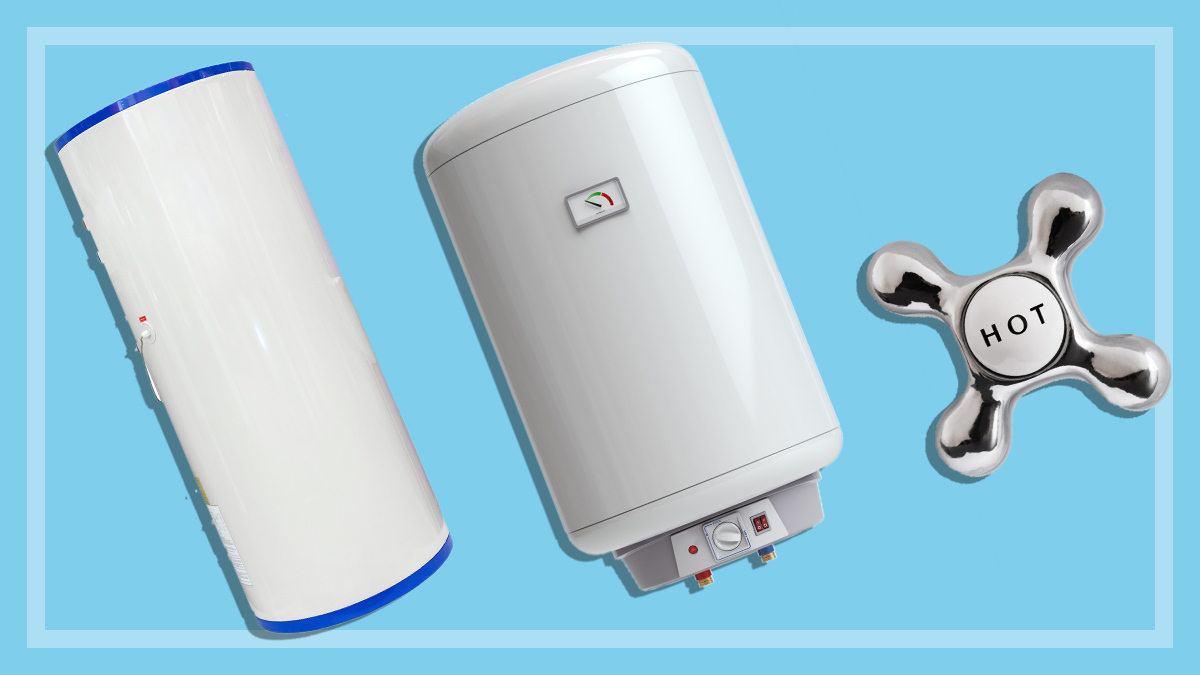
Examples of electric (left) and gas hot water systems.
Gas
Natural gas is an efficient option if you have the connection for it. It can be cheaper than grid electricity, and because gas rates don’t vary across the day, there’s no off-peak pricing to complicate your decision – gas systems simply heat water as needed. Liquid petroleum gas (LPG) bottles are an alternative to natural gas, but expect to pay significantly more in running costs.
Some gas hot water systems have a pilot light, which continually uses a small amount of gas. Electric ignition is more economical, but in a blackout you can lose your hot water supply.
Of course, gas is a fossil fuel and moves to reduce carbon emissions will probably make gas a less attractive option in the future. While it’s cheaper than grid electricity, it’s nowhere near as cheap as your own solar-generated electricity if you have panels. The long-term future for gas prices is uncertain, but they are expected to rise over time.
Gas hot water systems are usually installed outdoors due to venting requirements but can be indoors with a flue. Installation typically takes no more than two or three hours, if it’s a straight replacement for a similar system.
You also have the option of an instantaneous system, also known as a continuous flow system – see below for more on these, and how they compare to a storage tank system.
Gas at a glance:
Price range: $700-3000
Running cost: Natural gas is cheaper than electric; LPG can cost more
Tank size for a 4-person household: 135-170L
Installation location: Usually outdoors but can be indoors with flue
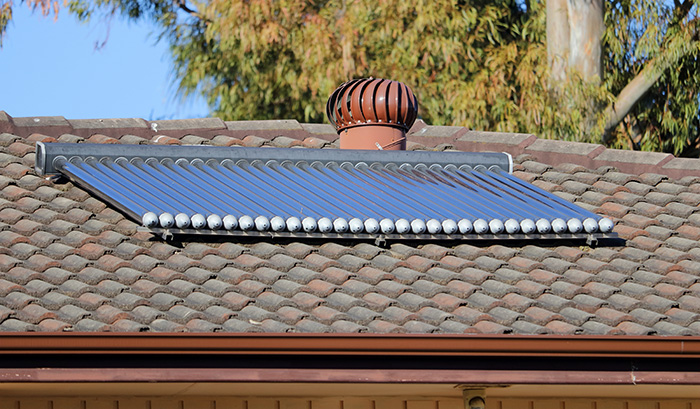
Not to be confused with photovoltaic (PV) solar panels that generate electricity, solar hot water systems consist of a storage tank and roof-mounted thermal panels, which collect heat from the sun and usually look like a set of elevated black tubes. The storage tank usually has an electric or gas booster element to keep the water hot on days with less sunshine.
Key advantages include free heating from the sun and low running costs, but there are some downsides to be wary of. Systems are comparatively expensive, time-consuming to install and require their own roof space, which might be limited if you already have PV solar panels installed or are planning to.
Indeed, if you have the choice, it’s advised that you’ll get better long-term value by filling your roof with PV solar panels and using an electric heat pump than using solar thermal panels. Government rebates and other incentives can help offset the purchase cost.
Solar systems at a glance:
Price range: $4000–6000
Running cost: Low
Tank size for a 4-person household: 300–360L (plus about 4sqm of solar collector area on roof)
Hot water systems use roof-mounted thermal panels to collect heat from the sun.
Storage tank or continuous flow (instantaneous)?
The next decision, after heating method, is whether you go for a system with a tank, or one that heats water as needed.
Storage tank
Most
electric, gas, solar and heat pump systems use a tank to store heated water,
which is usually the most cost-effective option for households that use a lot
of hot water.
Tanks come
in a variety of sizes depending on system type or brand and are made from
either mild (regular) steel or stainless steel. The former is cheaper and
usually comes with 5- to 10-year warranties, but they can corrode over time.
Maintenance every few years can help prevent this.
Most
mild-steel tanks have one or two ‘sacrificial anodes’. This is a metal rod
inside the tank that attracts minerals and other impurities that would
otherwise corrode the tank – the anode corrodes instead, ‘sacrificing’ itself.
Get a plumber to check the system and replace the anode every five years, or as
per manufacturer instructions. Doing this can add years to the life of the
tank.
Stainless
steel tanks are more expensive, but generally last longer and don’t require as
much maintenance as mild steel tanks. They usually carry a 10-year warranty,
but still require occasional maintenance, such as replacement of valves and
seals (which often have a warranty of only one year).
Local water quality may dictate which type is
best for you – check with the installer.
Continuous / instantaneous flow
A continuous
flow hot water system (also referred to as ‘instantaneous’) heats only as much
water as you need, when you need it. They aren’t truly instantaneous – it can
take a few seconds before hot water starts flowing from the tap, especially
when there’s a fair distance of pipe between the hot water system and the tap.
The pros of
a continuous flow system are effectively unlimited hot water; they need less
space (given there’s no large tank); and they’re often cheaper to buy than a
tank storage system.
The con –
and it’s a big one – is that often the most efficient and effective continuous
units are the gas models, which might not be an option due to your household
set-up or environmental concerns. Electric models are available, but these are
usually intended to heat water for a single tap or shower (whole-house electric
continuous flow systems usually require three-phase power, which not many
households have).
The other
issue is that because continuous flow systems heat water at the time it’s
needed, you can be paying peak electricity prices during the busy end-of-day
period when you might be running a washing machine and showers and baths. A
tank system, on the other hand, can heat water at cheaper tariff times (usually
overnight) and store it for when it’s needed (keeping water hot takes less
energy than heating it from cold).
Typically, one person uses about 50L of hot water a day – more if you take very long hot showers or often wash clothes in warm or hot water.
Get a hot water system supplier to analyse your home and usage and recommend some options. To determine the right size of system, a supplier should ask a few key questions to figure out how much hot water your home uses, and when.
How many people live in your home?
What’s the usual time for showers or baths? Morning, evening or both? How many showers and for how long?
Do you wash clothes in hot or cold water? Many front loader washing machines take cold water only (and heat it themselves), so they don’t use hot water. But if your washer is connected to a hot water tap, and you use hot wash cycles, that’ll be drawing on the water in your hot water system.
Do you use a dishwasher, or do you mainly wash your dishes by hand? Dishwashers usually take cold water only and heat it themselves.
Is there a long pipe run from the hot water system to the main outlets (e.g. the kitchen sink or the shower)? That can be inefficient and it means long waits for hot water to arrive, and wasted energy and water. Shorter runs are better or at least, , the hot water pipe should be insulated.
Get quotes from at least two hot water suppliers.
For most households, a solar hot water system can be the most efficient and cheapest to run. If that’s not an option, here are other suggestions.
Small household (1–2 people): Continuous flow hot water system (gas or electric) or small gas storage hot water system.
Medium household (3–4 people): Gas systems (continuous flow or storage), or a heat pump.
Large household (5+ people): Multiple continuous flow hot water system may be an option but gas storage units may be more economical. Large heat pumps are also an option.
Minimum Energy Performance Standards (MEPS) currently apply for electric hot water storage systems, gas hot water storage and gas instantaneous systems. However, they aren’t required to have energy star rating labels.
You’ll see star rating labels on gas hot water systems, but that’s an industry-managed scheme and isn’t regulated by government. It’s unrelated to the energy efficiency star rating labels that applies to products such as fridges and air conditioners.
MEPS are currently under consideration for other water heater types. This will help to remove inefficient models from the market and may see star rating labels appear on all hot water systems.
Rebates and incentives
There are a few federal and state schemes to encourage households to switch to more energy-efficient types of hot water systems, in particular, to solar and heat pump models.
The federal government energy rebate website lets you enter details of your state and area of interest to find out the rebates and incentives available to you. For example, enter that you’re a household, located in NSW (for example), interested in hot water, and it will list the rebates and incentives available to NSW households who are buying a new hot water system.
In most states, the only assistance is the Small-scale Renewable Energy Scheme, which is the same scheme that provides a form of rebate for installing solar panels on your home. It offers similar incentives for installing a solar or heat pump hot water system.
Some state-based schemes also exist.
Australian Capital Territory: Rebate to assist ActewAGL customers to replace a conventional electric or gas hot water system with a heat pump hot water system.
South Australia: The Retailer Energy Productivity Scheme (REPS) provides assistance to mainly low-income households to help them improve their home’s energy and water efficiency, which can include installing a more efficient hot water system.
The above list is not exhaustive and new schemes appear from time to time, so it’s worth doing your own check on the federal government site above, or with your state and local governments. A good local hot water system installer will also often be able to advise of any rebates that apply in your area.
Chris Barnes is a Senior Project Officer. He manages the product reviews that are done outside of CHOICE with external labs or data sources. This includes solar panels, electric heaters, air purifiers and detergents.
Chris also manages our testing services through our commercial arm, Test Research, and he is CHOICE's NATA authorised representative for our lab's formal accreditations.
Chris is involved with the standards committee for air conditioners. And he works with government and industry in areas such as product safety and regulation.
In over 20 years at CHOICE, Chris has managed lab teams for a wide range of products, including children's products, kitchen appliances, laundry appliances, garden power tools and more. Chris has a Science degree from the University of Sydney. LinkedIn
Chris Barnes is a Senior Project Officer. He manages the product reviews that are done outside of CHOICE with external labs or data sources. This includes solar panels, electric heaters, air purifiers and detergents.
Chris also manages our testing services through our commercial arm, Test Research, and he is CHOICE's NATA authorised representative for our lab's formal accreditations.
Chris is involved with the standards committee for air conditioners. And he works with government and industry in areas such as product safety and regulation.
In over 20 years at CHOICE, Chris has managed lab teams for a wide range of products, including children's products, kitchen appliances, laundry appliances, garden power tools and more. Chris has a Science degree from the University of Sydney. LinkedIn
For more than 60 years, CHOICE has been fighting the good fight for Australian consumers.
In the past year alone we've uncovered systemic issues with sunscreens, investigated shonky supermarket pricing, fought for stronger scam protections and helped make complex energy pricing fairer and clearer.
CHOICE is here to provide unbiased advice and independent testing in our world-class labs. We buy the products we test, just like you do, and our expert reviews are influence free. We’re here to help you choose smarter. Hopefully you’ll also save some money along the way.
Thanks to CHOICE, you’ll never be alone when a business treats you unfairly. You can support our work by joining or donating to our cause.