Can we reasonably expect the experience of air travel in Australia to improve in the coming years? We will be starting from a low point, with flight delays and cancellations having become the rule rather than the exception, and every trip to the airport fraught with the fear that our carefully laid plans will be undone by flights not taking off.
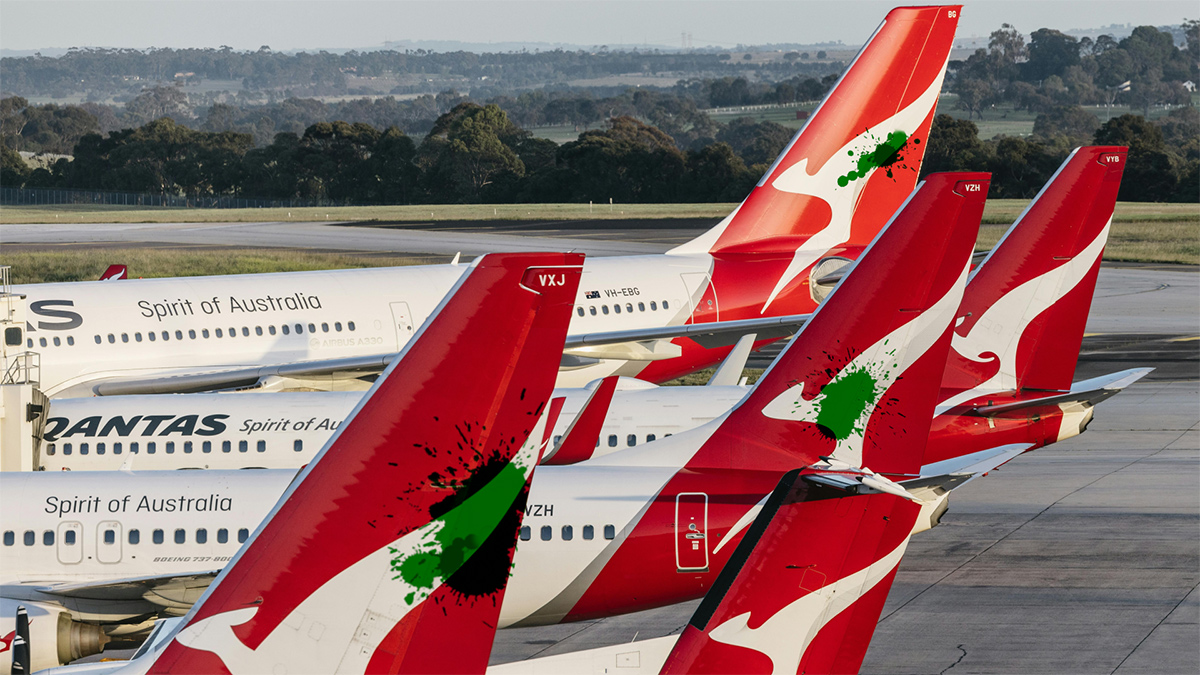
Qantas, in particular, failed its customers on many fronts in recent years, not least by making it very difficult to redeem credits for flights that had been cancelled due to the pandemic. The airline’s troubling behaviour paved the way for a 2022 CHOICE Shonky award.
Flight delays and cancellations have become the rule rather than the exception
In mid-March, Qantas settled a class action lawsuit over how it handled flight credits, paying out $105 million to customers (minus lawyer fees) who had found it all but impossible to redeem them.
The Aviation Consumer Ombuds Scheme (ACOS) is expected to start up some time this year. The hope is that it will help restore a measure of dependability – perhaps even civility – to air travel.
The complaints resolution service will replace the industry-funded Airline Consumer Advocate (ACA), recipient of a 2021 CHOICE Shonky on the grounds that all it did was forward complaints to the airline rather than resolve them. Unlike the ACA, ACOS will have the power to investigate complaints.
When things go wrong, consumers need stronger protections and an independent body that will take their complaints seriously
CHOICE director of campaigns Andy Kelly
It will make decisions according to the rules outlined in the new Aviation Consumer Protection Charter (ACPC), also due to take effect this year. (The associated bills were introduced to Parliament on 1 April.)
“CHOICE has long campaigned for stronger travel rights and an independent travel ombuds scheme with the power to handle complaints and make binding determinations,” says CHOICE director of campaigns Andy Kelly. “When things go wrong, consumers need stronger protections and an independent body that will take their complaints seriously.”
Unfortunately, the first draft of the ACPC, released in late 2024, was unclear on important points, including who was going to enforce it. It also lacked what CHOICE has been calling for since we began focusing on the airline sector – a standardised approach to compensation for meals and accommodation when flights are delayed or cancelled, as well as an industrywide standard defining the overall terms and conditions of your booking.
The draft ACPC seemed to leave all the discretionary power in the hands of the airlines, which was pretty much business as usual.
An updated draft, released earlier this year, was an improvement. This final version remains vague on the issue of compensation, and doesn’t make clear what our rights are in many areas. It’s the kind of ambiguity that could continue to leave passengers at the mercy of the airlines, but it’s certainly a step in the right direction.
The story was based on the experiences of 9000 travellers we surveyed at the time, two out of five of whom told us they’d had a flight cancelled or delayed in the last 12 months. Eighty five percent of those whose flights were delayed said they were not provided accommodation or meal vouchers.
The latest air travel survey data from the federal government suggests that things may have gotten even worse.
It’s based on the airline experiences of 4008 people who travelled between 28 August 2024 and 27 August 2025, and the results are not encouraging.
Only 31% said they were satisfied with how the disruption was handled by the airline, and 82% said they received no support
One in two travellers experienced a flight disruption over the twelve-month period, with delays most commonly ranging from 15 minutes to three hours. Only 31% said they were satisfied with how the disruption was handled by the airline, and 82% said they received no support. A roughly equal number (81%) said they weren’t informed of their rights when their flights didn’t take off on time.
Despite the poor airline performance, only 8% of affected customers complained – a sign that we’ve come to regard airline complaints as exercises in futility. (Only two out of five customers who did make a complaint were satisfied with how it was resolved, and fewer than one out of five had anything good to say about the overall complaint process.)
In a submission to the federal government in February this year, we called for airlines to come clean about the reasons for delays and cancellations in their reporting to ACOS, in particular specifying whether the disruption was within the airline’s control or outside of it. This information could help inform which remedies may be available for passengers.
But at the moment we can simply be told that our flight is not taking off on time with no further explanation, leaving us stranded for hours in the terminal wondering what other air travel mishaps are lying in wait. It remains to be seen whether the final version of the Aviation Consumer Protection Charter will make air travel less precarious.
“While these reforms [the ACPC] fell short of a European-style compensation scheme, these changes should force airlines to provide fair remedies for cancellations and unreasonable delays,” Kelly says. “The framework will only be as strong as the protections contained in the charter, and CHOICE will continue to advocate for the strongest possible protections for consumers.”
Andy Kollmorgen is the Investigations Editor at CHOICE. He reports on a wide range of issues in the consumer marketplace, with a focus on financial harm to vulnerable people at the hands of corporations and businesses. Prior to CHOICE, Andy worked at the Australian Securities and Investments Commission (ASIC) and at the Australian Financial Review along with a number of other news organisations. Andy is a former member of the NSW Fair Trading Advisory Council. He has a Bachelor of Arts in English from New York University. LinkedIn
Andy Kollmorgen is the Investigations Editor at CHOICE. He reports on a wide range of issues in the consumer marketplace, with a focus on financial harm to vulnerable people at the hands of corporations and businesses. Prior to CHOICE, Andy worked at the Australian Securities and Investments Commission (ASIC) and at the Australian Financial Review along with a number of other news organisations. Andy is a former member of the NSW Fair Trading Advisory Council. He has a Bachelor of Arts in English from New York University. LinkedIn
For more than 60 years, CHOICE has been fighting the good fight for Australian consumers.
In the past year alone we've uncovered systemic issues with sunscreens, investigated shonky supermarket pricing, fought for stronger scam protections and helped make complex energy pricing fairer and clearer.
CHOICE is here to provide unbiased advice and independent testing in our world-class labs. We buy the products we test, just like you do, and our expert reviews are influence free. We’re here to help you choose smarter. Hopefully you’ll also save some money along the way.
Thanks to CHOICE, you’ll never be alone when a business treats you unfairly. You can support our work by joining or donating to our cause.