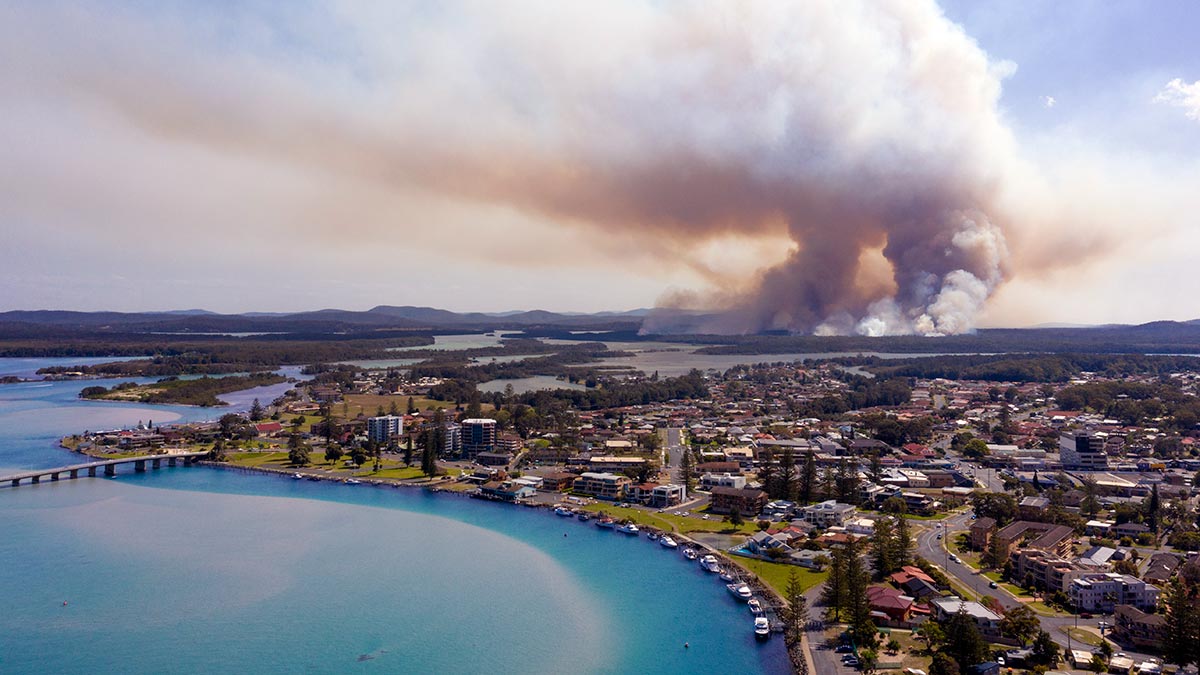
If you’re going overseas, international travel insurance is a must, but do you need cover for an Aussie vacation? There’s no shortage of events that can disrupt your local holiday as bushfires and COVID have shown us in recent years.
We look at what is, and isn’t, covered by domestic travel insurance in Australia.
Is it worth getting domestic travel insurance?
If you’ve paid a lot for your Aussie holiday, you’re trekking to remote place, hiring a rental car, or travelling with sporting equipment, you can get good value out of domestic travel insurance. But, if you’ve scored a budget airfare and cheap accommodation, you might be better off claiming what you can from the airline and accommodation provider if something goes wrong.
How much does domestic travel insurance cost?
Domestic travel insurance costs on average $90 for a single person travelling seven days in Australia, or $137 for a family where all members are less than 60 years old. For a couple who are both less than 60 the average rate is $123.
Below is the average price and range for travelling in Australia for seven days.
Text-only accessible version
How much does domestic travel insurance cost for a week of travel within Australia? Singles under 60 years pay an average of $70 (price range: $6 – $162)
Singles over 60 years pay an average of $126 (price range: $6 – $416)
Overall, singles pay an average of $70 (price range: $6 – $416)
Couples under 60 years pay an average of $123 (price range: $6 – $295)
Couples over 60 years pay an average of $192 (price range: $6 – $519)
Couples over 70 years pay an average of $329 (price range: $6 – $1444)
Overall, couples pay an average of $194 (price range: $6 – $1444)
Overall, families pay an average of $137 (price range: $6 – $563)
Note: Quotes obtained in September 2025. Average prices based on between 245 and 900 quotes for market- representative scenarios from 60 policies from 36 insurers.
Natural disaster cover
Most insurers cover cancellation and amendment claims resulting from natural disasters for both international and domestic travel insurance. The exceptions are Insure and Go and Tick, both of which offer it as an optional extra, and lower-level policies that cover baggage only.
Cover will vary significantly, so check with your insurer to determine if you’re eligible to claim.
Flight delays and cancellations have steadied since the peaks experienced during the height of the COVID-19 disruption, but the situation is still more volatile than it was before the pandemic. In 2024–25 the rate for cancellations was 2.5%, just higher than the long-term average of 2.2%.
If the cancellation or delay is the airline’s fault, domestic airlines do give a set compensation for travel, accommodation and meals
Unfortunately, travel insurance doesn’t always cover cancellations and delays. It all depends on what caused them. If they’re not the travel provider’s fault, such as a natural disaster, then travel insurance covers them more often than not. But if it’s a cancellation caused by the transport provider, such as your airline, the majority of travel insurers won’t cover it, unless it’s the result of a strike.
If the cancellation or delay is the airline’s fault, domestic airlines do give a set compensation for travel, accommodation and meals. Just don’t wait for them to offer it to you – you’ll need to research the conditions of carriage and quote them back to the airline.
While the cost of emergency medical treatment in Australia is covered by Medicare, ambulance costs are not. So if you are going somewhere remote, for example hiking in the wilderness of Tasmania, it’s a good idea to think about cover for medical evacuation.
Most domestic travel insurance policies cover it, but if you have a health insurance policy it may already cover air ambulance, or you might be covered by your state scheme.
If you regularly travel internationally, you’ll find domestic travel insurance contains many of the usual exclusions. Chief among them are existing medical conditions. If you need to shorten or even cancel your holiday because of such a condition, travel insurance will often exclude it, unless you declared it in advance and possibly paid an extra premium. The same goes for age limits – insurers may raise premiums or cut off cover altogether as you get older.
Rental car cover
Domestic travel insurance policies usually contain cover for hire-car excess. Hire-car companies charge about $40–$70 a day to reduce your standard liability, so domestic travel insurance can be an affordable alternative that covers more than just your car hire. That said, there are a few things to bear in mind:
If you’re in an accident in your rental car, you’ll probably have to pay the car-hire company for the damages upfront, and then claim them back from your insurer.
Anyone who is driving the rental car will need to be named as a policyholder on your travel insurance to ensure they are covered.
The exclusions in the car-hire contract usually still apply. For example, if your rental contract excludes windscreen cover, your travel insurance is unlikely to cover it.
If you’re concerned, a standalone car-rental excess policy may give you broader cover.
If you book a cruise in Australian waters you’ll probably need travel insurance with medical cover, as Medicare might not cover shipboard medical expenses. You may need international or cruise-specific insurance – standard health insurance won’t cut it and nor will many domestic travel insurance policies.
If you book a cruise in Australian waters, you’ll probably need travel insurance with medical cover, as Medicare might not cover shipboard medical expenses
You also need to make sure you have cover for medical evacuation, as this is not covered by Medicare. Though you may have cover through the ambulance scheme in your state, or your private health insurance.
Baggage cover
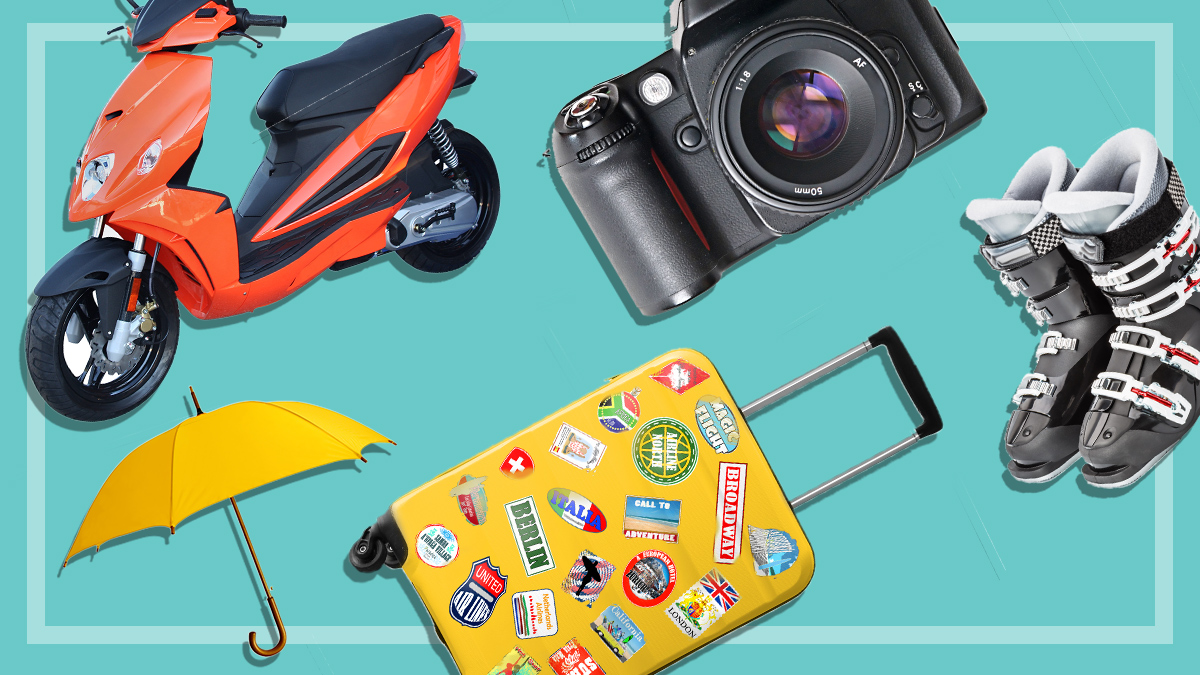
Domestic travel insurance will cover your baggage, with the exception of some ‘cancellation only’ policies. But before you let your policy choice hinge on the baggage cover, it’s worth checking that you don’t already have ‘portable contents’ cover for specified items under your home contents insurance. If you want to cover an expensive item you regularly leave home with, such as a smartphone, laptop or camera, you might want to make sure you’re covered all the time.
Also, travel insurance policies usually have an exclusion saying they won’t cover you if you’re already covered by another insurance policy. The ‘other insurance’ clause is common in all insurance.
Sports equipment
If you’re taking something that only leaves home for holidays, such as a surfboard or skiing gear, you may be able to get specific cover with your domestic travel insurance. Watch out for tricky insurance policy loopholes though, such as losses excluded for theft or damage to watercraft.
Several policies also have optional cover for snow sports and golf equipment, including green fees if you have to cancel.
Liability cover
Domestic travel insurance will generally cover you if you become legally liable for accidentally injuring someone, or damaging or losing someone’s property. But your home contents insurance will also cover you for this, and domestic travel insurance will exclude liabilities that your other insurance policies already cover.
Mark Blades worked at CHOICE from 2022 to 2026 as a Data Journalist in the Insurance and Utilities team. Mark delved in depth into our data to find ways to help consumers save money and find better products.
From unfair pricing for single parents to work on skyrocketing premiums in top level health insurance, Mark shed light on major injustices in health insurance that led to real world reforms to save Australians money.
Prior to CHOICE, Mark worked in community campaigning and in public service programs, promoting fair access to financial services in regional and rural Australia.
Mark has a Masters of International Relations focused on fair trade models, from the University of Melbourne. LinkedIn
Mark Blades worked at CHOICE from 2022 to 2026 as a Data Journalist in the Insurance and Utilities team. Mark delved in depth into our data to find ways to help consumers save money and find better products.
From unfair pricing for single parents to work on skyrocketing premiums in top level health insurance, Mark shed light on major injustices in health insurance that led to real world reforms to save Australians money.
Prior to CHOICE, Mark worked in community campaigning and in public service programs, promoting fair access to financial services in regional and rural Australia.
Mark has a Masters of International Relations focused on fair trade models, from the University of Melbourne. LinkedIn
Jodi Bird is the Managing Financial Content Editor at CHOICE. Previously at CHOICE, he worked as Travel project lead and as a Finance specialist.
Jodi has extensive experience in financial services, having worked with major banks such as CBA, Westpac and Credit Suisse. He enjoys breaking down complex consumer decisions into easy to understand steps and holding companies to account for failing their customers. He is regularly called upon for expert commentary by major broadcasters such as the ABC, SBS, and Channels 7, 9, and 10.
Jodi has a Bachelor of Commerce majoring in Economics from the University of Wollongong. He is RG146 compliance certified to provide general advice for General Insurance and is a Responsible Manager on CHOICE's Australian Financial Services License. LinkedIn
Jodi Bird is the Managing Financial Content Editor at CHOICE. Previously at CHOICE, he worked as Travel project lead and as a Finance specialist.
Jodi has extensive experience in financial services, having worked with major banks such as CBA, Westpac and Credit Suisse. He enjoys breaking down complex consumer decisions into easy to understand steps and holding companies to account for failing their customers. He is regularly called upon for expert commentary by major broadcasters such as the ABC, SBS, and Channels 7, 9, and 10.
Jodi has a Bachelor of Commerce majoring in Economics from the University of Wollongong. He is RG146 compliance certified to provide general advice for General Insurance and is a Responsible Manager on CHOICE's Australian Financial Services License. LinkedIn
For more than 60 years, CHOICE has been fighting the good fight for Australian consumers.
In the past year alone we've uncovered systemic issues with sunscreens, investigated shonky supermarket pricing, fought for stronger scam protections and helped make complex energy pricing fairer and clearer.
CHOICE is here to provide unbiased advice and independent testing in our world-class labs. We buy the products we test, just like you do, and our expert reviews are influence free. We’re here to help you choose smarter. Hopefully you’ll also save some money along the way.
Thanks to CHOICE, you’ll never be alone when a business treats you unfairly. You can support our work by joining or donating to our cause.