Easter time is full of mysteries. Why does the date move every year when Christmas doesn’t? How do Easter bunnies lay chocolate eggs? And why do we all get so excited about over-priced, over-rated chocolate treats?
It’s clear the Easter Bunny and Big Choc are banking a sweet surcharge on our festive sugar rush
Don’t get me wrong, I love chocolate, but I don’t love paying more money for less of it, especially when it often tastes inferior to the original product it’s spawned from (hello Kit Kat eggs!).
If you look past the pretty packaging and hollow hype, it’s clear the Easter Bunny and Big Choc are banking a sweet surcharge on our festive sugar rush.
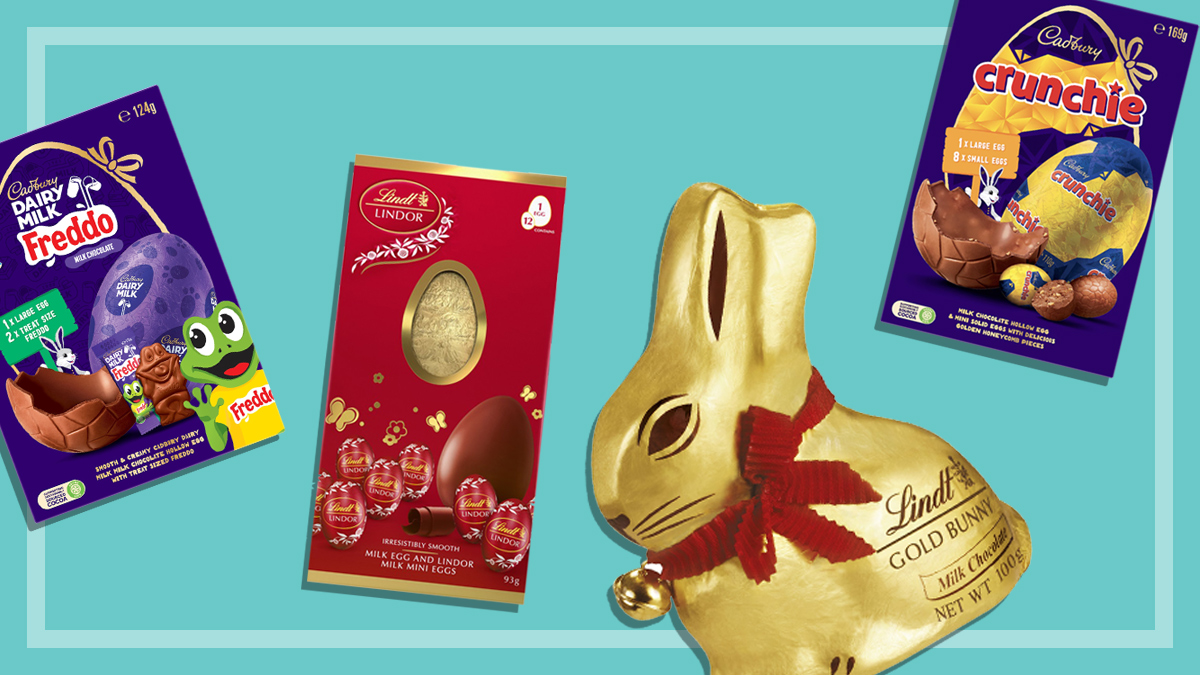
Need some eggs-amples? Let’s start with that shady frog Freddo. At the time of writing, his 124g egg (which contains two Freddo treats inside) costs $11.50 at Woolworths, which equates to a unit price of $9.27 per 100g.
By comparison, the usual 35g Freddo costs $2 at Woolies, or $5.71 per 100g. That’s a hefty hike of 62.35%, proving Freddo is pulling a fast one indeed.
Over at Lindt, the EST (Easter Services Tax) is in full effect, with wildly different prices for 100g of milk chocolate.
You can’t tell me whipping out an egg mould once a year justifies that kind of increase
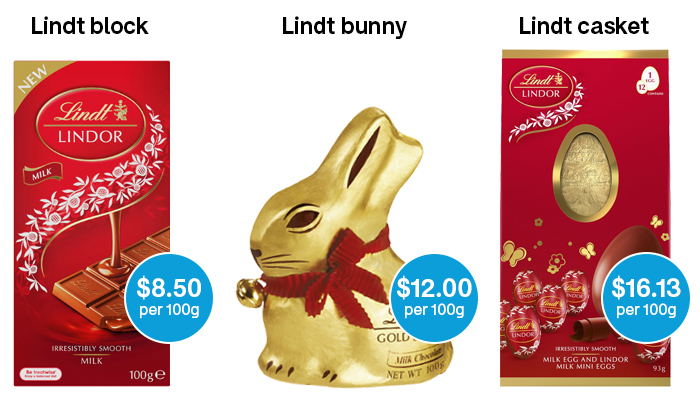
Their standard block costs $8.50 at Big W, while their famous gold bunny form sells for $12 for the same 100g weight.
Okay, maybe the bunny’s cute ribbon and bell justifies the extra cost, but then there’s Lindt’s 93g milk chocolate ‘casket’ combo (containing one medium egg and 12 small eggs) which goes for a whopping $15, almost twice the price of the 100g block.
You can’t tell me whipping out an egg mould once a year justifies that kind of increase.
Lindt chocolate gets far more expensive come Easter time.
It’s even more maddening when you realise some Easter items are losing weight at the same time (unlike me at Easter time). CHOICE has exposed numerous cases of year-on-year “shrinkflation”, with popular products selling less chocolate for the same price, or even more.
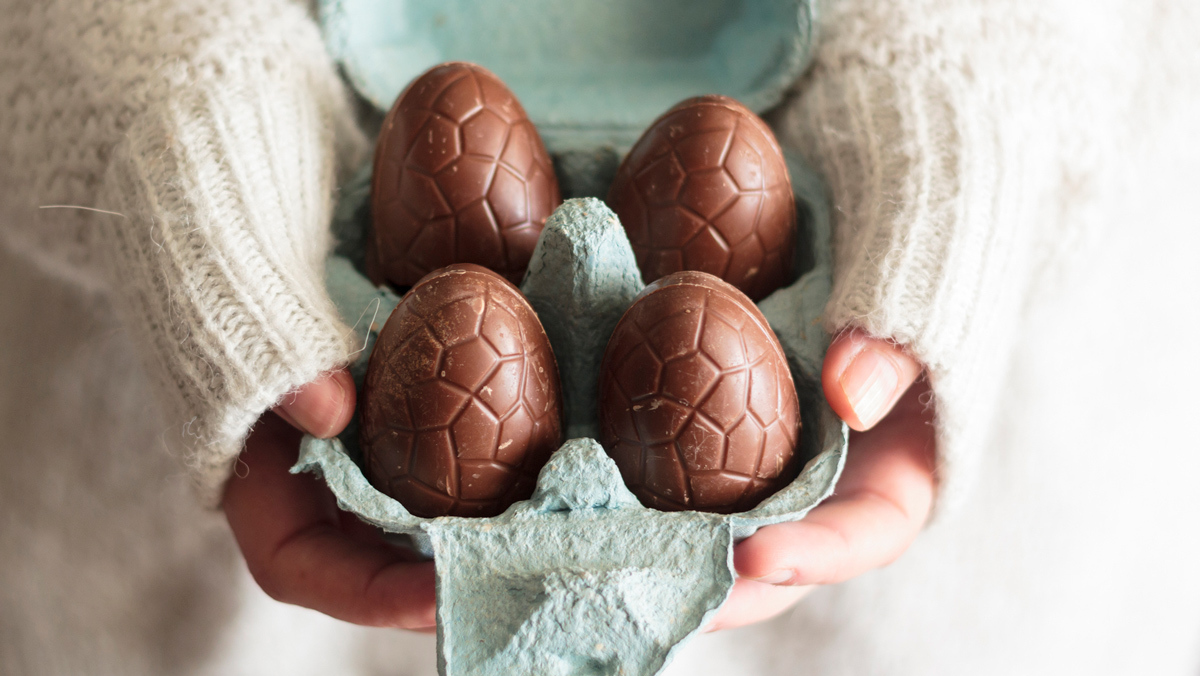
For example, in 2024, Cadbury Dairy Milk hollow eggs cost $12.50 for a 408g 24-egg pack ($3.06 per 100g). A year later, a box of 22 eggs cost more at $15 for 374g ($4.01 per 100g).
This year, a box costs $18 but it’s slimmed down again to 20 eggs at 340g ($5.29 per 100g). That’s a 73% increase in unit price over two years, with some serious Easter Ozempic going on too.
It might all be worth it if these eggs actually tasted better than the original products, but let’s be honest, most don’t. We all know deep down that a Crunchie egg with its tiny honeycomb crumbs is no match for the delicious classic bar.
Maybe it’s time to boycott the Easter Bunny and demand a better deal
How long will we put up with confectionery companies cashing in on our cacao-fuelled comas? Not to mention the extra packaging (aka landfill) this festive feasting generates, or the huge carbon miles some products clock up (the Lindt ‘casket’ is manufactured in Switzerland, Germany and Australia!).
Maybe it’s time to boycott the Easter Bunny and demand a better deal because at the moment, these over-hyped, under-sized eggs aren’t worth shelling out for.
In the meantime, I’m happily sticking to my old-school Crunchie bars.
For more than 60 years, CHOICE has been fighting the good fight for Australian consumers.
In the past year alone we've uncovered systemic issues with sunscreens, investigated shonky supermarket pricing, fought for stronger scam protections and helped make complex energy pricing fairer and clearer.
CHOICE is here to provide unbiased advice and independent testing in our world-class labs. We buy the products we test, just like you do, and our expert reviews are influence free. We’re here to help you choose smarter. Hopefully you’ll also save some money along the way.
Thanks to CHOICE, you’ll never be alone when a business treats you unfairly. You can support our work by joining or donating to our cause.