If you’re planning to renovate your kitchen, choosing a new rangehood may not be the part you’re most excited about, but it’s an important purchase to get right.
A top-rated rangehood can remove heat, smoke and steam from your kitchen without too much noise, and make sure your cooking area is well-lit.
But choose poorly, and you could be stuck with an expensive appliance that causes an absolute racket in your kitchen and doesn’t even do a good job.
The rangehoods we’ve tested range in price from around $250 up to almost $6000 – and spoiler alert, the $6000 model is one you should avoid.
We want to make sure you’re spending your money wisely, so we’ll explain how to choose the right type and style of rangehood to ensure extraction satisfaction, and reveal the sucky models to cross off your shortlist.
CHOICE kitchen expert Rebecca Ciaramidaro says that while you want your rangehood to suit the style of your kitchen, your choice should be based on more than aesthetics.
To work effectively the rangehood should be larger than your cooktop
Rebecca Ciaramidaro, CHOICE kitchen expert
“Does it effectively remove steam, smoke and smells from your kitchen without too much noise? There’s no point buying a rangehood that’s so noisy you’d rather not use it at all,” she says.
“It’s also important to choose the right size: to work effectively the rangehood should be larger than your cooktop, especially for times when you’re using multiple cooking zones at once.”
You’d think buying an appliance that has only one job would be pretty straightforward, but before you start shopping you’ll need to get your head around the different types.
First up, there are two different ways that rangehoods can function:
Ducted rangehoods suck steam, smoke and cooking smells up into a pipe that blows the fumes outside.
Recirculating rangehoods suck the fumes through filters and then pump the air back into the kitchen.
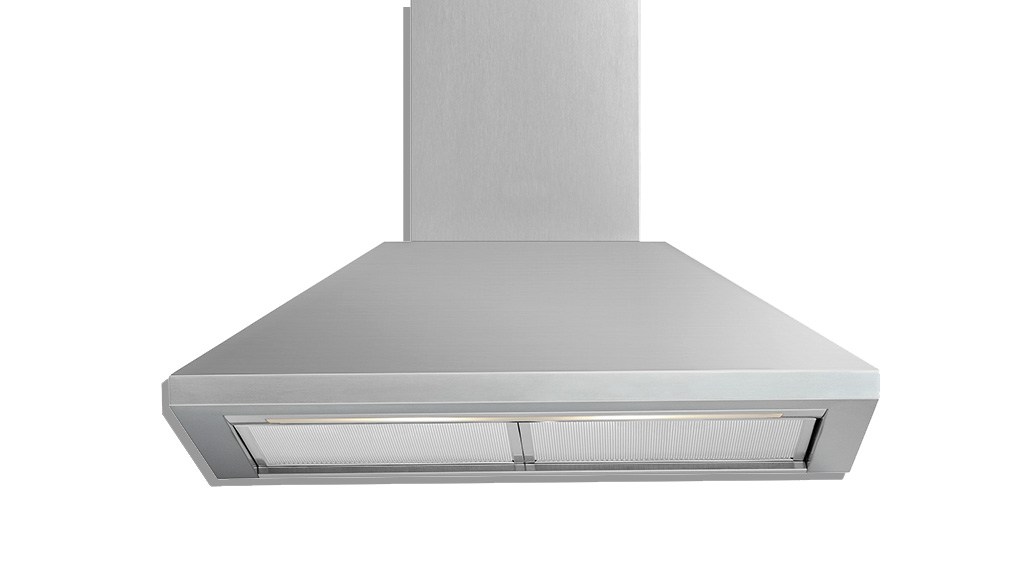
Canopy rangehood.
Which one performs better?
“If your kitchen allows for a ducted rangehood, we tend to find that this type performs better than recirculating rangehoods,” says Rebecca.
However, installing a ducted rangehood is more complex as you’ll need to cut a hole in the wall or ceiling for the pipe (if there isn’t one already).
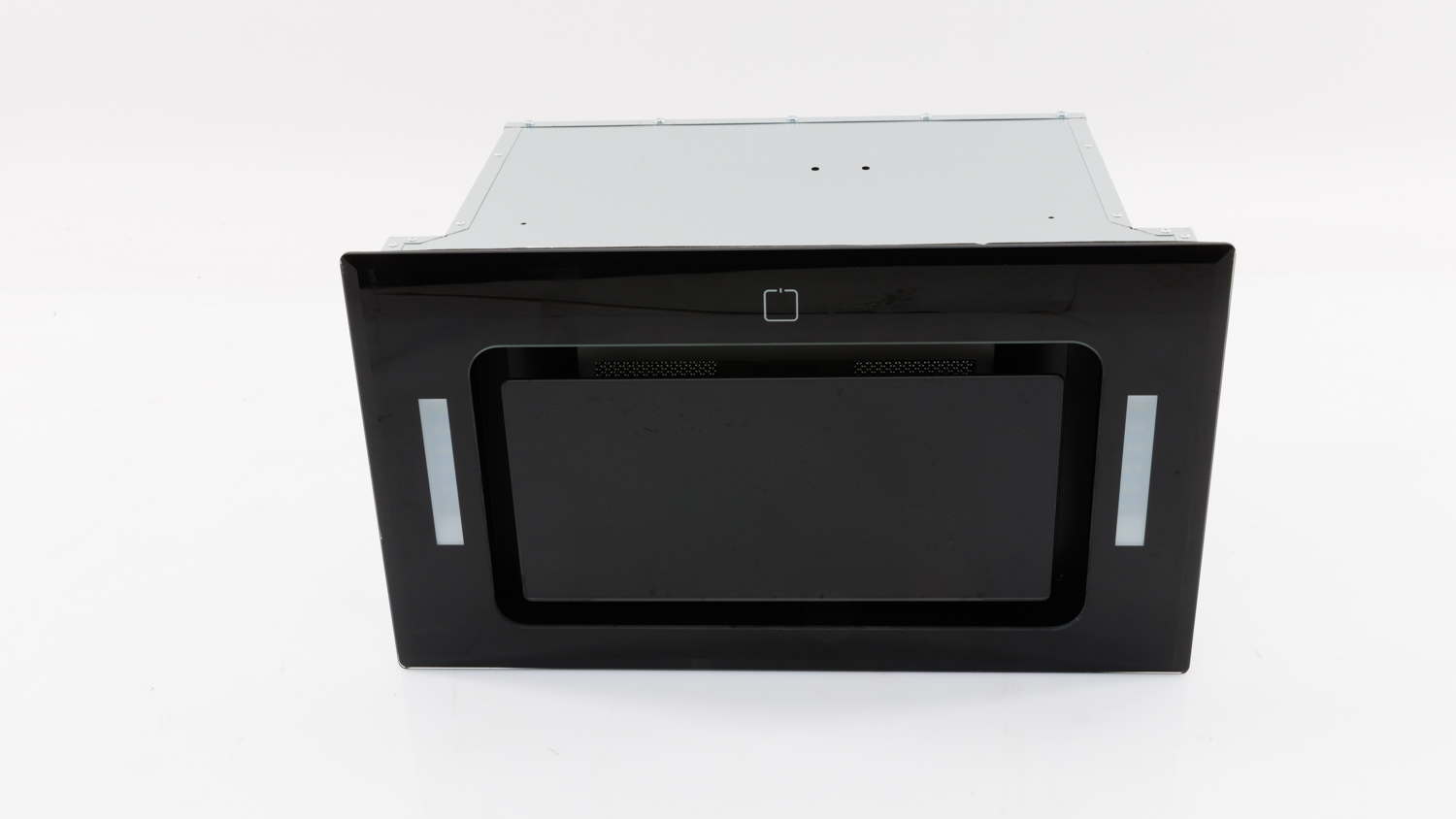
Undermount rangehood.
Once you’ve decided which type is best for your kitchen, then it’s time to choose the configuration. These are the three types:
Canopy: a freestanding rangehood that can be installed over an island cooking area or against a wall.
Undermount: these are integrated into a kitchen cupboard above the cooktop.
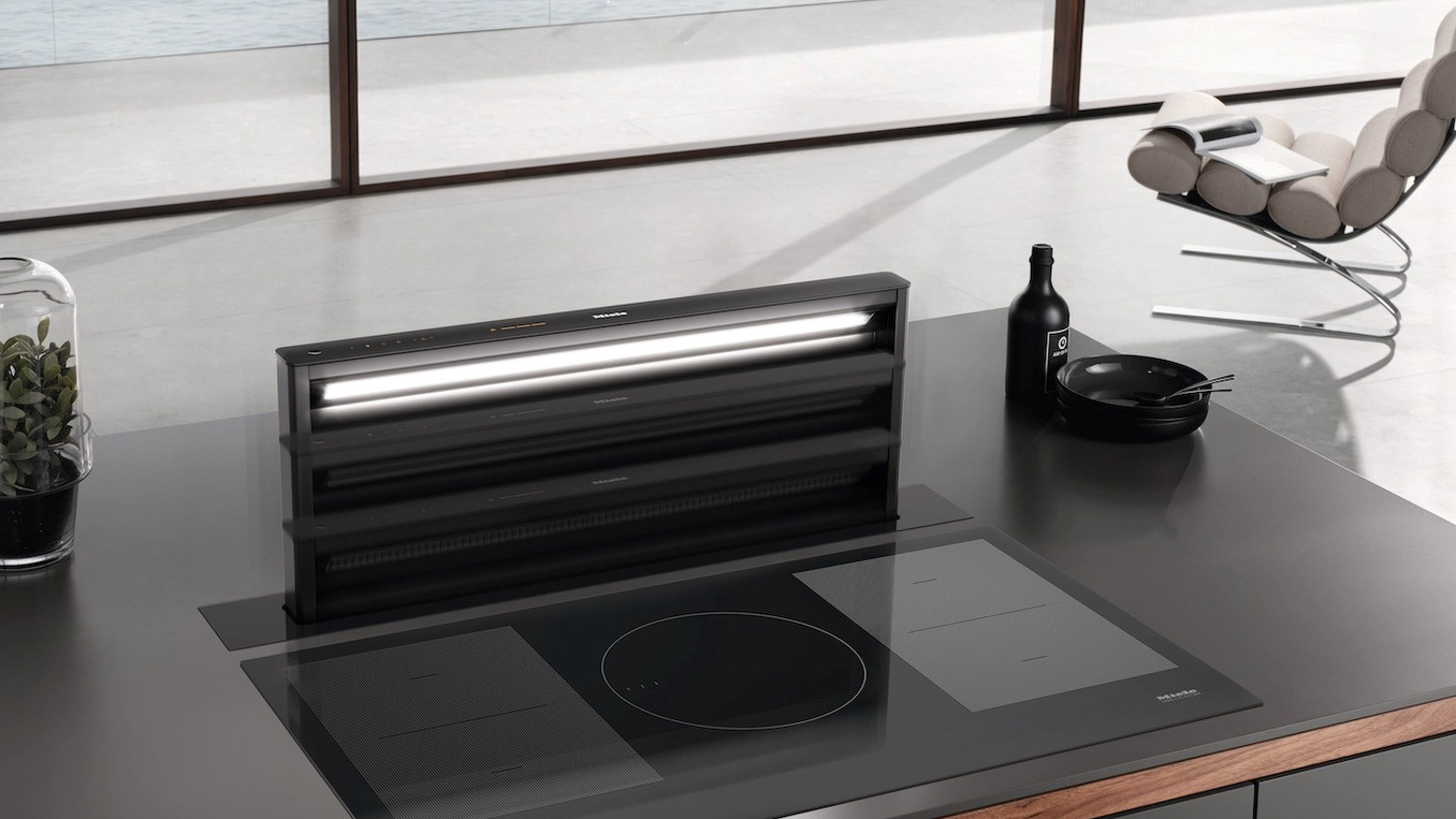
Downdraft or pop-up: these units are installed at the back of the cooktop and pop up when needed.
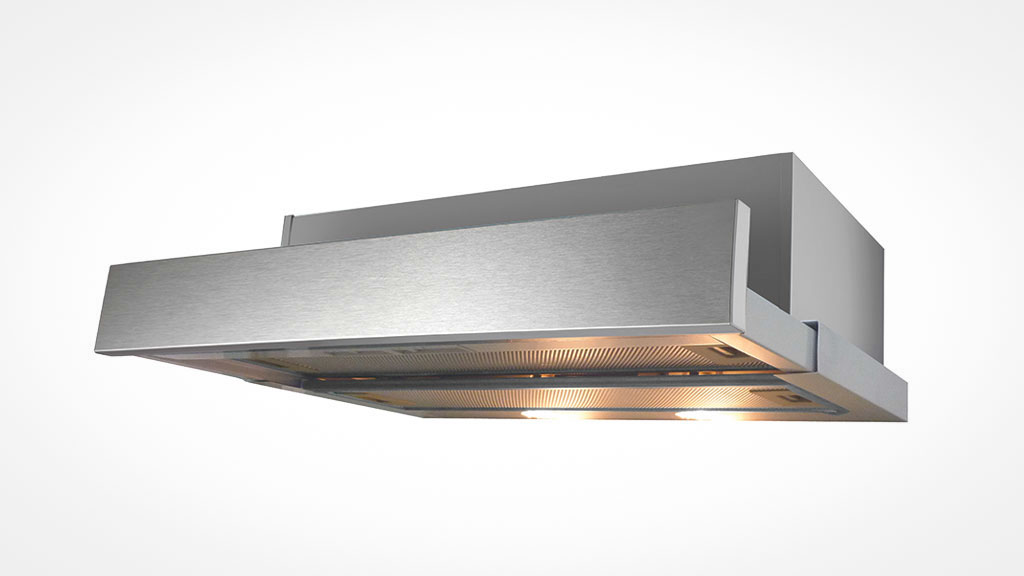
Retractable rangehood.
If you’re going with an undermount rangehood, they come in two types:
Fixed: as the name suggests, these stay in the same place so can’t be tucked away when you’re finished with them.
Retractable or slide-out: these rangehoods switch on when you slide a section out from the unit and turn off again when pushed back in.
Ducted wall canopy rangehoods tend to be more effective than other types, so our experts have higher expectations of them: in order to be recommended, they need to achieve a CHOICE Expert Rating of at least 80% and a noise score of at least 55%. (The higher the noise score, the quieter the rangehood is.)
The models below have a CHOICE Expert Rating of 70% and 71%. While that might seem fairly decent, it’s still a long way off from the top-rated models in our review, which have a CHOICE Expert Rating of 85%.
Undermount and retractable rangehoods don’t perform as well as canopy styles, but they may be your preferred, or only, options. So for our experts to recommend them they need a CHOICE Expert Rating of 70% and above and a noise score of at least 55%.
These models didn’t come anywhere near to impressing our experts.
Recirculating rangehoods work by sucking smoke, steam and smells through filters and then pumping the air back into your kitchen. Ducted rangehoods blow the air outside.
Ducted rangehoods perform better in our testing than recirculating types, so our experts suggest you go ducted if you can. But for some kitchens it’s not an option – for instance if you can’t modify your kitchen to install a duct.
Where possible, we test rangehoods in recirculating mode as well as ducted mode so you can see which ones are the best for your particular kitchen setup. The CHOICE Expert Rating displayed in our product review is the score for ducted mode. To see how each model performs as a recirculating system, check the recirculating mode score.
If you’re looking for recirculating rangehoods, these are the ones to avoid.
Wall canopy models
As with ducted models, wall canopy rangehoods perform better than other types, so the cut-off for them to receive our experts’ seal of approval is higher: a recirculating mode score of 80% and above and a noise score of 55% or higher.
These styles of recirculating rangehoods are less effective than wall canopy styles, so as with ducted rangehoods, the bar for them being recommended by our experts is lower: a recirculating mode score of 70% and higher, and a noise score of at least 55%.
Downdraft units are hidden beneath the bench and pop up at the back of the cooktop when needed. Rather than sucking cooking fumes up, they draw them downwards, either through a duct or recirculating filters.
A downdraft model will give your kitchen a sleek, minimalist look. Image credit: Miele.
Downdraft units are far more niche than other rangehood types. They’re typically only installed in new kitchens, and they’re also not cheap – the two downdraft rangehoods we’ve tested cost between $4350 and $5999.
Are they worth the money? Not really. Testing by our US counterpart Consumer Reports shows that they’re the least effective type of rangehood.
And our own tests back that up – they both scored lower than all the wall canopy models in our review, despite being far more expensive.
Alice Richard is a Content creator and marketer. Alice writes on a range of topics, from health insurance to heaters and BBQs to bargain-hunting, always with the aim to help consumers find the best products to buy, and which to avoid.
Alice can take vast amounts of data from CHOICE product tests and turn it into content that is easily digestible and fun for readers.
Alice has a Bachelor of Arts from the University of Queensland.
For more than 60 years, CHOICE has been fighting the good fight for Australian consumers.
In the past year alone we've uncovered systemic issues with sunscreens, investigated shonky supermarket pricing, fought for stronger scam protections and helped make complex energy pricing fairer and clearer.
CHOICE is here to provide unbiased advice and independent testing in our world-class labs. We buy the products we test, just like you do, and our expert reviews are influence free. We’re here to help you choose smarter. Hopefully you’ll also save some money along the way.
Thanks to CHOICE, you’ll never be alone when a business treats you unfairly. You can support our work by joining or donating to our cause.