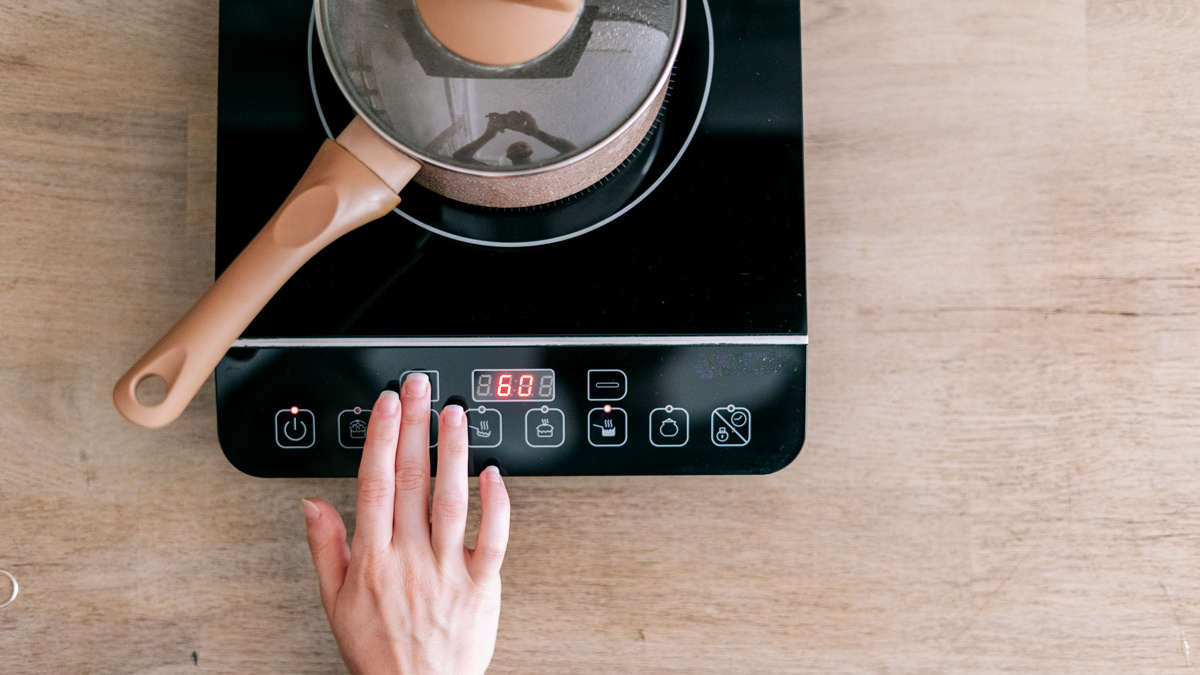
As gas appliances become less popular, the rise of induction cooking continues, but common myths and half-truths linger and can make buyers reluctant to invest.
Here are five common ‘facts’ about induction cooking that might not be totally accurate.
Myth #1: You have to buy all new cookware
This one falls into the category of half-truth, since it really depends on the type of cookware you own.
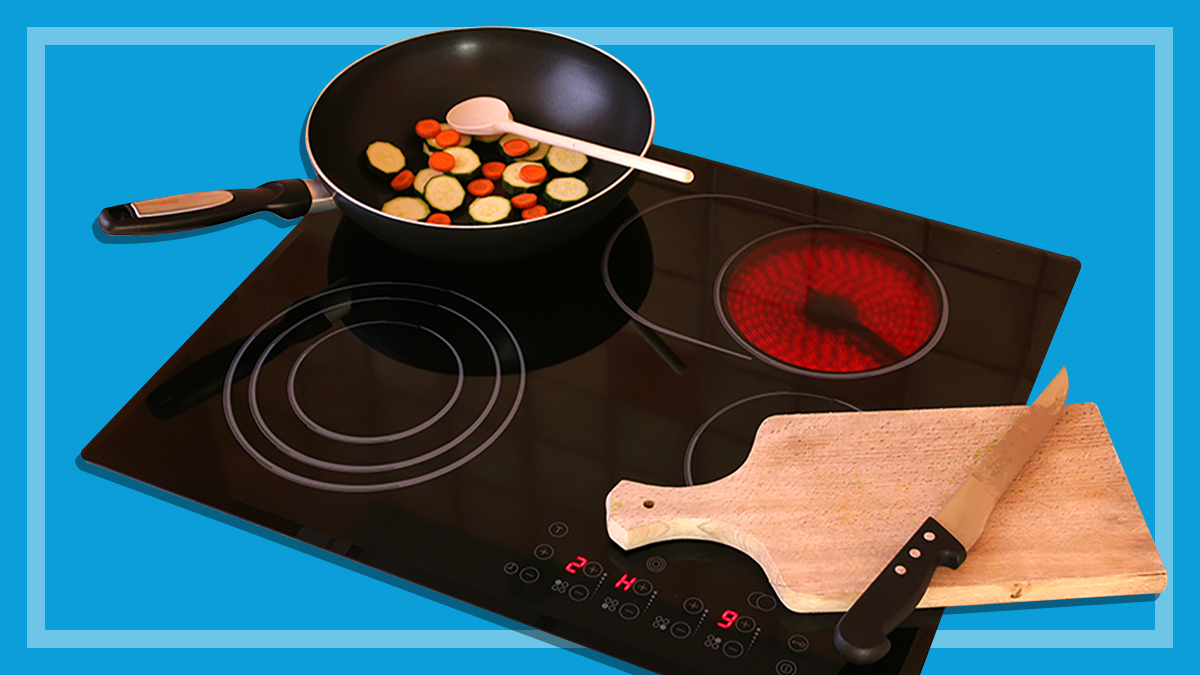
Induction cooking works by producing an electromagnetic field, creating energy that heats your cookware. So your pots and pans need a ferromagnetic base to work on an induction cooktop.
“Cast iron, steel, and some enamel steel and stainless steel pans will work on induction if the base is a magnetic grade of stainless steel,” says CHOICE home economist Fiona Mair.
But there’s bad news if you have aluminium, glass or ceramic pans: they’re not suitable for induction cooktops.
Before you rush out to buy new cookware, Fiona suggests using a magnet to check the pots and pans in your kitchen. If the magnet sticks well to the base, it’ll work on an induction cooktop.
The size of your cookware can also be a factor with induction cooktops. If you only have large saucepans, they won’t work as efficiently in the smaller zones of the cooktop, so also bear that in mind when considering whether or not you need new cookware.
Myth #2: Induction cooktops cost a lot more than electric or gas cooktops
This is another half-truth. Purchase costs can indeed be high, but you can pay just as much, if not more, for a gas cooktop.
Installation costs are where higher added costs might surprise the unwary buyer. These can be considerable, depending on your home’s existing electrical wiring, since you may require a licensed electrician to install a new circuit.
Exactly how much those extra costs might be depends on your home’s current setup. It can cost anything between $600 to $1200 for a new, dedicated circuit and safety switch, but if a full switchboard or a mains upgrade is needed, it can cost between $3000 and $9000. For more accurate pricing, you’ll need to get a quote from a licensed electrician.
Induction installation costs can be considerable, depending on your home’s existing electrical wiring
However, in good news, Fiona says that recent changes to the market might help with this. “We are beginning to see some induction cooktops that are low current,” she says.
An induction cooktop with a total maximum power output below 5kW is commonly classified as a low-current cooktop, provided it is designed to operate on a single-phase, standard household supply.
These units are designed to run on existing 20Amp wiring, allowing you to upgrade from your old electric or gas cooktops to induction without needing a full circuit upgrade.
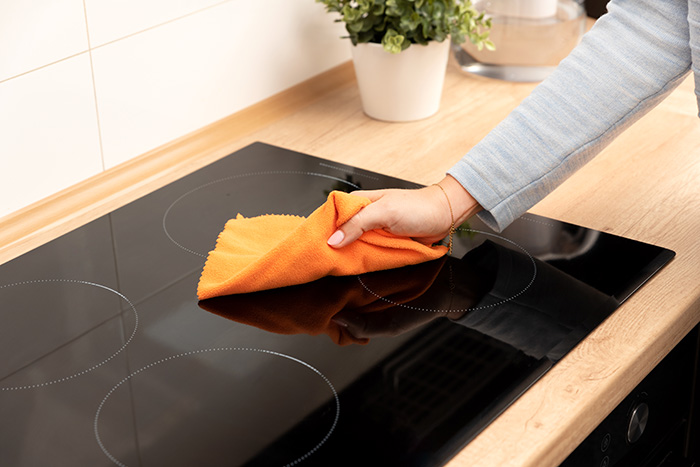
Induction cooktops are also easier to clean and remain cooler to the touch, making them safer to use.
Myth #3: Induction cooktops aren’t as powerful as gas cooktops
This one is definitely a myth.
When you use an induction cooktop, energy is directed into the cookware base instantly, transferring with approximately 85% efficiency. In contrast, cooktops that transfer energy via gas-powered heating elements operate at an efficiency of only 32%.
So what does that mean in practical terms? To evaluate this, CHOICE experts measure how long it takes to boil one litre of water on a gas cooktop compared to induction. The results place induction first, followed by gas and then ceramic.
One of the top performing models in our induction cooktop review takes just two minutes and 19 seconds to bring a litre of water to the boil, while a gas cooktop can take four minutes or longer.
Myth #4: They’re more expensive to run than gas or ceramic
This one just isn’t true. In fact, you’ll save on running costs with an induction cooktop, as they are definitely lower than with gas.
As part of our testing, we’ve calculated the yearly running costs for the induction cooktops in our most recent tests to be as low as $46 and as high as $80. This is based on using the cooktop for 30 minutes, three times a week, with an electricity cost of 40c/kWh.
You’ll save on running costs with an induction cooktop, as they are definitely lower than with gas
While we can’t perform a definitive cost analysis between gas and induction cooktops, the Climate Council has calculated that households can save between $14 and $111 a year on running costs, depending on where they live, by switching from a gas to an induction cooktop.
Myth #5: The lack of visible flames increase the chance of accidental burns
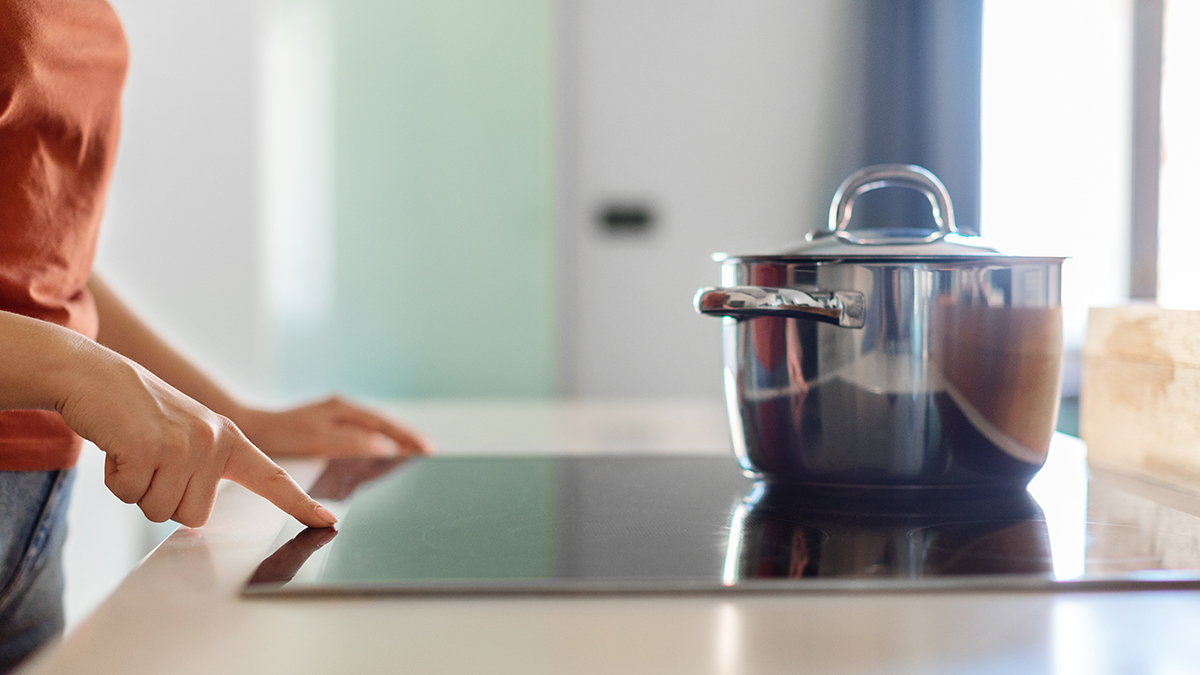
Another definite untruth. In fact, because of the way induction cooktops work, they remain cooler when in use than gas cooktops, reducing the risk of burns. That doesn’t mean they’ll be totally cool to the touch – they still warm up from the heat of pans used in cooking, but they are unlikely to be as hot as a gas cooker.
The safety benefits of induction don’t end there. According to Asthma Australia, gas cooktops contribute 12% of the childhood asthma burden, which is equivalent to tobacco smoke in the home.
They remain cooler when in use than gas cooktops, reducing the risk of burns
Gas cooktops also release a range of contaminants, such as nitrogen dioxide, formaldehyde and small particulates, which can also impact your health.
Many induction cooktop models also feature locking mechanisms or safety sensors to prevent them from turning on without the presence of cookware.
Margaret Rafferty joined CHOICE in 2018 as a Content editor and since then has filled the roles of Commissioning editor, Managing editor and now Editorial consultant.
Margaret has written on a wide variety of topics and enjoys making complex subjects easy to understand. With over 20 years of media experience, Margaret brings a strong storytelling background to CHOICE. She works closely with people across the organisation to help tell stories that make a positive difference to people and is passionate about uncovering bad practices and helping Australians to avoid falling victim to shonky products and services. LinkedIn
Margaret Rafferty joined CHOICE in 2018 as a Content editor and since then has filled the roles of Commissioning editor, Managing editor and now Editorial consultant.
Margaret has written on a wide variety of topics and enjoys making complex subjects easy to understand. With over 20 years of media experience, Margaret brings a strong storytelling background to CHOICE. She works closely with people across the organisation to help tell stories that make a positive difference to people and is passionate about uncovering bad practices and helping Australians to avoid falling victim to shonky products and services. LinkedIn
For more than 60 years, CHOICE has been fighting the good fight for Australian consumers.
In the past year alone we've uncovered systemic issues with sunscreens, investigated shonky supermarket pricing, fought for stronger scam protections and helped make complex energy pricing fairer and clearer.
CHOICE is here to provide unbiased advice and independent testing in our world-class labs. We buy the products we test, just like you do, and our expert reviews are influence free. We’re here to help you choose smarter. Hopefully you’ll also save some money along the way.
Thanks to CHOICE, you’ll never be alone when a business treats you unfairly. You can support our work by joining or donating to our cause.