They say money can’t buy you love – and it turns out it can’t always buy you good coffee, either.
CHOICE espresso machine testing has revealed that a cheap-as-chips retro-design machine from the Anko brand, available at Kmart and Target, makes better coffee than some far more expensive machines.
In our tests, it produced a better-tasting cuppa than machines from big brands that cost well over $2000 – and even one priced over $4000!
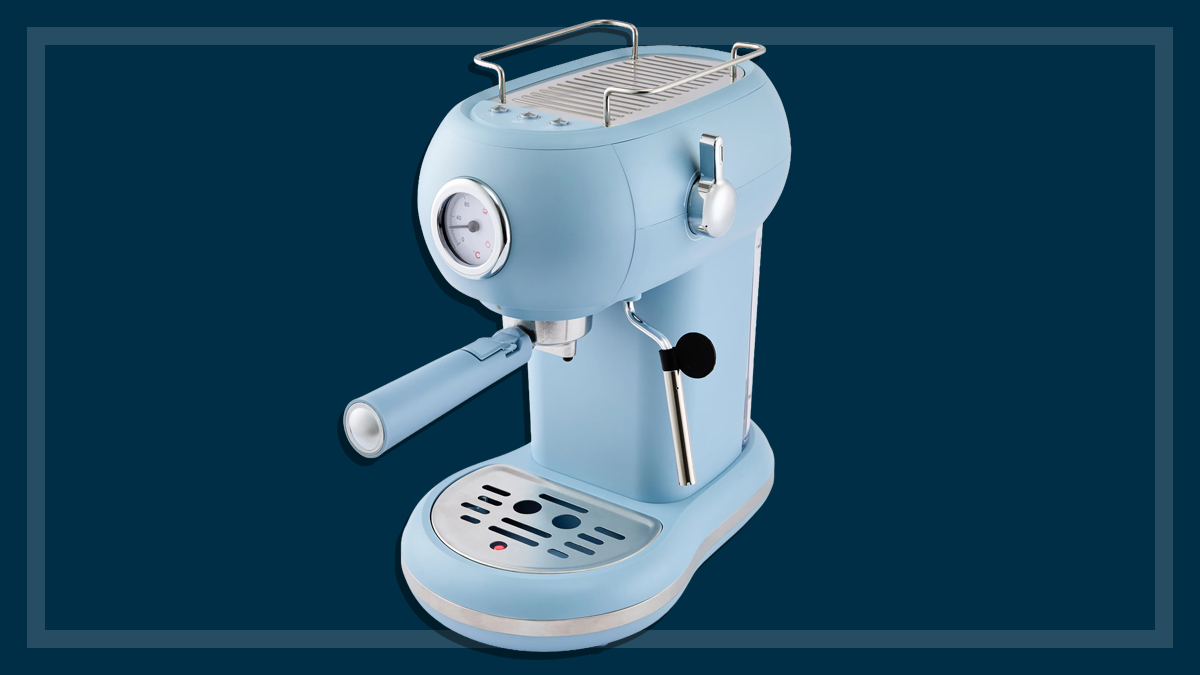
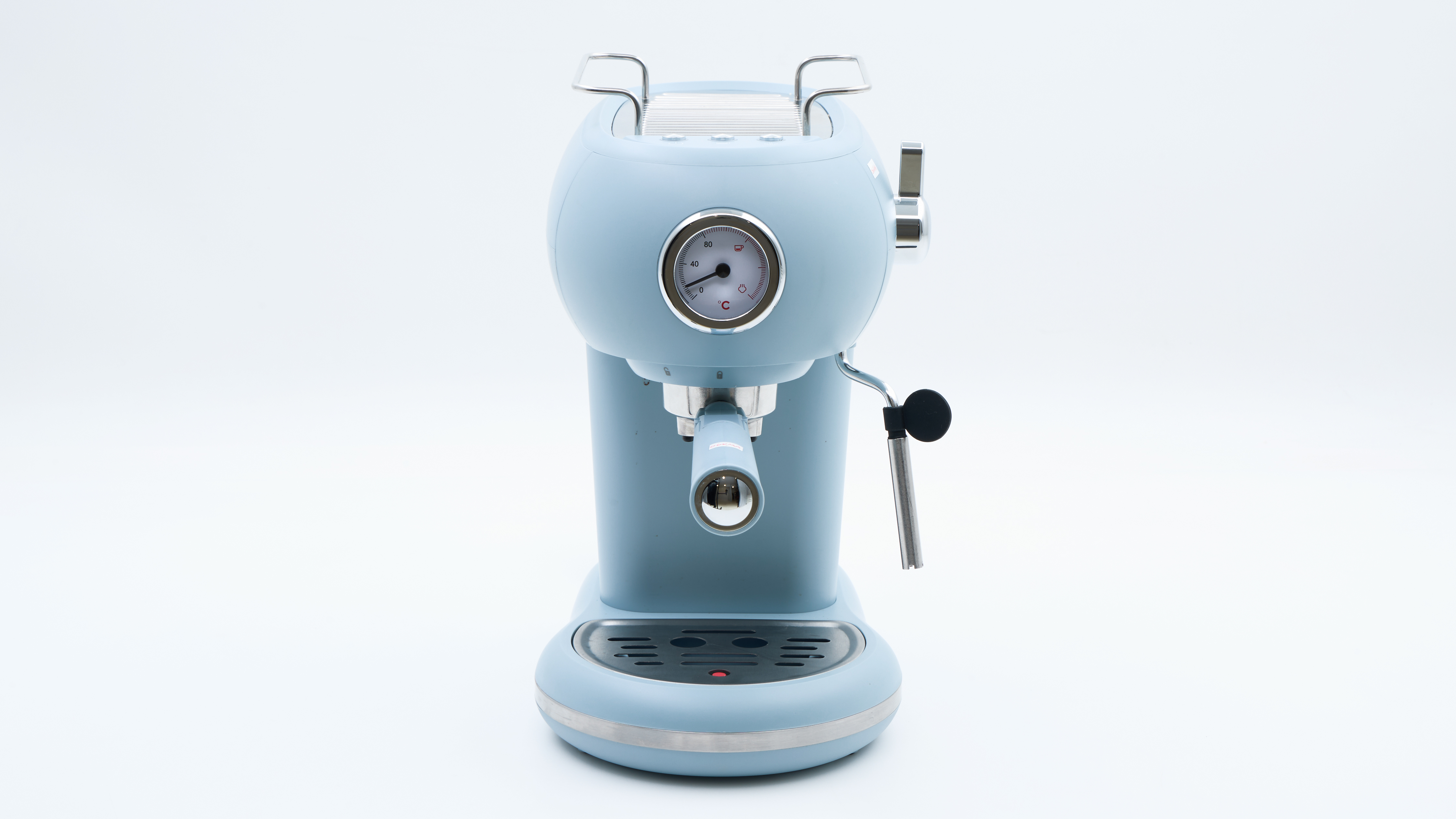
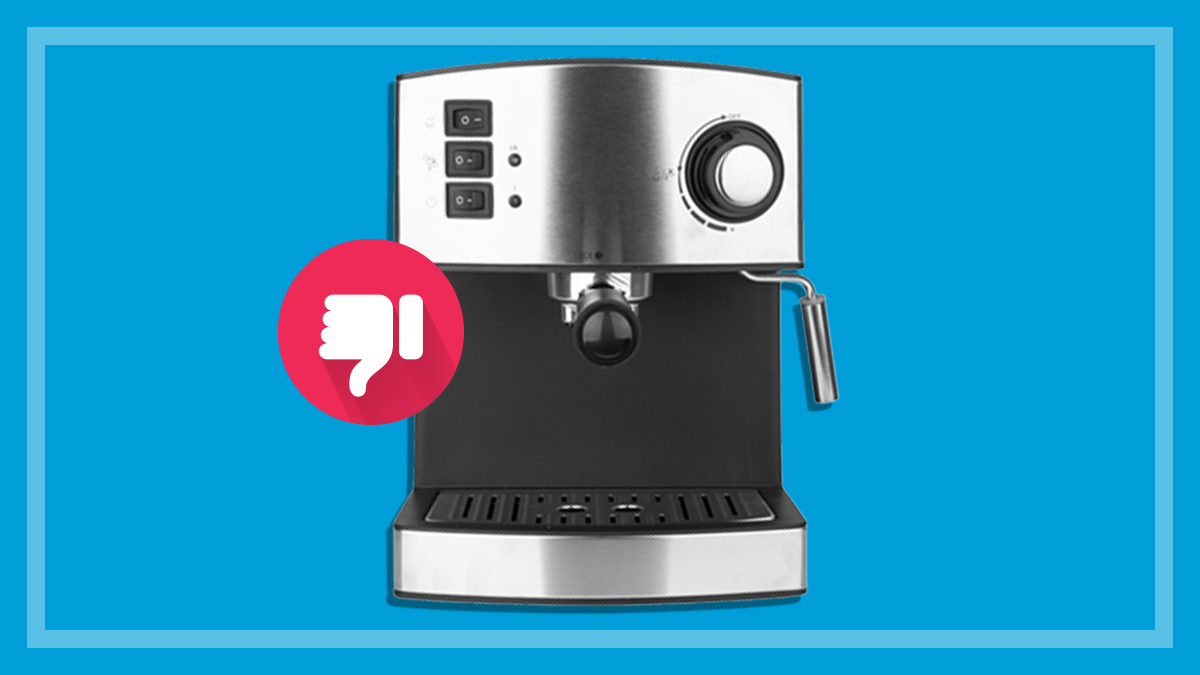
The $79 Kmart Retro Espresso Coffee Machine.
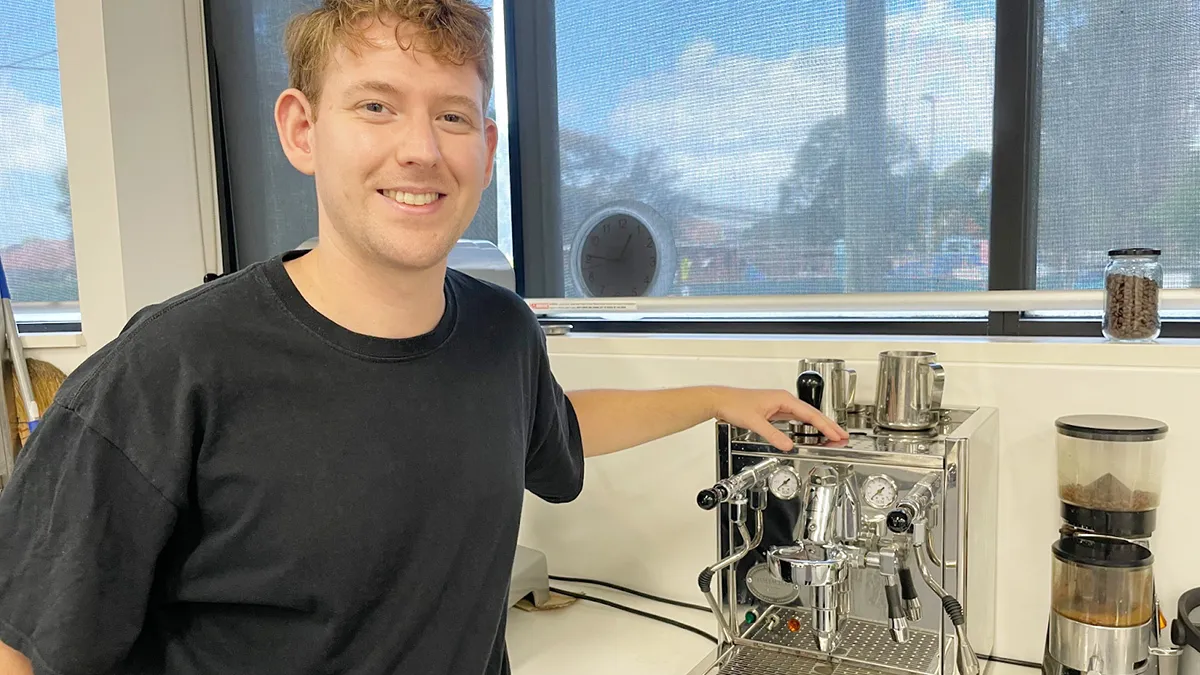
“In our testing, we often come across expensive products that just don’t live up to the hype of their price tags,” says CHOICE coffee machine expert Adrian Lini.
“And some cheap products deliver performance far beyond what you’d expect for the price.
“Our reviews will help you find the best machine for your money, regardless of your budget.”
So should you rush to your nearest Kmart or Target to pick up this retro-styled machine, or should you percolate on it?
Here’s what our experts say about this budget brewer, and what makes the difference between a cracking coffee and a disappointing one.
How the Kmart coffee machine performed in our tests
In a blind taste test, our panel of coffee industry experts gave the Kmart Anko a taste test score of 75% for the quality of its espresso, ranking it higher than some models from well-known brands including Breville, Sunbeam, DeLonghi and Rancilio.
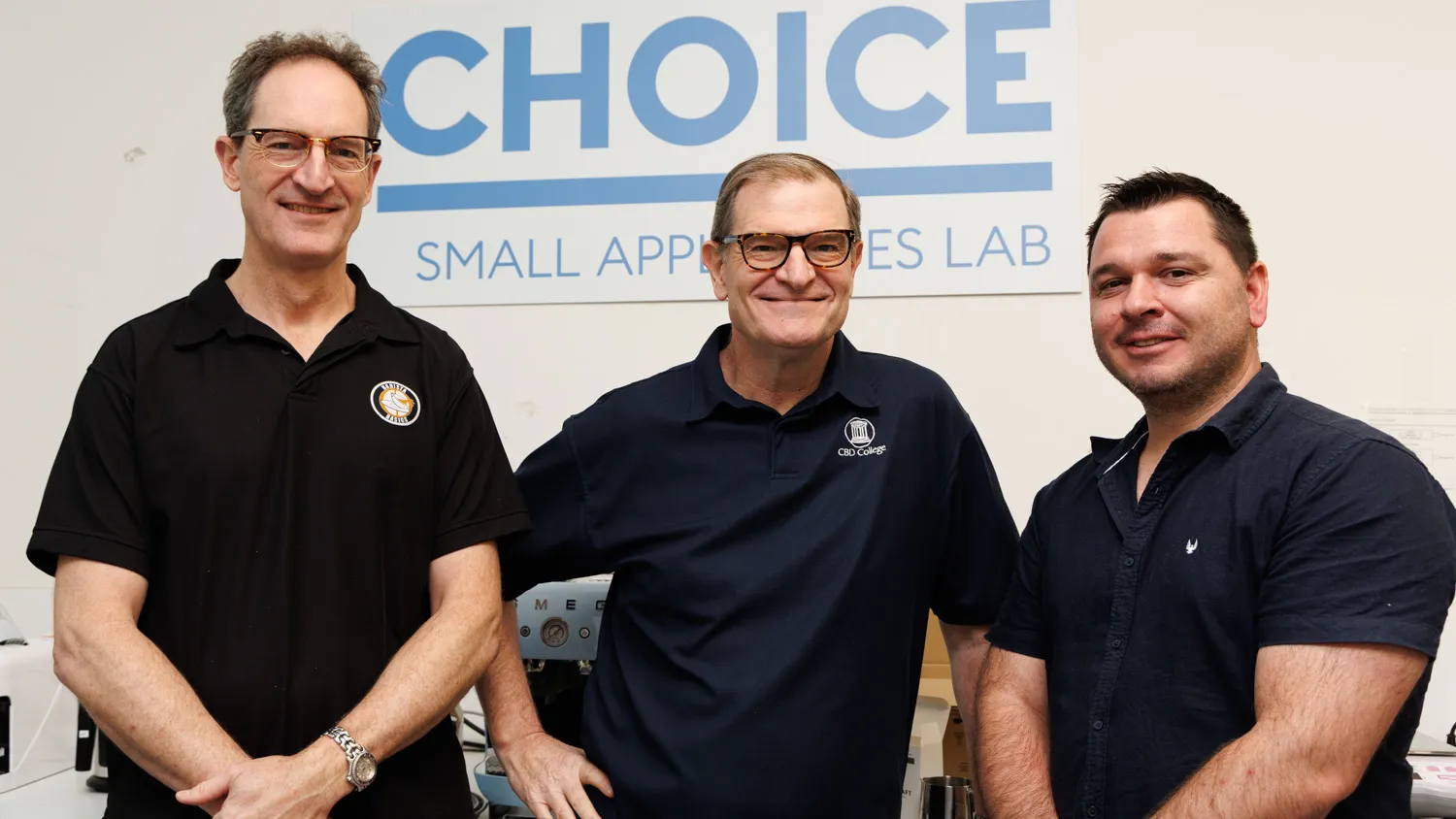
Our expert taste testers: Matthew and David Gee (Barista Basics), and Denis Simione (Samson Coffee House).
Not only did it hold its own against more affordable machines, it also outperformed some expensive ones.
And not just a bit pricey: we’re talking seriously expensive.
It turned out better-tasting espressos than some models that are 10 times the price – and even more.
Here’s how it compared to some other high-priced espresso machines:
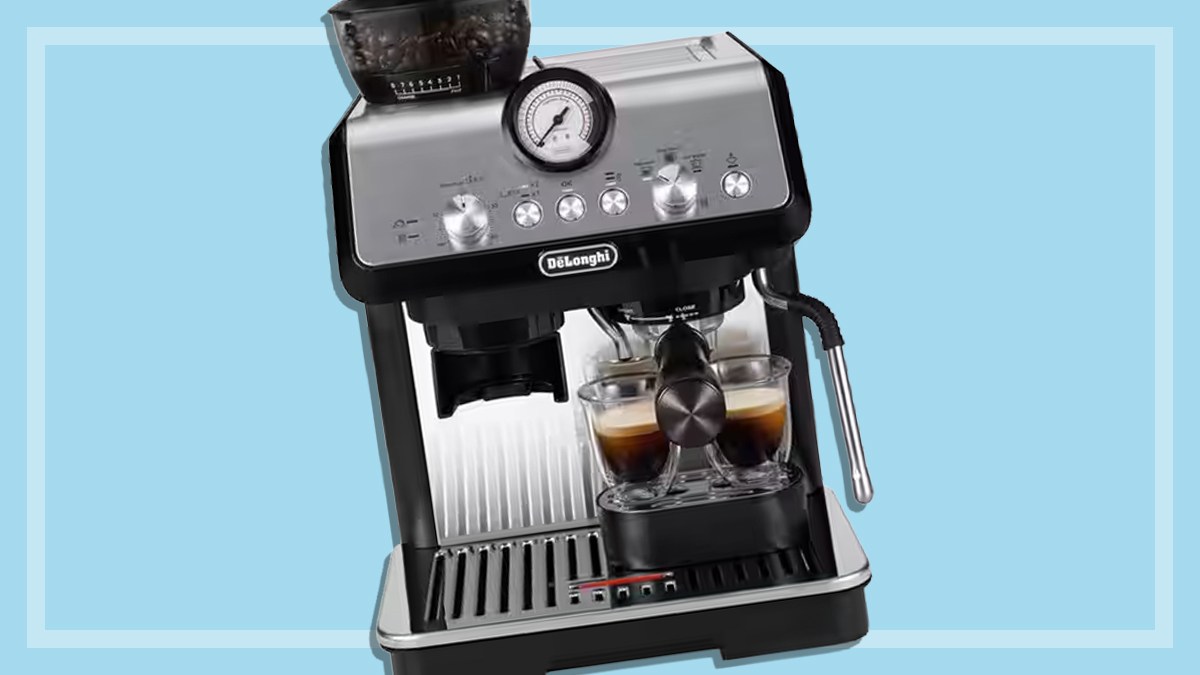
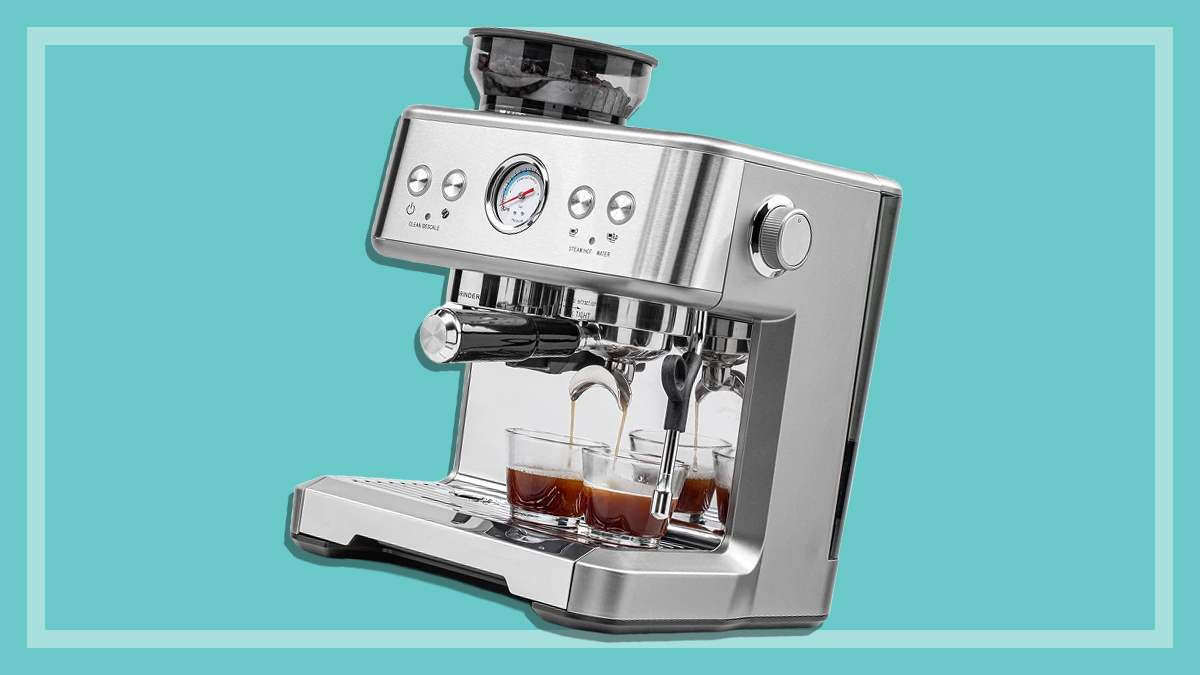
Coffee machines compared: The $79 Kmart machine vs expensive machines
But before you rush to the shops, it’s important to know that this machine does have some downsides too. It falls flat when it comes to milk frothing, build quality ain’t great and it doesn’t come with an in-built grinder so we had to use our own (see more on its Cons below).
We’ve looked at how the budget Anko compares to high-end machines, but what about more affordable models with similar features?
If you’re spending less than $500, you’ll generally be looking at more simple, compact models and you may have to forego features such as a built-in grinder, double boiler, automatic cut-off and the like.
But that doesn’t mean missing out on good coffee: plenty of these smaller machines still pump out great espressos.
“As you can see from these results, the Kmart Anko Retro coffee machine still performs well within the affordable category, delivering espressos that taste just as good as many models – but for half the price, or even less,” says Adrian.
“However, some of the more expensive machines are far better for frothing milk and are easier to use, so that’s worth taking into account when you’re choosing what to buy.”
One of the key factors in creating the best espresso possible is having your coffee beans ground to the perfect consistency: too fine and you’ll end up with a bitter brew; too coarse and you’ll get a watery coffee without much crema.
A good grinder can mean the difference between a good coffee and a great one.
The perfect grind is the key to good coffee, says Adrian.
While Kmart’s retro machine did deliver a good espresso, it had some help in the form of a good-quality grinder.
The one Adrian uses in our lab has an recommended retail price of $579 – a full $500 more than the Kmart machine costs, which would really blow out your budget if you’re looking for a cheap home coffee machine setup.
A good grinder is vital to the quality of your coffee, so it’s worth investing in the best that your budget allows
Adrian Lini, CHOICE coffee machine expert
“Unfortunately you just won’t get the same results from the Kmart machine if your grinder isn’t up to scratch,” Adrian says.
“A good grinder is vital to the quality of your coffee, so it’s worth investing in the best that your budget allows.”
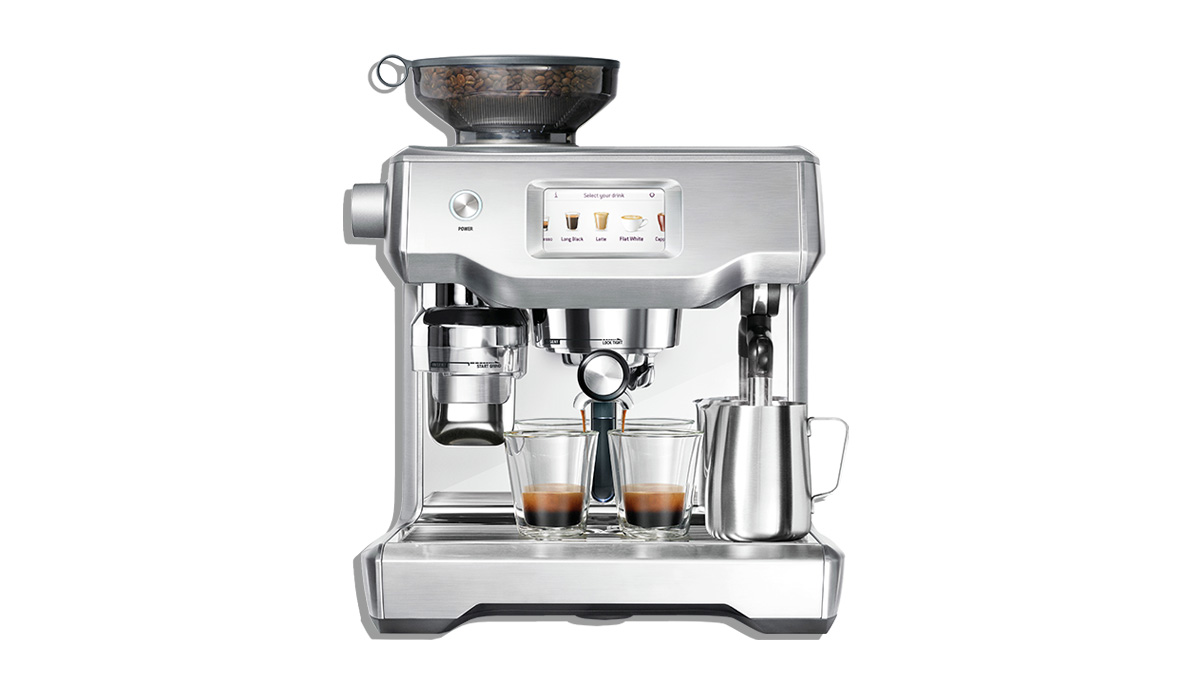
Many expensive espresso machines like the $4000 Breville have a built-in grinder, but if you were to buy a machine without one you’ll need to factor the grinder into the overall cost.
It may have impressed our experts in the blind taste test, but it fell down in other areas. Here’s what we thought were its strengths and weaknesses.
Pro: Barista-quality espresso on an instant coffee budget
Alongside a Big W Contempo espresso machine and another Anko machine, the retro-styled Anko is the cheapest manual coffee machine in our current review, but it delivers the same (or better) espresso than far more expensive machines.
Pro: You can go large
Unlike some machines that can only fit a standard-sized coffee cup under the portafilter, the Anko machine fits taller cups – so you can supersize your morning cuppa to kickstart your day.
Pro: It’s got the look… kind of
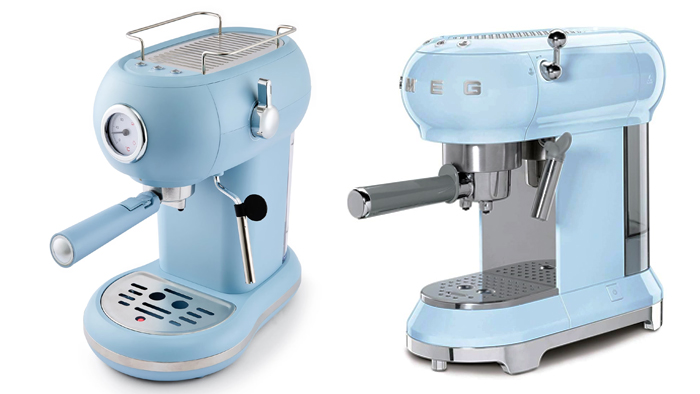
As its name suggests, the Kmart Anko machine has cute retro styling that’s very similar to a $549 Smeg 50s style espresso machine. Fans of pastel vintage vibes will likely fall for its mid-century aesthetic.
And it’s a pretty decent copy: sleek baby-blue curves, shiny chrome accents, three silver buttons on top, a clear water reservoir at the back, a manual steam lever on your right…
Same same but different: the Kmart Retro on the left and the retro Smeg on the right.
Just don’t look too closely. It may catch your eye from a distance, but on closer inspection it’s definitely not in the same class as its European cousin.
“In the flesh, the Anko machine is quite plasticky and some parts are flimsy,” Adrian says.
“You can really feel that it’s been made with cheaper materials than some more expensive machines.”
Looks aren’t everything, of course, and even a coffee machine that’s an ugly duckling can create swan-level espresso. But there are some drawbacks to the Anko’s design, which we’ll cover below.
If you take your coffee black, the Kmart Anko machine will give you a big taste on a tiny budget. But if you’re a flat white or latte drinker, it could leave a bitter taste in your mouth.
It scored very poorly (just 20%) for milk frothing, creating very large bubbles rather than the smooth, silky, easy-to-pour foam that you’d get from a quality cafe brew or high-scoring machine from our tests.
And speaking of milk, it doesn’t actually come with a milk jug so you’ll need to buy one before you can begin brewing. Kmart and Target sell one for $8.
Con: It’s a lightweight
While it might be a heavy hitter in terms of taste, it’s clearly been made on a budget. At 3.2kg when empty it’s relatively light, so you’ll need to hold it steady when you’re slotting the portafilter into the group head – otherwise it’ll slide across the bench.
The accessories are pretty ordinary, too. The tamper’s diameter is smaller than the portafilter so it’s hard to press the ground coffee down evenly. (Getting the perfect tamp is one of the key factors in making a good coffee.)
And the filter can fall out when you’re emptying the coffee grounds, leaving you with a mess to clean up before you’ve even had your first coffee of the day.
There is a plastic clamp on the handle that you need to hold down to keep the filter in place, but it’s awkward to use (and chances are you’ll forget to do it if you’re not yet caffeinated!).
Con: It could end up in landfill
Cheap coffee machines are often built with lower-quality materials and fewer replaceable parts. They don’t tend to be as constructed as well as pricier machines, so they could wear out or break more easily than something that’s built to last.
When they develop issues or die completely, you’ll need to buy a new one sooner than you’d like – so you could end up paying more than you’d bargained for because you have to replace it faster than you would with a quality machine.
Cheap coffee machines are often built with lower-quality materials and fewer replaceable parts
With a better-quality machine, you’ll most likely be able to repair and maintain it by running cleaning cycles, which will keep it going for longer.
It can also be more difficult to get customer support if things go wrong with a cheap machine than one from a more specialised coffee machine manufacturer, so you could be left high and dry (and without coffee, which is possibly even worse).
Of course, even major brands can be terrible on the customer service front, so once again it’s important not to assume that more money equals more peace of mind.
Buying a good machine won’t guarantee good coffee – it’s just one element of the coffee-making process.
Here are Adrian’s tips for getting the most from your espresso machine, regardless of how much you’ve spent on it.
Buy the freshest beans possible
Stale beans won’t give you the same flavour as fresh ones, so check the date they were roasted before you buy. (Although there’s some debate about best-brew dates as it depends on the coffee used and roast type, you don’t want it sitting around for longer than four weeks as it will become stale. The sweet spot is generally around 1-3 weeks after roasting, when it’s had time to develop its flavours.)
Grind fresh every time
As soon as coffee is ground, it starts to deteriorate. If you grind your beans immediately before you use them, you’ll get the best flavour from them.
Use fresh coffee beans and grind them just before use each time for a better cuppa.
Don’t have a good grinder?
The next best thing is to buy beans ground freshly from your local cafe. It’s better to buy a small pack to minimise the time between grinding and brewing – coffee that was ground two weeks ago won’t be anywhere near as good as coffee that your barista ground a few days ago.
Get the tamp right
Once you’ve got your grind right, you’ll need to make sure the coffee is packed evenly into the portafilter properly. If you squash it down too hard, the water will flow through the beans slowly and you’ll end up with burnt coffee. If it’s packed too loosely, the water will flow through quickly and won’t pick up as much flavour.
Time is everything
The length of time the water is flowing through the coffee will also make a difference to whether you get good crema or a burnt brew.
Alice Richard is a Content creator and marketer. Alice writes on a range of topics, from health insurance to heaters and BBQs to bargain-hunting, always with the aim to help consumers find the best products to buy, and which to avoid.
Alice can take vast amounts of data from CHOICE product tests and turn it into content that is easily digestible and fun for readers.
Alice has a Bachelor of Arts from the University of Queensland.
Alice Richard is a Content creator and marketer. Alice writes on a range of topics, from health insurance to heaters and BBQs to bargain-hunting, always with the aim to help consumers find the best products to buy, and which to avoid.
Alice can take vast amounts of data from CHOICE product tests and turn it into content that is easily digestible and fun for readers.
Alice has a Bachelor of Arts from the University of Queensland.
For more than 60 years, CHOICE has been fighting the good fight for Australian consumers.
In the past year alone we've uncovered systemic issues with sunscreens, investigated shonky supermarket pricing, fought for stronger scam protections and helped make complex energy pricing fairer and clearer.
CHOICE is here to provide unbiased advice and independent testing in our world-class labs. We buy the products we test, just like you do, and our expert reviews are influence free. We’re here to help you choose smarter. Hopefully you’ll also save some money along the way.
Thanks to CHOICE, you’ll never be alone when a business treats you unfairly. You can support our work by joining or donating to our cause.