01.Introduction
It's little surprise that some packaged snacks are nutritionally better than others - but how can you tell? CHOICE purchased a selection of shelf-stable snacks, sized up their nutritional value and has brought you the results. See our table of results. We found some were little more than confectionery in disguise.
The key to good snacking is choosing those low in saturated fat and sugar and limiting portion sizes. The best sweet snacks are fresh fruit and yoghurt; they’re core everyday foods that provide important nutrients our bodies need. Unfortunately, these need refrigeration or have a limited shelf life. Food manufacturers have responded to our increasing snacking habits and need for shelf-stable snacks, and supermarket shelves are brimming with them.
So what is a snack?
There’s no universally accepted definition for the term snack, so knowing the difference between a snack and an indulgence is easier said than done. Ideally, a snack should be low in saturated fat and sugar and provide less than 600kJ of energy per serve.
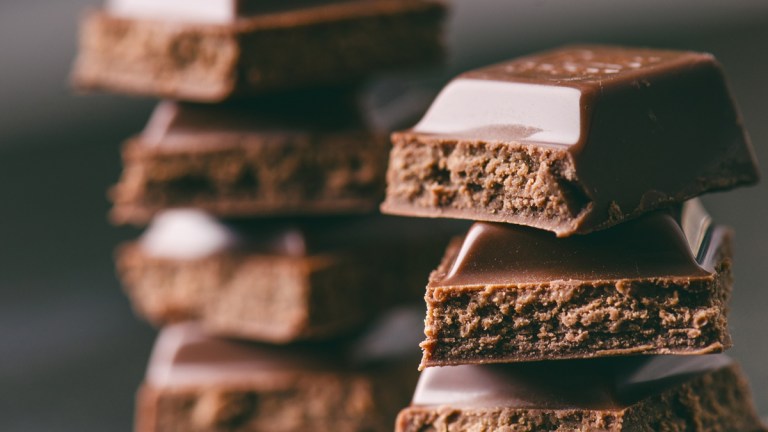
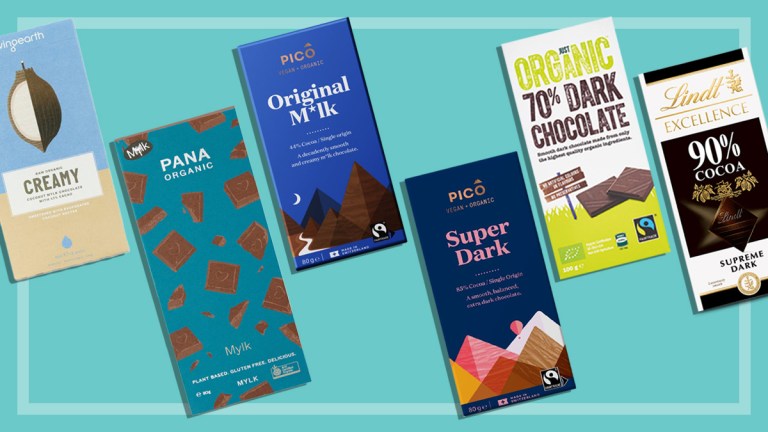
Think of snacking as an opportunity not only to fill your belly, but also to maximise your nutritional gains – something you can’t do with indulgence foods. Indulgence foods include products such as chocolate, cakes, high-fat biscuits, processed foods in large portion sizes, or anything you would normally reserve for a dessert or treat. If you know the difference between the two, you’ll be better equipped to fuel your body sensibly and keep your waistline slim.
Tips for smart snacking
1. Make fruit or yogurt your first choice.
2. Stick to smaller portion sizes of packaged snacks.
3. Watch the saturated fat and sugar content.
4. Choose snacks with <600kJ per serve.
5. Aim for a snack with fibre or combine an small pre-packaged snack with a piece of fruit.
6. Eat whole foods – look for shorter ingredients list and fewer additives.
26 Jun 2009
|
They rarely rate a mention on the label, but the trans fats hidden in many processed foods are worse for your health than saturated fats.
23 Mar 2009
|
Make a cake at home and you'll probably use about six ingredients. Look at the ingredients list on a supermarket cake and you might find 40 or more.
20 Jan 2011
|
CHOICE looks at problematic myths and misconceptions, as identified by our in-house experts and a survey of professionals.
21 Dec 2009
|
Read these long-held misconceptions about everything from diet and exercise, to air travel and antioxidants.