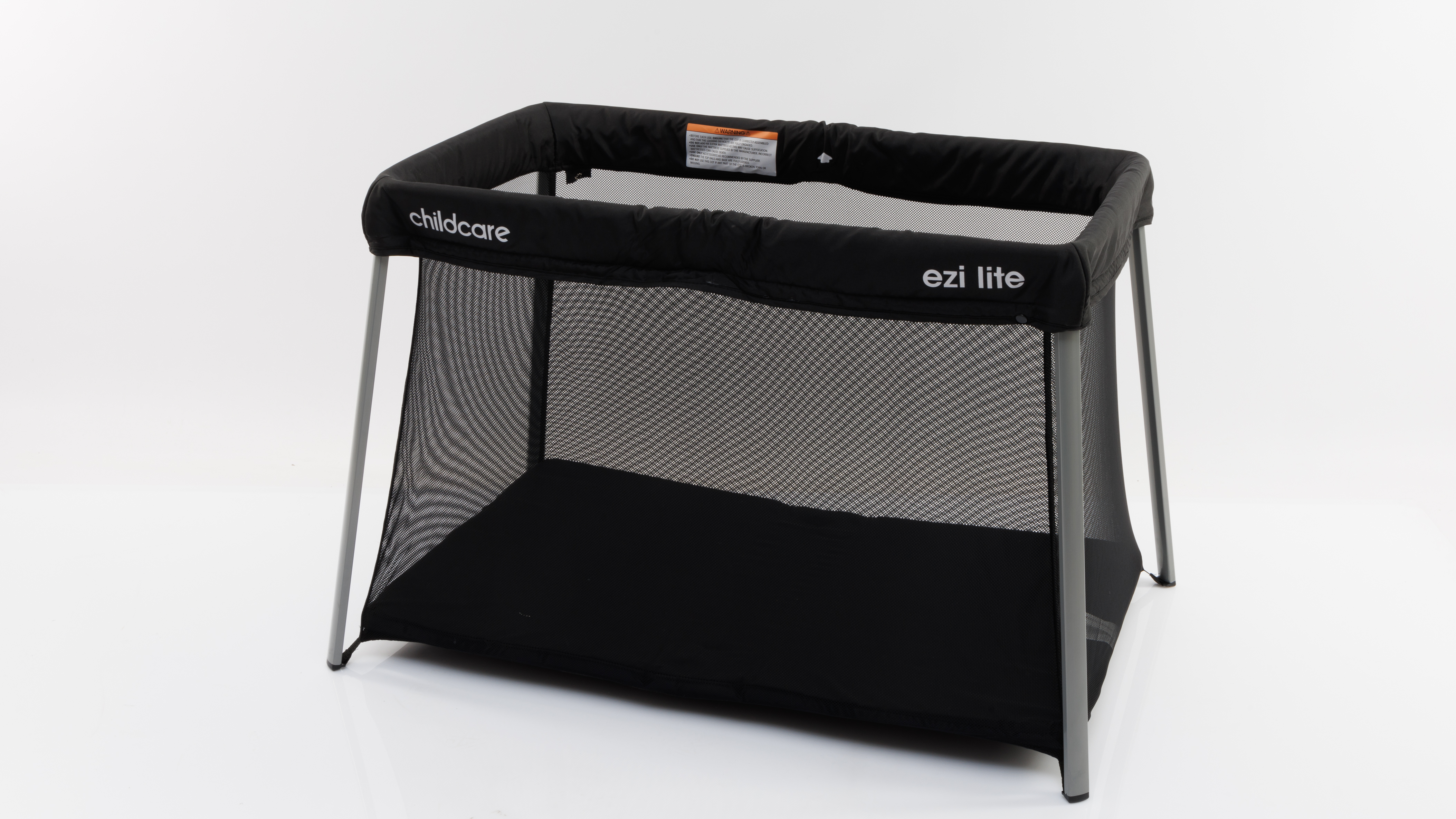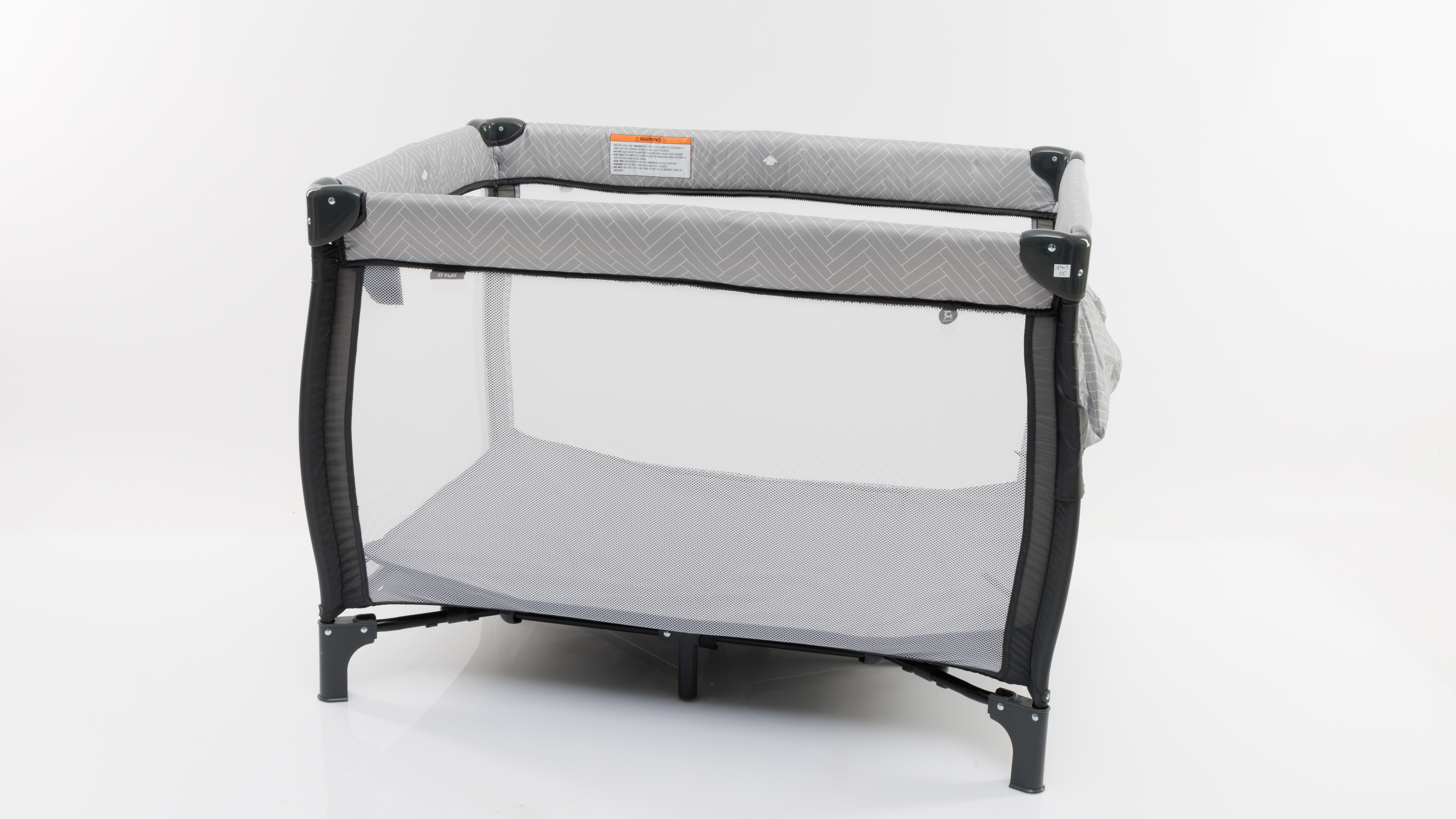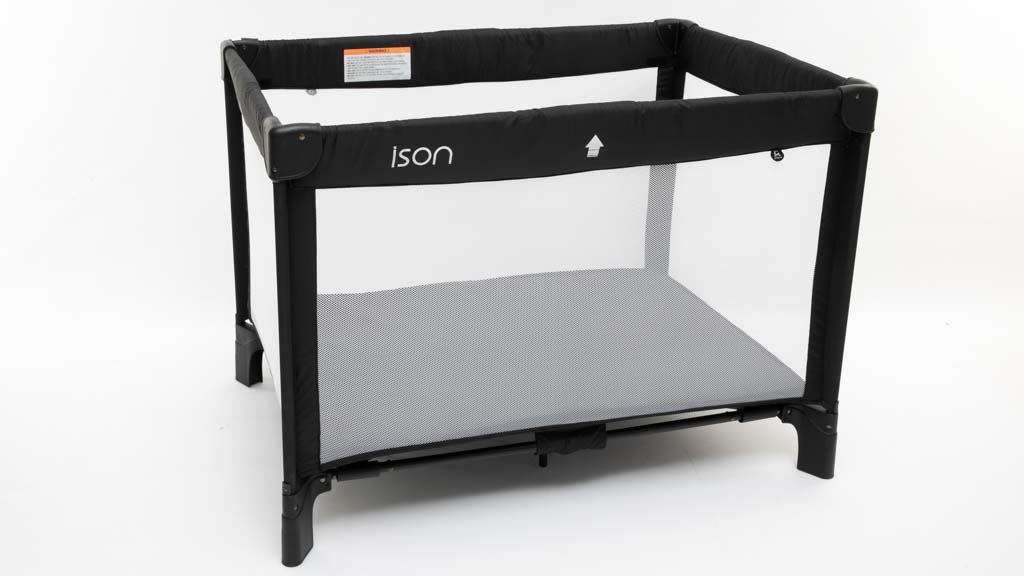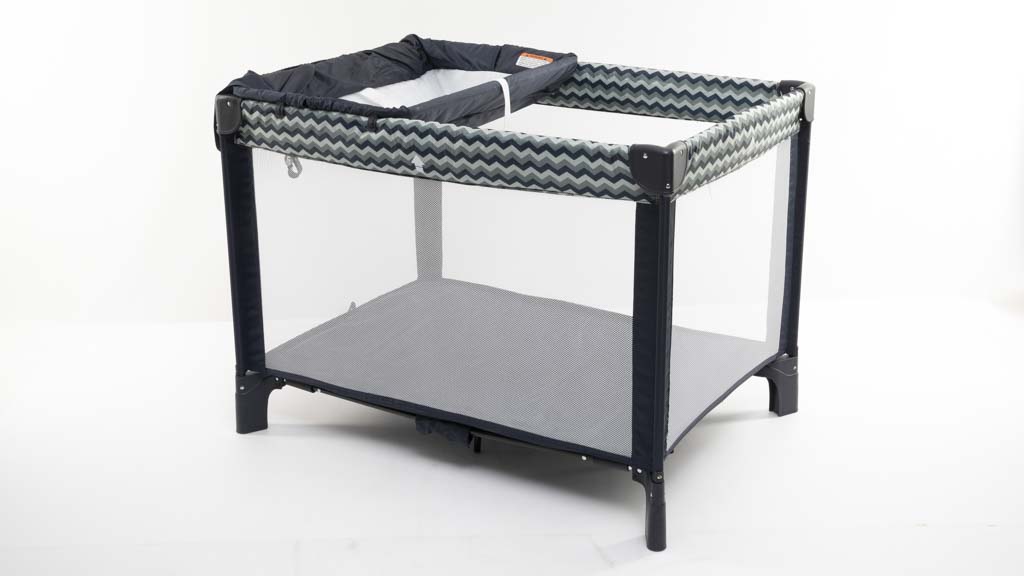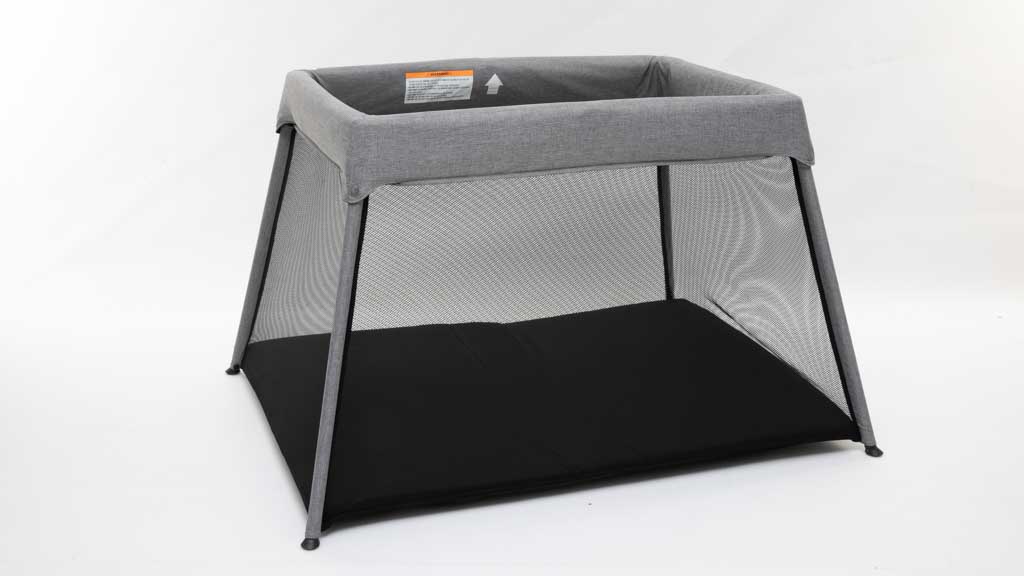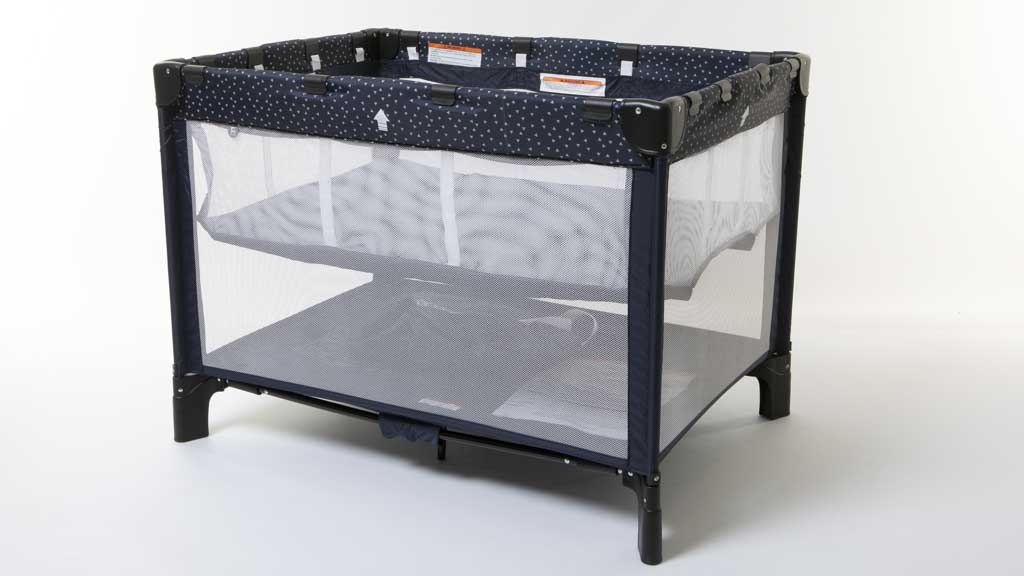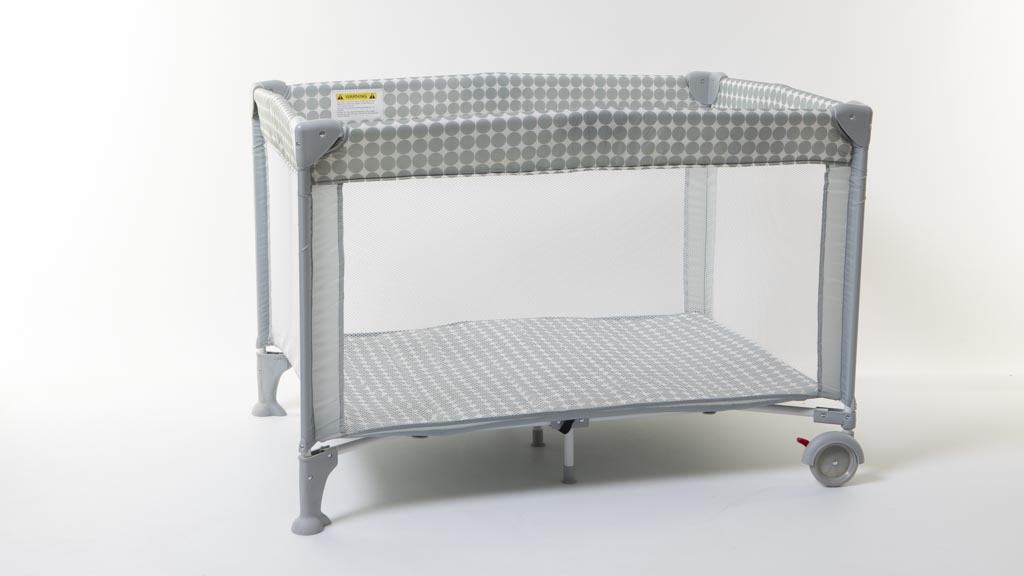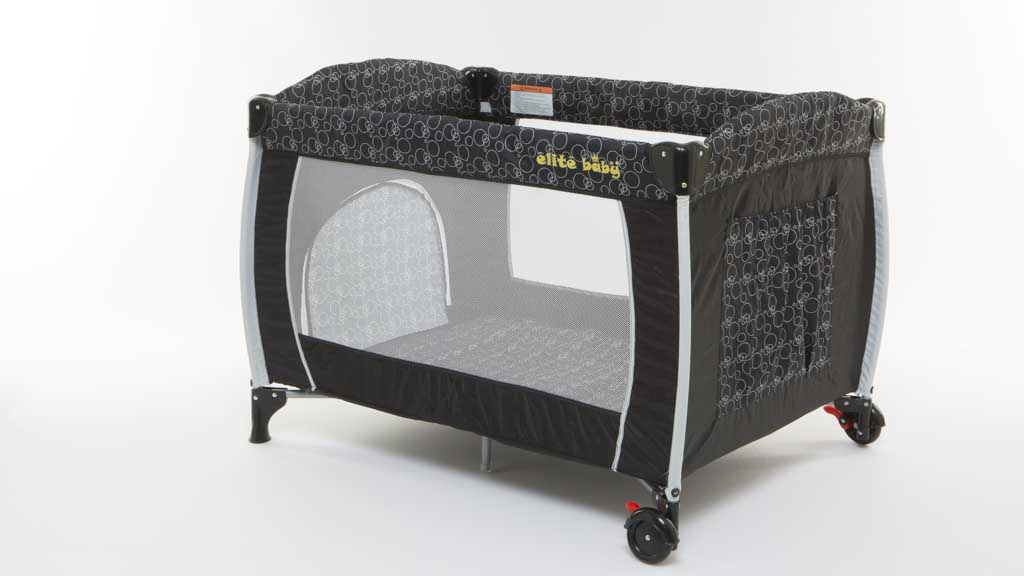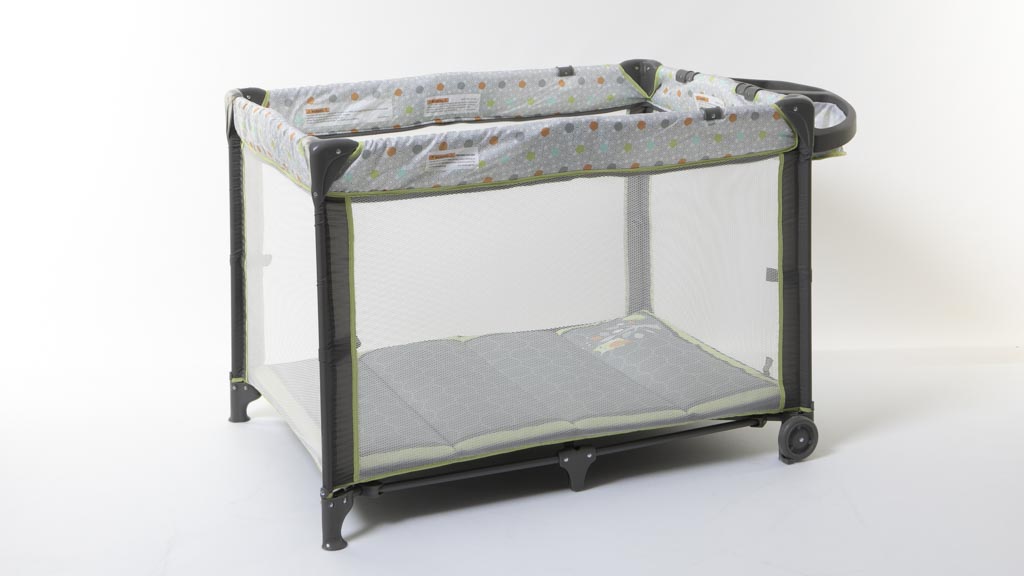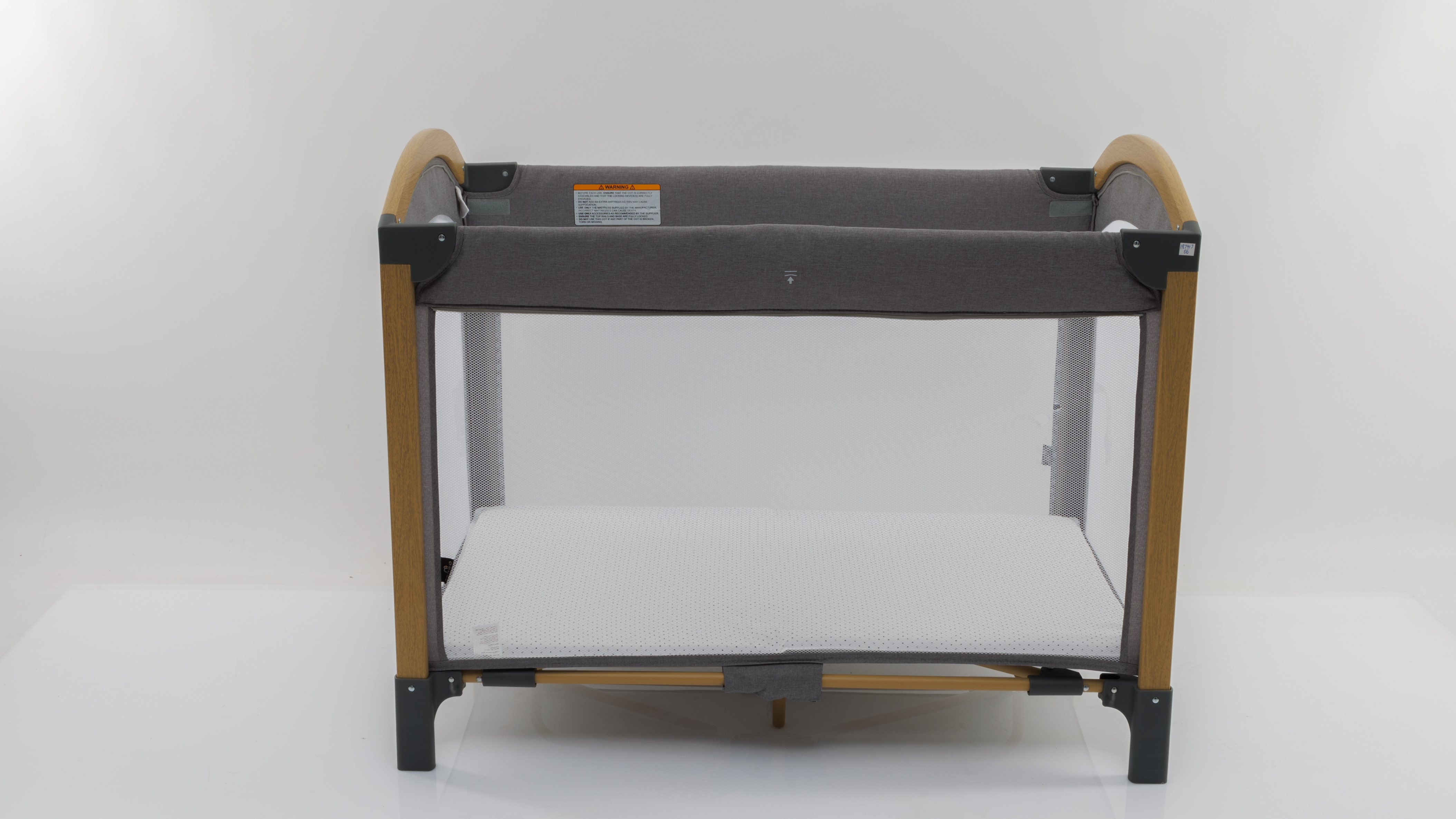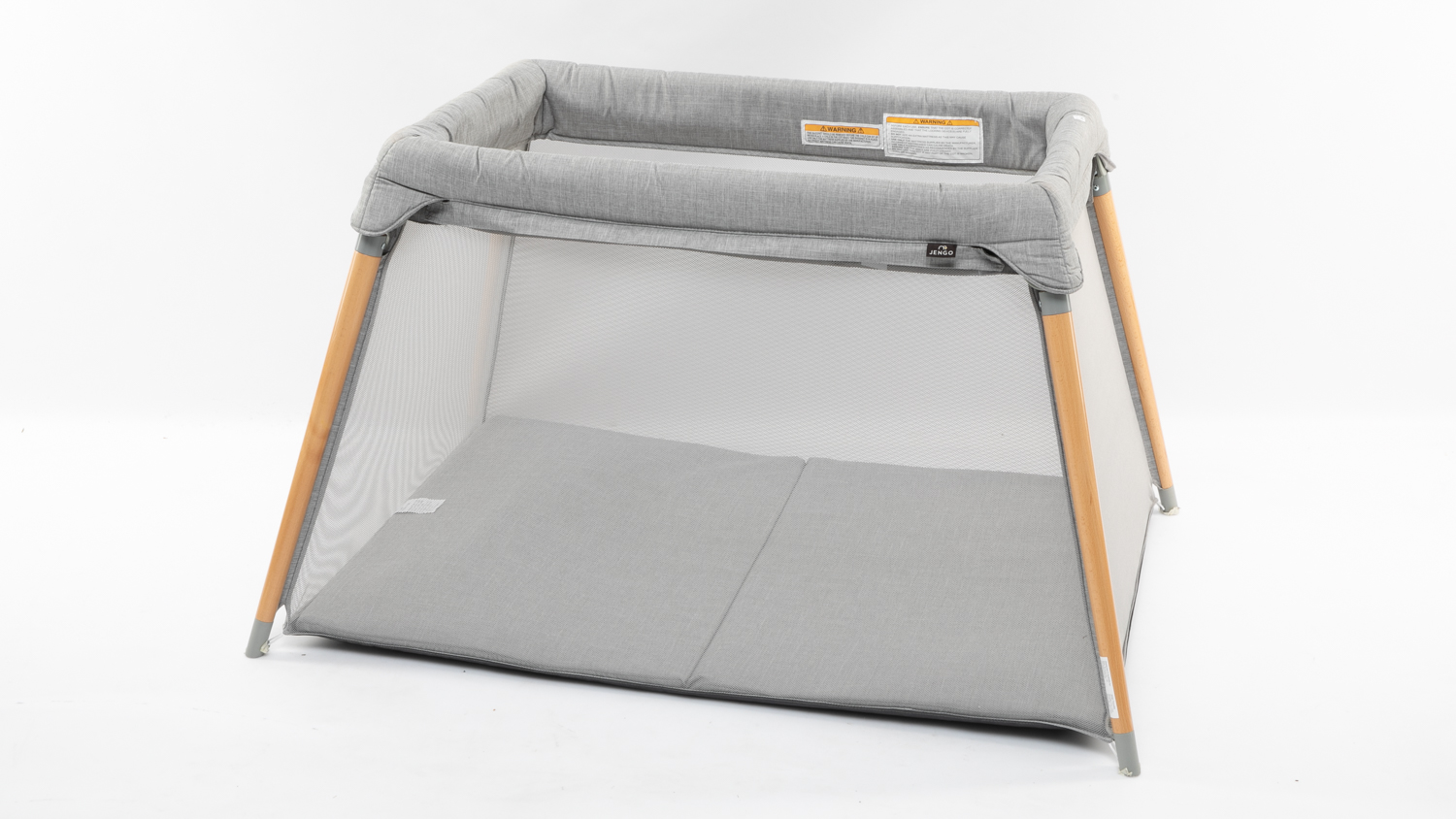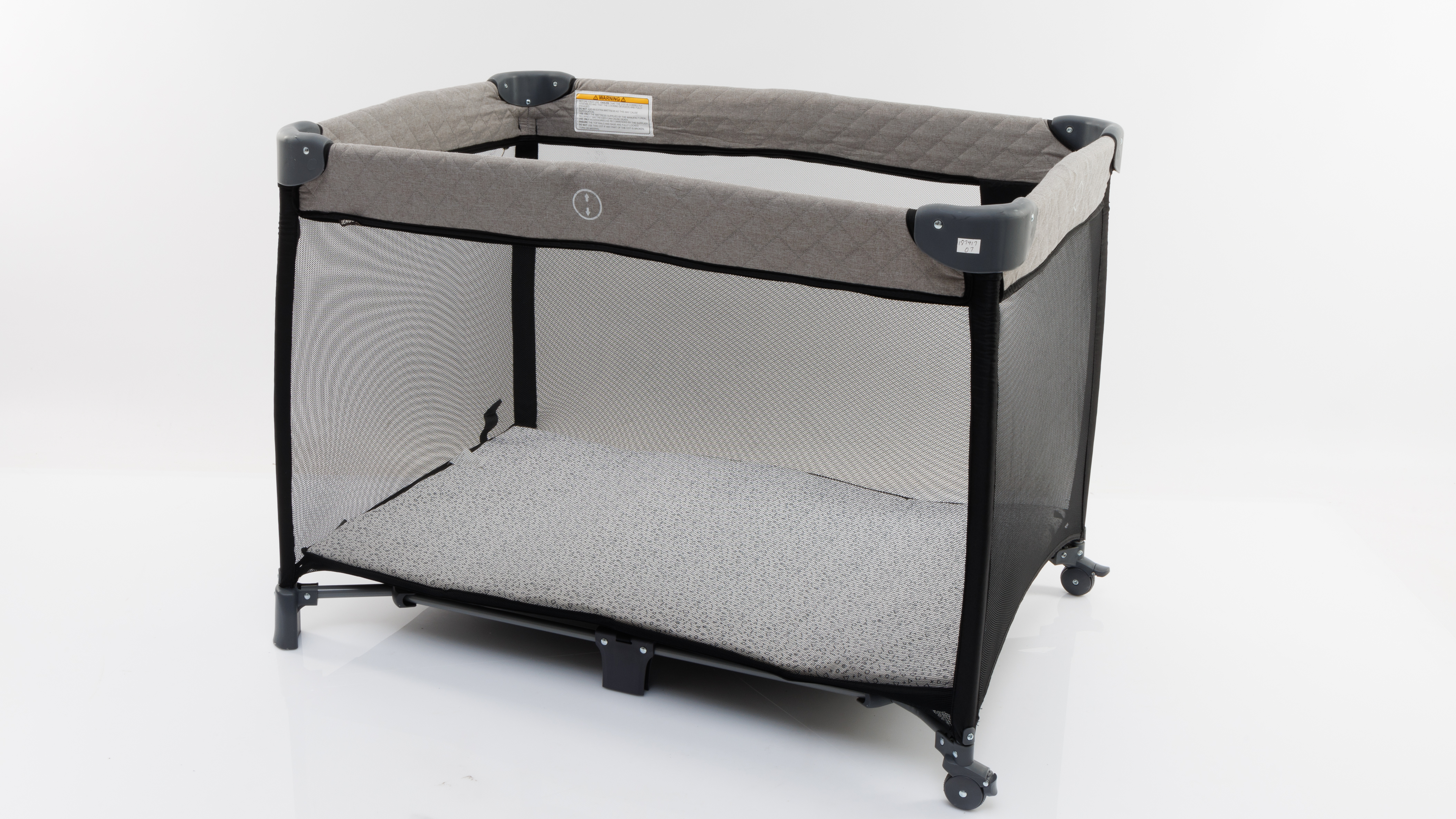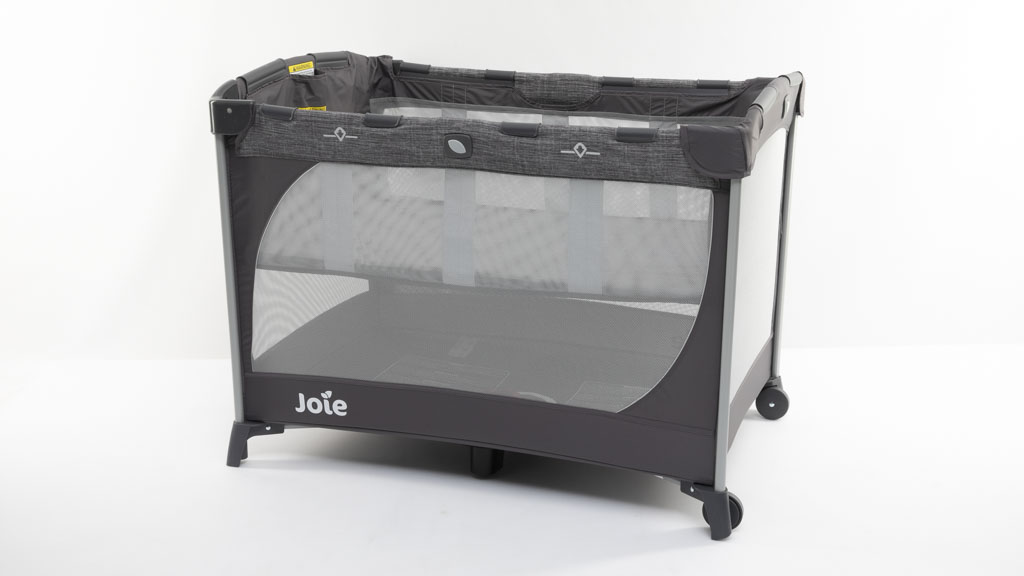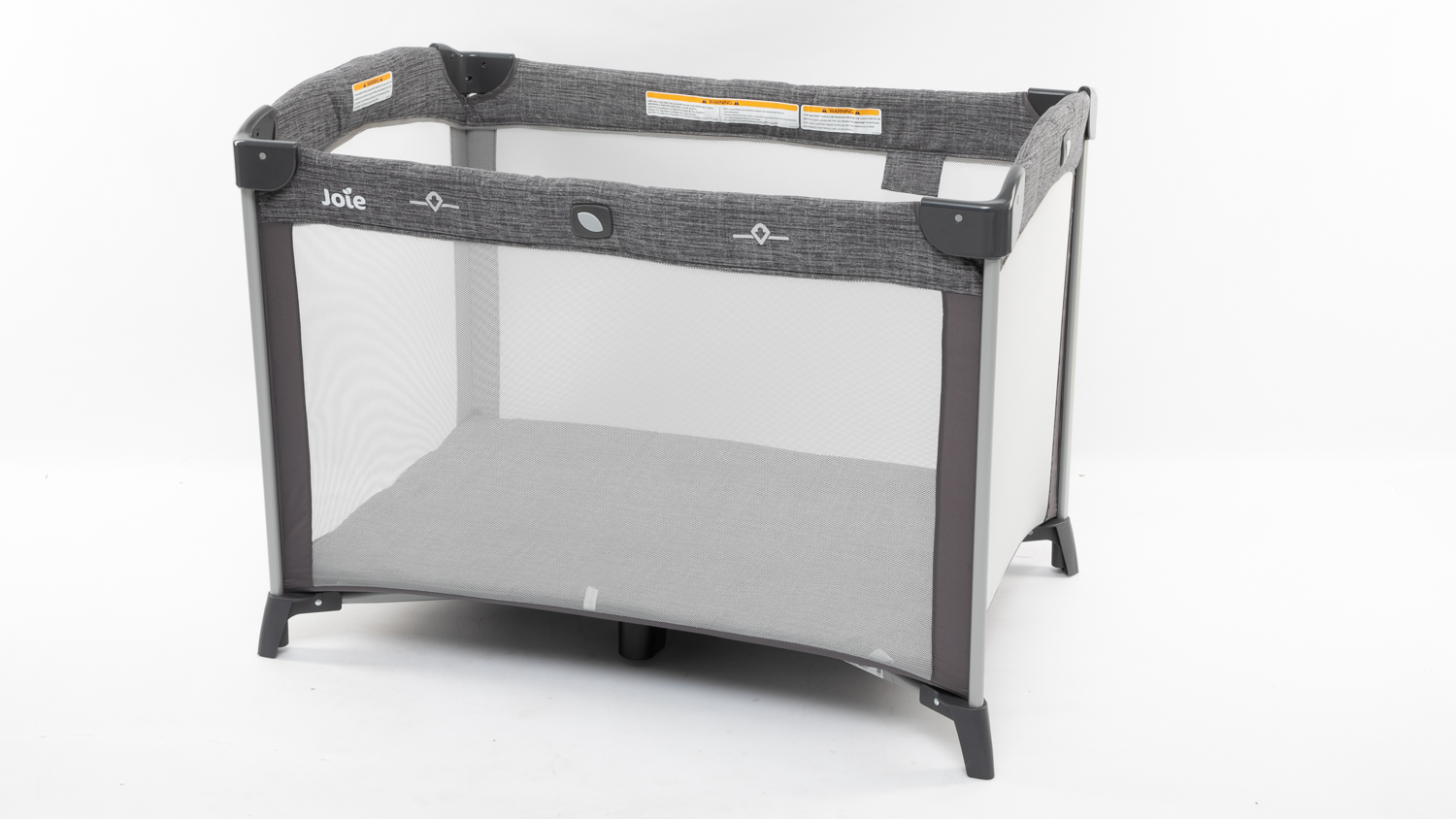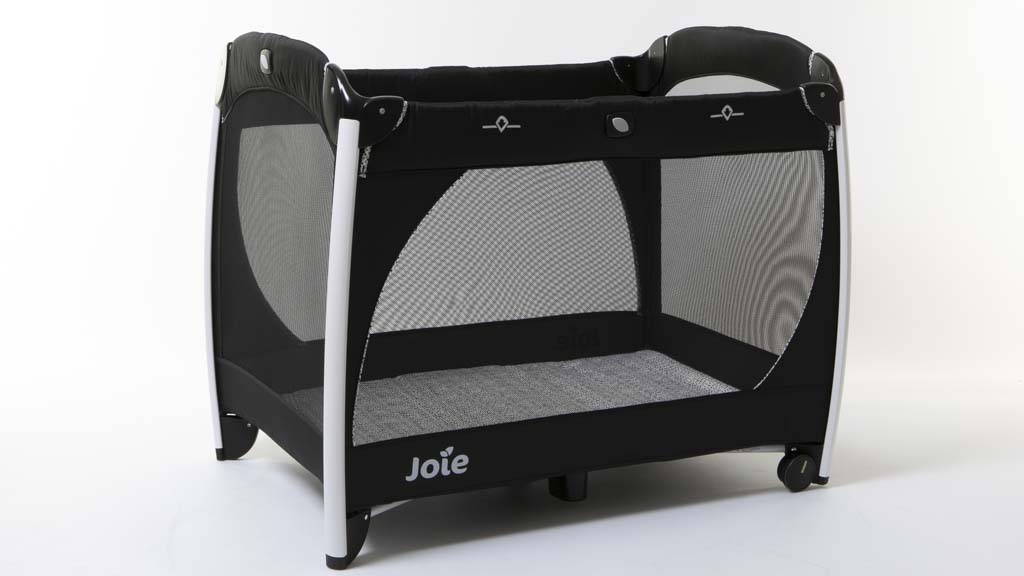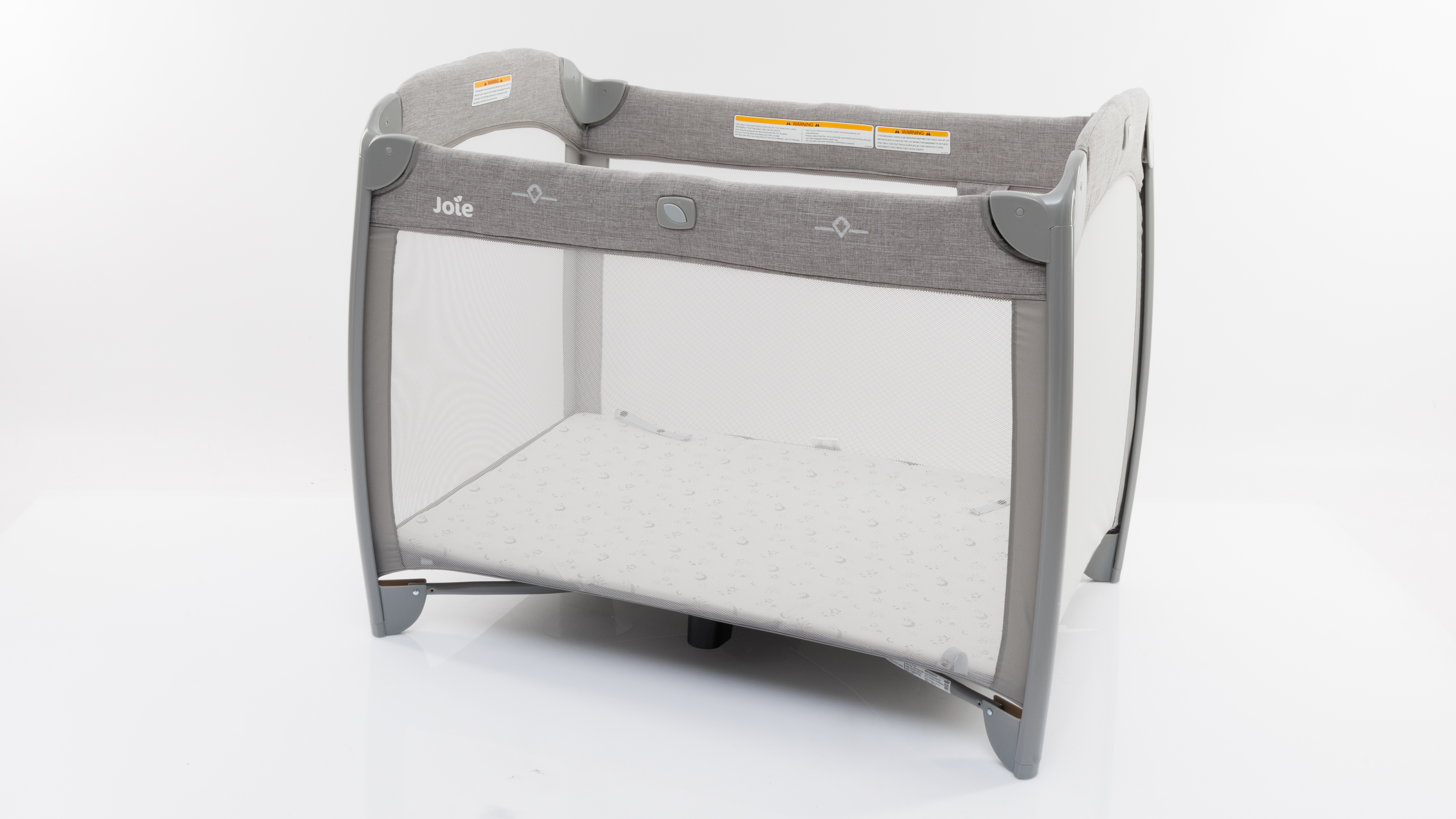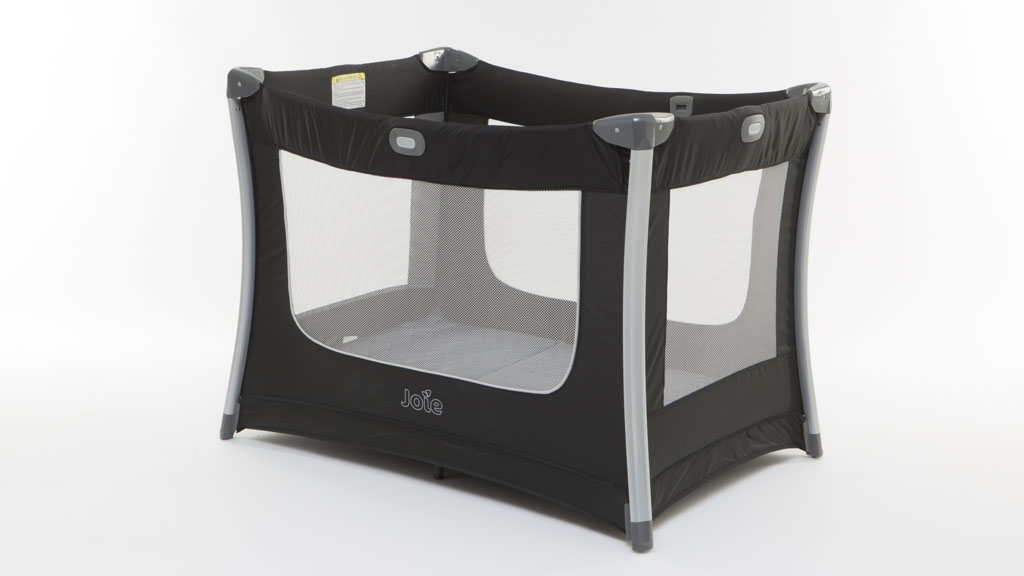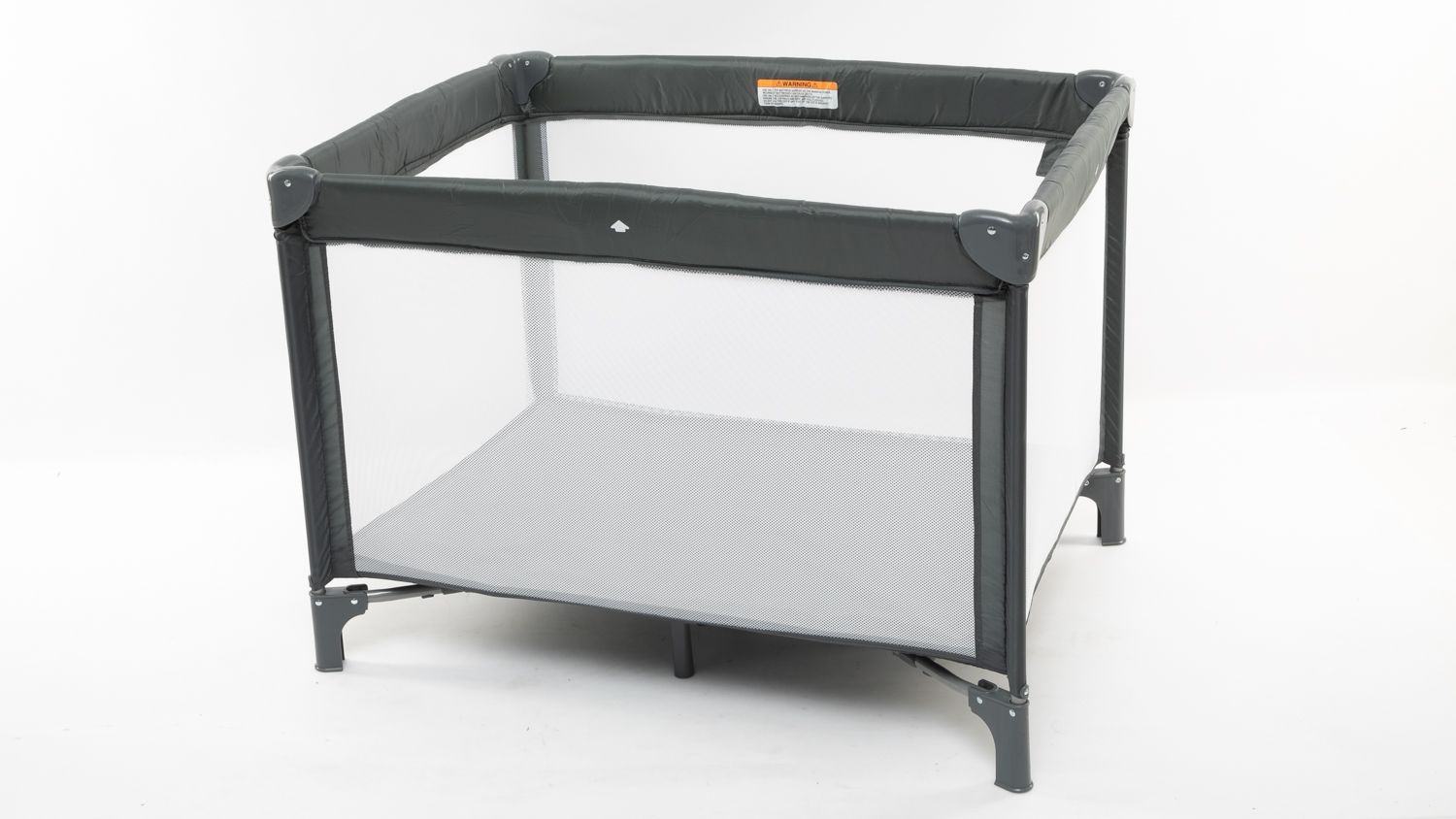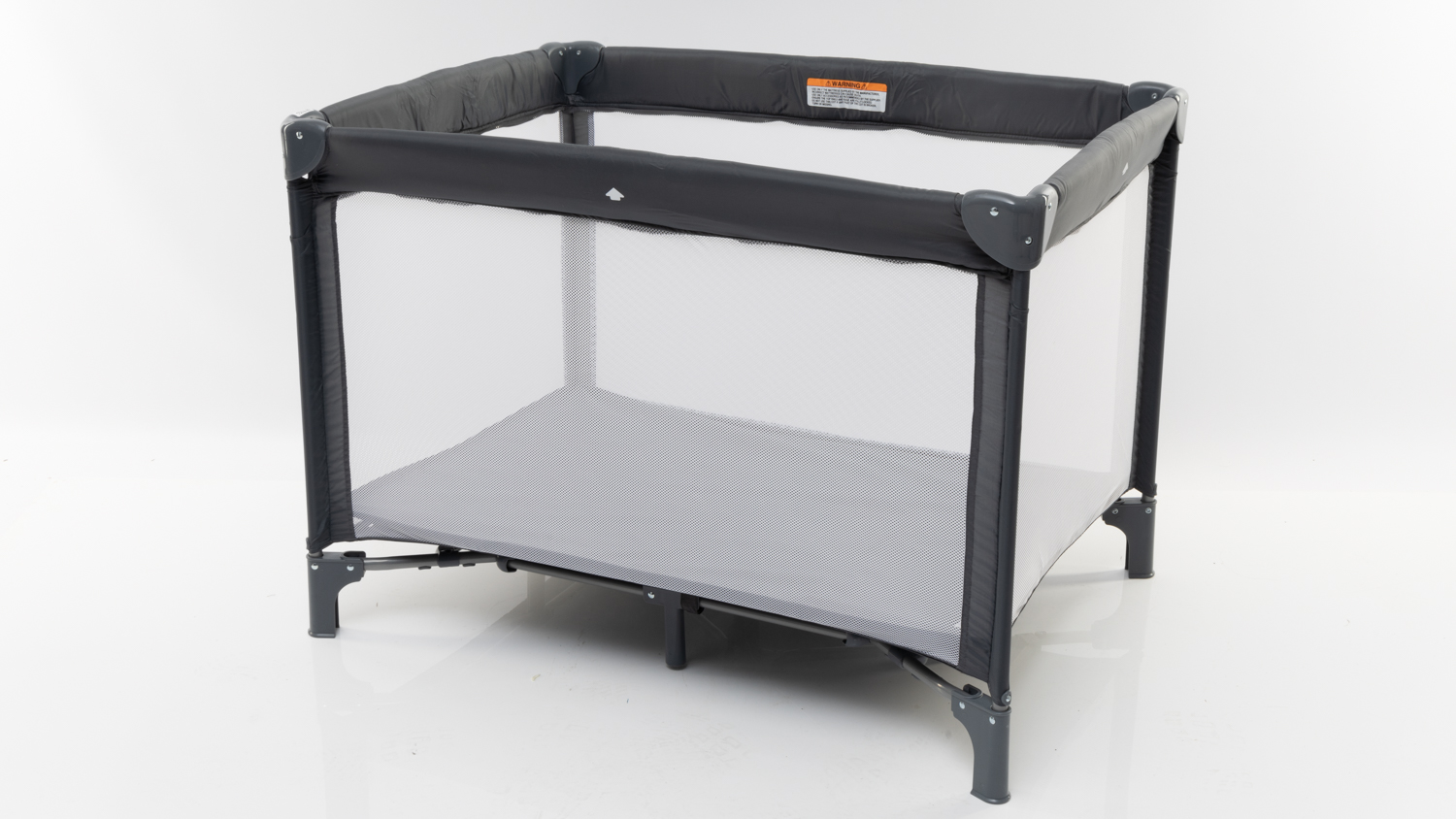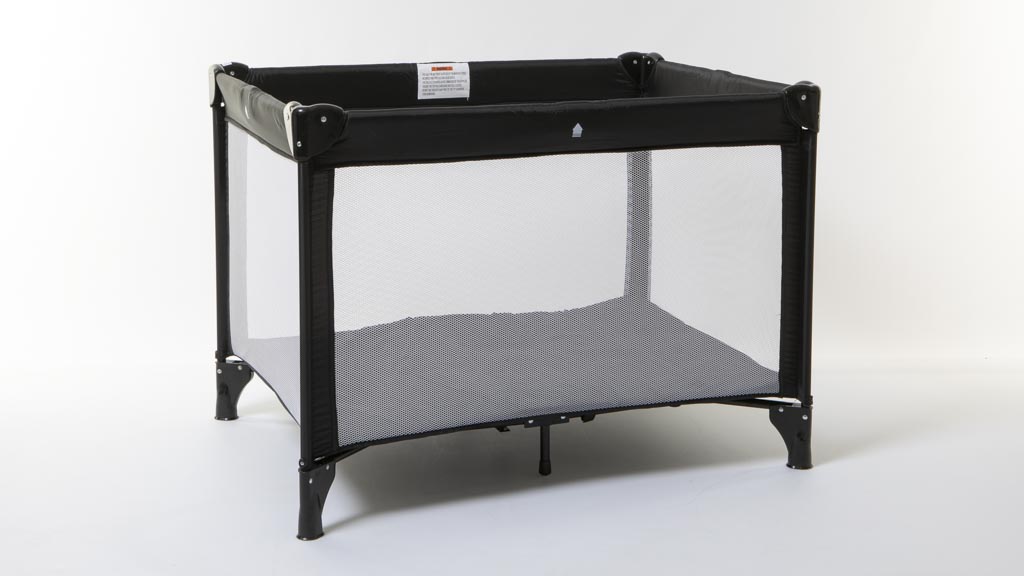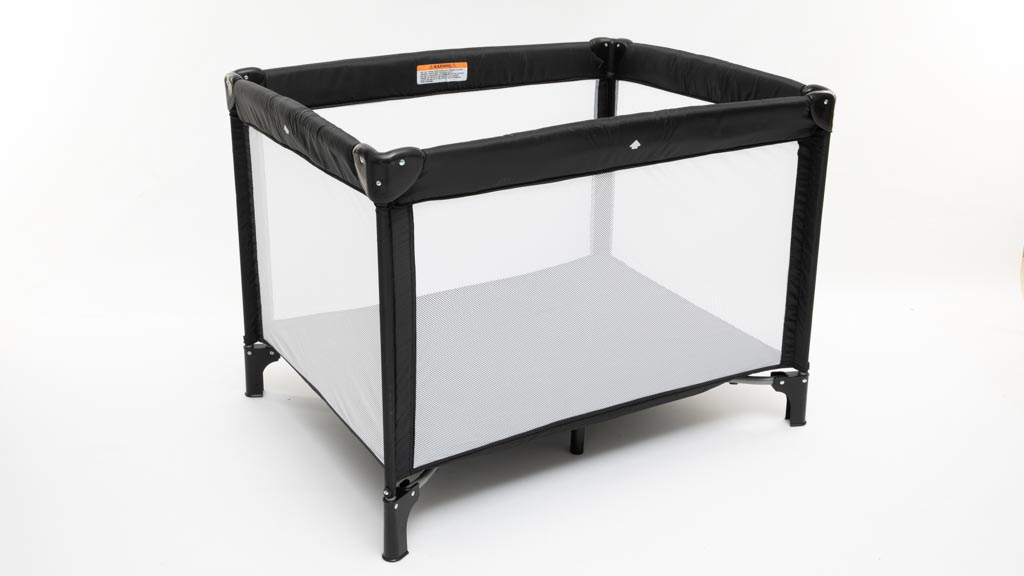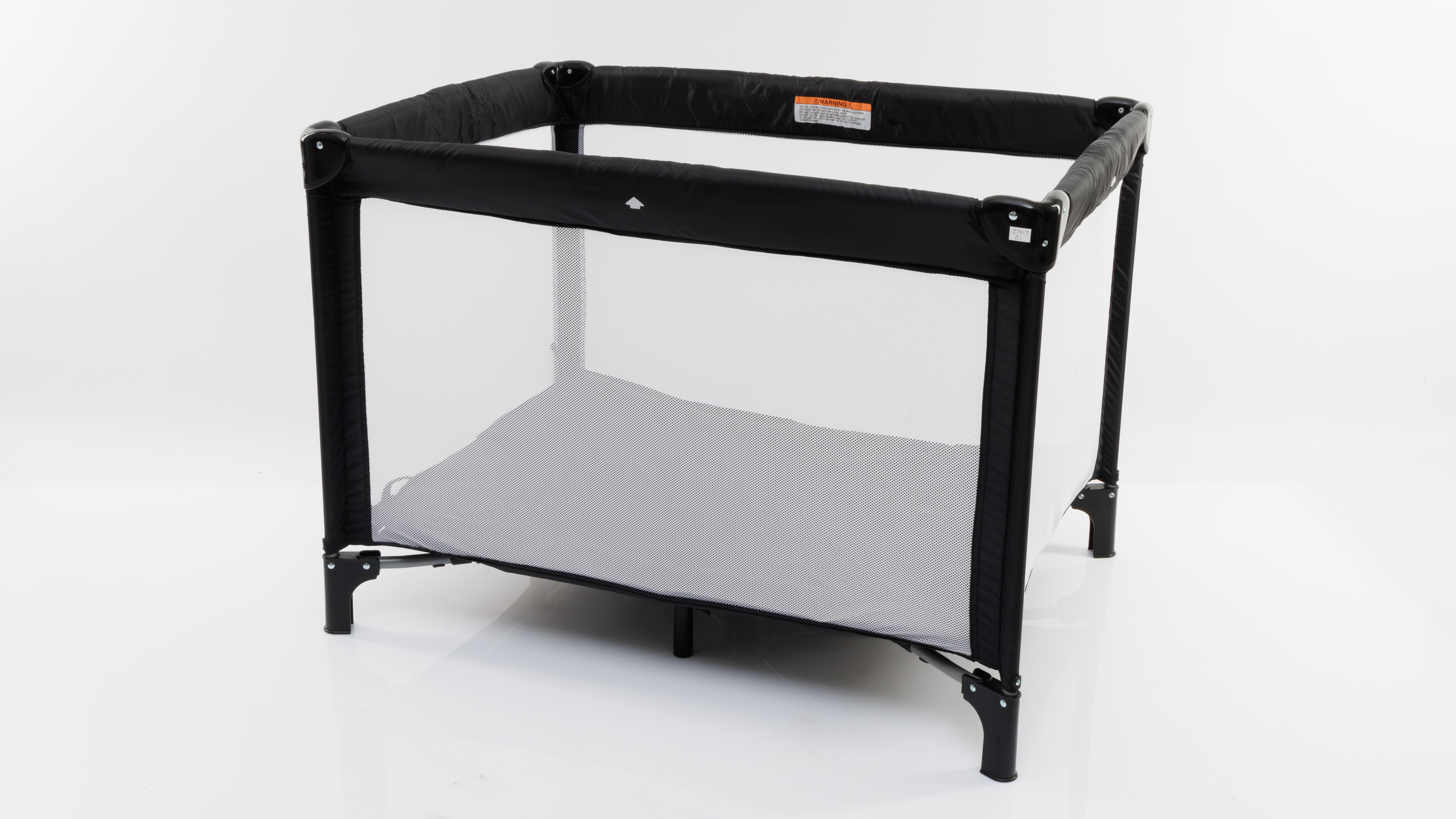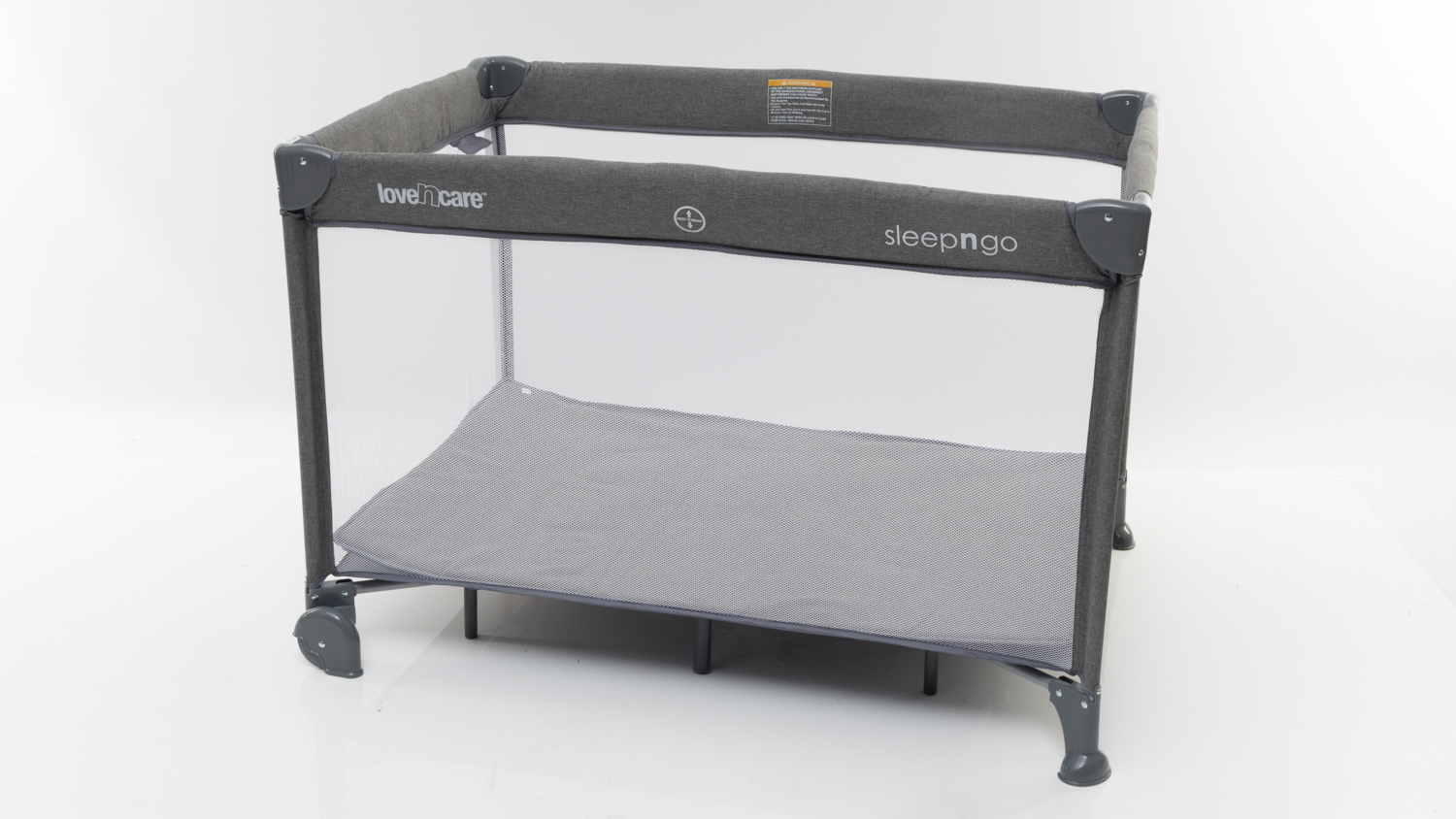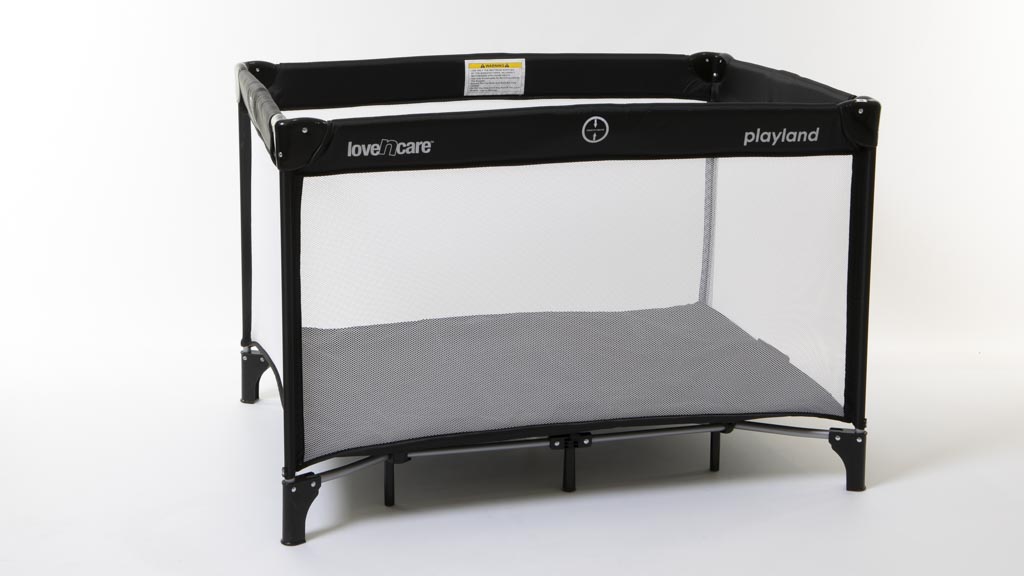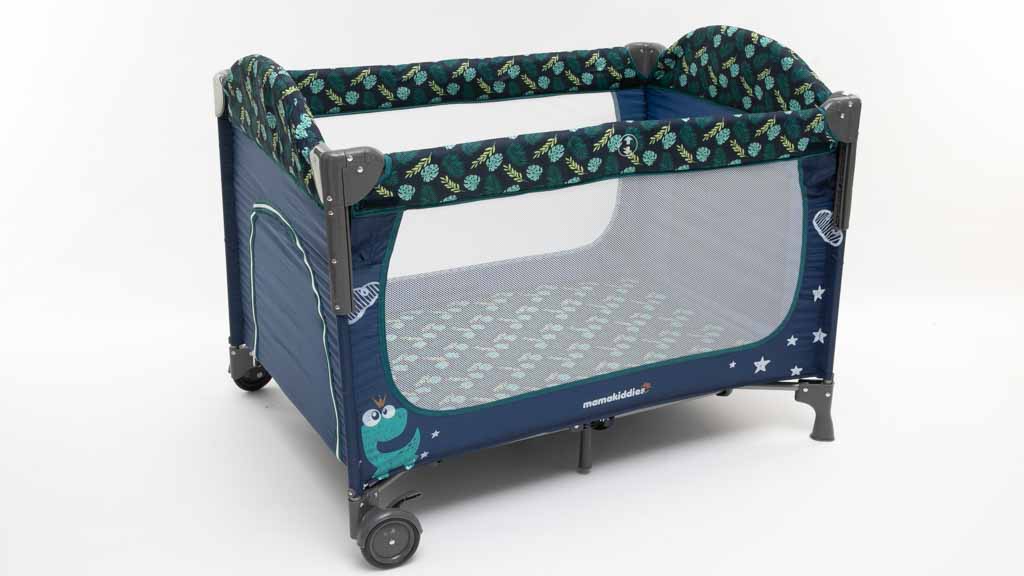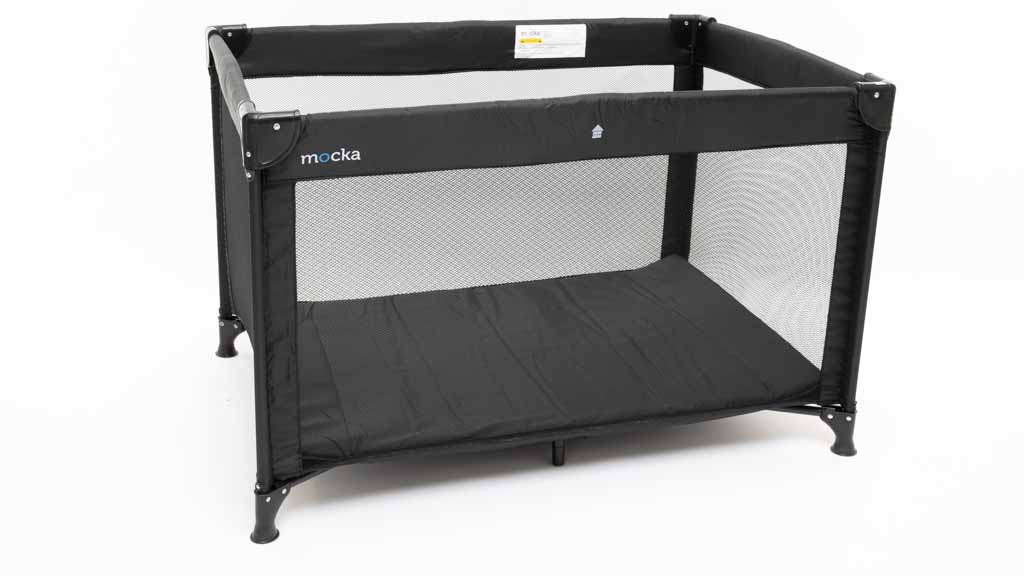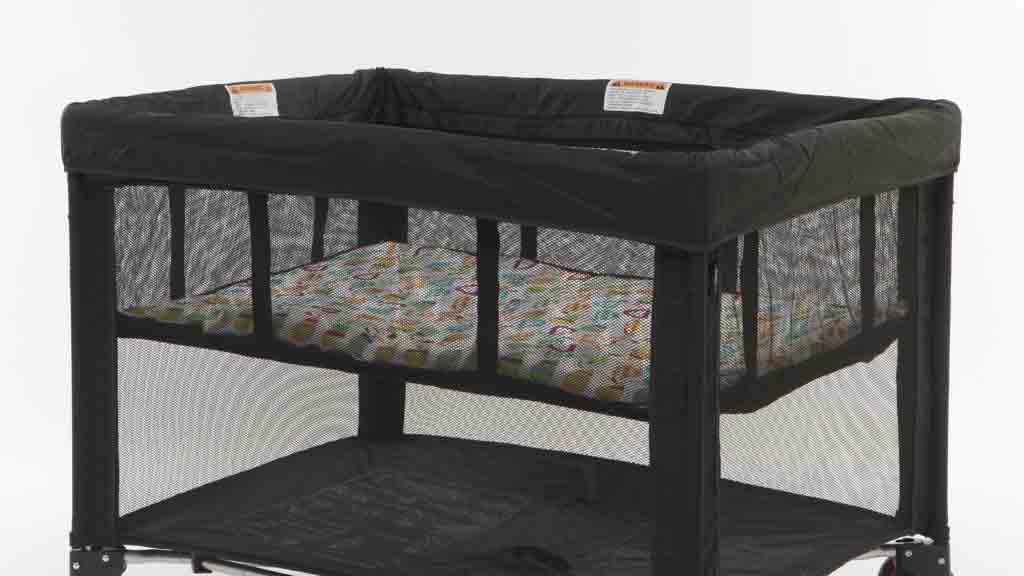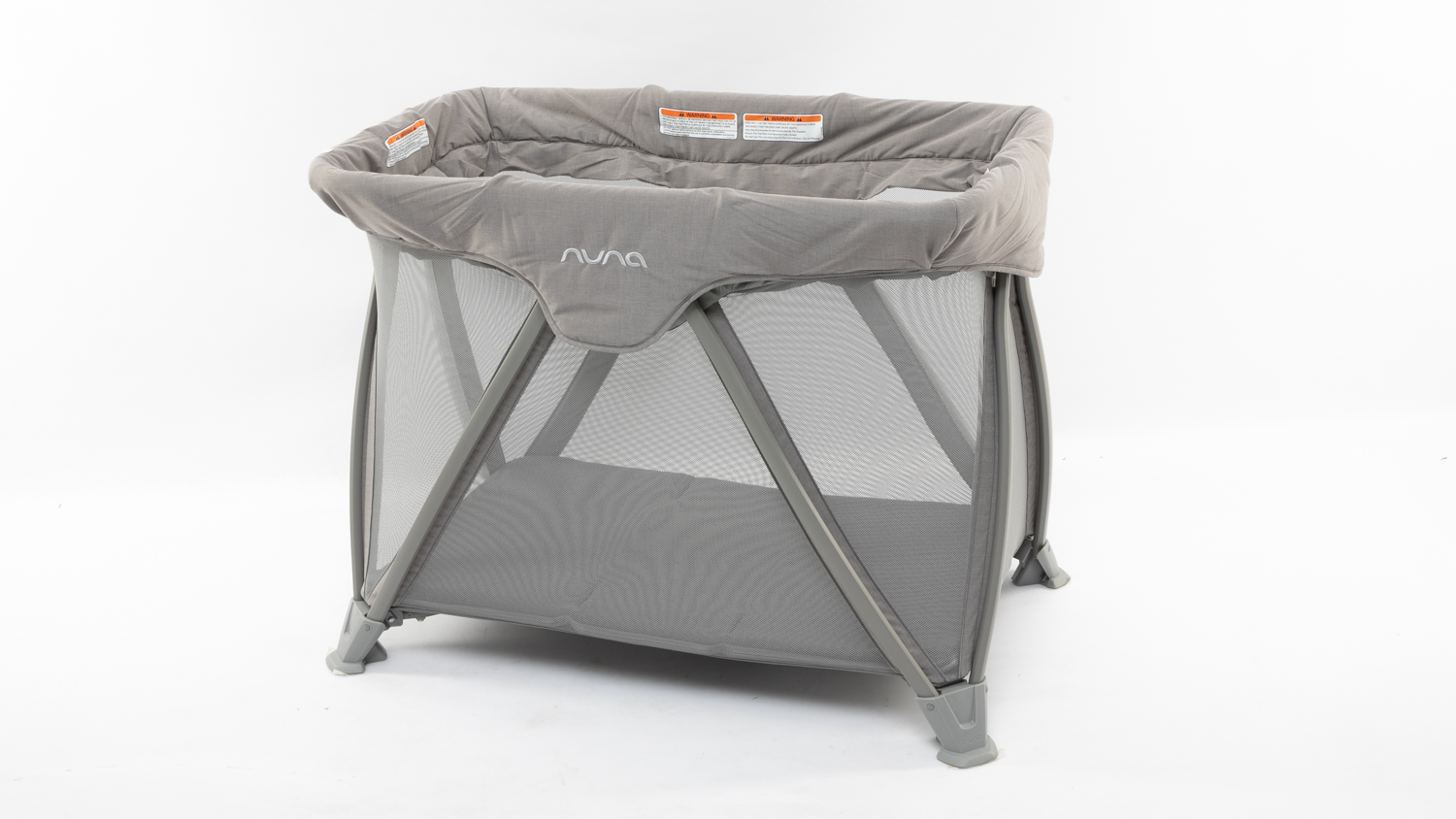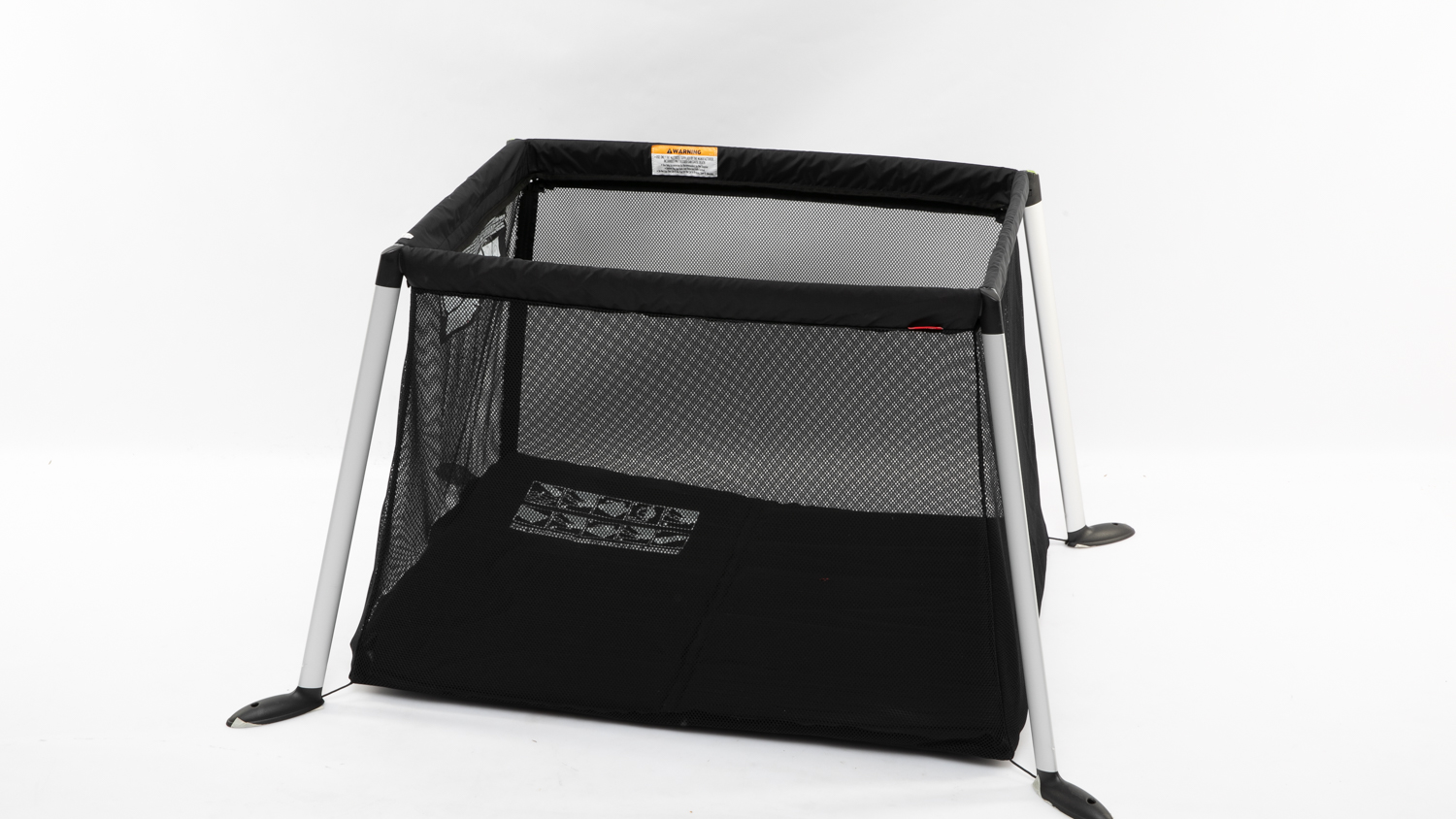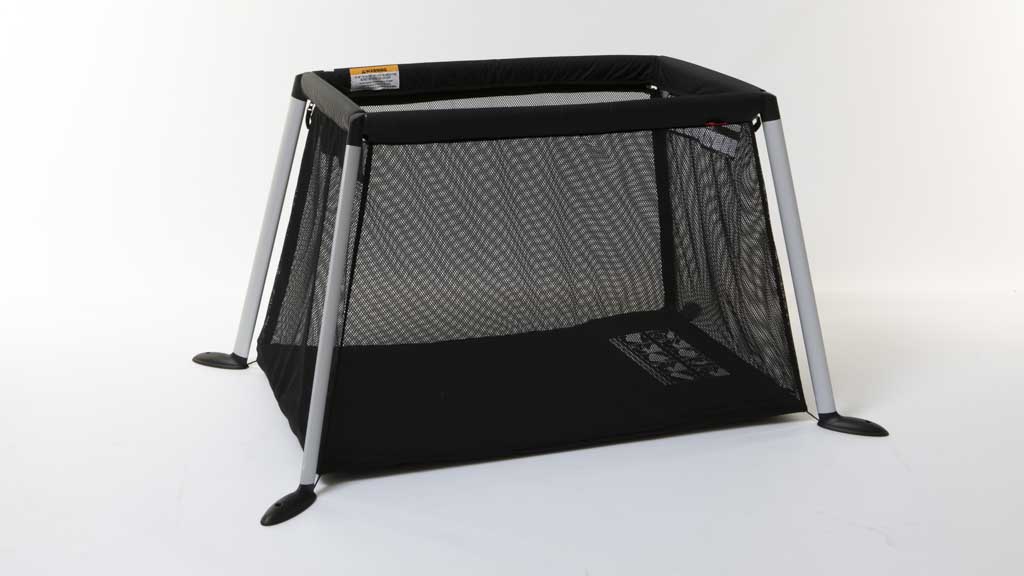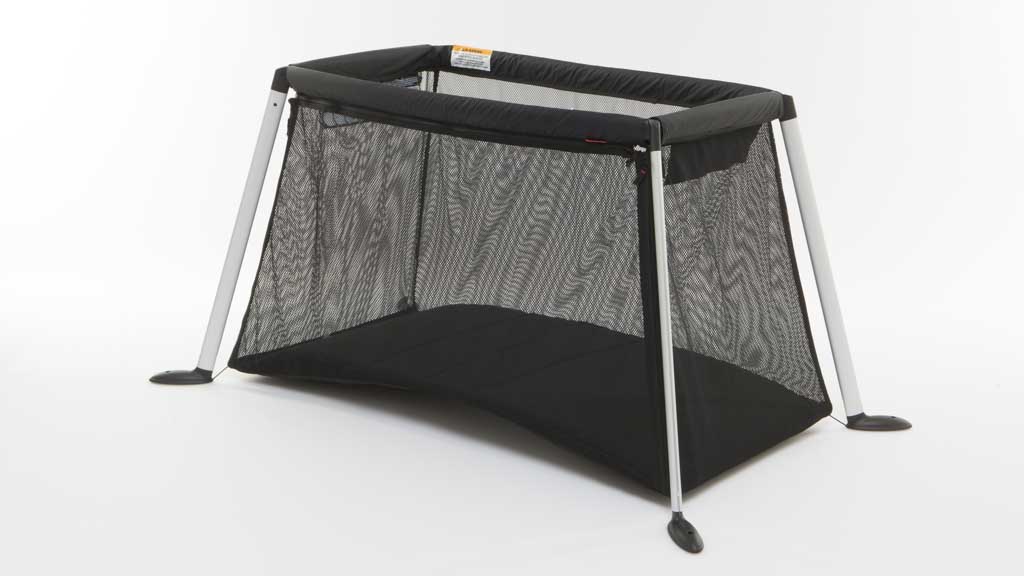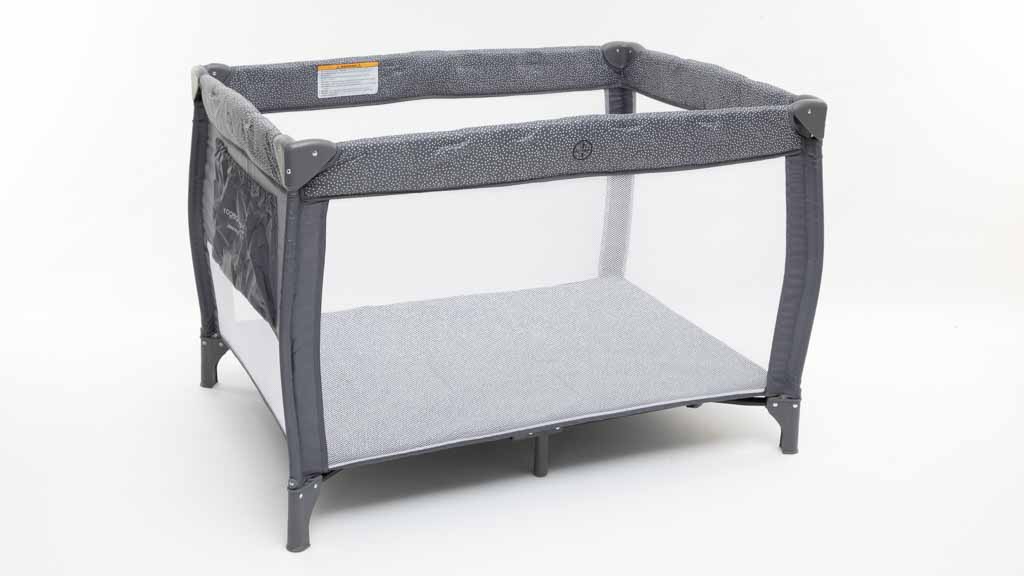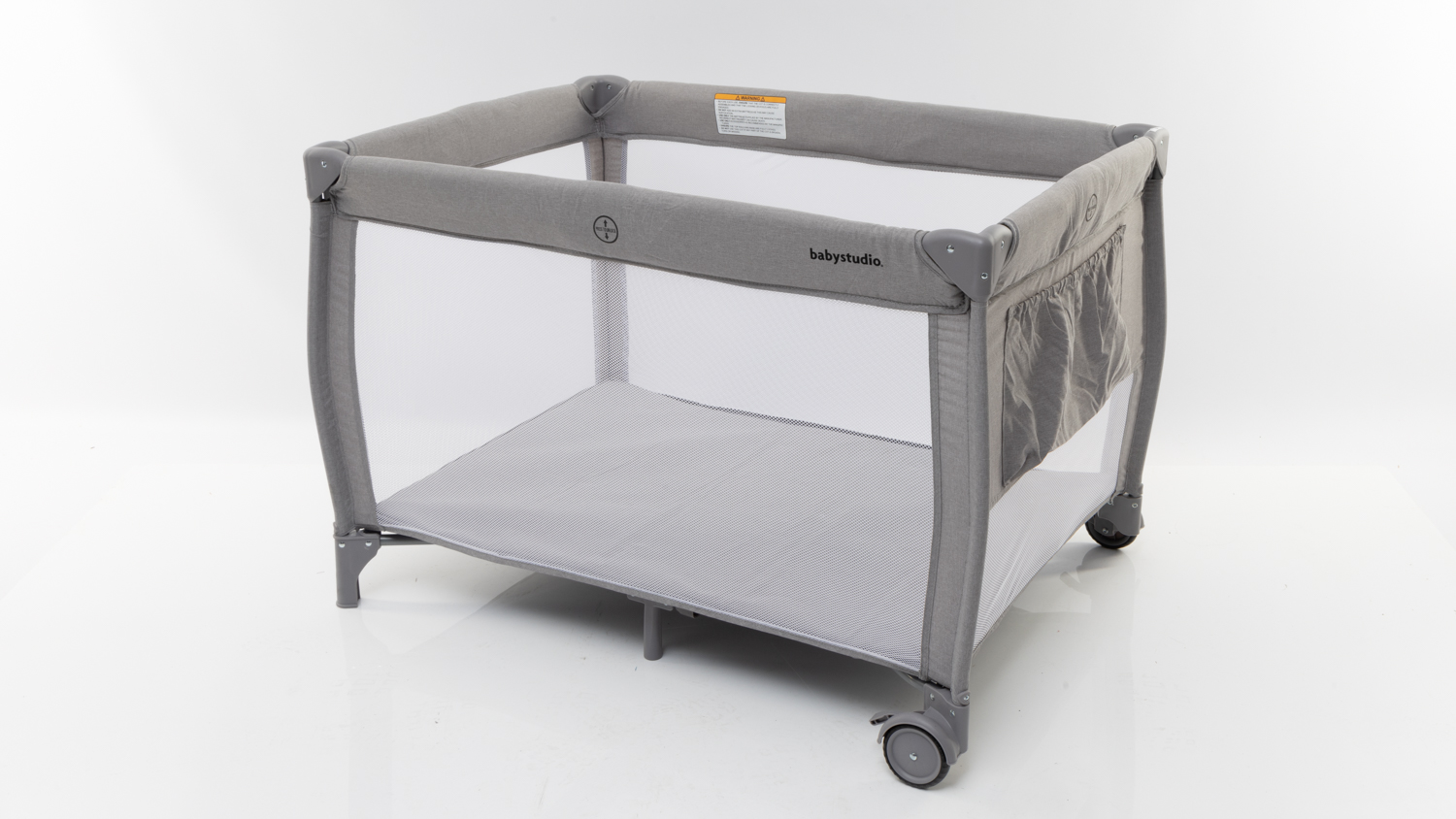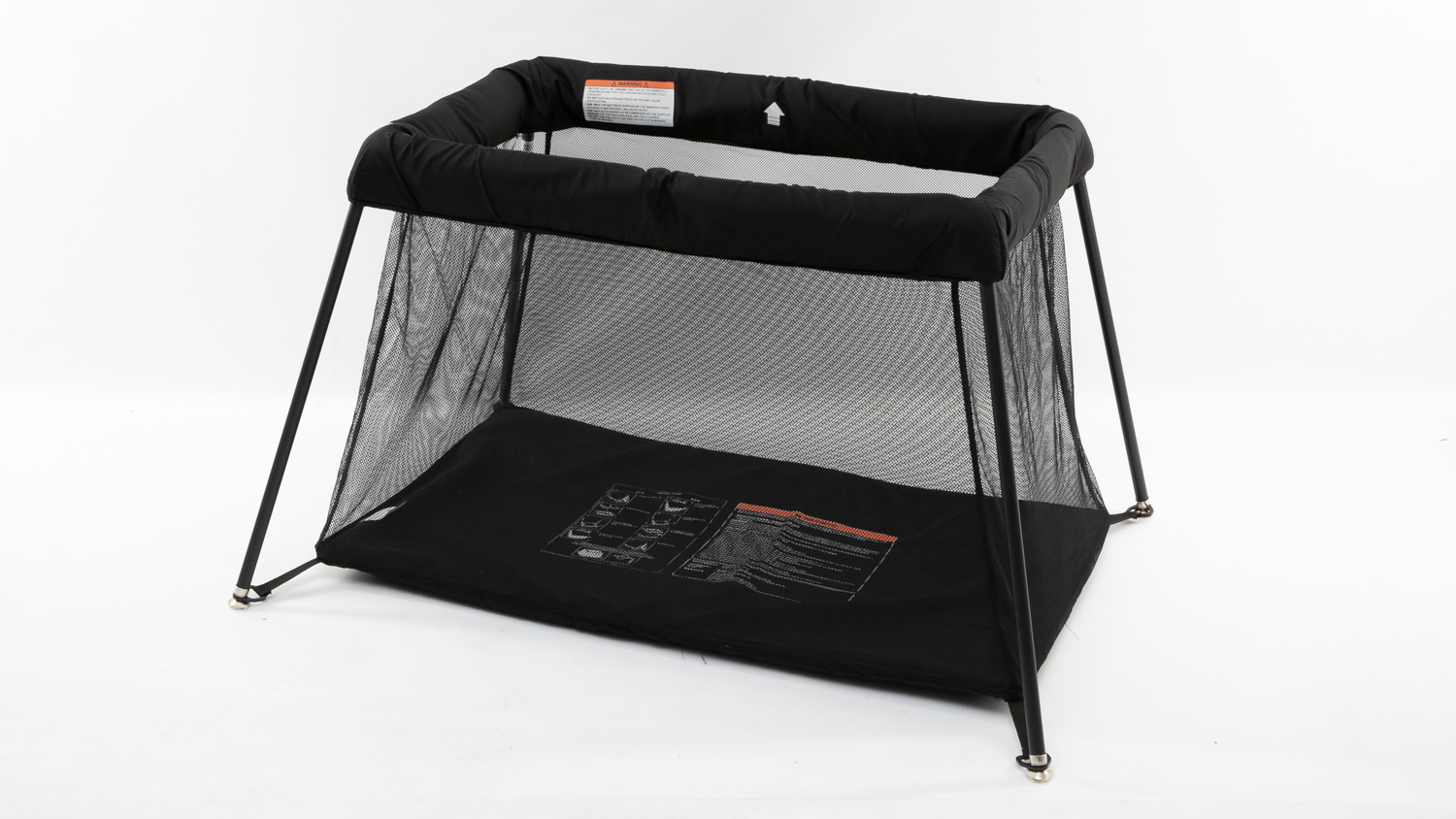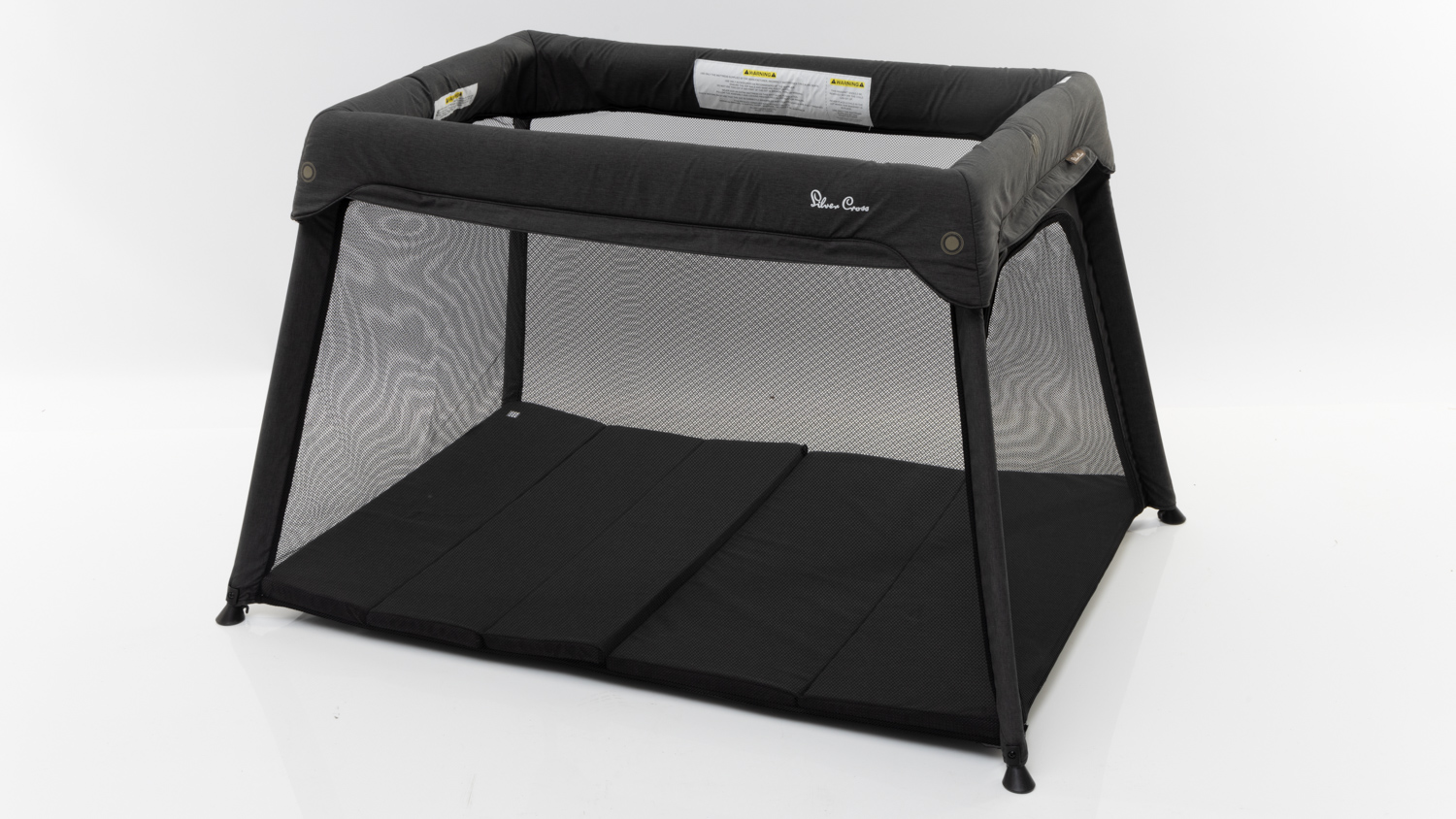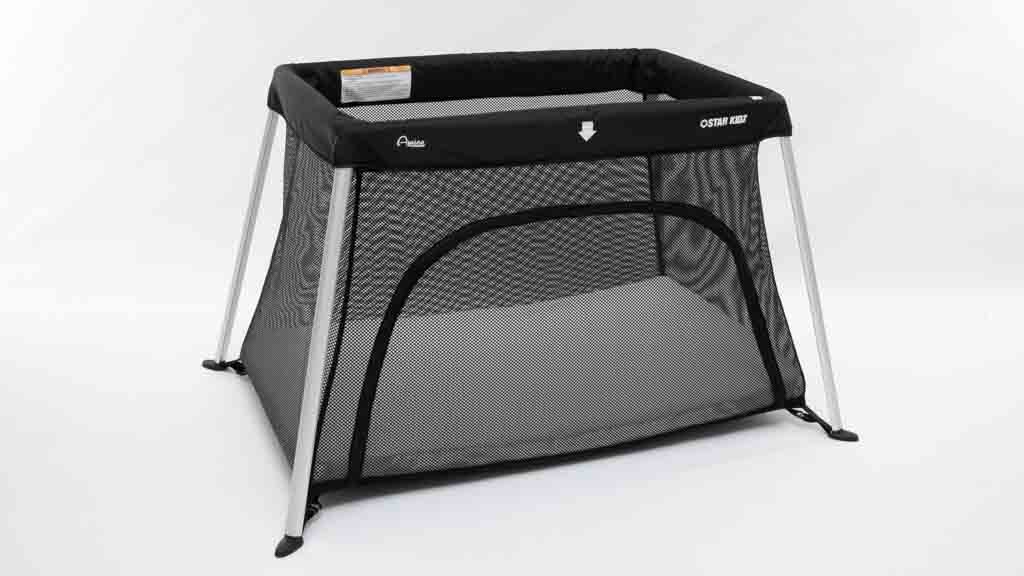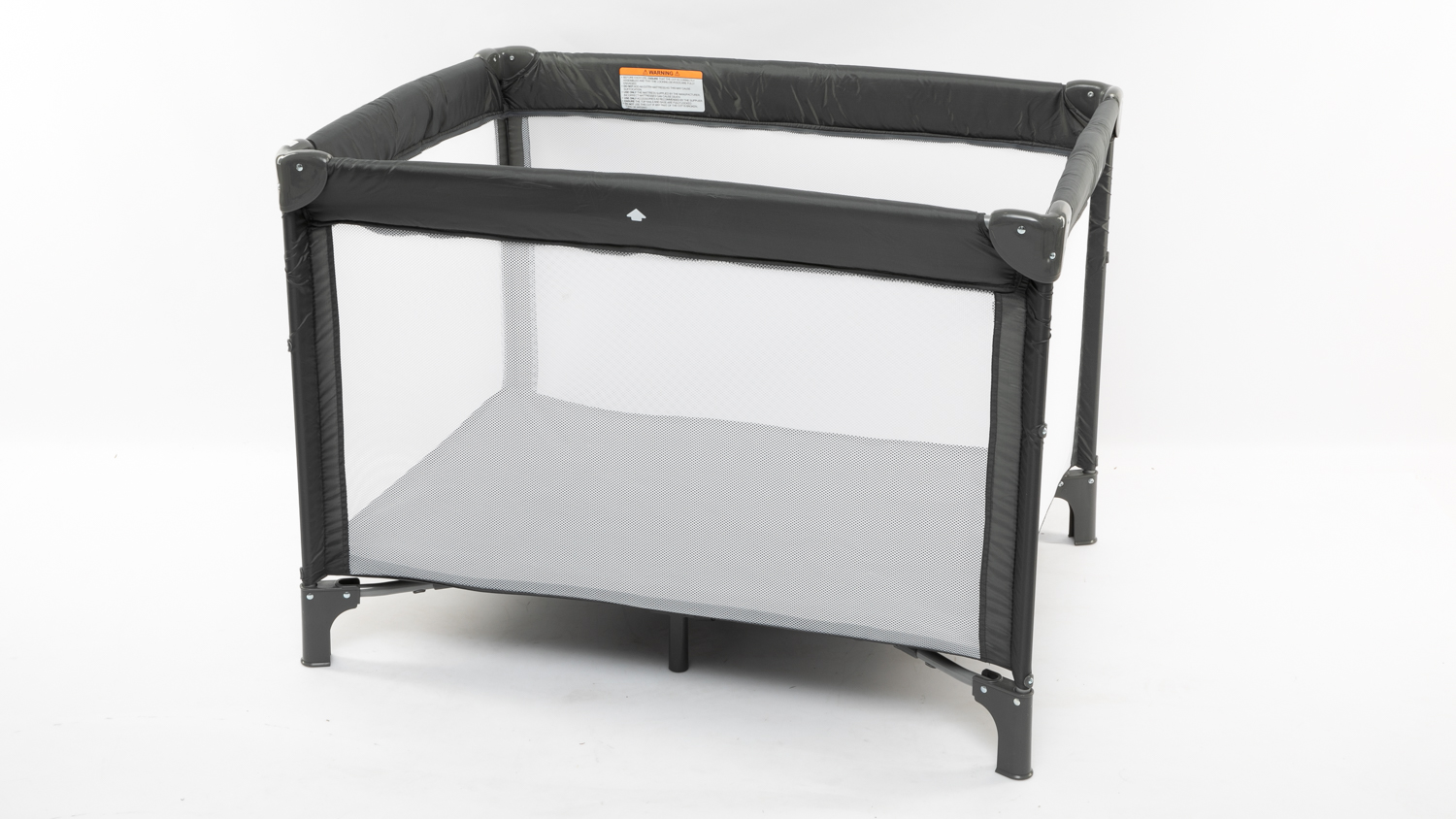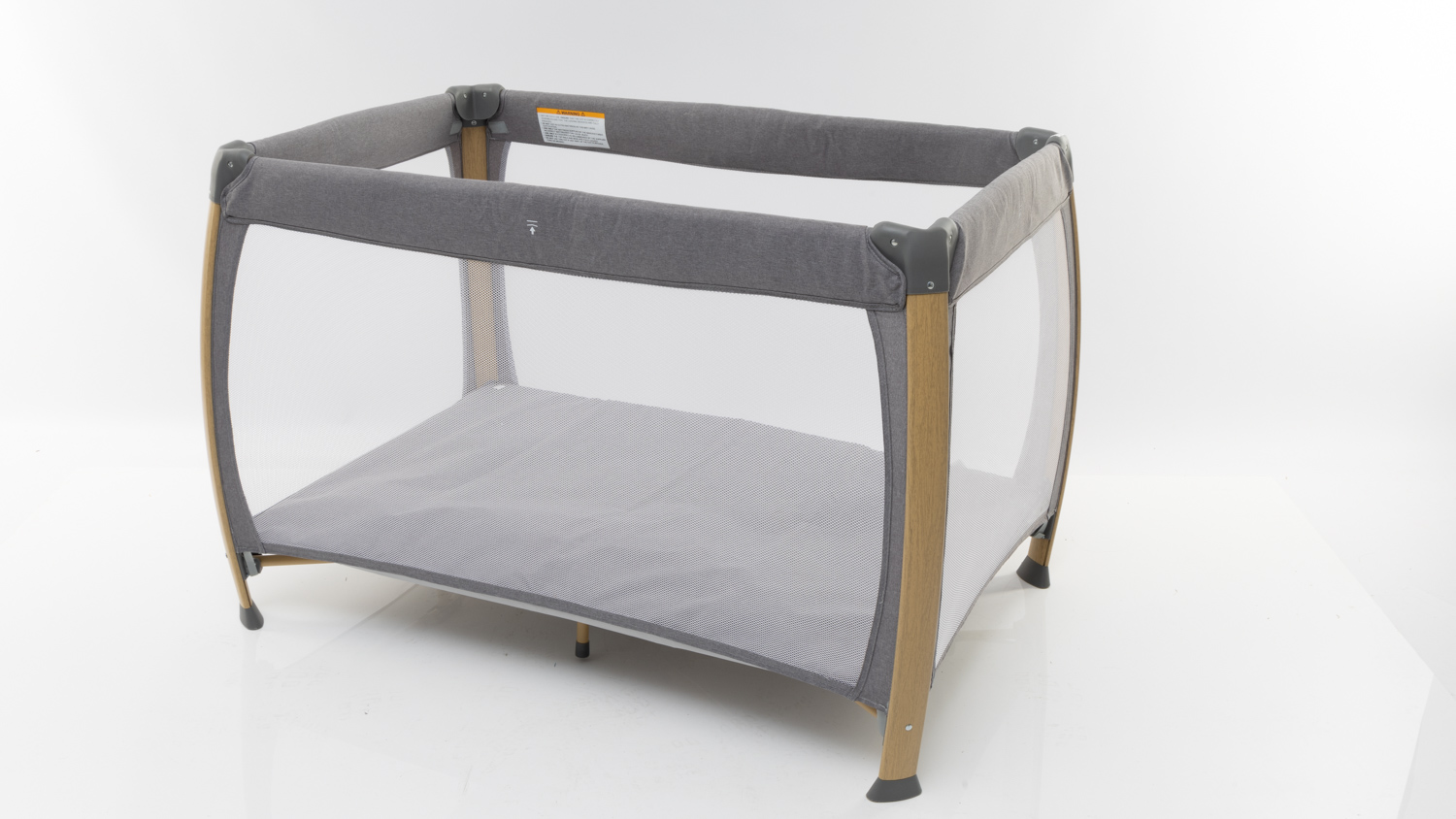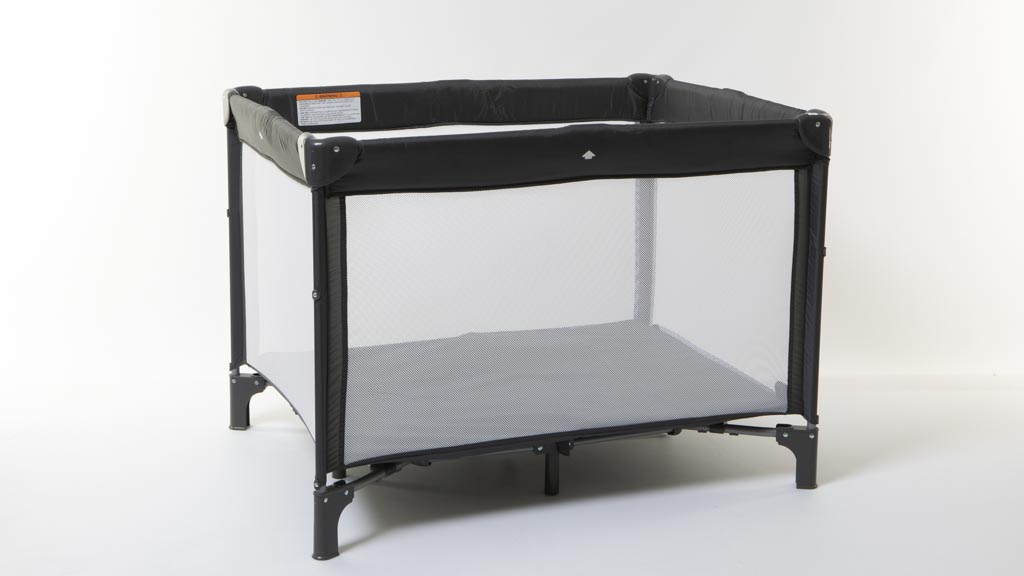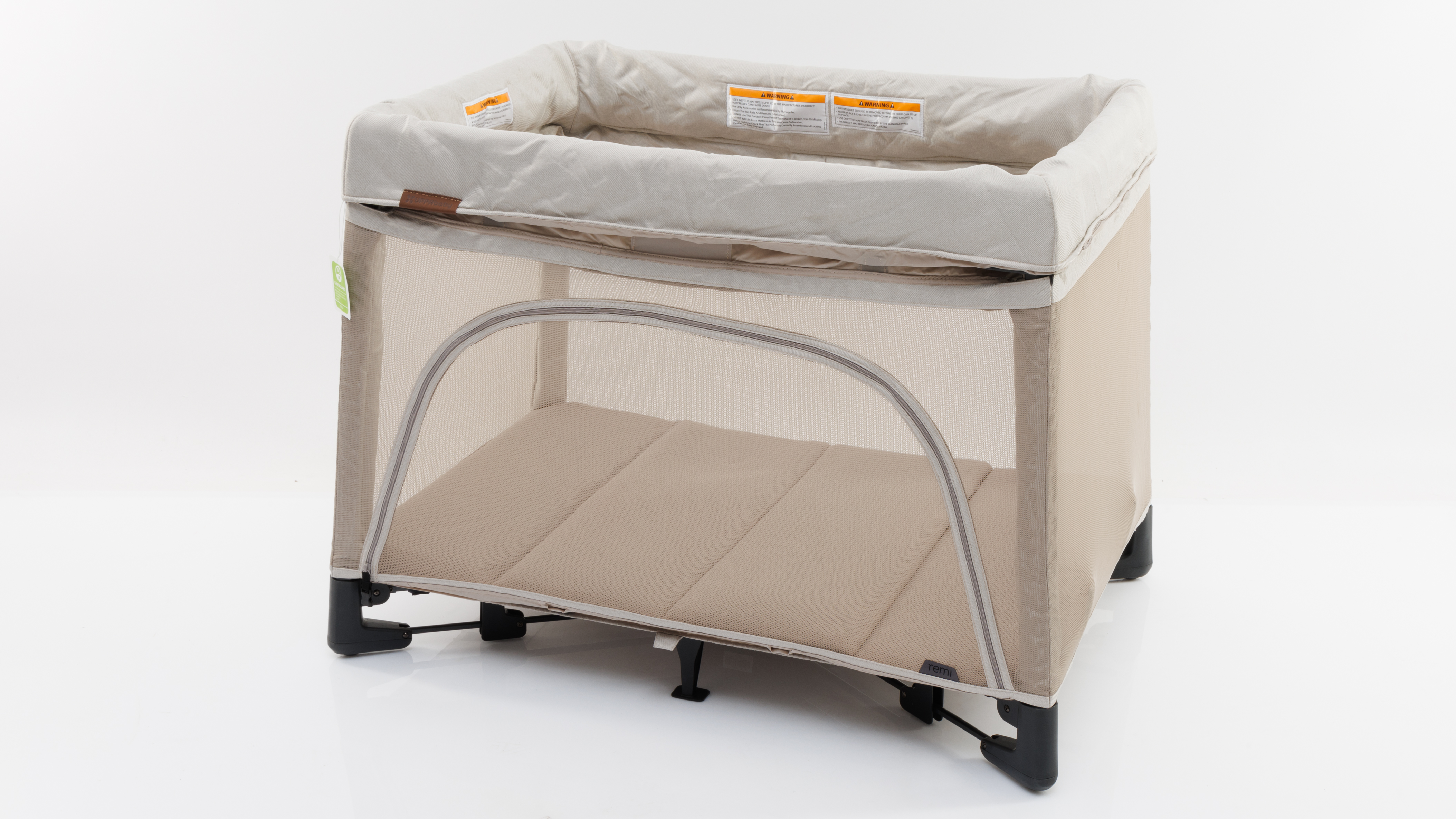
About the results
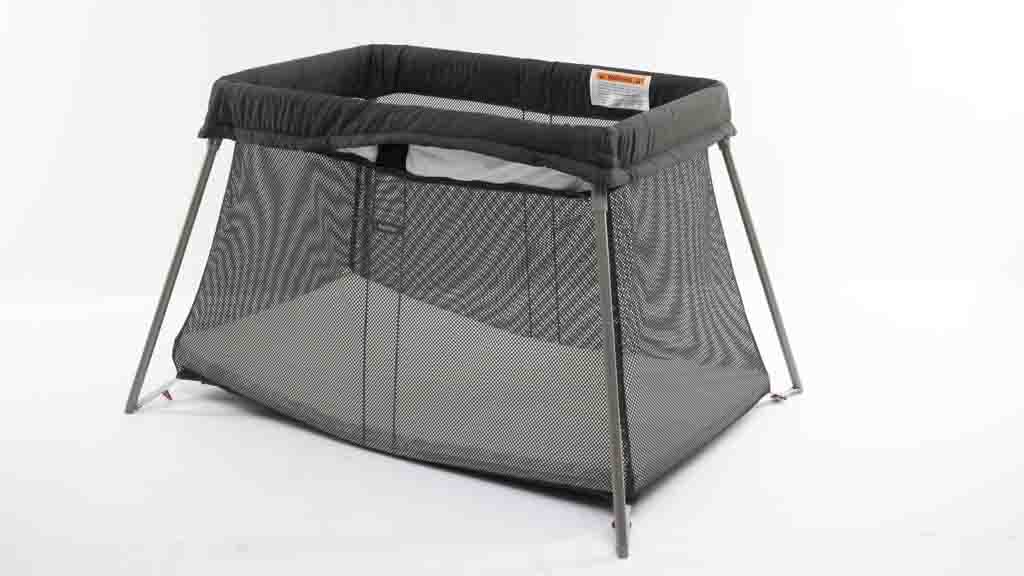
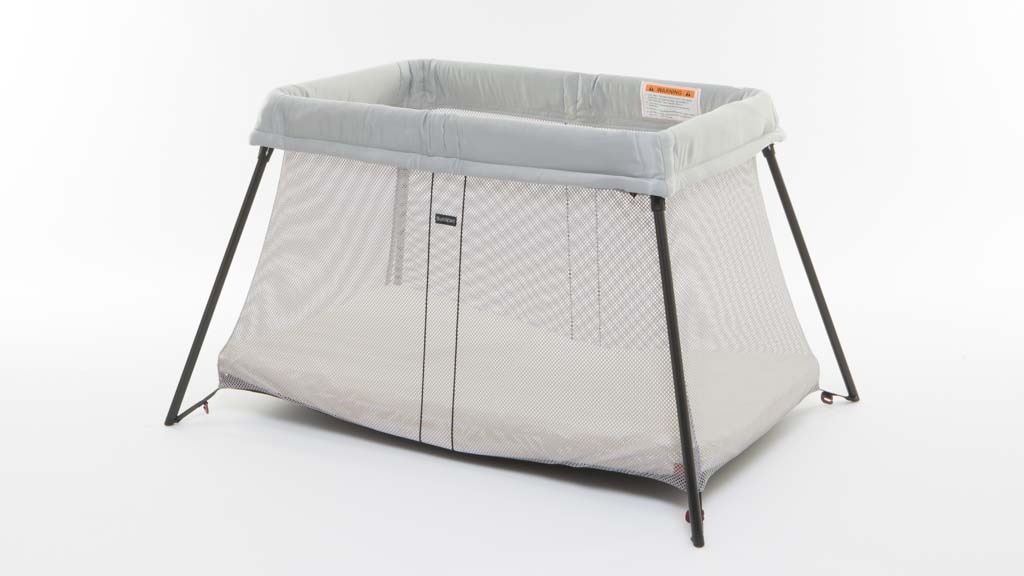
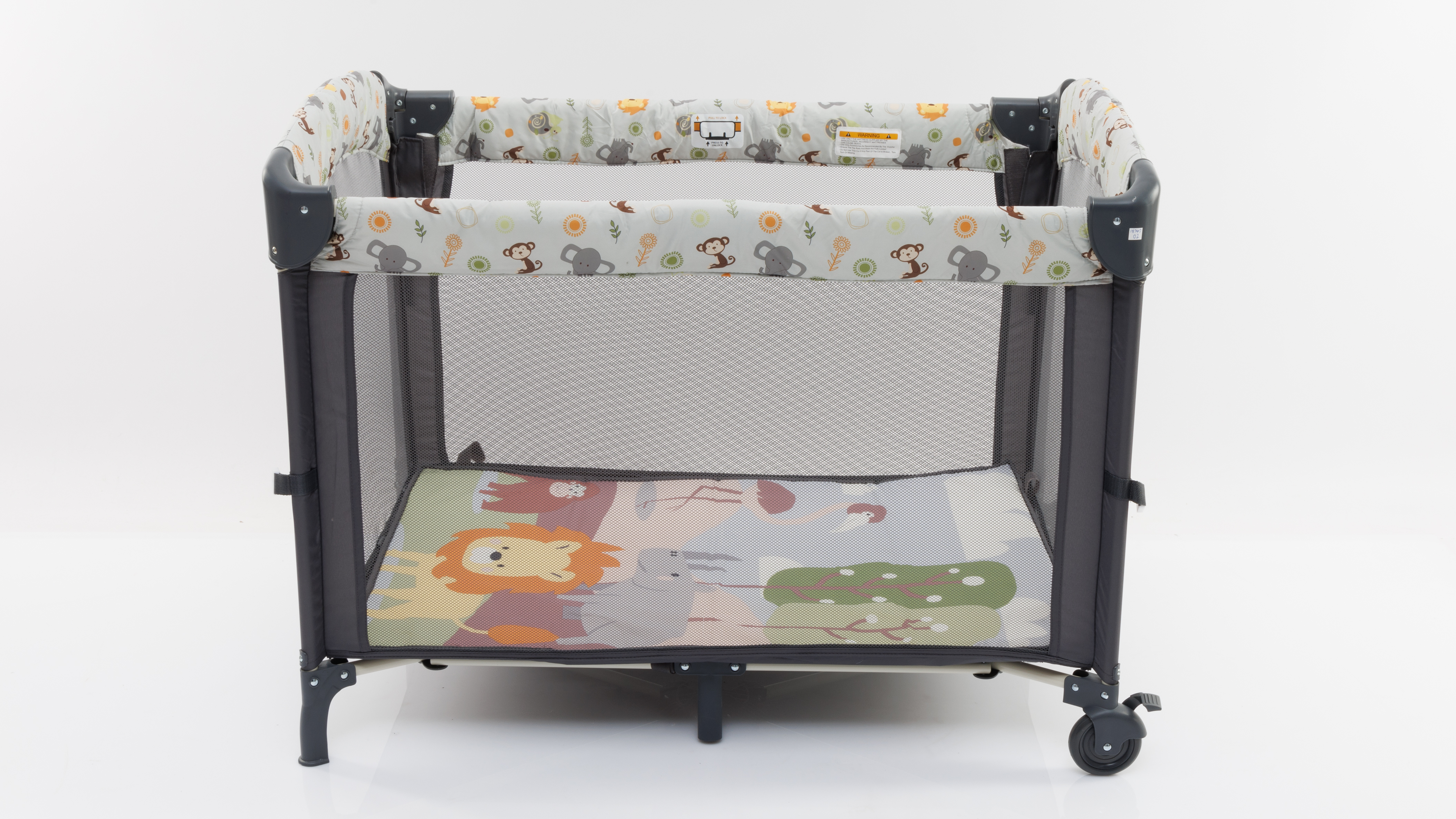
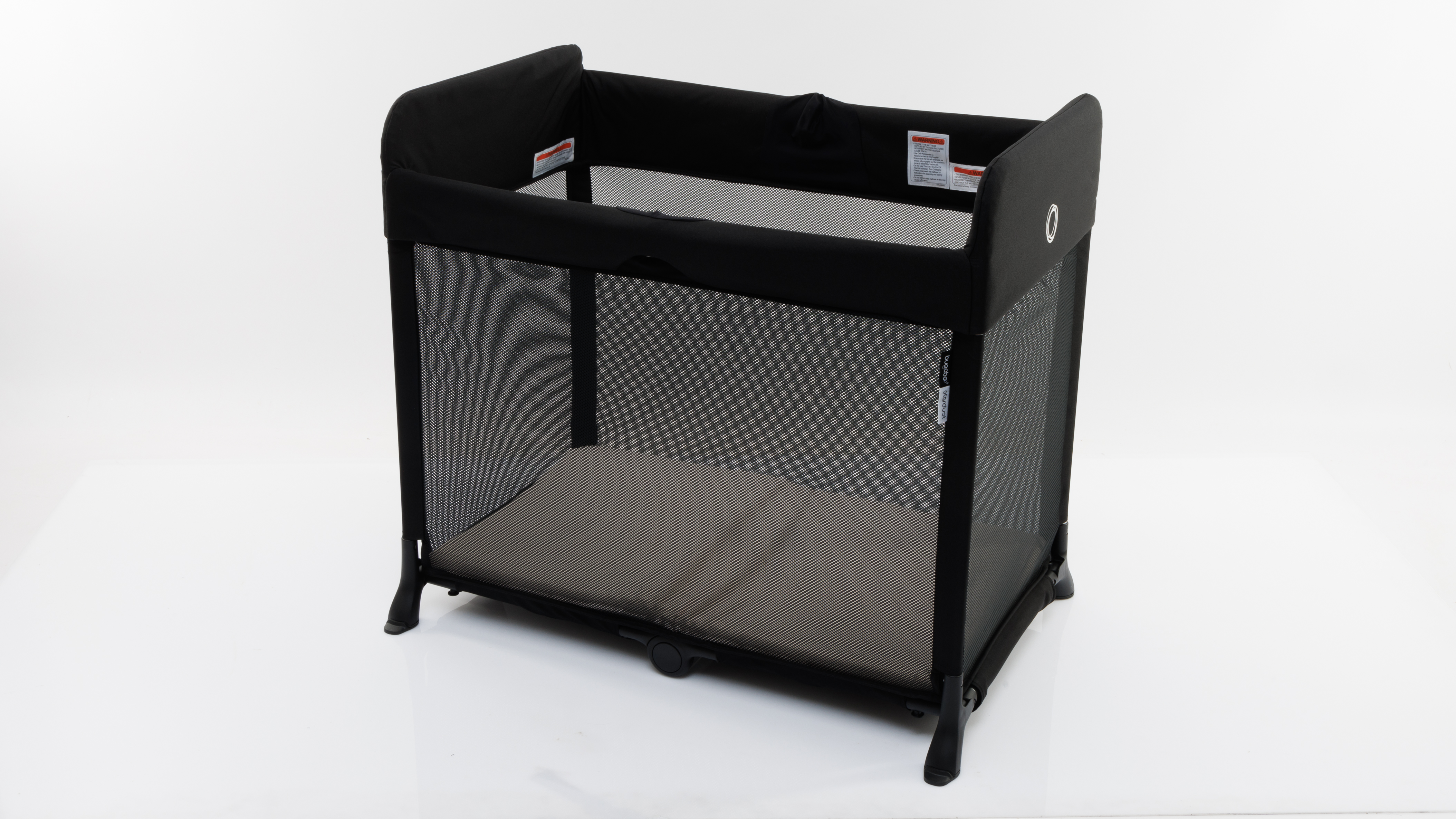
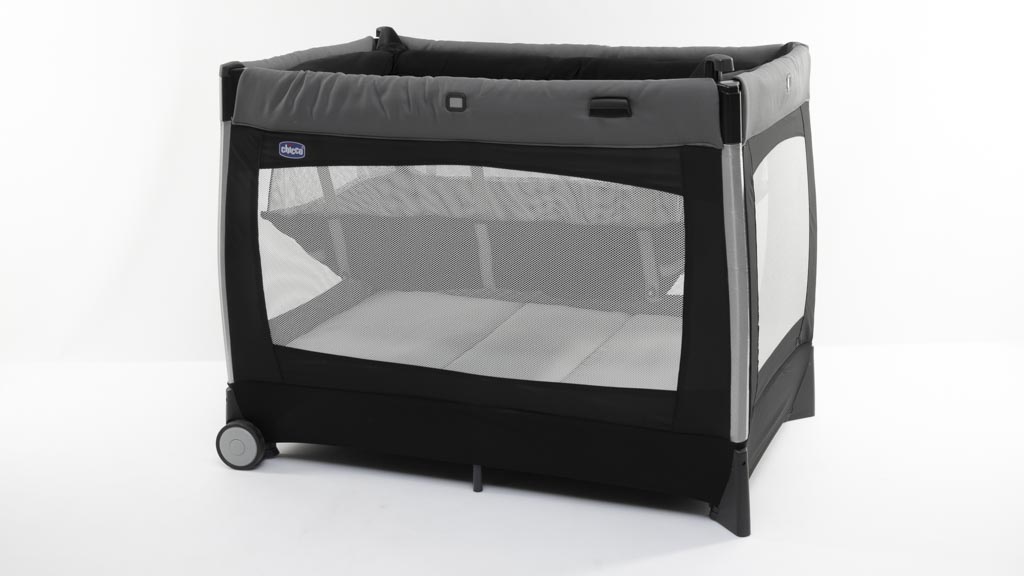
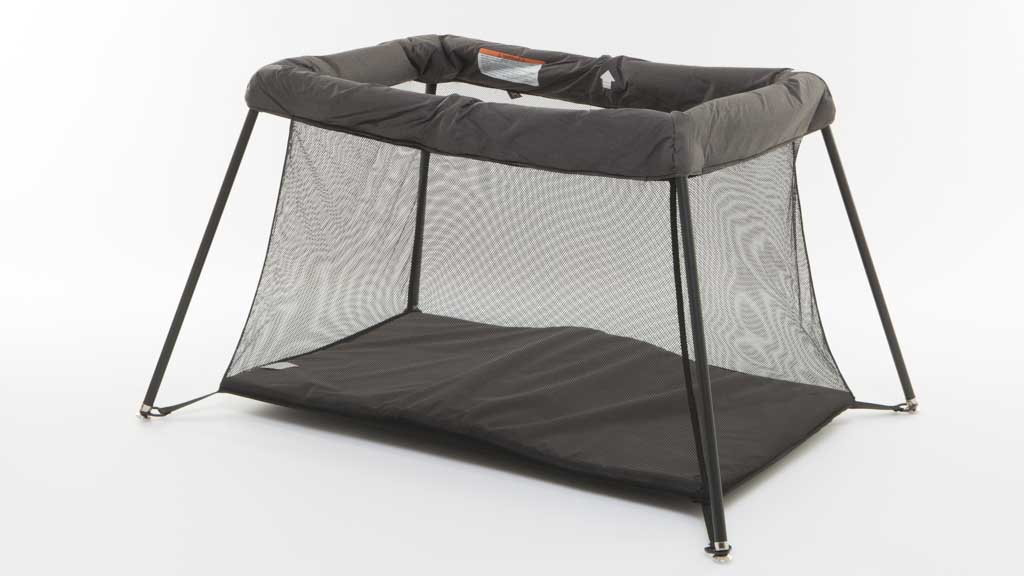
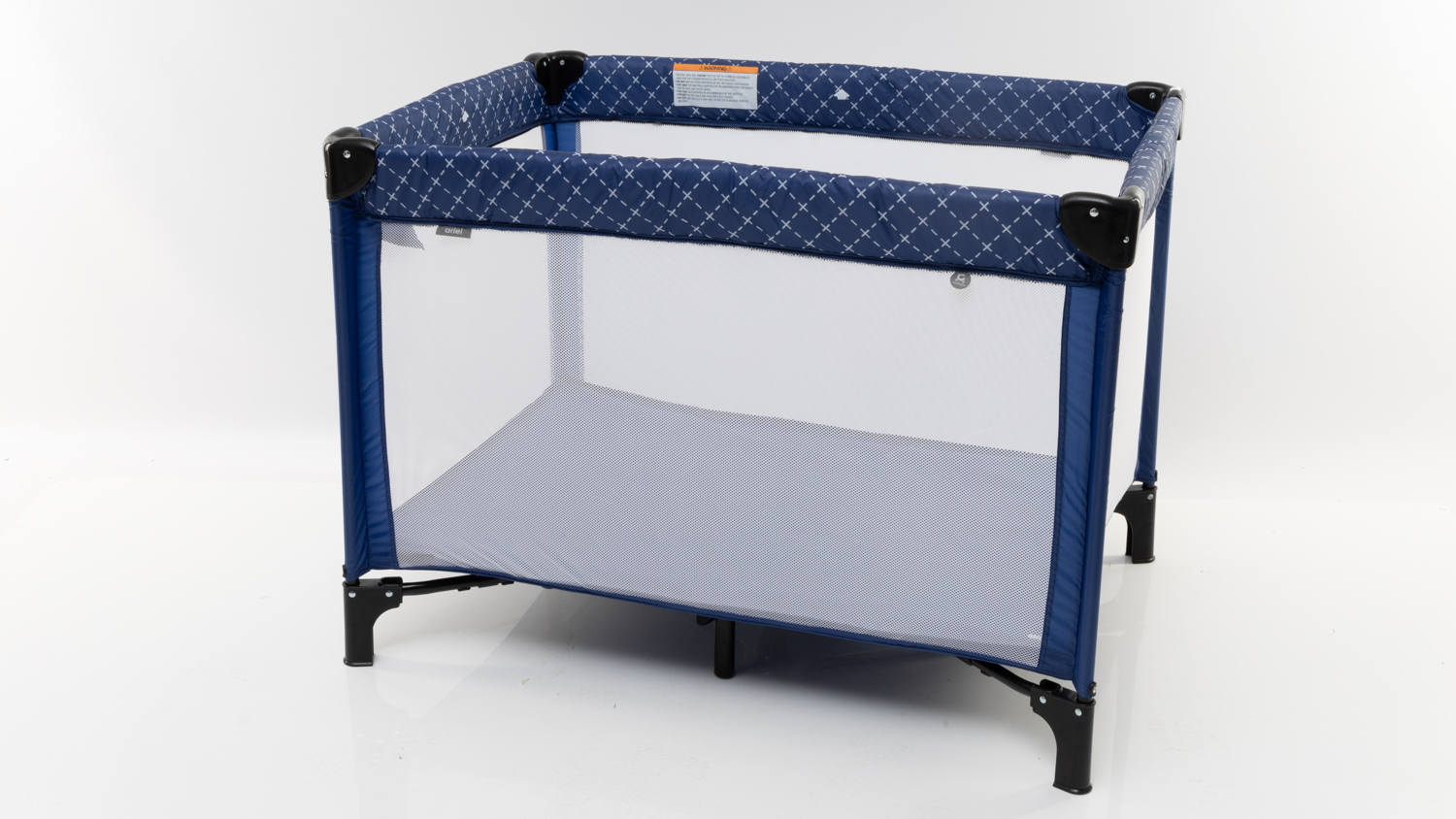
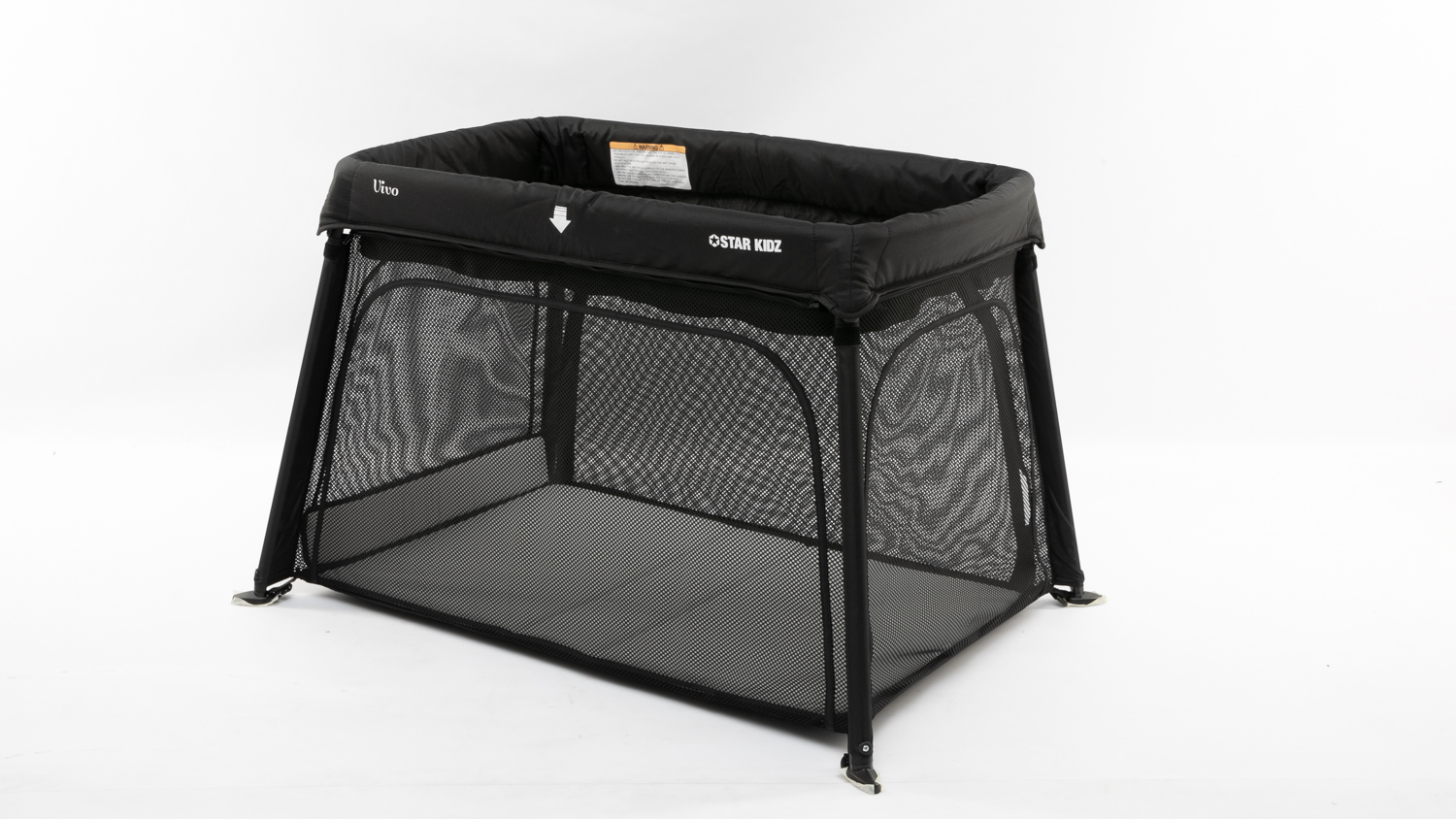
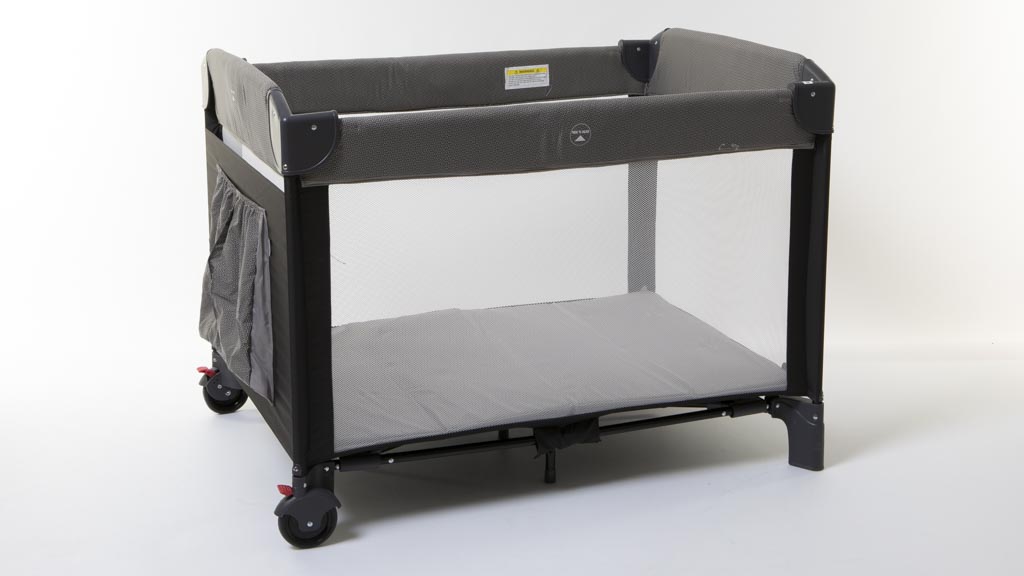
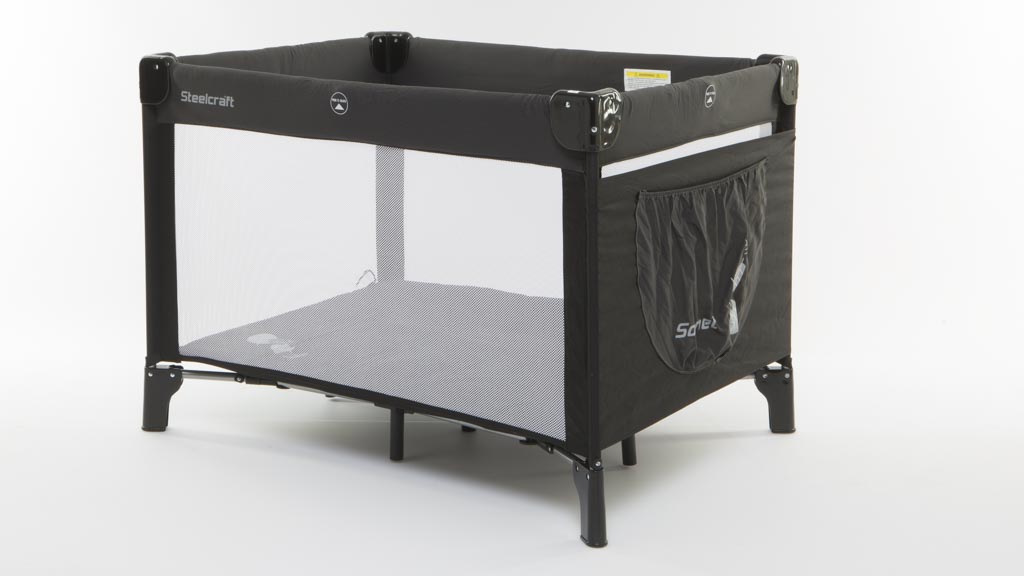
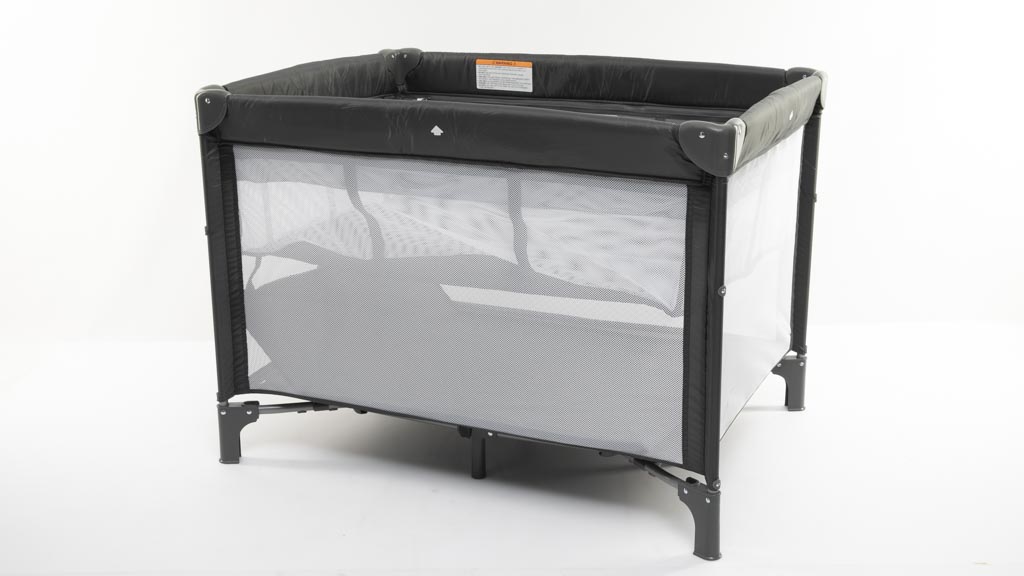
Our tests cover requirements ensuring the folding mechanism is secure, that there are no gaps that could trap a child's head and that the mattress is safe. We also tested their ease of use, checking how easy the cots are to set up and pack away.
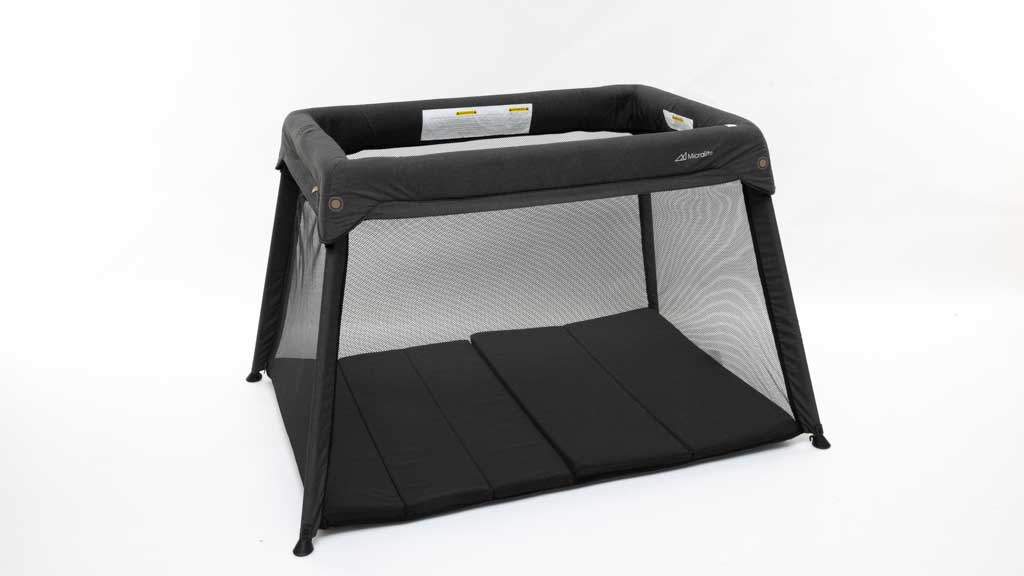
We recommend three models – they pass all the mandatory safety requirements of the standard. However, we think it's worth noting that they have what CHOICE considers to be minor issues surrounding pinching points and sliding. One model is worth considering - it doesn't made the recommended list because when it's in use as a change table there's a potential limb entrapment hazard.
All other models on test are not recommended – they fail either a mandatory requirement of the standard or have what CHOICE considers to be a major safety issue.
The 2010 version of the standard has an important addition that calls for adequate breathable zones (in case the baby manages to roll face-first against the side). This test partly involves checking that all sides of the cot are made predominantly from a mesh material that allows for air flow through the cot, and it forms part of our primary criteria. CHOICE would like to see portable cots comply with the full voluntary standard, in particular the latest version which addresses breathability.
Where bassinettes and change tables are supplied as accessories, we also assess their safety.
Our test results give you clear, unbiased advice on which portable cots are safest and easiest to use. You might also be interested in our test of regular cots. Or, for other articles take a look at Babies and kids.
Mandatory standard
Mandatory safety requirements for portable cots took effect in March 2009 - based on some of the clauses from standard AS/NZS 2195:1999. The standard includes requirements for ensuring the folding mechanism is secure, that there are no gaps that could trap a child’s head, that the mattress is safe and the cot has adequate warnings about safe use. The full standard also incorporates many voluntary tests that cover entrapment hazards, sharp edges and points and strength of construction.
A 2010 version of the standard has been created, however it is yet to be made mandatory. The most important addition to the new standard is a test that observes for adequate breathable zones (in case the baby manages to roll face first against the edge). CHOICE believes this is an important aspect, and so has included a breathability assessment in our test. This mainly involves checking that every wall of the cot is made from a mesh material that allows for air flow through the cot.
CHOICE would like to see portable cots comply with the full voluntary standard, in particular the 2010 version which makes reference to breathability of materials.
Brands and models tested
- # Aussie Baby CH-8103
- # Babyco Classic 4004695
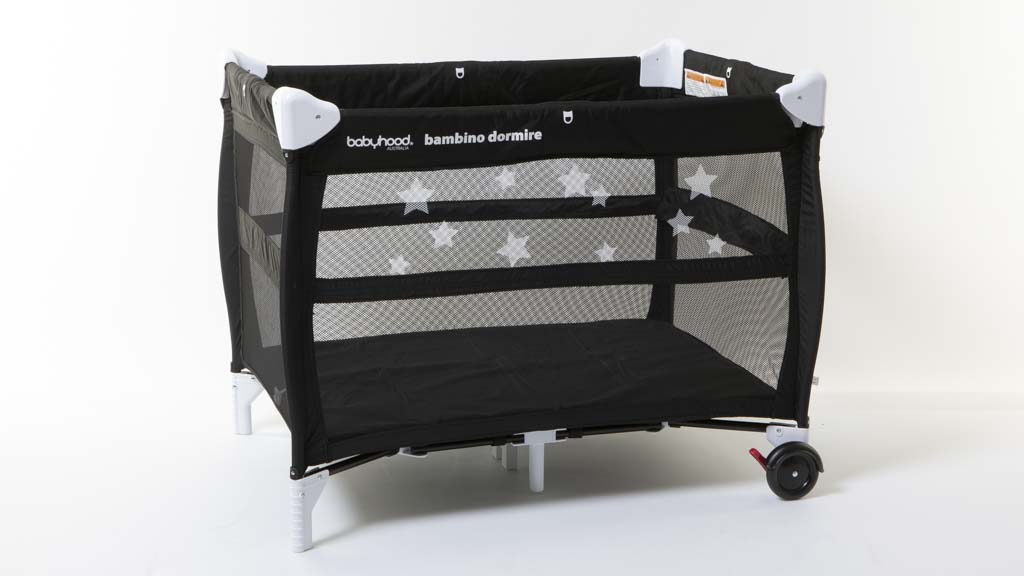
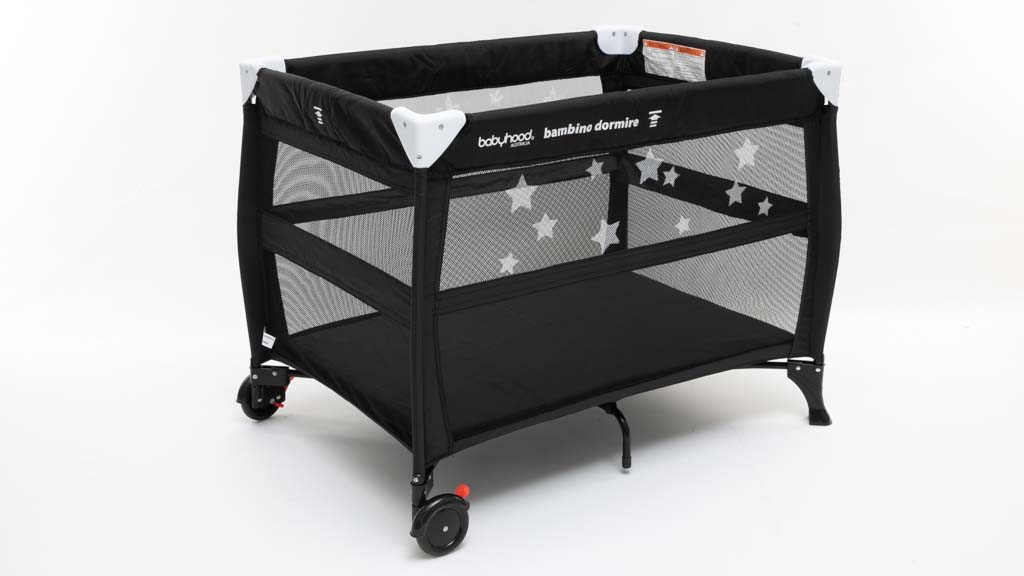
- Babyhood Bambino Dormire
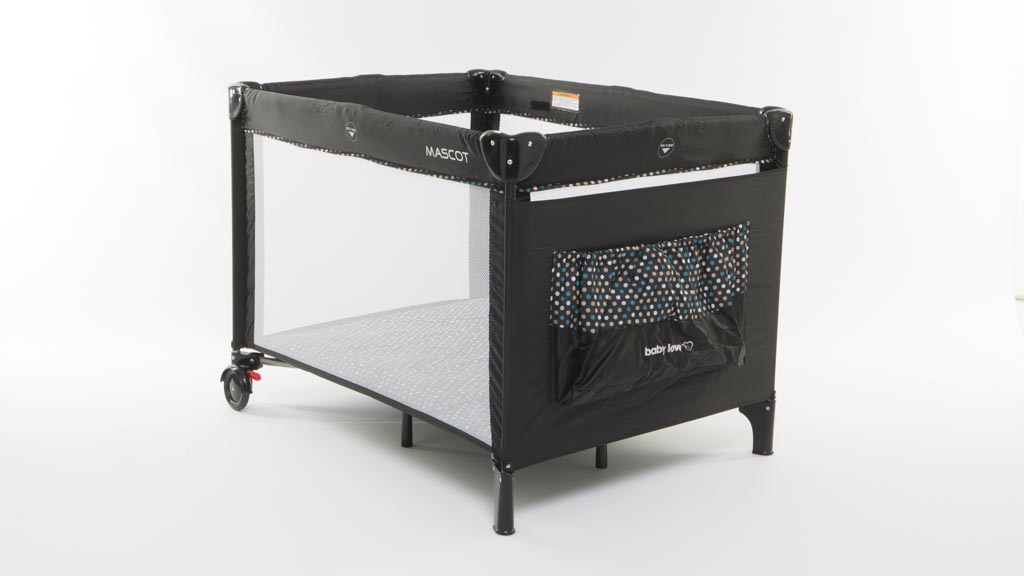
- Babylove Mascot (A)
- # Chicco Lullaby LX
- Childcare Deluxe (A)
- Childcare Galaxy (A)
- Childcare Orbit DL (A)
- # Childcare Orbit XL 073210-218
- Fisher-Price Ocean Wonders (A)
- # Fisher-Price Luv U Zoo 074223-230
- Love n Care Deluxe Playland (A)
- # Love n Care 3 in 1 Sleep N Go BP 993CL
- # Mother’s Choice Baby Cino
- # Mother’s Choice Kingdom Deluxe
- # Roger Armstrong Sleep Easy SEEMPE ON
- Steelcraft Sonnet (A)
- Vee Bee Commuter
- # Vee Bee Commuter Plus N8947
# Newly tested models
(A) Model is discontinued
How we test
Safety performance and design was tested to the requirements of selected clauses of the Australian Standard, AS/NZS 2195:1999 Folding cots – Safety requirements. We also tested the breathability clause from the 2010 standard.
To determine ease of use, the portable cots were assessed on:
- How easy they are to set up and pack away.
- How easy they are to move around.
- How easy they are to store.