A vehicle is one of the biggest consumer purchases many people will ever make. But despite the huge amounts of money spent and the reasonable expectation of longevity, you’re likely in for a world of difficulties if that car is a lemon and breaks down soon after purchase.
According to advocates, the system for holding dodgy car dealers accountable is broken, and an overhaul in how vehicle disputes are handled is needed.
“Different states are trying different things, but no one has got this issue fixed,” says Erin Turner, CEO of Consumer Policy Research Centre (CPRC).
“In the last few years we have seen this problem get worse here in Victoria.”
Despite the ongoing issues facing customers who are sold a dud car, advocates say there are simple measures state and territory governments and the federal government could take to reform the complaints system.
A 2023 report from CPRC into lemon cars found 75% of people who purchased a used car had a problem with their vehicle. One third of the issues appeared within the first three months of ownership, well within the reasonable expectations timeframe in which the Australian Consumer Law would apply.
“In our report, we found dealers would often not fix problems or give consumers the run-a-round. When people escalated their complaint through the proper formal channels at the Victorian Civil and Administrative Tribunal (VCAT), we found there were over 60 steps they had to take from raising the issue to getting a resolution, in the best case scenario,” Turner says.
Every state has a similar tribunal system to VCAT for handling car complaints, with the exception of Western Australia where matters are progressed through the Magistrates Court.
The VCAT website lists the current wait time from the date of filing an issue to mediation or hearing date as 52 weeks.
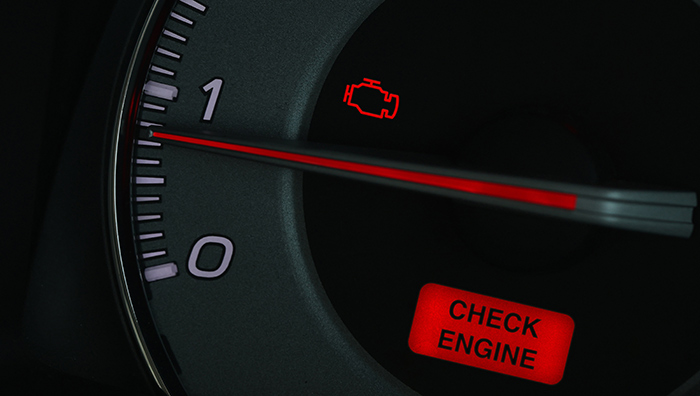
For refugee Paw*, hailing from the Karen minority group of Myanmar, buying a second hand car from a dealer in the western suburbs of Melbourne quickly turned into a nightmare. Her car’s engine light came on within ten minutes of driving off the lot and after several weeks of the dealer “repairing” the vehicle, her second attempt to drive it to her home in regional Victoria ended with the car breaking down on the side of a highway.
“I thought because I bought the car from a proper shop it would be done properly, there would be no issue,” she tells CHOICE, speaking with a translator.
The language barriers for Paw, who doesn’t speak English, meant that navigating the complex VCAT system was even more difficult. The single mother lost her job at a vegetable packing facility because she was unable to drive to work and had to borrow money from other members of the community to purchase another vehicle while waiting for the tribunal.
I thought because I bought the car from a proper shop it would be done properly, there would be no issue
Paw, who bought a used car from a Melbourne dealership
In the end it took her three years to get a resolution and for her to get her almost $9000 back.
Her settlement worker Mu Ye Ploe says many people facing the barriers Paw faced would have given up, something dodgy dealerships are banking on.
“Definitely the car dealers are taking advantage of people’s language barriers. She told them she would take them to the tribunal and they didn’t believe her, probably they thought because she doesn’t speak English she can’t stand up for her rights,” he says.
Second hand motor vehicle issues are all too common and difficult to resolve
All too common issues
For Consumer Action Law Centre lawyer Brigette Rose, who helped on Paw’s case, the issues of long delays and repeat offending dealerships are all too familiar.
“All the onus is on the consumer, to wait these long delays, to pay for and come up with specialist mechanics reports which often cost thousands of dollars, simply to get a car fixed that never worked in the first place,” she says.
Rose says states like Victoria should consider introducing a Motor Vehicle Ombudsman to regulate the industry and respond to complaints with a mandate to tackle systemic issues.
“We see it work with a lot of other sectors,” she says. Rose adds that any such body would also take a lot of pressure off the tribunal system, which clearly can’t keep up with complaints in a timely manner.
As well as reform at the state level, both Rose and Turner from CPRC agree there needs to be reform to introduce civil penalties for consumer guarantee breaches under Australian Consumer Law. In cases like Paw’s, while the dealer was forced to refund the purchase price of the car, there was no penalty.
“We need the right mix of carrots and sticks,” says Turner. “Currently there are no penalties for car dealers who abuse the system, so there is no incentive for them to actually resolve the complaints before they get to a tribunal stage.”
“We need better systems, better data, better penalties.”
Currently there are no penalties for car dealers who abuse the system
Erin Turner, CPRC
She adds that while consumers need more data on dodgy dealerships, or those with a history of not resolving complaints so they can know to steer clear, there should also be a way for consumers to recognise and reward dealerships who do the right thing.
“Why don’t we have some kind of ratings system? So people could know the dealer they are buying from has a history as a trusted dealership or at least one that resolves issues when they arise.” Turner says.
*Not her real name
Get the inside story on our investigations, campaigns and the difference they make.
Jarni Blakkarly is an award-winning Senior Investigative Journalist at CHOICE. Jarni has worked for news organisations such as SBS, Reuters, Al Jazeera English, ABC 730, Radio National, BBC World Service and Deutsche Welle.
Jarni won the Walkley Foundation's young journalist of the year student category award in 2016 and was the recipient of a Melbourne Press Club Michael Gordon fellowship in 2022. In 2023 he was a highly commended finalist in the Quill Awards and a winner at the 2024 Excellence in Civil Liberties journalism awards. In 2024 he was elected to serve on the Federal Council (National Media Section) of the MEAA. Jarni has a Bachelor of Communications (Journalism) from the Royal Melbourne Institute of Technology (RMIT).
Jarni Blakkarly is an award-winning Senior Investigative Journalist at CHOICE. Jarni has worked for news organisations such as SBS, Reuters, Al Jazeera English, ABC 730, Radio National, BBC World Service and Deutsche Welle.
Jarni won the Walkley Foundation's young journalist of the year student category award in 2016 and was the recipient of a Melbourne Press Club Michael Gordon fellowship in 2022. In 2023 he was a highly commended finalist in the Quill Awards and a winner at the 2024 Excellence in Civil Liberties journalism awards. In 2024 he was elected to serve on the Federal Council (National Media Section) of the MEAA. Jarni has a Bachelor of Communications (Journalism) from the Royal Melbourne Institute of Technology (RMIT).
For more than 60 years, CHOICE has been fighting the good fight for Australian consumers.
In the past year alone we've uncovered systemic issues with sunscreens, investigated shonky supermarket pricing, fought for stronger scam protections and helped make complex energy pricing fairer and clearer.
CHOICE is here to provide unbiased advice and independent testing in our world-class labs. We buy the products we test, just like you do, and our expert reviews are influence free. We’re here to help you choose smarter. Hopefully you’ll also save some money along the way.
Thanks to CHOICE, you’ll never be alone when a business treats you unfairly. You can support our work by joining or donating to our cause.