The conversation lasted around three and a half minutes.
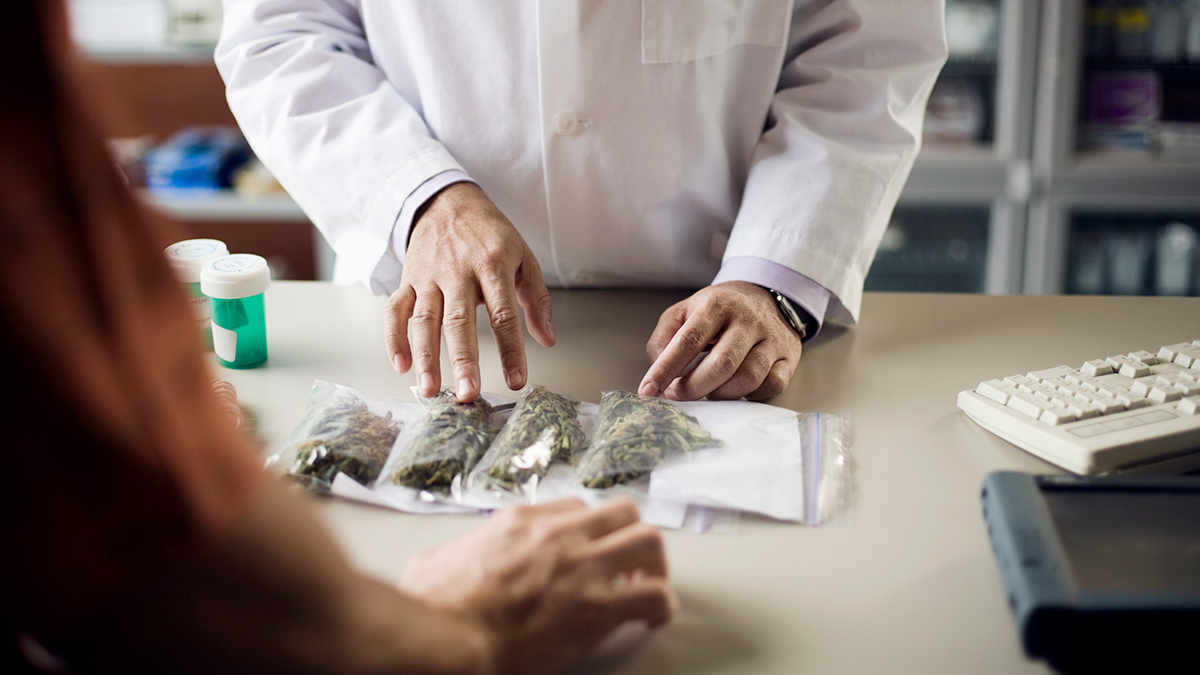
After a few questions about things like allergies and alcohol consumption, I was asked what form of cannabis I wanted. “We have oil, flowers, edibles. What form?”
I told him I wasn’t sure, I haven’t really taken this before. “What do you think would be good for anxiety?”
“We can achieve with any form,” he said, and told me to take a lolly form containing a “high edible dose of [psychoactive chemical] THC”. There was no mention of how much to take or side-effects to watch out for.
Since it was legalised in 2016, a booming industry has grown around the prescription of cannabis
This was not a conversation with a street dealer or a friend with a hook up, but with a licensed doctor from one of Australia’s largest medicinal cannabis telehealth companies, Alternaleaf.
I’d previously had a call with an Alternaleaf nurse to discuss my medical history for around 25 minutes (including time spent on hold), but I was still shocked by the speed of the doctor’s consultation.
Since it was legalised in 2016, a booming industry has grown around the prescription of cannabis, dominated by telehealth services linked to pharmaceutical companies. Experts are concerned this business model is placing profit before patient care, and that doctors are prescribing often highly potent cannabis without giving enough consideration to evidence about efficacy and safety.
I obtained several prescriptions for highly potent products, which the medicine regulator has not approved for safe and effective use to treat anxiety
With over a million Australians using medicinal cannabis, I decided to visit five specialty websites to score a prescription. I obtained several prescriptions for highly potent products, which the medicine regulator has not approved for safe and effective use to treat anxiety.
The medical practitioner’s regulator says it has put the industry on notice, and that since 2019 it has taken regulatory action against 80 practitioners for prescribing or dispensing medicinal cannabis against professional standards. Cases include excessive prescribing, consultations that are too short and practitioners only prescribing products supplied by the company they are associated with.
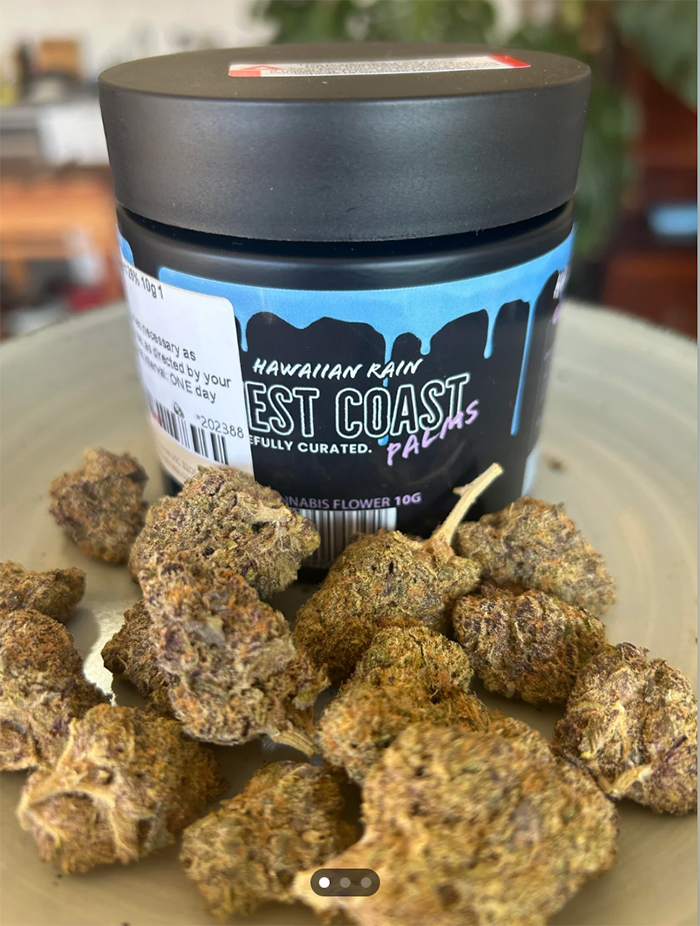
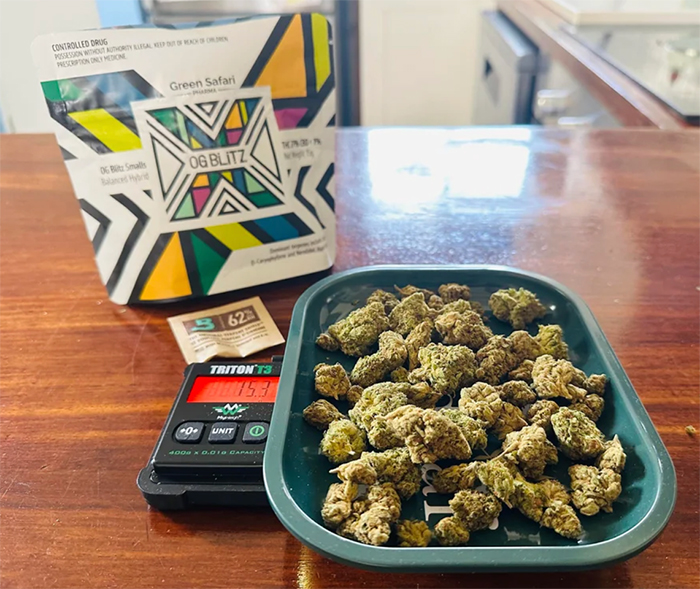
A Reddit post shows a cannabis product available in Australia.
Pharma-owned businesses
Finding a telehealth service prescribing cannabis online is easy. Advertising prescription medicines in Australia is illegal, but it isn’t hard to find websites with names like Candor and Polln spruiking “alternative medicine”.
Despite the rules against advertising prescription medicines, a 2025 study led by Dr Carmen Lim from the University of Queensland found that almost half of the 54 Australian medicinal cannabis websites the study looked at were breaking regulatory guidelines, showing images of cannabis or making unsubstantiated claims about the effects of the drug.
Many online cannabis clinics are owned by the same pharmaceutical companies that supply the drug.
Montu, describing itself as “one of the largest suppliers of medicinal cannabis products in the Australian markets” owns Alternaleaf, a telehealth service that claims to serve 200,000 Australian patients.
Many online cannabis clinics are owned by the same pharmaceutical companies that supply the drug
Nectar Brands owns both the telehealth clinic Polln and cannabis supplier Cultiva. Nectar Brands told us that Polln operates “exclusively as a telehealth platform” and should not be conflated with any other entity.
Green Australia Wholesale operates telehealth clinics under the name Easykind and also supplies cannabis products. Easykind says its commercial structure does not determine the decision-making of its clinicians.
Dr Christine Hallinan, senior research fellow at the University of Melbourne, says a telehealth prescription business model in which a pharmaceutical company has a commercial interest in the business that prescribes its products, removes impartiality and undermines the Hippocratic Oath to do no harm. “The altruism is gone,” she says.
How can you guarantee a drug is for the patient’s best interest when that prescriber is obliged to the business case of the company they work for?
Dr Christine Hallinan, University of Melbourne
“How can you guarantee a drug is for the patient’s best interest when that prescriber is obliged to the business case of the company they work for?”
Dr Christopher Rudge, a health law researcher at Sydney Law School, says even if there’s no written arrangement encouraging doctors to prescribe more cannabis products, there may be an understanding that doctors could receive more business or future contracts.
“It’s a difficult situation for medical practitioners who are usually not incentivised in these ways,” he says.
Emily*, a woman in her 20s, had previously self-medicated with cannabis to manage her menstrual pain, but following a recommendation from a friend, decided to visit an online prescribing service.
“It feels like you’re doing it in a safer way,” she says.
Like many Australian women, Emily says she had “really invalidating experiences with doctors”, but found her consultation through the online clinic “empathetic”, and more affordable than her regular GP.
What she was not told by her doctor, however, was that the medicine they were prescribing was not approved for safe or effective use for her condition in Australia.
Over 99% of cannabis products prescribed are not approved by the Therapeutic Goods Administration
Over 99% of cannabis products prescribed are not approved by the Therapeutic Goods Administration (TGA), which means the medicine regulator has not assessed the drug’s safety, effectiveness or quality.
The TGA says “a large number of patients” are unaware that most medicinal cannabis products have not been approved by the TGA for the conditions they are being prescribed for.
Although unapproved medicines are usually restricted, thanks to special pathways, since 2016, doctors have been able to prescribe cannabis in “exceptional circumstances” .
Wayne Hall, Emeritus Professor at the National Centre for Youth Substance Research at the University of Queensland, was a research advisor to the TGA and the federal health minister in the early stages of legalisation. He says these schemes were meant for patients undergoing chemotherapy, or living with multiple sclerosis or epilepsy.
“The medicinal cannabis industry has really pushed the boundaries in terms of conditions for which people seek treatment,” Hall says.
The largest ever review of medicinal cannabis studies found that treating mental disorders with cannabis is ‘currently rarely justified’ given the ‘scarcity of evidence’ in quality studies
Cannabis is today most commonly prescribed for chronic pain, followed by anxiety, sleep disorder, PTSD and depression.
The largest ever review of medicinal cannabis studies, led by Dr Jack Wilson from the University of Sydney and published in Lancet Psychiatry this year, found that treating mental disorders with cannabis is “currently rarely justified” given the “scarcity of evidence” in quality studies.
Wilson says that there is a small amount of evidence that cannabis is effective for chronic pain, and no evidence to suggest it is effective in treating depression, anxiety or PTSD.
“Most of the products out there have not been evaluated for efficacy,” Wilson says.
Of the studies that do exist, Wilson said many had a conflict of interest, with financial ties to the cannabis industry and no independent evaluation.
Medicinal cannabis is booming in Australia.
CHOICE visits the doctor
Presenting with anxiety and insomnia, I sought a cannabis prescription from five telehealth websites. I visited Alternaleaf, Candor, Easykind and Polln, all of which are either owned by, or affiliated with, companies that supply cannabis. I also visited Dispensed, which is not affiliated with a company that supplies cannabis. All five telehealth websites offered an easy purchasing option on their page.
Dispensed says its company is not vertically integrated and it has “no ownership, shareholding, nor is it a beneficiary of any cultivator, manufacturer or distributor”.
Following either a pre-screening session with a nurse or an online questionnaire enquiring about my medical history, I attended a doctor consultation with the five companies, where each doctor recommended using cannabis products.
While Easykind, Polln and Candor consults lasted around 15 minutes, the Dispensed consult lasted under eight, and the Alternaleaf doctor took just three and a half minutes to prescribe me with cannabis.
In response to follow up questions from CHOICE, Alternaleaf told us the practitioner in my consultation has been stood down because he did not meet expected protocols. It claimed the doctor in question was an “outlier” and the company has commissioned a clinical audit to confirm this is an isolated case.
The Alternaleaf doctor took just three and a half minutes to prescribe me with cannabis
Doctors are required by the Australian Health Practitioner Regulation Agency (AHPRA) to inform patients of any financial or commercial conflict of interest, and not let those conflicts get in the way of providing quality care to patients.
None of the doctors we spoke with disclosed that they worked for a business that was either a cannabis supplier, or owned or affiliated with one. The person or entity that employed the doctor was also not disclosed, however they were plainly associated with the relevant clinic.
In response to CHOICE’s questions, each telehealth company told us all clinical decisions are up to the discretion of the medical practitioner. Easykind, Polln, Vitura health (owner of Candor) and Dispensed all denied there was a conflict of interest.
AHPRA says “conflicts of interests are inherent if you work for an organisation that prescribes and dispenses a single medication”. CHOICE is not suggesting that any of the businesses named in this article have breached applicable laws and guidelines, intentionally or otherwise.
All the telehealth websites we visited had easy purchasing options on their website.
De facto retail outlets
When Emily received her medicinal cannabis, she noticed the packaging wasn’t like regular medicines.
“It’s got a space type of print, there’s a mad professor, funny cartoon on the front”, she says.
Some of the products we were prescribed were called Espresso Candy and Purple Raine (Candy Raine x Cherry Punch).
Wayne Hall says many of the products being prescribed here are also sold in the recreational cannabis market in North America. “Some of these clinics look pretty much like de facto retail outlets for adults who want to use cannabis,” he says.
Out of the two main chemicals in cannabis, THC is the compound that gives users the ‘high feeling’.
Products with the highest levels of THC are the most common cannabis category of drugs prescribed for anxiety, chronic pain, sleep disorder, PTSD and depression.
“I just don’t think there’s any justification for prescribing these for medicinal purposes,” Hall says.
According to the TGA’s guidance for the use of medicinal cannabis, products containing THC are generally “not appropriate” for patients with an anxiety disorder.
The Easykind doctor I spoke with said for the price of the products they were prescribing me, “compared to how much you would pay for street cannabis, it’s actually really good”.
Both TGA and AHPRA say any doctor prescribing unapproved medicinal cannabis products must ensure patients are aware of the risks and benefits of the product.
A TGA spokesperson told us that when patients are prescribed unapproved cannabis products, they must be informed that the products are not on the approved drug registry and haven’t been evaluated for quality, safety or efficacy.
Patients must also be told there may be known or unknown side effects. None of the doctors I saw told me they were prescribing me an unapproved drug.
The companies tended to present a “consent form” with this information on their website in the style of a standard online terms and conditions form. There was no consistency in the level of information provided.
Each doctor only recommended treatment using cannabis products … and did not suggest I try other treatments or medications
Candor told us patients are required to actively confirm they have read and understood their online consent form. Candor was confident that this, alongside verbal counselling from clinicians, is consistent with regulatory expectations.
The other four telehealth companies told us they expect doctors to seek informed consent in line with the regulator’s requirements.
Following questions from CHOICE about the consults and the lack of information provided, Alternaleaf and Dispensed told us they will investigate the matter.
Four of the five doctors told me about side effects during my consultation, but only after I asked about them. Each told me different things, despite prescribing me similar products.
Dr Jack Wilson says that based on available evidence, he would be ‘very concerned’ if doctors are saying cannabis will help with anxiety
Candor told me about paranoia, Easykind mentioned side effects such as dry mouth, appetite change, nausea and effects to mood at higher doses. Polln said the same, and also added that headaches and paranoia may occur. The Dispensed doctor mentioned drowsiness and anaphylaxis.
Each doctor only recommended treatment using cannabis products available through their company’s website, and did not suggest I try other treatments or medications.
The doctors who we consulted with said cannabis would be effective for a range of issues, from anxiety to insomnia and pain.
Dr Jack Wilson says that based on available evidence, he would be “very concerned” if doctors are saying cannabis will help with anxiety.
As potent psychoactive cannabis products have become increasingly easy to access, experts are concerned about the harm this may cause to people with serious mental illnesses.
Professor Dan Siskind, a psychiatrist and a researcher at the University of Queensland, says patients with severe mental health issues are not only finding it easy to access medicinal cannabis, but the products they are using tend to contain more THC than the cannabis sold on the streets.
“What I’m seeing now is that people who have schizophrenia are now using these high-THC products and are developing much worse psychosis,” Siskind says.
“A prescriber should take a very thorough mental health history to enquire about people’s history of psychosis or psychotic symptoms.”
A review from 2024 found around 25% of patients worldwide taking medicinal cannabis meet the criteria for cannabis use disorder
In each telehealth clinic I attended, I was asked by a doctor, nurse or online questionnaire about individual and family history of psychotic illness. I was not asked to provide my medical history or a GP referral by any clinic.
“What I’m hearing from my patients is that they are not finding barriers to access,” Siskind says.
Additionally, a review from 2024 from the University of Queensland found that around 25% of patients worldwide taking medicinal cannabis meet the criteria for cannabis use disorder, which is when someone becomes dependent on the drug.
In total, I obtained four scripts for cannabis within one week. Polln said I could receive my prescription if I got a discharge letter from the other clinics. I did not fill any of the scripts.
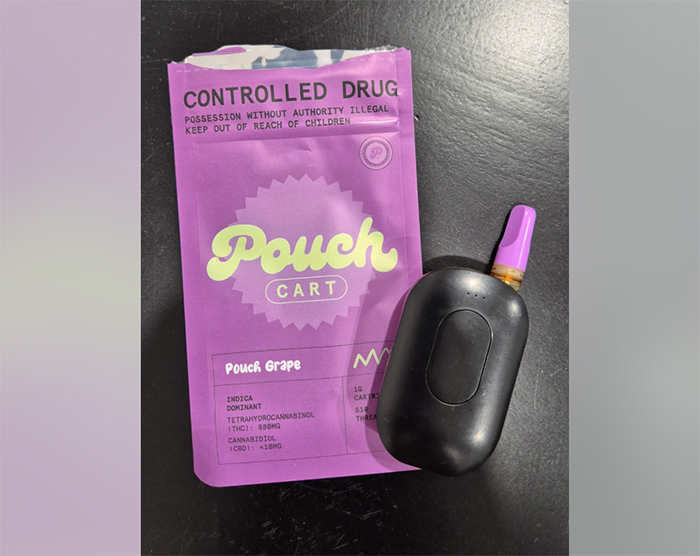
Medicinal cannabis is sold in many forms, including vapes.
Time for reform
The TGA is currently undertaking a review into how cannabis prescriptions are regulated, but it has not indicated when it will be complete.
Based on 786 submissions from stakeholders, it said there was agreement that the current access framework is “not fit for purpose and not proportionate to the potential safety and quality risks”.
The Cannabis Council Australia says it supports the government’s review.
“We have been calling for regulatory reform for healthcare that involves medicinal cannabis for some time. Current regulations have not kept pace with the growth in prescribing and, in association, products,” they say.
“Our submission to the TGA proposed a fit-for-purpose reform framework that we are already actively progressing in consultation with stakeholders across the health system.”
Dr Christine Hallinan says medicinal cannabis can be a “life-changer for some patients”.
“But they need to access it from a system that is horizontal, not vertical. A system where the prescriber is totally independent from the supplier”.
*Name has been changed
Get the inside story on our investigations, campaigns and the difference they make.
James is a Master of Journalism student from the University of Melbourne. He has published in Cosmos, The Citizen, and has created podcast series for We Are Explorers and Protect Our Winters Australia. James has a particular interest reporting on science, environmental and social issues, and was a recipient of a JEERA Ossie Award for his journalism. LinkedIn
James is a Master of Journalism student from the University of Melbourne. He has published in Cosmos, The Citizen, and has created podcast series for We Are Explorers and Protect Our Winters Australia. James has a particular interest reporting on science, environmental and social issues, and was a recipient of a JEERA Ossie Award for his journalism. LinkedIn
For more than 60 years, CHOICE has been fighting the good fight for Australian consumers.
In the past year alone we've uncovered systemic issues with sunscreens, investigated shonky supermarket pricing, fought for stronger scam protections and helped make complex energy pricing fairer and clearer.
CHOICE is here to provide unbiased advice and independent testing in our world-class labs. We buy the products we test, just like you do, and our expert reviews are influence free. We’re here to help you choose smarter. Hopefully you’ll also save some money along the way.
Thanks to CHOICE, you’ll never be alone when a business treats you unfairly. You can support our work by joining or donating to our cause.