Online marketplaces largely operate beyond the reach of regulation
This means global retailers such as Temu, AliExpress, eBay, Amazon, Kogan aren’t required to make sure the products they sell are safe
Six of the 22 products we bought for children aged 3 and under from these sites had serious safety failures
If you’re tempted by the ultra-cheap toys available online, think twice.
Online marketplaces largely operate beyond the reach of regulation, so buying presents for your baby or toddler from one of these digital retailers could mean they end up with a toy that poses a serious safety risk – one that you had no way of knowing about.
It’s a high price to pay for what would generally be a very cheap product.
Such incidents have become more possible than ever because fast-growing global retailers such as Temu, AliExpress, eBay, Amazon, Kogan and others aren’t required to make sure the products they sell through third-party suppliers on their platforms are safe before selling them.
It’s a high price to pay for what would generally be a very cheap product
Online marketplaces can choose to sign up to the Australian Competition and Consumer Commission’s voluntary Product Safety Pledge as a gesture of compliance, but if they make safety commitments, the ACCC has no power to make sure they’re actually following through on them.
The results of our most recent test of products bought from the above-mentioned platforms show what can happen when regulations don’t keep pace with accelerating developments in the digital marketplace.
Serious safety failures found in CHOICE toy testing
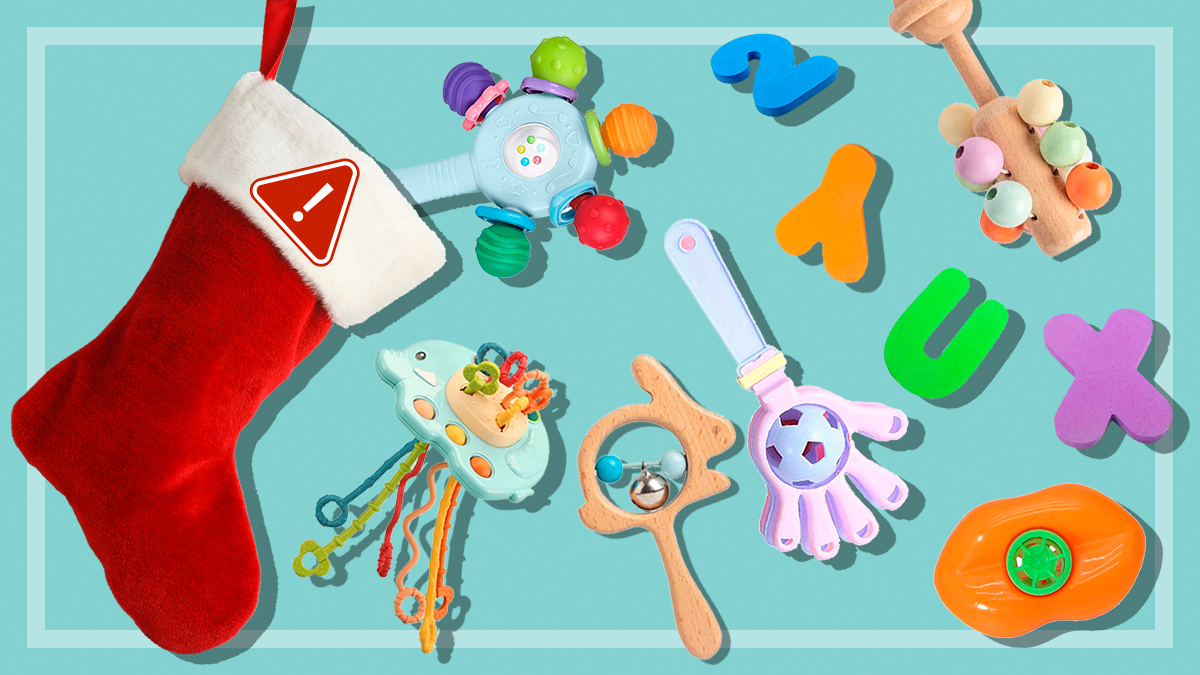
We purchased 22 products suitable for children under 3, including rattles, teethers and whistles. Six of them had serious safety failures based on Australian mandatory standards, ranging from choking hazards to lack of safety warnings. These are design failures that could send your child to the hospital or worse.
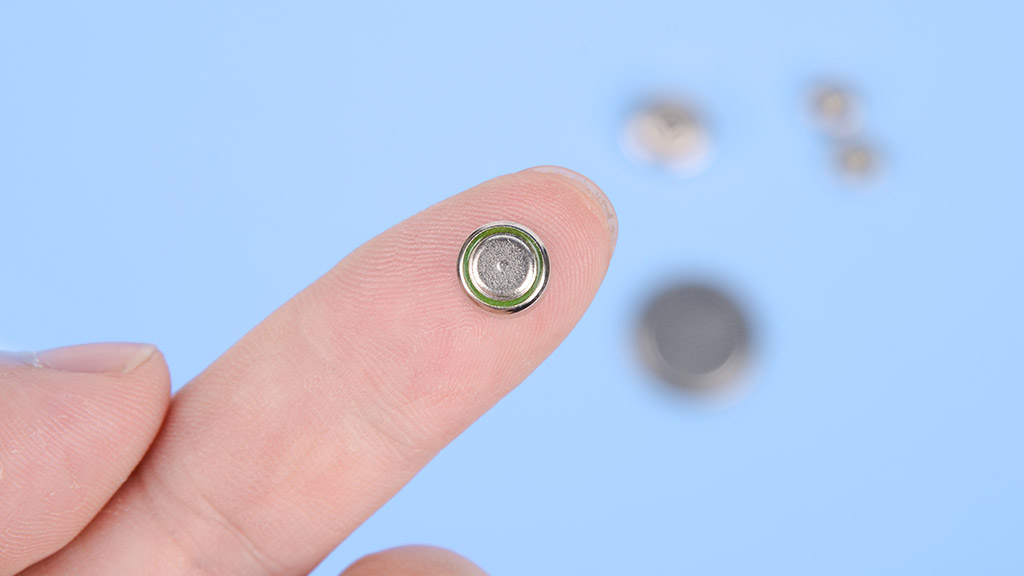
Our mechanical testing comes on the heels of the button battery safety testing we conducted earlier this year on children’s products bought from online marketplaces. This also revealed multiple safety failures.
We also selected a further 18 painted and brightly coloured toys and tested them for chemical content, such as lead and cadmium; fortunately they all passed these tests.
Text-only accessible version
Toy safety test failures from online marketplaces
AliExpress rattle – choking hazards posed by unsecured small parts and the design of the handle.
Amazon lip-shaped whistle – small parts not properly secured posed a choking hazard. The toy is designed to go between lips like a dummy, so could be mistaken for one (or used as one) by small children.
Amazon rattles – handle of one rattle and beads on another posed a choking hazard for babies.
eBay rattle – choking hazards posed by unsecured small parts and the design of the handle.
eBay foam letters and numbers – choking hazard from parts that could be torn off.
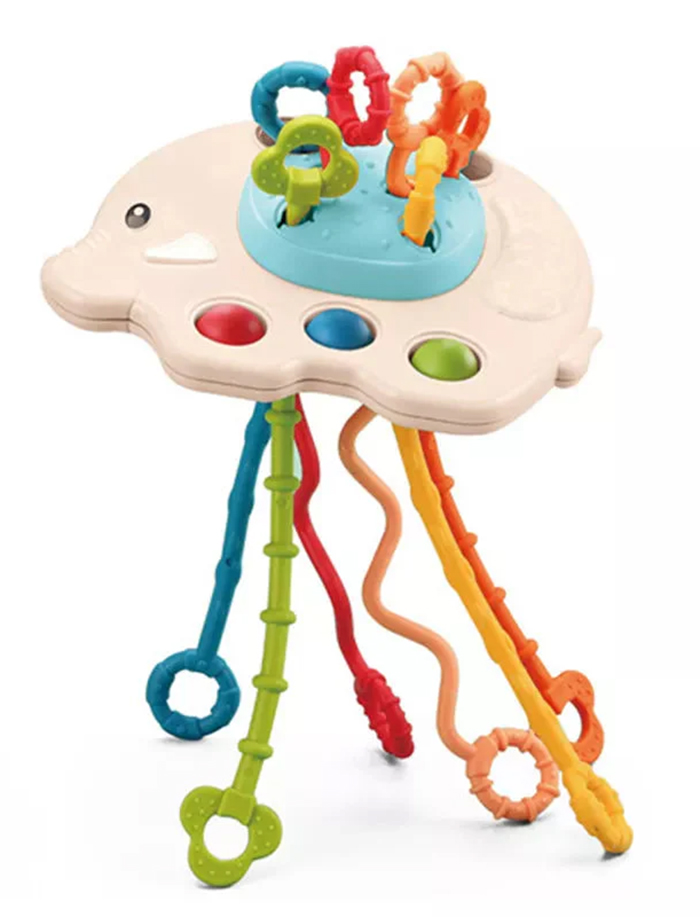
Temu toy teether – choking hazard from pull-strings that could get stuck in a baby’s throat (while the packaging is marked as 18m+, it also features a photo of a younger baby and says ‘tailor-made for babies’)
Kogan – the products we purchased from Kogan passed our safety tests.
Symptom of a larger issue
The failure to prevent online marketplaces from selling unsafe products is just part of the problem.
With no laws currently in place that require manufacturers or retailers to ensure products are safe before they go on sale in Australia, consumers become the unwitting guinea pigs – and often suffer the consequences.
The ACCC estimates that unsafe products cause tens of thousands of injuries and many hundreds of deaths every year in Australia, including products that have been recalled but remain in people’s homes.
This Temu toy teether posed a choking hazard from pull-strings that could get stuck in a baby’s throat.
After we got in touch with the marketplaces selling the toys with safety issues, they generally did the right thing.
A Temu spokesperson says the company “does not permit third-party sellers to list products that fail to meet applicable safety or regulatory requirements,” adding that the teether toy that failed our test had been removed before we contacted the company about it.
An Amazon spokesperson confirmed that the unsafe products had been removed after we flagged them, saying “all products offered in our store must comply with applicable laws, regulations and Amazon policies”.
eBay also confirmed it had removed the dangerous products after we contacted them.
AliExpress rejected our claim that an unsafe baby rattle was for sale on its platform, saying it couldn’t find the item. But we found many similar rattles still available to order.
If there’s a problem with a purchase, customers are generally told by these global sites to take it up with the third-party seller, which is often based overseas and, in many cases, unreachable. In short, today’s digital marketplaces sell billions of cut-rate products of dubious quality and gladly take the money, but they take no responsibility for the safety of what they sell.
“While these unsafe toys have now been removed from sale, they should never have been available for purchase at all. Until we introduce stronger product safety laws, online marketplaces will continue to be under no clear, legal obligation to ensure the products sold by third party suppliers on their platforms are safe, even for children,” says CHOICE director of campaigns and communications Andy Kelly.
“CHOICE is continuing to call for stronger product safety laws which will make it illegal for all companies, including online marketplaces like AliExpress, Amazon, eBay and Temu, to sell unsafe products.”
Andy Kollmorgen is the Investigations Editor at CHOICE. He reports on a wide range of issues in the consumer marketplace, with a focus on financial harm to vulnerable people at the hands of corporations and businesses. Prior to CHOICE, Andy worked at the Australian Securities and Investments Commission (ASIC) and at the Australian Financial Review along with a number of other news organisations. Andy is a former member of the NSW Fair Trading Advisory Council. He has a Bachelor of Arts in English from New York University. LinkedIn
Andy Kollmorgen is the Investigations Editor at CHOICE. He reports on a wide range of issues in the consumer marketplace, with a focus on financial harm to vulnerable people at the hands of corporations and businesses. Prior to CHOICE, Andy worked at the Australian Securities and Investments Commission (ASIC) and at the Australian Financial Review along with a number of other news organisations. Andy is a former member of the NSW Fair Trading Advisory Council. He has a Bachelor of Arts in English from New York University. LinkedIn
For more than 60 years, CHOICE has been fighting the good fight for Australian consumers.
In the past year alone we've uncovered systemic issues with sunscreens, investigated shonky supermarket pricing, fought for stronger scam protections and helped make complex energy pricing fairer and clearer.
CHOICE is here to provide unbiased advice and independent testing in our world-class labs. We buy the products we test, just like you do, and our expert reviews are influence free. We’re here to help you choose smarter. Hopefully you’ll also save some money along the way.
Thanks to CHOICE, you’ll never be alone when a business treats you unfairly. You can support our work by joining or donating to our cause.