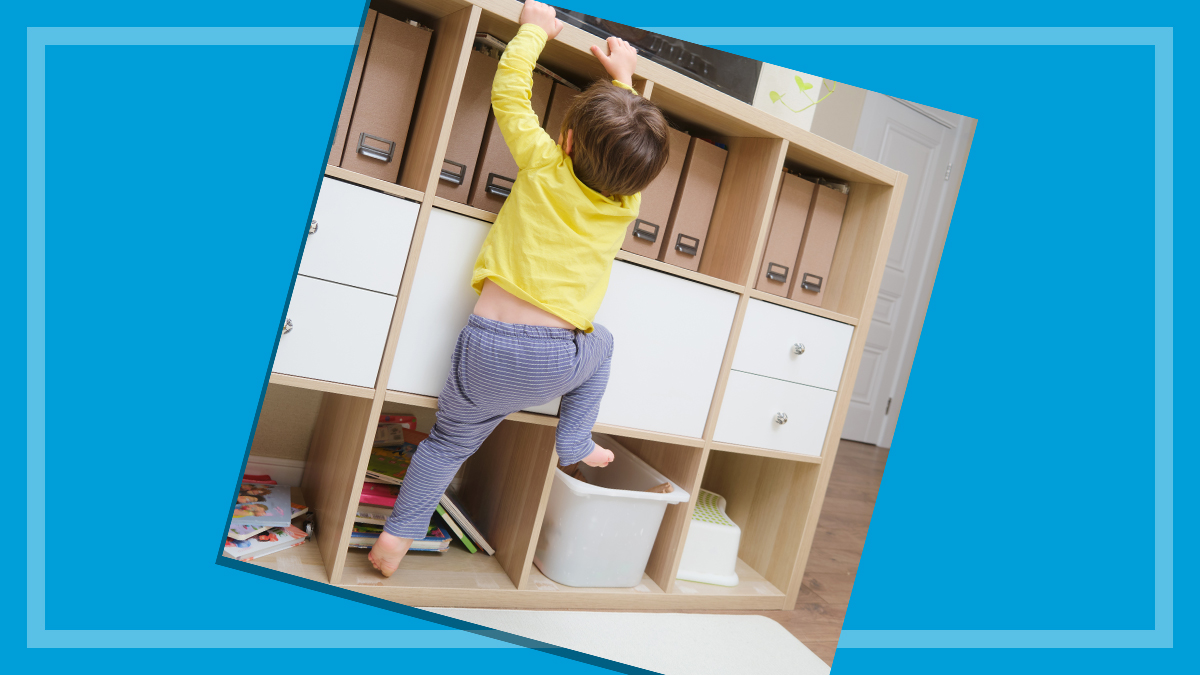
When buying second hand, you might end up with an old model that wasn't subject to safety standards when it was first sold
Recalled products often end up for sale second hand
Second-hand goods bought from a private seller usually aren't covered by consumer guarantees
What’s not to love about buying something second hand or, better still, helping yourself to someone else’s council clean-up? After all, it saves you money and reduces landfill.
But before you buy (or scavenge from the roadside), check out our list of items not to buy second hand.
Using any of these products without knowing their history or taking proper precautions could lead to serious injury. In many cases the risk is to your child, but some second-hand products pose a risk to adult users too.
Risky second-hand products for kids
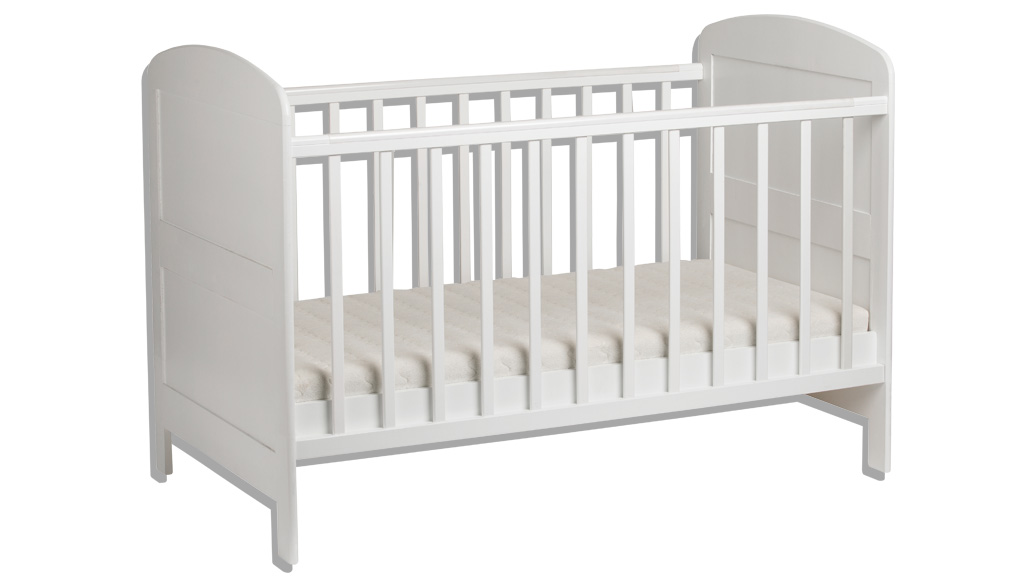
Cots
Second-hand cots are dangerous because they may not meet the mandatory Australian standard, which was introduced in 1998.
But a newer second-hand cot is no guarantee of safety either – even some cots sold since then do not meet the standard, as our tests have found.
Cots that don’t meet current standards can have hazards such as gaps between bars that are too wide and could trap a child’s head or limb.
They can also pose a strangulation risk, for example, through clothing catching on decorative knobs or protrusions. Some old cots may even be coated in dangerous lead paint.
Some old cots may even be coated in dangerous lead paint
However, a cot that’s been made for the Australian market, is in good condition, and is only a few years old is likely to be OK. Look for cots certified to AS/NZS 2172.
Bassinets aren’t subject to any Australian standards or regulations, but we test them too and find many that don’t meet our safety requirements.
Second-hand mattresses can be full of dust mites. Dust-mite droppings contain allergens that can set off asthma, eczema and allergic rhinitis attacks and they could trigger an allergic reaction.
Old mattresses are often also soft and saggy, which can mean they pose an increased risk of sudden infant death syndrome (SIDS) due to the higher chance of a child’s face being covered if they roll face first onto the mattress.
Child car restraints
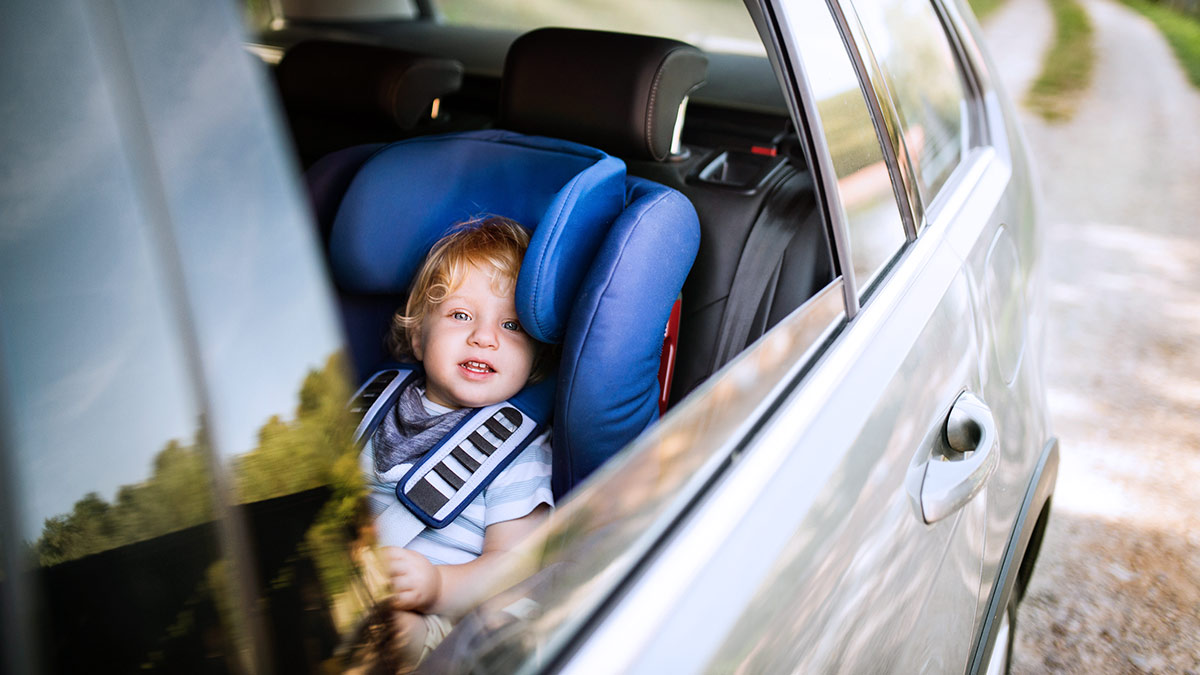
Baby seats should never be reused if they’ve been in a car crash.
Car seats have improved over time, so older models may not comply with current standards. Manufacturers generally advise against using a seat that’s more than 6-10 years old, as parts can wear and become weaker over time.
So never buy a second-hand baby seat unless you know its full history. Always check that it has no signs of wear, cracks or fraying of the safety harness.
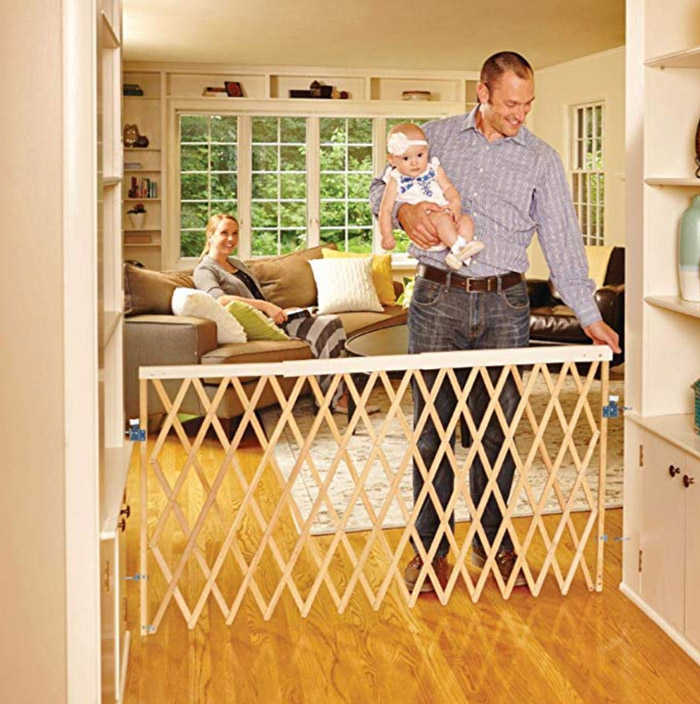
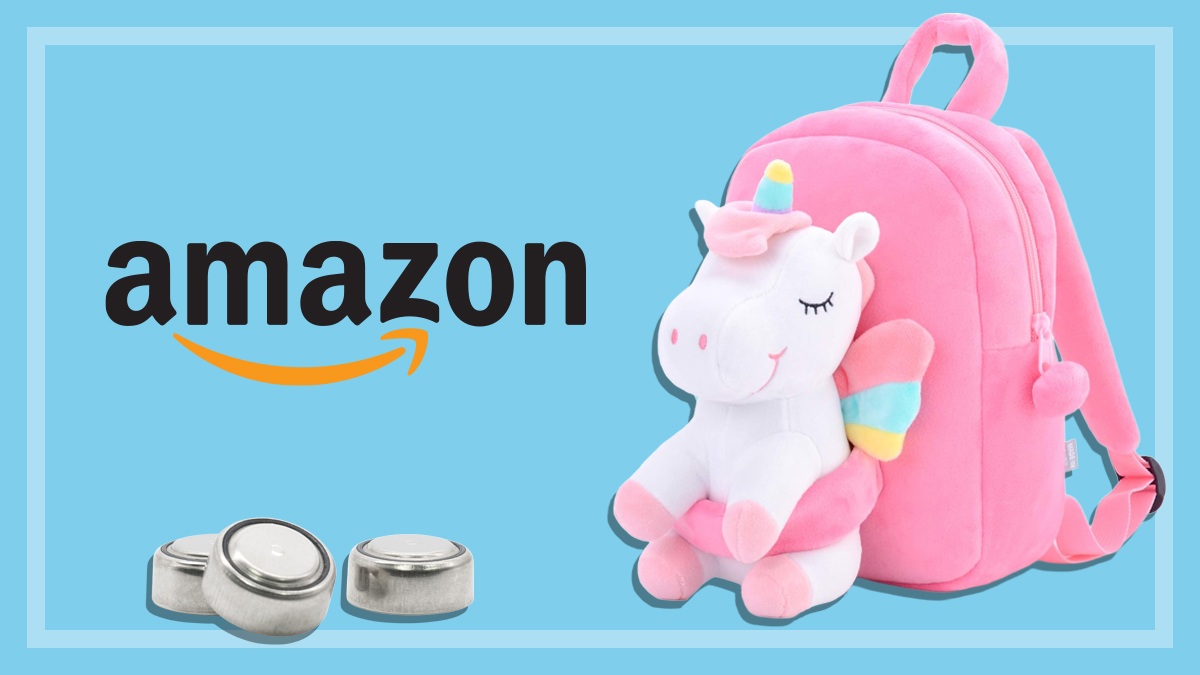
Crisscross accordion baby gates have caused major injuries and deaths. Credit: Amazon.
Crisscross accordion baby gates
Baby gates and barriers are meant to stop toddlers falling down stairs.
Unfortunately, this older-type gate, which opens crisscross like an accordion, can trap a child’s head or clothes and is too easy to climb. Overseas they’ve caused major injuries and deaths.
Toys
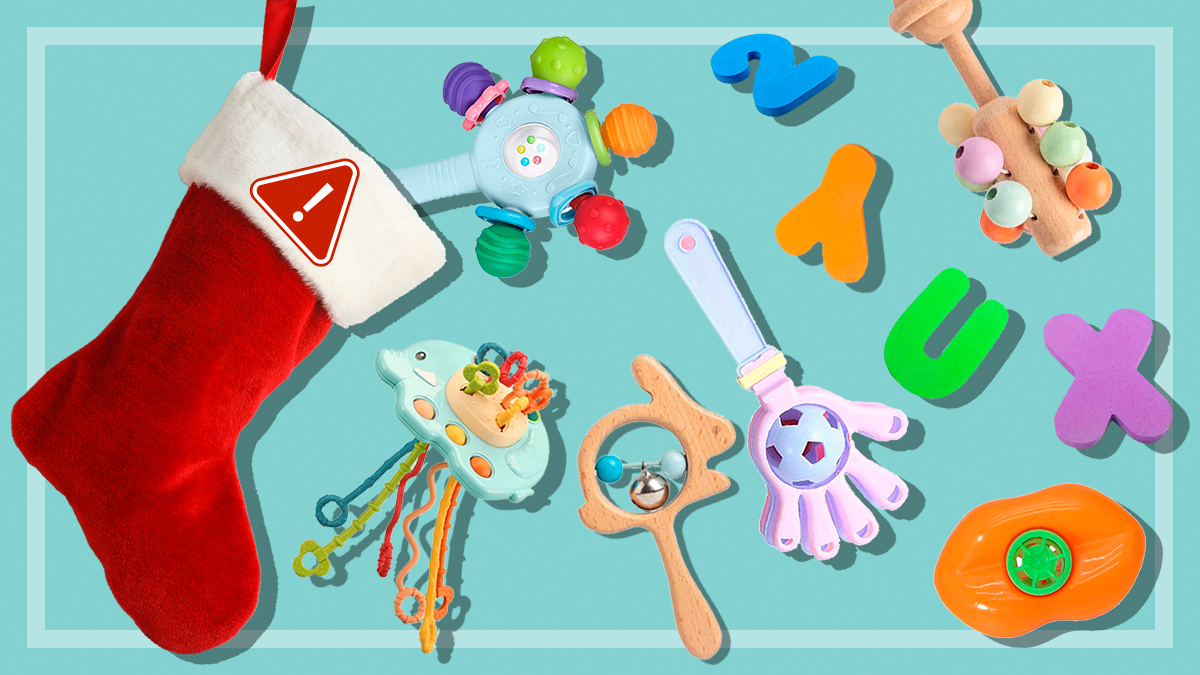
Pre-loved toys have often seen a lot of action in the hands of their young owners. Wear and tear can lead to breaks and small loose parts, which in turn may present choking hazards to babies and toddlers.
Check that toys are in good condition and suitable for your child. For those under the age of three, it’s particularly important that there are no loose or accessible small parts. If a toy or its parts could fit wholly into a 35mm film canister, don’t give it to a child under three.
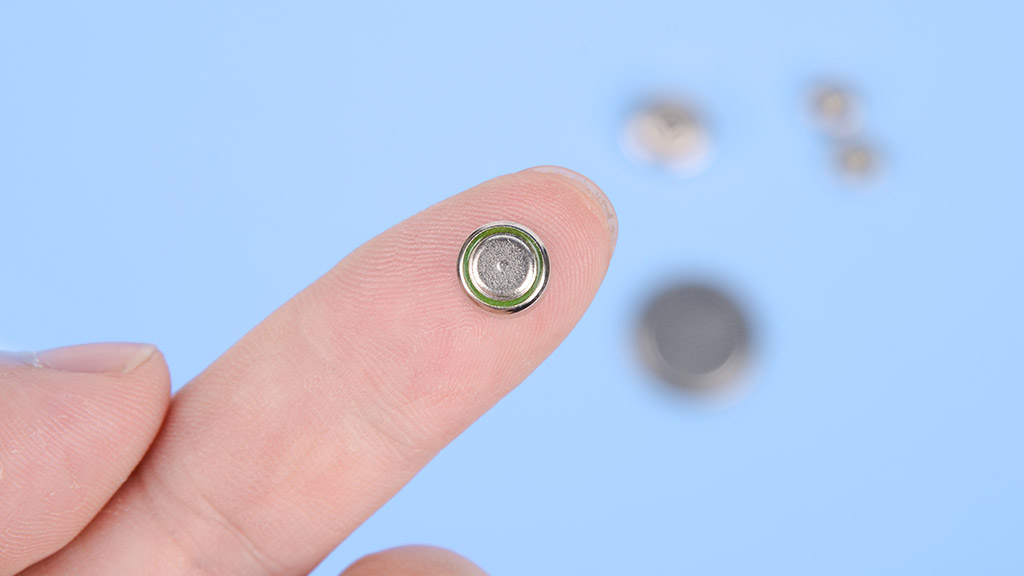
The toys should have no sharp edges or points, and no accessible batteries or strong magnets.
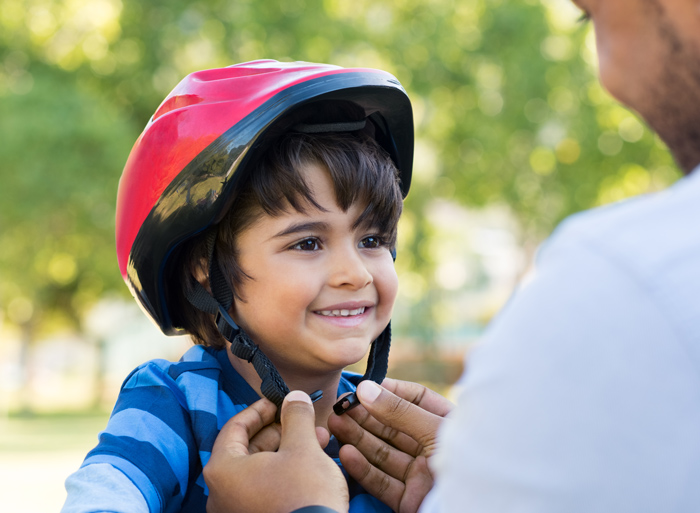
You can’t tell if a helmet’s been in an accident just by looking.
Bike helmets
If you or your kids ride a bike, not only should the bike itself be in good condition, but you also need a bike helmet that fits properly.
Helmets can slide off if they aren’t properly fitted, and they’re really only made to withstand only one big crash – but you can’t tell by looking if a helmet’s already been in that one major accident.
As bike helmets should be replaced every five years anyway, a second-hand helmet is a poor deal all round.
Swimming pools
Pools are expensive to put in, but buying second-hand isn’t always the bargain it seems.
Not only can second-hand pools come with cracks and other defects in their shells, they may also be supplied with old and dangerous skimmer boxes (part of the filtration system) which have been responsible for serious injuries.
If the skimmer box can be sat in, or if there is damage to it, you have to replace it before your pool can be used. And if you buy a house with an existing pool, make sure you check the skimmer box and the pool fence (see below) before you take the plunge.
Pool fences
CHOICE tests of pool fences have found models that are poorly constructed and fail the safety standard. So if you’re buying a second-hand pool fencing, you’re taking some real risks.
But if you’re still keen, make sure you check:
Is the fence robust and unable to be pushed apart using moderate force with your hands?
Is it free of footholds or handholds?
Does the gate still close properly?
Has the fence ever been recalled? (You can check this at recalls.gov.au)
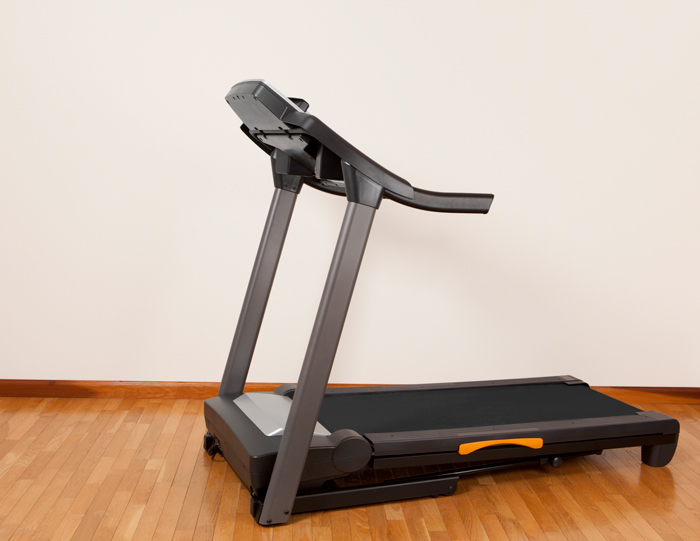
More than 100 Aussie kids have been seriously injured by treadmills at home.
Exercise bikes and treadmills
Young children can be injured by stationary exercise bikes or treadmills. They can put their fingers into a bike’s wheel spokes or chain while another person rides it.
As for treadmills, babies and toddlers may touch the belt while it’s moving and get a friction burn or trapped fingers. More than 100 Australian children have been seriously injured by treadmills at home.
The current mandatory safety standard for exercise bikes requires securely fastened frames around all moving parts, but older-style exercise bikes don’t always adequately cover the moving parts.
Life jackets
Life jackets (more formally known as personal flotation devices or PFDs) undoubtedly save lives.
But in the past they were often so uncomfortable people didn’t actually put them on. What’s more, the most comfy designs were the ones that didn’t keep your head above water, which is a big problem if you’re knocked unconscious in a boating accident.
In the past life jackets were often so uncomfortable people didn’t actually put them on
If you buy second hand, you could be buying these problems.
So particularly when it comes to your kids, it’s worth spending the money on new life jackets, which are safer and more comfortable. But whether you’re buying a new one or second hand, be sure to get the jacket fitted properly.
Some of the products we’ve listed above can be a risk for adults as well as children. But there are other products that only an adult would use and which may be dangerous when bought second hand.
Electrical and power tools
A mistake here can be deadly. Faulty second-hand power tools have caused electrocutions, and loose or worn parts can cause other hazards.
It’s because of this kind of safety risk that very few second-hand or op shops sell second-hand electrical tools any more.
If you do get a used tool or other electrical appliance, check that it has a valid tag or have it checked out by a registered electrical contractor or licensed electrician before you plug it in.
And if it has a power cord, check that the cord is in good condition and securely connected.
Car jacks
Car jacks already cause serious crush injuries and deaths every year, mostly from people using them at home to raise their vehicles for under-car maintenance (a big no-no) instead of using a trolley jack and safety stands.
But many second-hand jacks are also dangerous because they don’t meet more recent safety standards. Some older jacks don’t even pass the previous standard, so never take a chance with them.
There are also voluntary standards for many of these and other products, which are regularly updated.
Even if the item is in good condition, it might not be as safe as a newer model
When buying a second-hand version of any of these items, you’re taking the risk that you’re buying an old model that wasn’t subject to standards when it was first sold, or was not made to pass the latest and best version of the relevant standard.
Even if the item is in good condition, it might not be as safe as a newer model. And remember, second-hand goods bought from a private seller usually aren’t covered by consumer guarantees.
You can find a full list of products subject to mandatory standards on the ACCC website. Take care when buying any of these products second hand.
Recalled second-hand items
Recalled products still frequently end up for sale second hand, so check your find on the recalls section of the ACCC website before you buy.
If you buy a product from an overseas website, there’s a risk it won’t meet Australian standards.
Buying online
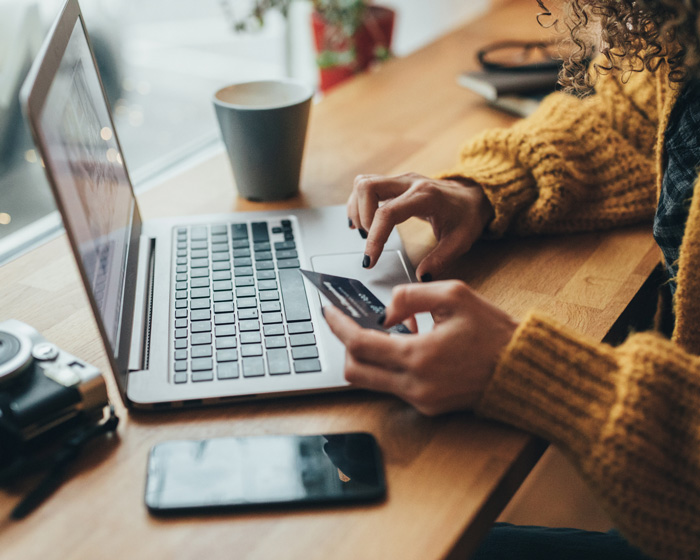
Online shopping is routine for most Australians these days, but there are a few things to keep in mind.
Make sure that:
the product is clearly identified and all the important details are described
delivery options and costs are clear
you’re able to contact the seller easily if anything goes wrong. This is particularly important when buying on auction or on second-hand sites such as eBay or Gumtree.
Safety standards apply to many children’s products sold in Australia. If you buy from an overseas website, there’s a risk that the product won’t meet Australian standards. So look for statements that the item is certified to the relevant Australian standard.
As well as taking care when buying second-hand goods, you can also take steps to make sure your old things don’t pose a danger to someone else.
We suggest you ‘decommission’ all devices that shouldn’t be re-used. For example, cut off the electrical cord on appliances before putting them on the rubbish pile or on the roadside for council collection.
Chris Barnes is a Senior Project Officer. He manages the product reviews that are done outside of CHOICE with external labs or data sources. This includes solar panels, electric heaters, air purifiers and detergents. Chris also manages our testing services through our commercial arm, Test Research, and he is CHOICE's NATA authorised representative for our lab's formal accreditations. Chris is involved with the standards committee for air conditioners. And he works with government and industry in areas such as product safety and regulation. In over 20 years at CHOICE, Chris has managed lab teams for a wide range of products, including children's products, kitchen appliances, laundry appliances, garden power tools and more. Chris has a Science degree from the University of Sydney. LinkedIn
Chris Barnes is a Senior Project Officer. He manages the product reviews that are done outside of CHOICE with external labs or data sources. This includes solar panels, electric heaters, air purifiers and detergents. Chris also manages our testing services through our commercial arm, Test Research, and he is CHOICE's NATA authorised representative for our lab's formal accreditations. Chris is involved with the standards committee for air conditioners. And he works with government and industry in areas such as product safety and regulation. In over 20 years at CHOICE, Chris has managed lab teams for a wide range of products, including children's products, kitchen appliances, laundry appliances, garden power tools and more. Chris has a Science degree from the University of Sydney. LinkedIn
For more than 60 years, CHOICE has been fighting the good fight for Australian consumers.
In the past year alone we've uncovered systemic issues with sunscreens, investigated shonky supermarket pricing, fought for stronger scam protections and helped make complex energy pricing fairer and clearer.
CHOICE is here to provide unbiased advice and independent testing in our world-class labs. We buy the products we test, just like you do, and our expert reviews are influence free. We’re here to help you choose smarter. Hopefully you’ll also save some money along the way.
Thanks to CHOICE, you’ll never be alone when a business treats you unfairly. You can support our work by joining or donating to our cause.