How to buy the best electric fireplace heater for your home
No chimney? No problem. Our guide to flame-effect heaters.
Last updated: 15 May 2018
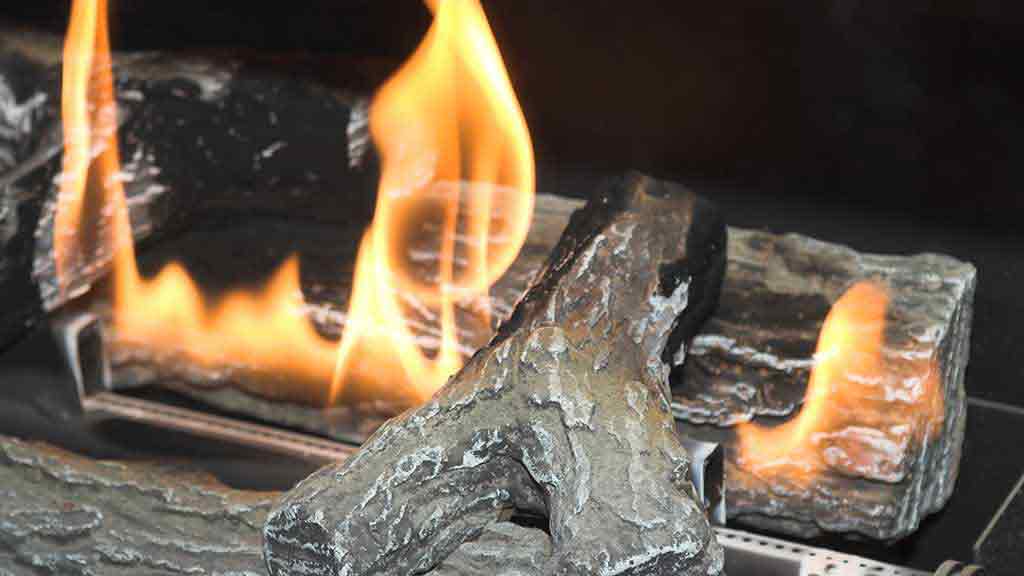
Trying to work out the best way to stay warm this winter? How would you like the old-world charm of a fireplace, without the smoke or mess or even the need for a chimney? Then take a look at an electric fire, also known as a flame-effect heater.
On this page:
These perform as a normal electric convection heater but with the added visual effect of (artificial) flames. One of these could be the antidote to a cold, wintry evening if you prefer the cosy flicker of a fire over the plainer look of a more typical electric heater.
What to look for
Check our electric heater buying guide for the full run-down on what to look for. With a flame-effect heater, the most important features to look at are:
Style
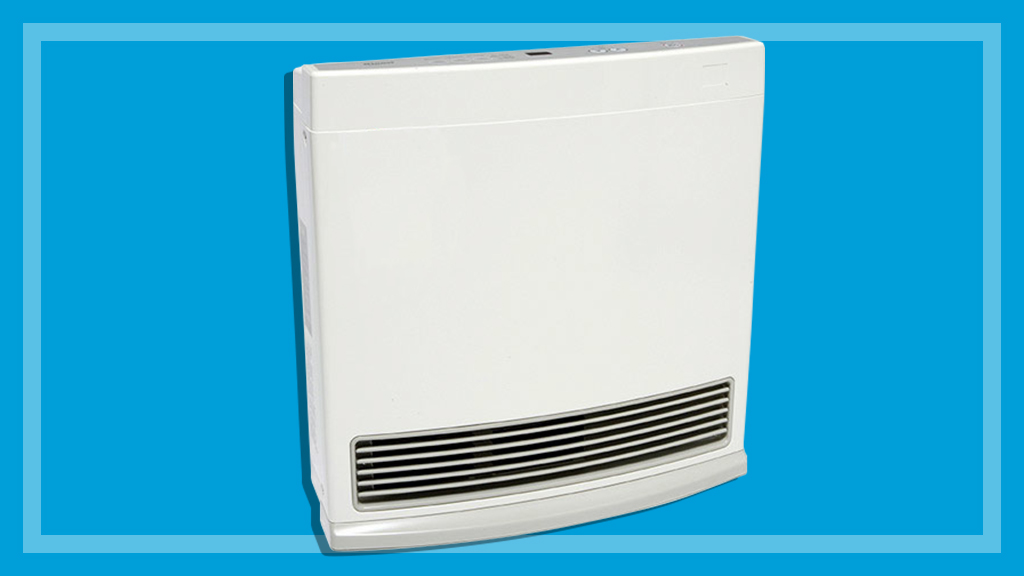
Flame effect heaters come in a range of forms, including sleek modern metal boxes, old-style stove-like models and even full fireplaces complete with fake logs and a stone or timber frame and mantelpiece. Try to see the heater in action before you buy; you want to be happy with the look of the “flames” since this is the main reason for buying one of these heaters.
Controls
These heaters usually offer a fairly simple range of controls – two heat settings and the ability to operate the flame effect without heating should be standard. Some have a remote control.
Fan
Most models have a fan to distribute the warm air around the room, but should also be able to heat without the fan on, for a quieter operation.
Thermostat
Some models also have a thermostat, which switches the heating elements on and off to maintain a target room temperature.
Flame dimmer
For that extra level of ambience, some models also allow you to change the flame level to suit your mood.
Cord length
Make sure the electrical cord of the heater will reach your power point, as the use of an extension lead is not recommended for electric heaters.
Safety
Look for all the usual safety features that any electric heater should have. None of the outer surfaces should get too hot to touch. Portable models should have a tilt switch that shuts the heater off if it is knocked over, and a safety mechanism that shuts them off if they overheat (such as when the heater is accidentally or deliberately draped with clothes that need drying – never do that! Put them on a rack near the heater instead.).
Replacement bulbs
Most flame-effect heaters use standard clear candle-type light bulbs to create a flame effect and they should be fairly simple to replace. If a bulb goes out, the model should continue to operate as a normal convection heater.
Efficiency and running cost
These heaters are much the same as a more typical electric convection heater in terms of efficiency and running costs. In other words, they are not as efficient as a reverse-cycle air conditioner, but can still be a good option for heating a small room.
Cost
They range from around $150 – $500, but you can pay $2000 or more for a full realistic fireplace model.
Chris Barnes is a Senior Project Officer. He manages the product reviews that are done outside of CHOICE with external labs or data sources. This includes solar panels, electric heaters, air purifiers and detergents. Chris also manages our testing services through our commercial arm, Test Research, and he is CHOICE's NATA authorised representative for our lab's formal accreditations. Chris is involved with the standards committee for air conditioners. And he works with government and industry in areas such as product safety and regulation. In over 20 years at CHOICE, Chris has managed lab teams for a wide range of products, including children's products, kitchen appliances, laundry appliances, garden power tools and more. Chris has a Science degree from the University of Sydney. LinkedIn
Chris Barnes is a Senior Project Officer. He manages the product reviews that are done outside of CHOICE with external labs or data sources. This includes solar panels, electric heaters, air purifiers and detergents. Chris also manages our testing services through our commercial arm, Test Research, and he is CHOICE's NATA authorised representative for our lab's formal accreditations. Chris is involved with the standards committee for air conditioners. And he works with government and industry in areas such as product safety and regulation. In over 20 years at CHOICE, Chris has managed lab teams for a wide range of products, including children's products, kitchen appliances, laundry appliances, garden power tools and more. Chris has a Science degree from the University of Sydney. LinkedIn