How to buy the best eco-friendly car
Looking for a clean, 'green' machine? We explain electric, hybrid and fuel-efficient technology.
Last updated: 25 Mar 2024
If you’re in the market for a new or used car, you might want to consider a ‘green’ car to reduce your impact on the environment (and your budget).
On this page:
Cars are a major cause of air pollution in urban areas, producing harmful substances such as carbon monoxide, nitrogen oxides and hydrocarbons. Road traffic is responsible for about 17% of Australia’s greenhouse gas emissions, making it the third largest source.
Not everyone is ready to (or can) give up their wheels completely, but luckily there are cars available that have less impact on the environment than the standard petrol engine.
With fuel prices fluctuating all the time, a fuel-efficient car means more money in your pocket. But if you’re looking to save money overall, you’ll need to do your homework (and some maths), as the purchase cost of the car might cancel out any savings at the bowser. If you’re keen on being kinder to the environment, some technologies will be better at this than others.
Fuel-efficient petrol, hybrid and electric cars
The fuel-efficient petrol, hybrid and electric cars available in Australia are easy to drive and use less fuel than comparable conventional models. They burn less oil and emit less pollution and greenhouse gases. However, these cars cost more than their standard equivalents, so you’ll need to drive them for many years before you recover the difference.
Electric cars
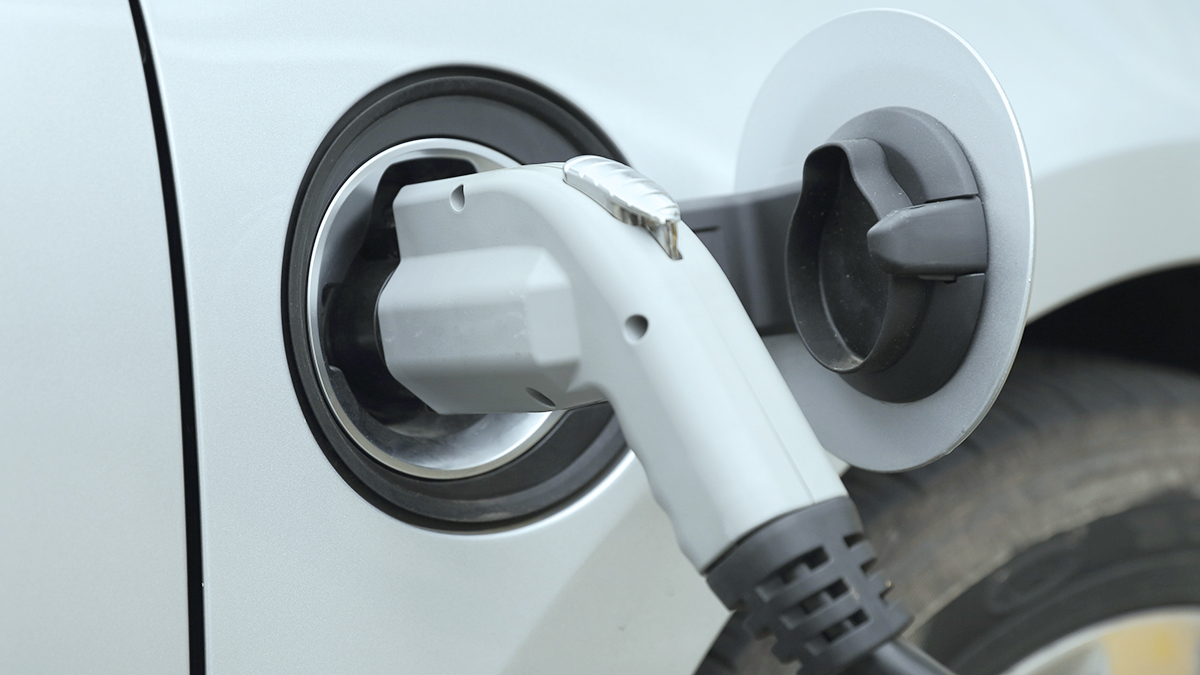
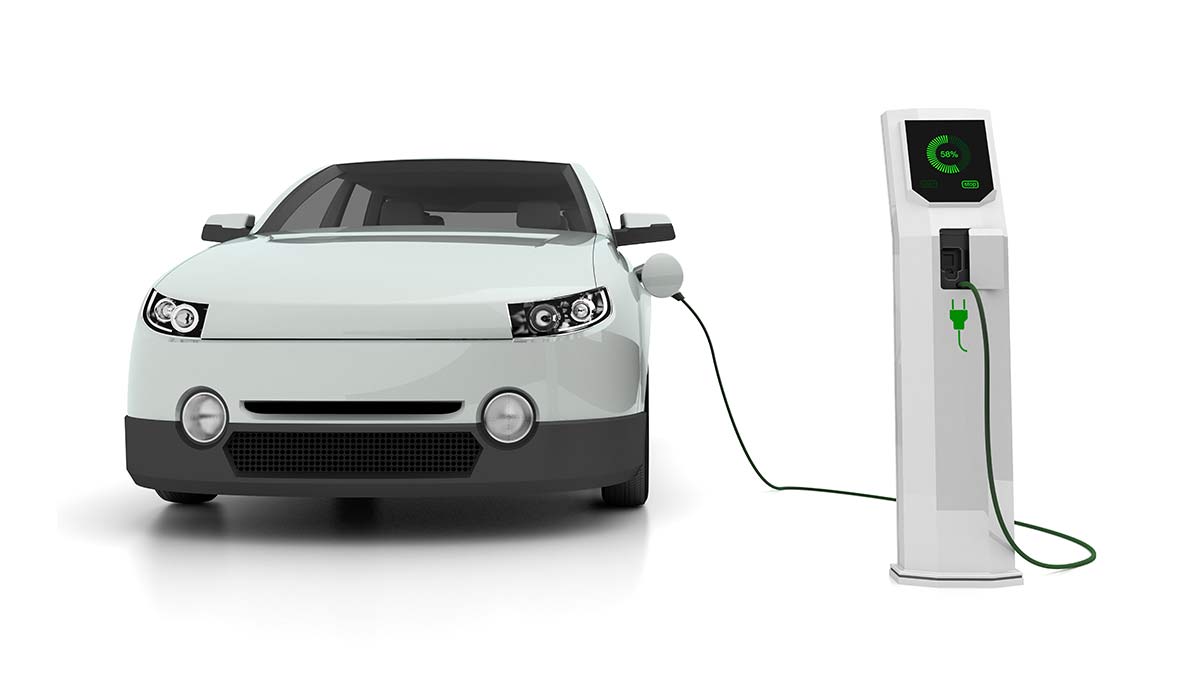
An electric car is powered by an electric engine and battery. Introduced into Australia over a decade ago, there has been a very slow uptake of these types of vehicles because:
- they’re more expensive than a petrol-fuelled car
- of ‘range anxiety’ (concerns about not being able to go longer distances)
- there are fewer recharging stations compared with petrol stations
- of the cost to replace battery
- there are fewer government subsidies offered than in other countries.
These drawbacks may become less of a concern as infrastructure increases, battery prices come down and charging stations become commonly installed in existing and new buildings. With better battery technology, range anxiety will also probably decrease, and if electric cars become more mainstream, their price will become more competitive. There are currently many types of electric cars in Australia such as the Nissan Leaf, Tesla and others, with more slated for release in the future.
A current advantage of the electric car is the lack of moving parts compared to a petrol engine vehicle, which should make it cheaper to service the car. As per the plug-in hybrids above, how ‘green’ these cars are depends on how green the electricity source is.
Fuel-efficient petrol cars
Car manufacturers can use a number of new technologies to make petrol-run cars more efficient without resorting to battery technology. These include:
- guidance mechanisms for more efficient gear changing
- automatic gearing that makes the best use of gear ratio
- an engine-off mechanism that turns off the engine when the car stops at lights
- braking systems that feed energy back into the car battery
- low profile tyres to make rolling resistance more efficient
- a lighter body weight meaning better fuel efficiency
- engines that are more efficient and use lighter materials.
Examples of car models that use these technologies include the Mazda SkyActiv and VW BlueMotion.
Hybrid cars
Hybrid cars use a combination of battery technology (electric engine) and a petrol engine. There are four main technologies available at the moment.
Power split or series parallel hybrid – the electric engine can power the car on its own. Examples include the Hyundai Ioniq, Toyota Prius, Toyota Camry and Toyota Prius C.
Parallel hybrid – the electric engine assists the petrol engine when it’s moving. Examples include the Honda CR-Z, Honda Civic Hybrid, Honda Accord and Honda Insight.
Series hybrid – these cars mostly run on battery, and the petrol engine recharges the battery. At the moment there aren’t current series hybrids in Australia. Previously we had the Holden Volt and BMW i3 REX.
Plug-in hybrids – these cars supplement energy generation by charging from the power grid, however they’re not yet common in Australia. How ‘green’ these cars are depends on where the car owner sources their electricity (coal fired or a green energy source like solar).
Will an electric vehicle save you money?
If we look at our EV review, using the Wh / kim shows the cost of fuelling a pure electric vehicle averages just over $1075 annually. The cost of filling your car with fuel, according to the Affordability Index, is just under $4000 a year, and even higher in regional areas. These will vary based on brand and model, though the basis for the distance travelled is similar (14,000km per year).
While registration costs are likely to be similar in most states, how does the purchase price compare? These will vary again, based on size, brand and model. But given the discrepancy between electricity and petrol as fuels, the gap between these is getting closer. Having solar panels feeding your car will further narrow that gap.
We strongly recommend sitting down and doing the calculations before spending the extra money for an electric vehicle. You might be pleasantly surprised, or it might just not make financial sense for you right now. As subsidies are brought in to help people get into electric vehicle ownership, costs will progressively get lower, as they have been for petrol-fuelled cars.
Electric vehicle batteries
Most batteries are made from Lithium-Ion these days, though previously many were made from Nickel-Metal Hydride. The advantage of Lithium-Ion – used in many other areas – is their quick charging and lower weight. They also tend to last longer. Car batteries warranties range around 8–10 years.
There are battery stewardship programs in Australia now which are working to repurpose batteries from electric vehicles into other industries, such as home battery storage. Of course there is no reason to replace your car when the battery runs to its end of life. Electric vehicles have the advantage of being able to replace the battery, though just like a petrol engine replacement, it’s not cheap.
Different fuel types – petrol, diesel or LPG?
A litre of LPG contains less energy than a litre of petrol, so LPG consumption per 100km is higher than petrol consumption for models that have LPG and petrol versions. However, it burns a lot cleaner than petrol, so emissions are lower.
Cars that run on diesel are usually more fuel-efficient than petrol versions of the same model. However, they produce particulate matter and higher levels of nitrogen oxides.
Fuel consumption of hybrid cars
Size-wise (not engine-wise – the point of hybrids is that they have smaller petrol engines) Toyota compares the hybrid Prius to its regular Camry. In tests carried out for the Australian Green Vehicle Guide, the fuel consumption in the standard combined city/highway test cycle for the Prius was just 3.9L/100km – the automatic 2.5L version of the Camry uses 7.8L/100km. The Honda Civic Hybrid uses 4.4L/100km, and the comparable non-hybrid Honda Civic, the manual Si sedan, uses 6.9L/100km.
So one thing is clear – if you drive a hybrid, you’ll be filling up less often.
A hybrid car may not save you money
Petrol is not (yet) quite expensive enough to make a hybrid the accountant’s vehicle of choice. With petrol at $1.70/L, and based on travelling 14,000km/year and the above consumption figures, it would take many years to gain back the difference in purchase prices between the base Prius and the Camry. Ditto for the Honda. But that’s assuming petrol prices won’t rise!
Hybrid and electric car emissions
Hybrid cars emit much less greenhouse gas than most standard petrol cars. The main greenhouse gas from cars is carbon dioxide, which is directly related to the amount of fuel used.
When it comes to electric vehicles, the big advantage for environmentally-conscious drivers is the lack of emissions from the non-existent tailpipe. There will be indirect emissions, however, related to the electricity source that powers the battery.
Which car is the greenest?
If your goal is zero emissions, the greenest set of wheels you can drive (other than a bicycle) is an electric car charged with solar electricity, or any other low-carbon power source such as wind or hydro.
Charging an electric car with electricity generated from coal or oil means carbon emissions are still being generated (in somebody else’s backyard) and the impact on the environment is likely to be greater than that of a hybrid or fuel-efficient petrol car.
Hybrids are a greener option than petrol cars, because the better the fuel efficiency, the lower the emissions.
How much do eco-friendly cars cost?
- Electric cars cost upwards of $45,000.
- Hybrid cars cost upwards of $25,000.
- Fuel-efficient petrol cars cost upwards of $19,000.
Matthew Steen is the Director of Reviews and Testing, which conducts all the testing for CHOICE. He has had a long and storied history in the consumer movement.
Matthew is driven to work at CHOICE for its constitutional mission and its dedication to making Australia more fair, safe and just.
Matthew represents CHOICE as a council member on the Standards Australia Council. He is also responsible for CHOICE lowering its environmental footprint.
Find Matthew on LinkedIn.
Matthew Steen is the Director of Reviews and Testing, which conducts all the testing for CHOICE. He has had a long and storied history in the consumer movement.
Matthew is driven to work at CHOICE for its constitutional mission and its dedication to making Australia more fair, safe and just.
Matthew represents CHOICE as a council member on the Standards Australia Council. He is also responsible for CHOICE lowering its environmental footprint.
Find Matthew on LinkedIn.