03.Your Cardiovascular Action Plan
1. Blood lipid (cholesterol) monitoring Use diet, and medication if necessary, to achieve your goals.
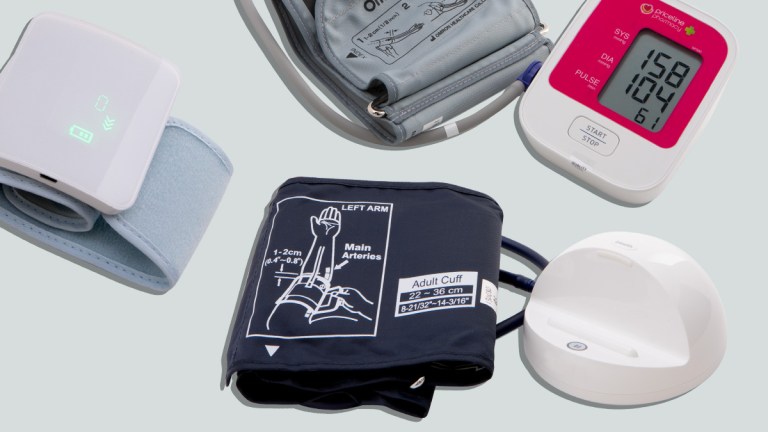
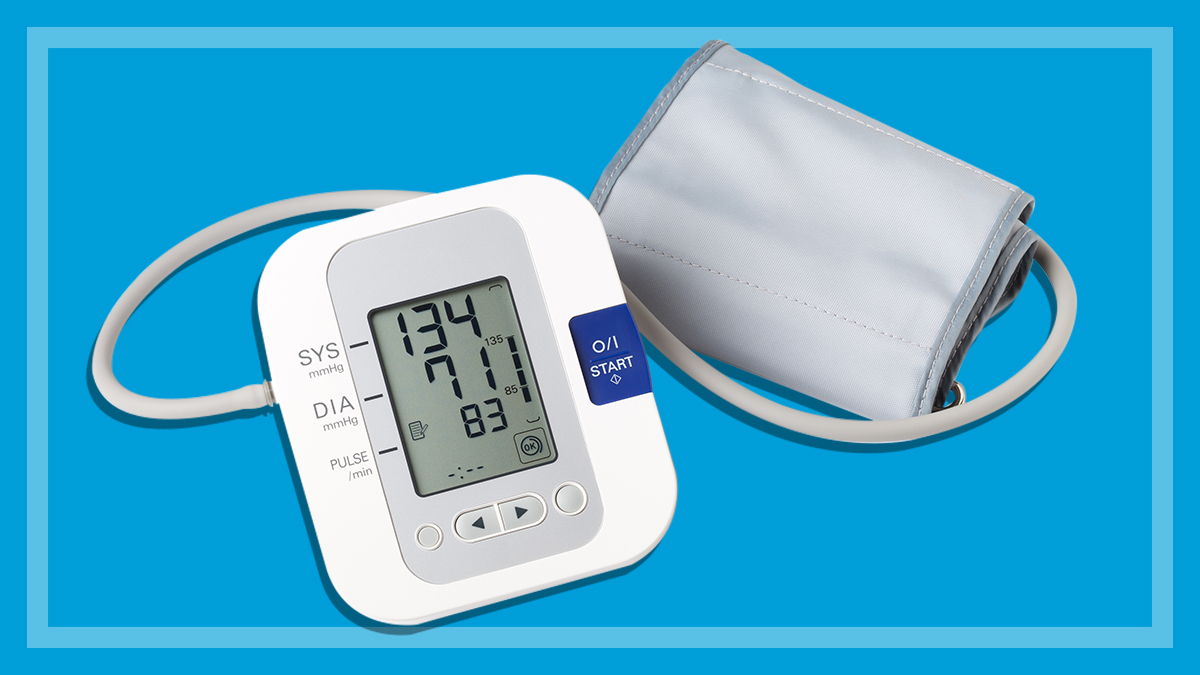
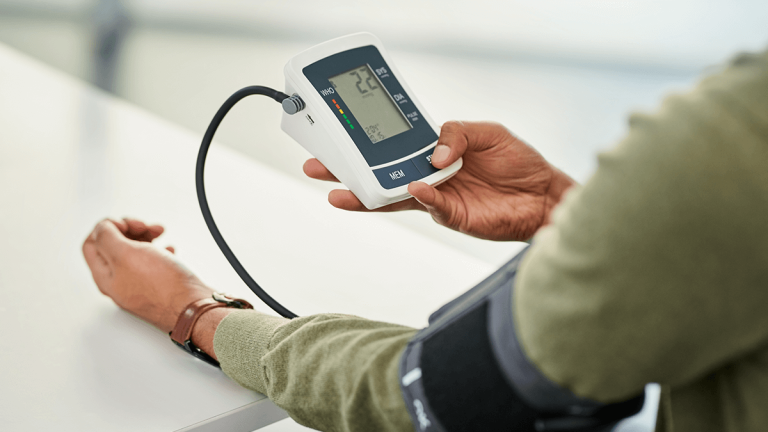
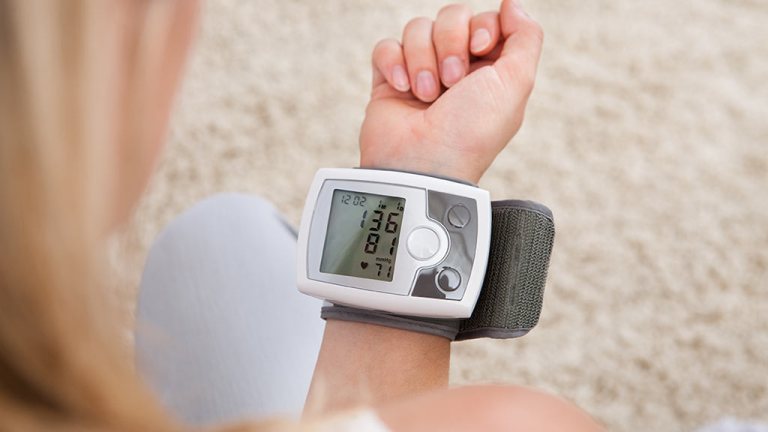
2. Blood pressure monitoring Use exercise, diet, reduced salt intake, and medication if necessary, to achieve your goals.
3. Diabetes screening for hidden early diabetes. Good diet, exercise and weight control can keep type 2 diabetes at bay.
4. Stop smoking Ask your GP for help, which may include medication, or call the Quitline on 13 78 48.
5. Absolute CVD risk assessment Assess the combined impact of the above four factors with your GP. This applies to people aged 45 to 74 without a known history of CVD. For low risk (less than 10% risk of a CVD event in the next five years), recheck every two years. For moderate risk (10% to 15% risk of a CVD event in the next five years), review every six to 12 months. For high or very high risk (over 15%), review is according to clinical requirements.
6. Weight control If weight loss is difficult for you, physical activity can still provide real health benefits for overweight people.
7. Regular exercise Ideally, 30 minutes on most days with enough intensity to make you ‘huff and puff’.
8. Family history assessment Medication may be suggested even if other risk factors are good.
9. The ‘stress factor’ should figure in any life decisions that you may make. High stress levels have been linked to increased risk of both heart attack and stroke.