How to buy the best rainwater tank
What to consider when saving water for your home or property.
Last updated: 18 Oct 2019
There aren’t many consolations to a rainy day – cosy couch time, soothing sounds of drops on the roof, and maybe a rainbow or a puddle-splash afterwards. But you can add another by installing a water tank to capture some of that downpour: it’ll shrink your environmental footprint by reducing your demand on mains water and the amount of stormwater runoff into rivers and oceans, and can also cut your water bill in the long term.
On this page:
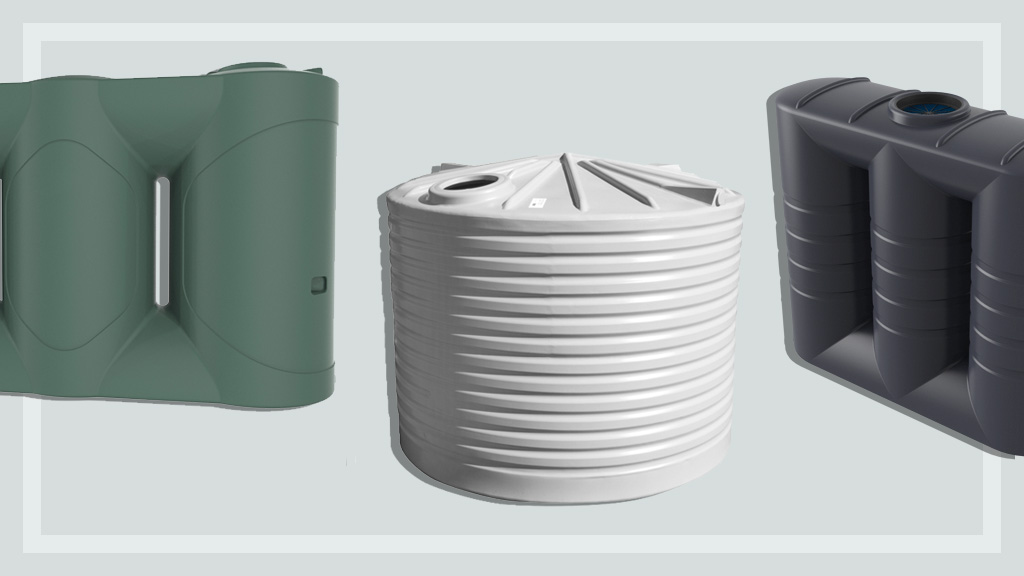
Rainwater tanks are no longer just huge, round and ugly; they come in all shapes and sizes that can make efficient use of small or tricky urban spaces.
Water for outdoor or indoor use?
The most important issue to consider before you buy and install a rainwater tank is how you want to use the water.
Using the water outdoors – for watering the garden and washing the car, for example – is the easiest way to start, as you probably just need the supplier to install the tank, rather than a licensed plumber. And it will immediately cut your consumption of mains water.
Save even more by sending the water to your toilet, washing machine or hot water system, but you’ll need a licensed plumber to connect the tank to your mains supply.
What size tank do I need?
The capacity you choose will depend on the size and shape of your household and garden. Round, squat tanks fit well under a deck, while slimline tanks are good for narrow spaces. An underfloor tank or bladder storage system is a good out-of-sight space saver, but is more expensive.
Your roof area and the annual rainfall in your region will also have to be considered. To help determine the size and shape that’s right for you, sellers often provide calculators on their websites, or your water authority may be able to help.
What else do I need to know before buying a rainwater tank?
Materials
Water tanks generally come in the following materials:
- Metal tanks are made from corrugated or flat rolled metal, which may be galvanised or coated. They often come with a plastic inner lining (Aquaplate) that will increase the life of the tank and protect the water quality.
- Polyethylene (plastic) tanks are popular as they are relatively cheap and durable. Because rust isn’t an issue, they are a good option for people living near the ocean. Other synthetic materials, such as PVC and geotextile, are used for bladder storage. Bladders are useful for water storage below a deck or floor; while their material is tough, it’s not intended for outdoor installation.
- Fibreglass tanks are rust and chemical-resistant and designed to withstand extreme temperatures. They’re not the cheapest option, and more suitable for above-ground installation, while all other types can also be installed below ground.
- Concrete tanks, more often used for agricultural and industrial purposes, won’t rust, burn, melt or blow away. They can be bought ready-made, or custom made onsite.
Regulations covering rain water tanks
Ask your local council and water supplier which rules and regulations apply in your area. You may need to submit a development or building application, and there may be rules around drinking rainwater or mosquito breeding prevention, as well as restrictions on the tank’s location, colour, height and labelling or noise regulations for a pump.
Are you renovating, building new or retrofitting?
If you are renovating or building, rather than retrofitting, you may have to incorporate energy and water-efficient features in your plans to comply with new legislative requirements.
Extra costs
When getting quotes, ask if there are any further costs for delivery and installation; extra materials (such as pipes, fittings and taps); optional extras (such as a first-flush or backflow-prevention device); a pump (unless you can use gravity for water pressure); and a stand (unless you want to put it on the ground or below it, in which case you’ll need to factor in the cost of special ground prep or excavation).
If you want to connect the tank to your mains water supply, factor in the cost of a licensed plumber, and costs for any additional work that needs to be done to your roof and/or guttering.
Can you get a water tank rebate?
Check with your local water or government authority to see if you’re entitled to a cash rebate or bill reduction – the answer may depend on the size of the tank and whether it’s connected to a toilet and/or washing machine.
Cost of rain water tanks
Rainwater tanks can range from around $700 to $2000, starting from a small, freestanding model without pump or extras, to large, custom-built models. Costs vary depending on the size, material, finish and strength of the tank.
Chris Barnes is a Senior Project Officer. He manages the product reviews that are done outside of CHOICE with external labs or data sources. This includes solar panels, electric heaters, air purifiers and detergents. Chris also manages our testing services through our commercial arm, Test Research, and he is CHOICE's NATA authorised representative for our lab's formal accreditations. Chris is involved with the standards committee for air conditioners. And he works with government and industry in areas such as product safety and regulation. In over 20 years at CHOICE, Chris has managed lab teams for a wide range of products, including children's products, kitchen appliances, laundry appliances, garden power tools and more. Chris has a Science degree from the University of Sydney. LinkedIn
Chris Barnes is a Senior Project Officer. He manages the product reviews that are done outside of CHOICE with external labs or data sources. This includes solar panels, electric heaters, air purifiers and detergents. Chris also manages our testing services through our commercial arm, Test Research, and he is CHOICE's NATA authorised representative for our lab's formal accreditations. Chris is involved with the standards committee for air conditioners. And he works with government and industry in areas such as product safety and regulation. In over 20 years at CHOICE, Chris has managed lab teams for a wide range of products, including children's products, kitchen appliances, laundry appliances, garden power tools and more. Chris has a Science degree from the University of Sydney. LinkedIn