Models tested
- Acer Veriton N260G
- Apple Mac Mini
- ASUS EeeBox PC EB1501
- BenQ nScreen i91
- Dell Inspiron One 19
- Dell Inspiron Zino HD
- Pioneer tvPC Cap7
- Viewsonic PC mini 132
How we test
Our testing of each PC includes an assessment of design, performance and ease of use by our expert tester and a user panel.
Performance testing includes our tester benchmarking each PC using the PCMark Vantage software tool, which simulates everyday computing using a 32bit version of Windows 7 to see how well the system copes with common tasks such as browsing, email, image manipulation, video playback, 3D gaming and multitasking. The tester also measures power consumption in standby and active modes; then calculates annual power cost using a common usage scenario of 20 hours standby and four hours active usage per day, with cost calculated at $0.17/kWh.
The tester also measures the boot time of each PC from off, to a ready state, though this doesn’t contribute to the overall score.
Ease of use assessment includes ease of setting up each PC and its build quality, the type of security software and licence included, how easy it is to migrate and/or synchronise data with other PCs, and user assistance such as manuals, help files and technical support. It also includes a user panel rating each device for usability. This involves the ease of setup of the device right out of the box and how easy it is to perform common tasks with each PC, such as configuring Wi-Fi networking, connecting to a TV, accessing photos on a memory card and playing a DVD movie.
Here’s how the three types of compact destktop computer compare:
Net-top PCs
Basically a desktop version of a Netbook – similar in technical specifications and designed to be a small and low-cost easy-to-use desktop entry point for users with basic needs. Like netbooks, net-tops are best suited to common computing tasks such as web browsing, email, and word processing and audio/video playback, rather than intensive computing tasks such as photo and video editing. As with netbooks, many use processors from Intel’s Atom range, or low-power equivalents from chip maker AMD.
All-in-one PCs
Designed as a family-friendly entry point to desktop computing, with the body of the computer combined with the monitor in a single housing and supplied with keyboard and mouse. Like mini PCs, they tend to include mainstream components that can handle most computing tasks with relative ease.
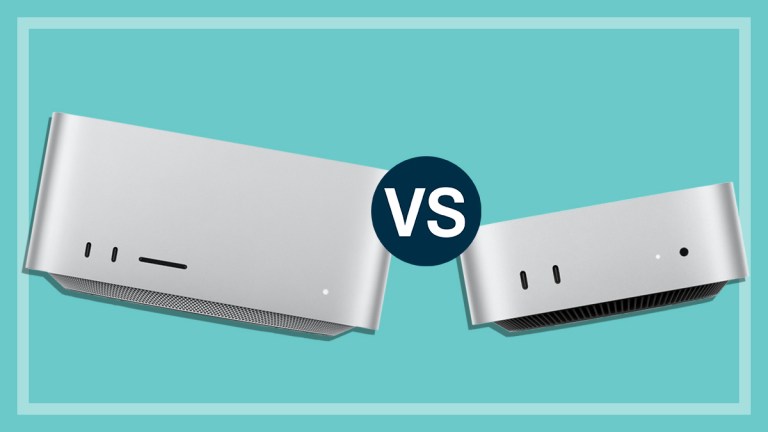
Mini-PCs
Generally faster and more technically capable, being small-form-factor (SFF) versions of their bigger (tower and mini-tower) desktop PC brethren. Their main processor is usually the sort of mainstream unit to be found in high-power laptops or even some desktop models, including Intel’s powerhouse Core 2 Duo line, and they can also have reasonably powerful graphics cards and a 3.5-inch desktop hard drive.
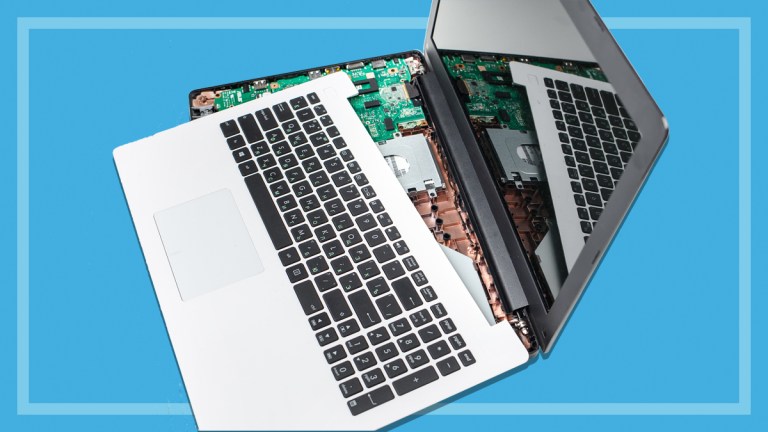
Net-tops and mini-PCs are usually packaged without a monitor and sometimes without a keyboard and mouse to provide a quick and relatively cheap upgrade path for someone who already has a desktop system and just wants to replace the main computer unit, while keeping their existing attached devices. This gives you the chance to buy all-new hardware, complete with the latest operating system, in one neat package that just plugs into your existing monitor. Net-tops and mini-PCs have similar strengths and weaknesses. They have a compact chassis that doesn’t take up much desktop space and they contain everything you need for most computing tasks. On the downside, their very compact case means they have limited space for expansion or upgrading of the hardware internally.
We tested eight models, all priced under $1000, to see how they fared as desktop replacements.
We compared performance and ease of use across the range and looked at the features of each model. As performance is not the main reason to buy one of these types of computer, we placed more emphasis on ease of use in the final scoring – nevertheless the performance of these new mini-PCs is at least equal to or more than standard desktops systems from a year or two ago.