How to buy the best baby furniture
You don't need to spend big for safety and ease of use.
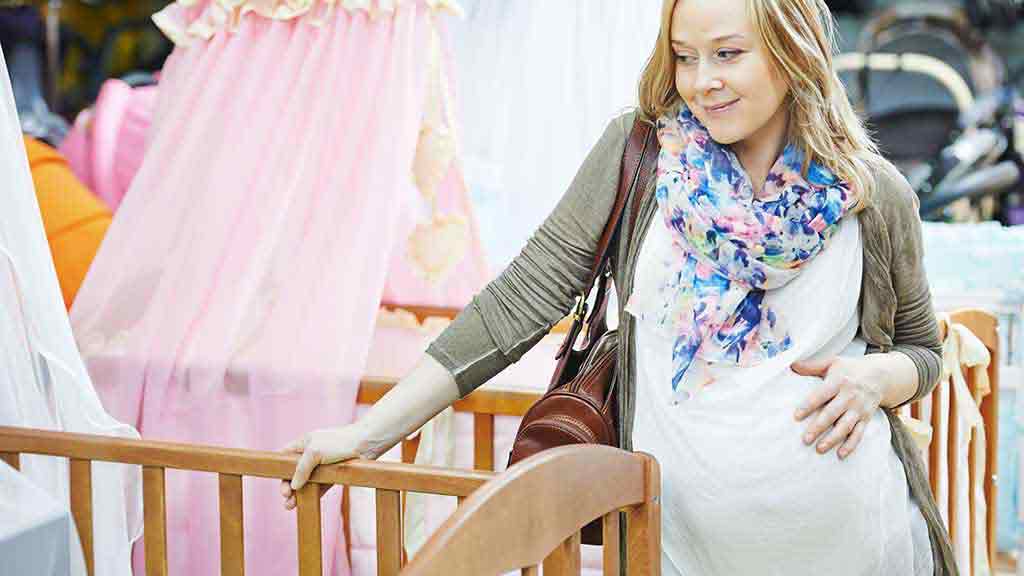
Congratulations, you’re having a baby! But wait – unless you’re planning for Junior to sleep in a drawer, you’ll need to buy a few things for the nursery. But do you really need that $1800 super-ergonomic rare Norwegian spruce cot? If you get a slightly cheaper changing table, have you failed completely as a parent before the kid’s even born?
On this page:
As safety and ease of use are priorities for tired new parents, you’ll be pleased to know that over years of testing, CHOICE has found you don’t need to spend big for a product that’ll give you peace of mind. So what equipment do you need to consider?
Furniture for younger babies
Bassinets and bedside sleepers
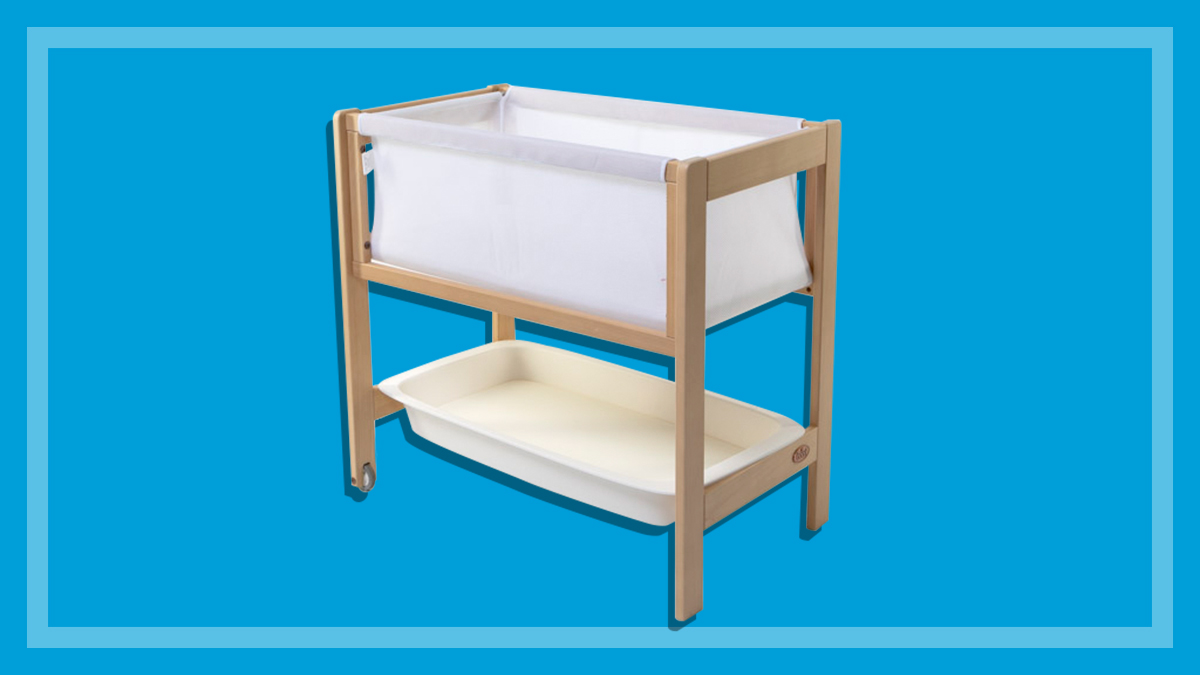
Bassinets are convenient because they don’t take up as much space as a cot and can be placed beside your own bed. But babies grow out of bassinets quickly – once your baby can roll over or pull themselves up it’s time to move them into a cot.
There’s no Australian standard for bassinets, so we test them to a CHOICE method based on existing safety standards for cots and folding cots.
Bedside sleepers are another kind of bassinet that attaches or sits next to to the parental bed to mimic co-sleeping without the baby being in the same bed. The side folds down to allow for easier access during the night.
Despite the claims from manufacturers that bedside sleepers are safe, we’ve tested a few of these and have found some serious risks including a lack of breathable sides, poor stability, insufficient strength and the possibility for head and limb entrapment between the bedside sleeper and the adult bed.
Cots
Safety, durability and ease of use for the parent are important factors when buying a cot. They can be costly items, so doing your research can save time and money. They’re suitable from birth and, unlike bassinets, there is an Australian standard for cots. You can also make them last well into childhood as many, for instance, can convert to a toddler-sized or even a single bed.
Our cot mattress reviews also reveal which models are sufficiently firm. A mattress that is too soft is a suffocation risk.
Portable/travel cots
Portable cots (also known as travel cots and portacots) make it easy to be mobile, but as our portable cot reviews reveal, their soft construction can pose some serious safety risks.
Change tables
Wrestling with a wriggly infant can not only be infuriating, it can be downright dangerous if you have a poorly designed change table. Our change table buying guide tells you what to look for.
Furniture for older babies
When your little one starts to get mobile it’s time to think about the next batch of furniture you’ll need.
High chairs
Once your baby can hold its head up (at about six months) a good high chair will make feeding much easier, provided you buy one that’s stable and easy to clean!
Safety gates and barriers
Notoriously curious and very fast, babies can be surprisingly dextrous when they set their minds to a task. That’s why buying the right safety gates and barriers and installing them correctly to block off stairs and doorways is crucial for your peace of mind.
Playpens
Giving a harried parent a little hands-off breathing space, playpens can be a godsend – but in the absence of an Australian standard you’ll need to do your research. (Once you’ve read the playpens buying guide, our playpen reviews are a good starting point.)
Bed rails
Also known as safety rails or bed guards, these devices create a barrier that prevent falls from a bed; we don’t have a current review of this product but our bed rail buying guide tells you what to look out for.
Child safety devices
Every room in the house can present a host of enticing but dangerous objects such as power points, kitchen chemicals, medicines, and hazards like a toppling TV or the danger of strangulation from loose blind cords. So, well-designed and secure child safety devices as well as anchoring items to walls can help.
Kim Gilmour is a Senior project officer. She manages a range of product tests such as coffee machines, stick vacuums, bassinets, high chairs and ovens, which are all tested in our in-house labs.
Kim’s work gives people access to robust, independent advice and helps consumers make informed decisions about their purchases. Her work also helps to keep manufacturers in check, by regularly exposing product flaws which can result in better and safer products.
Prior to CHOICE, Kim spent 16 years working as a technology journalist in Sydney and London. With several years as a senior researcher/writer at our UK sister organisation, Which?
Kim has authored how-to technology books such as Spotify for Dummies and Digital Photography for the Older and Wiser.
Kim has a Bachelor of Arts in Communication (Journalism) from Charles Sturt University. LinkedIn
Kim Gilmour is a Senior project officer. She manages a range of product tests such as coffee machines, stick vacuums, bassinets, high chairs and ovens, which are all tested in our in-house labs.
Kim’s work gives people access to robust, independent advice and helps consumers make informed decisions about their purchases. Her work also helps to keep manufacturers in check, by regularly exposing product flaws which can result in better and safer products.
Prior to CHOICE, Kim spent 16 years working as a technology journalist in Sydney and London. With several years as a senior researcher/writer at our UK sister organisation, Which?
Kim has authored how-to technology books such as Spotify for Dummies and Digital Photography for the Older and Wiser.
Kim has a Bachelor of Arts in Communication (Journalism) from Charles Sturt University. LinkedIn
Chris Barnes is a Senior Project Officer. He manages the product reviews that are done outside of CHOICE with external labs or data sources. This includes solar panels, electric heaters, air purifiers and detergents. Chris also manages our testing services through our commercial arm, Test Research, and he is CHOICE's NATA authorised representative for our lab's formal accreditations. Chris is involved with the standards committee for air conditioners. And he works with government and industry in areas such as product safety and regulation. In over 20 years at CHOICE, Chris has managed lab teams for a wide range of products, including children's products, kitchen appliances, laundry appliances, garden power tools and more. Chris has a Science degree from the University of Sydney. LinkedIn
Chris Barnes is a Senior Project Officer. He manages the product reviews that are done outside of CHOICE with external labs or data sources. This includes solar panels, electric heaters, air purifiers and detergents. Chris also manages our testing services through our commercial arm, Test Research, and he is CHOICE's NATA authorised representative for our lab's formal accreditations. Chris is involved with the standards committee for air conditioners. And he works with government and industry in areas such as product safety and regulation. In over 20 years at CHOICE, Chris has managed lab teams for a wide range of products, including children's products, kitchen appliances, laundry appliances, garden power tools and more. Chris has a Science degree from the University of Sydney. LinkedIn