How to buy the best reversing camera kit for your car
Make parking and tricky manoeuvres easier – and a lot safer.
Last updated: 7 Mar 2020
If you’re a mum or a dad, you’ve probably convinced your kids you really do have eyes in the back of your head. If only it were true! A reversing camera acts as a set of eyes in the back of your car – helping you avoid parking dings, or worse.
On this page:
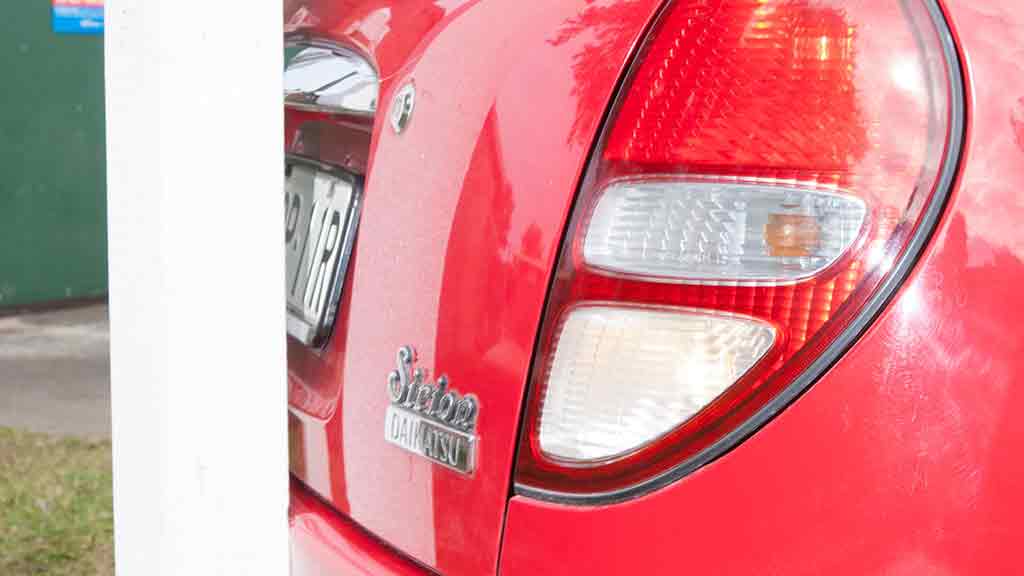
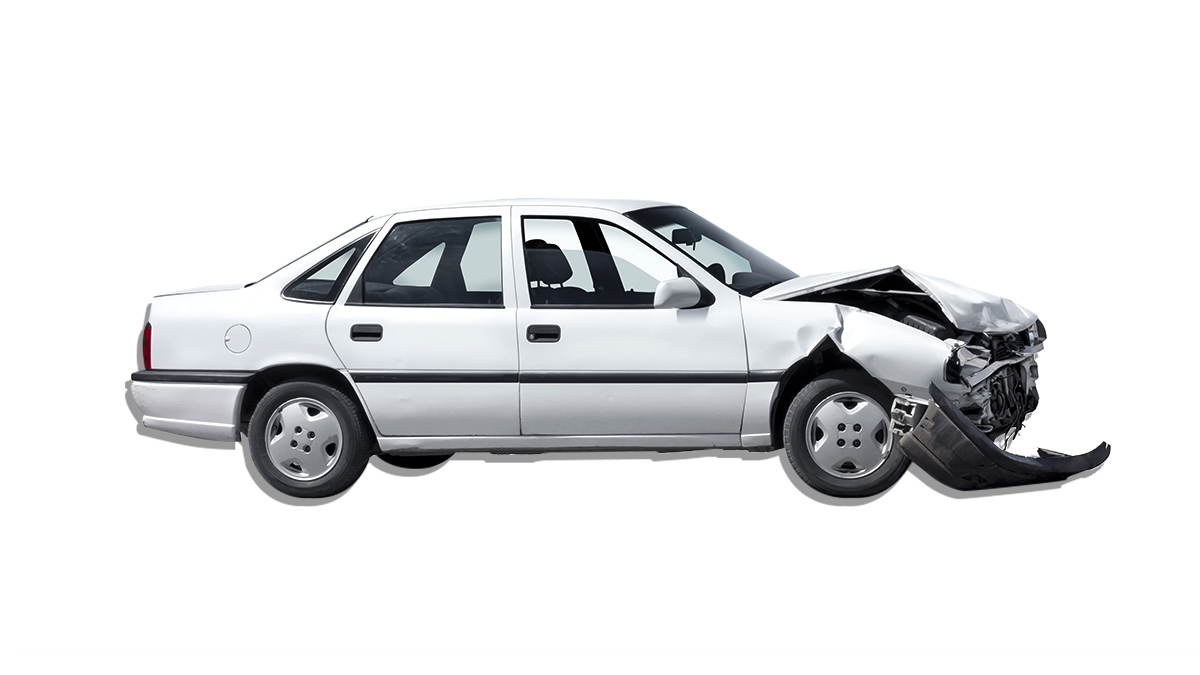
We’ve all heard of accidents where the driver hasn’t seen something in their rear view when reversing. Best case scenario, it’s a bag of shopping; nightmare scenario, it’s a pet or a child. A few hundred dollars spent on a reversing camera could save a life.
How do reversing cameras work?
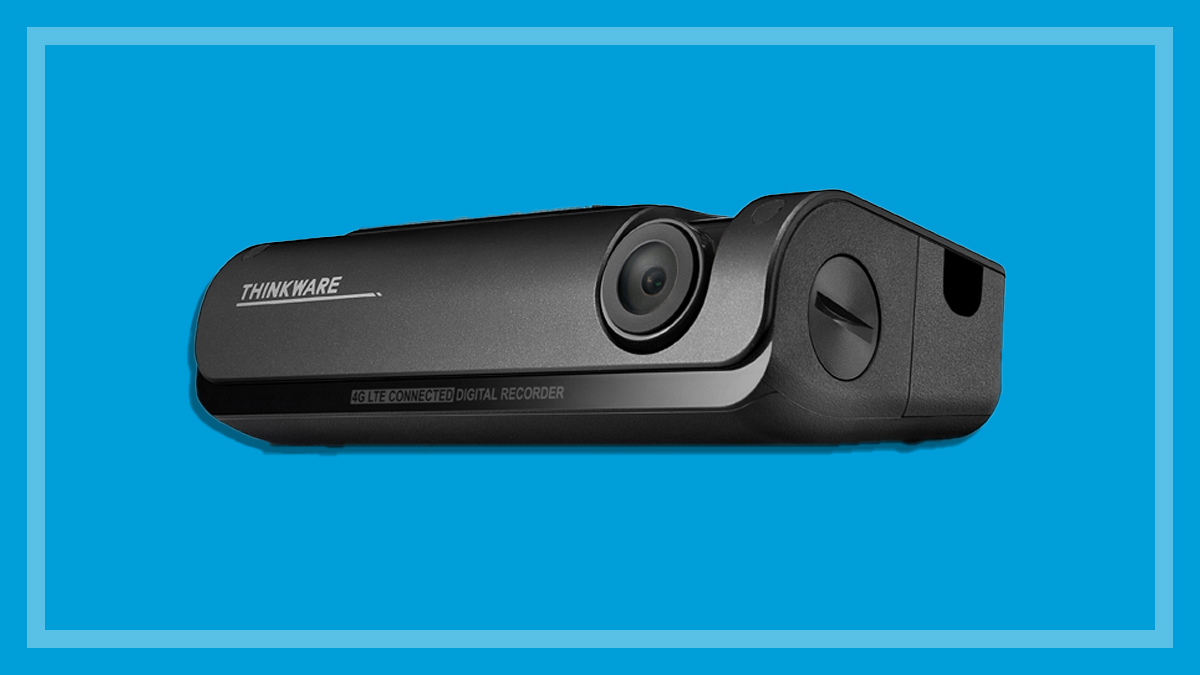
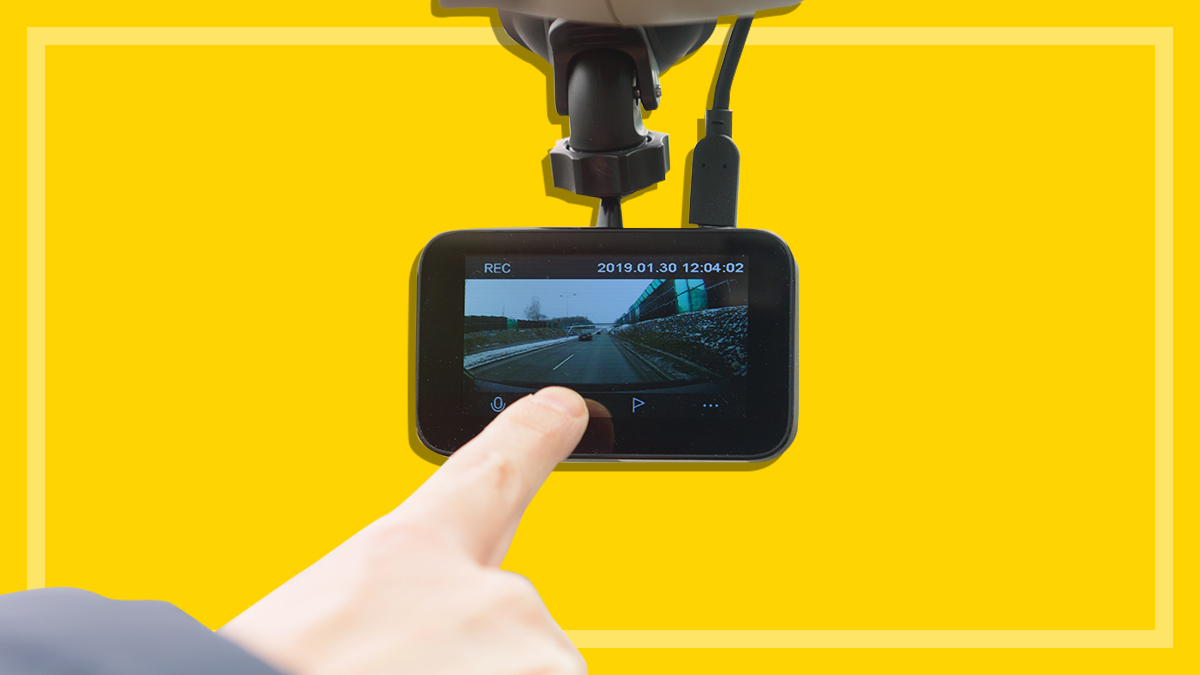
A car reversing camera kit includes a camera that you attach to the rear of the car and a monitor for dashboard viewing. When the reverse gear is selected the monitor powers up, showing the camera vision.
Reversing safely
The downside of reversing cameras can be the limited angle. If an obstruction is behind either rear wheel the camera may not be able to detect it, so it’s best to combine a reversing camera with a proximity sensor that will make a sound as you approach an obstruction.
And don’t forget about plain common sense – it’s the best way to prevent an accident.
- Check your rear view,
- Keep an eye out over your shoulder, and
- Make sure your children or pets are well out of the way before reversing.
Reversing visibility
If you’re buying a new car and want to know how it rates for reversing visibility, check the IAG Reversing Visibility Index for test results on a range of vehicles.
We’d like to see all new cars come standard with a reversing camera.
Buying a reversing camera kit – what to look for
Angle
Look for a wide viewing angle. Wider angles often mean lower picture quality, but this is less important than seeing the obstructions in the first place.
Camera
Most cameras are round and attach to the bumper bar or license plate, others sit in the back window or clip on the rear view mirror. Some flexibility with the camera is useful to get the best angle.
Multiple cameras wired into a monitor are useful for hauling boats or caravans. Remember to keep the camera lens clean, for good visibility.
Mirror
These clip over your standard rear view mirror and turn half, or all, of the mirror into a monitor when you put the car in reverse. Removing your current rear view mirror may be difficult due to the original glue used.
Monitor
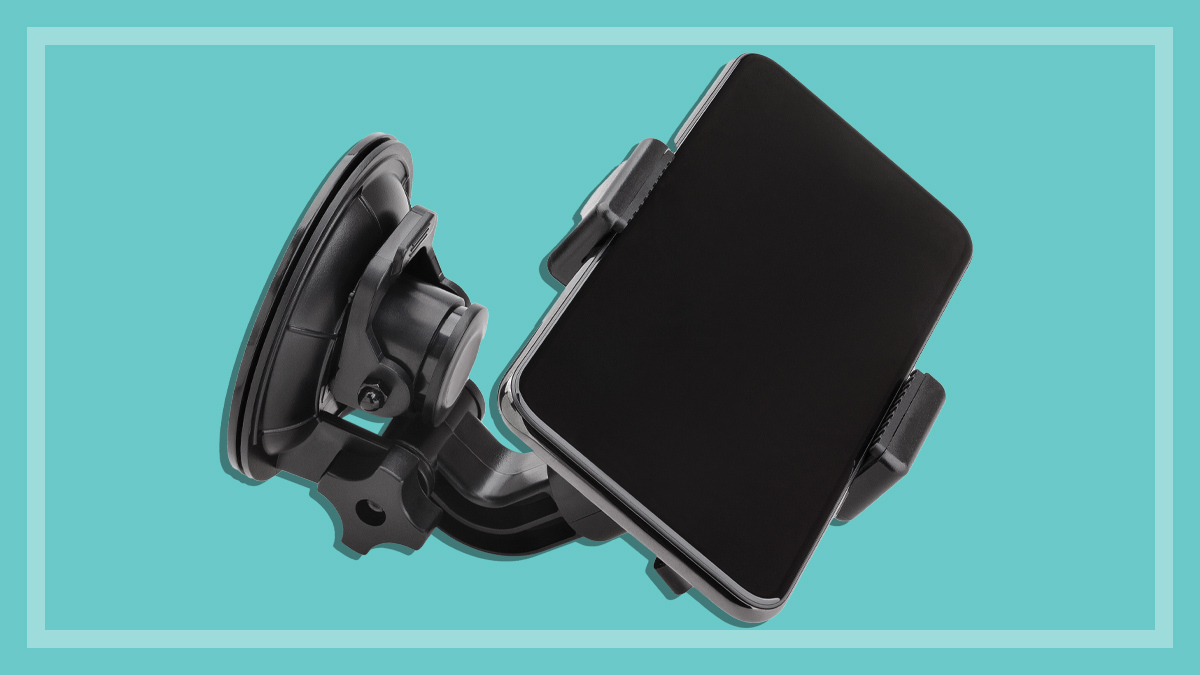
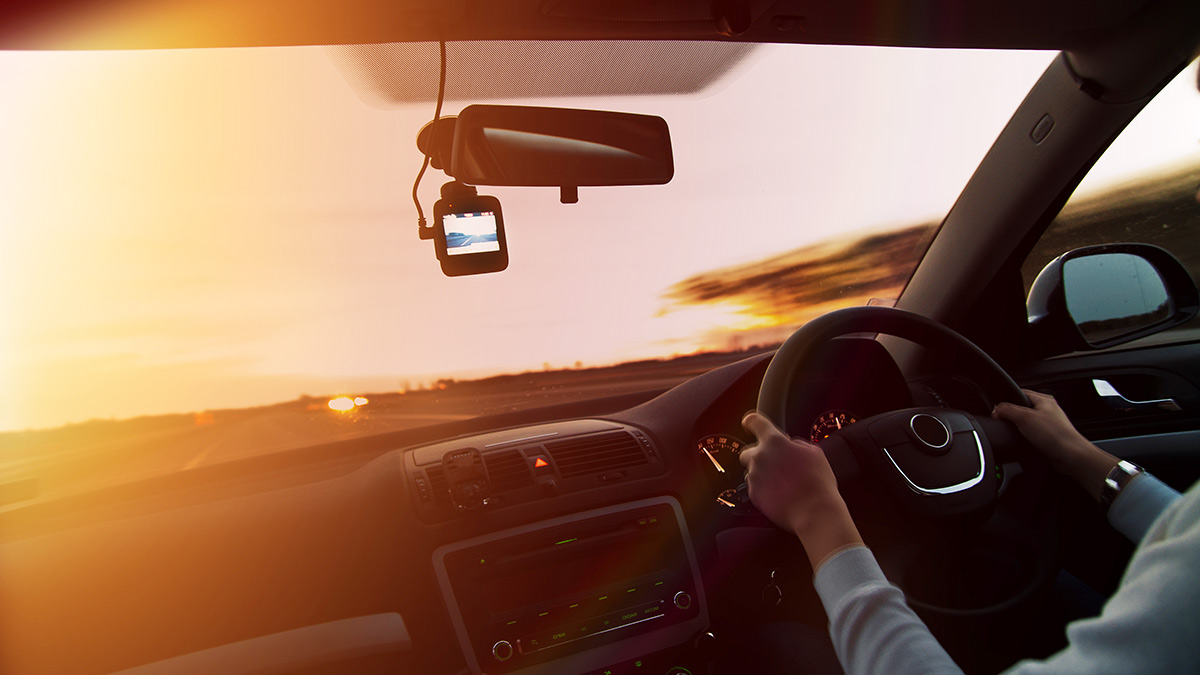
The larger the monitor, the easier it will be to see any obstructions, but remember you’ll have a monitor, possibly alongside others, cluttering up your dash. They can be installed on the windscreen with a suction cup or to the dashboard with suction cup or sticky mount.
Reverse start
Most kits will start when you select the reverse gear – avoid ones that don’t.
Wired/wireless
This will make a little difference in ease of installation, but all kits require a hard wire install to the reversing lights. Wired kits also require a cable to be routed under the carpet, from the monitor through the car to the camera.
Installation
If you’re very comfortable with car electronics, you may be tempted to try installing one of these kits yourself, but the instructions can be lacking in detail. We recommend having a car reversing kit professionally installed. This will add a couple of hundred dollars to the cost, but will be neat and tidy and less hassle.
How much does a reversing camera cost?
Car reversing camera kits range in price from approximately $150 to $500.
Matthew Steen is the Director of Reviews and Testing, which conducts all the testing for CHOICE. He has had a long and storied history in the consumer movement.
Matthew is driven to work at CHOICE for its constitutional mission and its dedication to making Australia more fair, safe and just.
Matthew represents CHOICE as a council member on the Standards Australia Council. He is also responsible for CHOICE lowering its environmental footprint.
Find Matthew on LinkedIn.
Matthew Steen is the Director of Reviews and Testing, which conducts all the testing for CHOICE. He has had a long and storied history in the consumer movement.
Matthew is driven to work at CHOICE for its constitutional mission and its dedication to making Australia more fair, safe and just.
Matthew represents CHOICE as a council member on the Standards Australia Council. He is also responsible for CHOICE lowering its environmental footprint.
Find Matthew on LinkedIn.